Gentle, upright, courteous, and frugal: cultivating self and bringing peace to others.
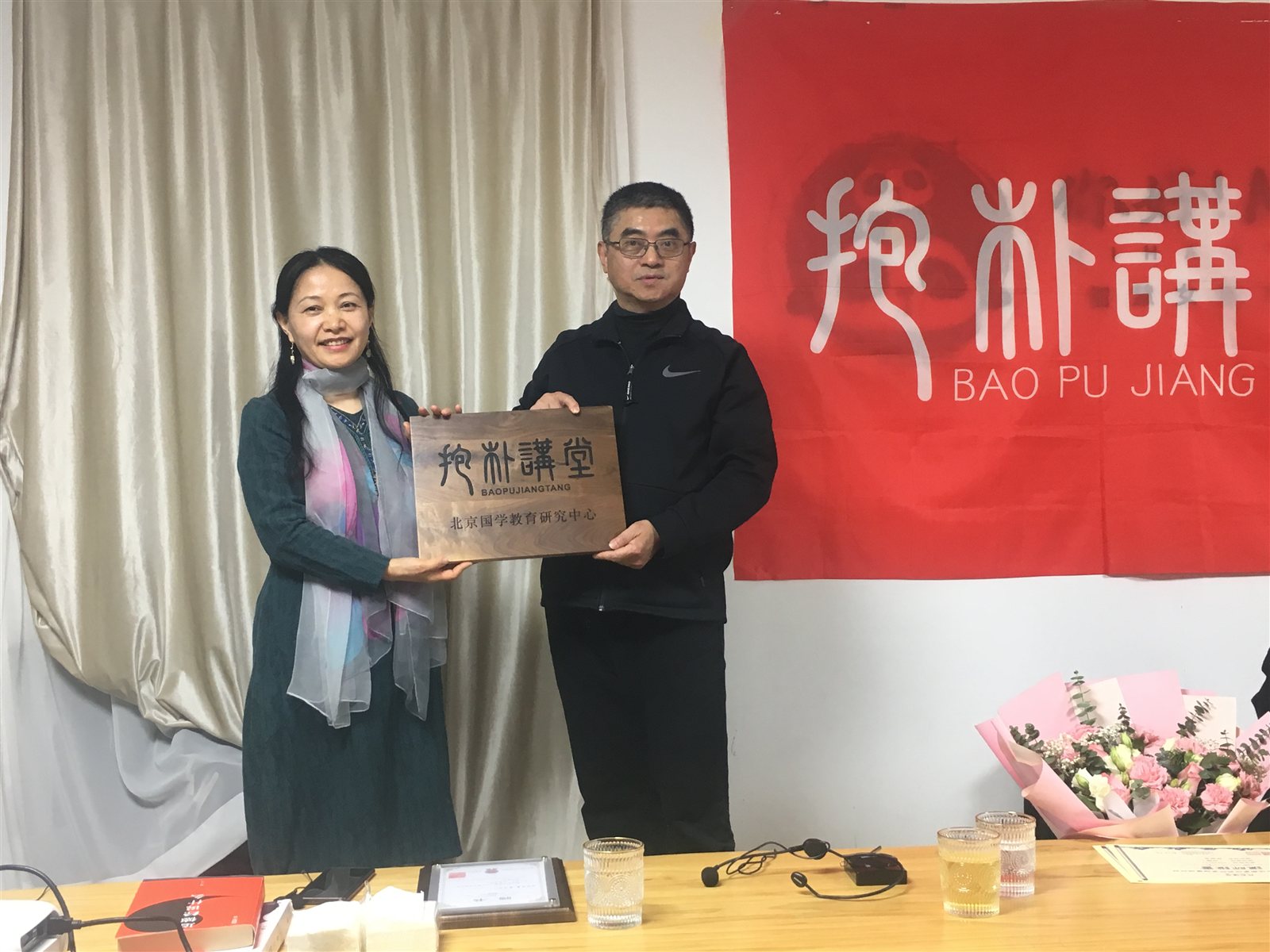
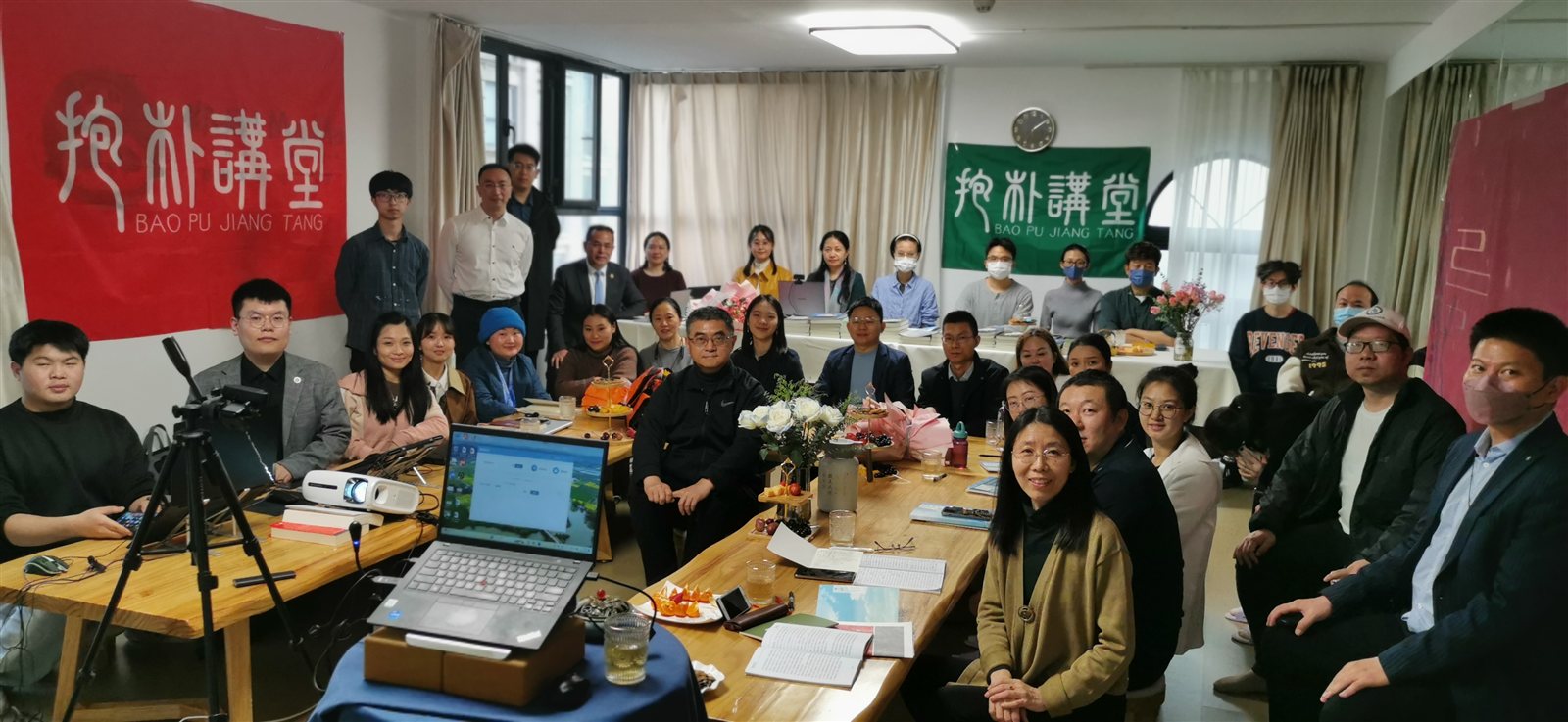
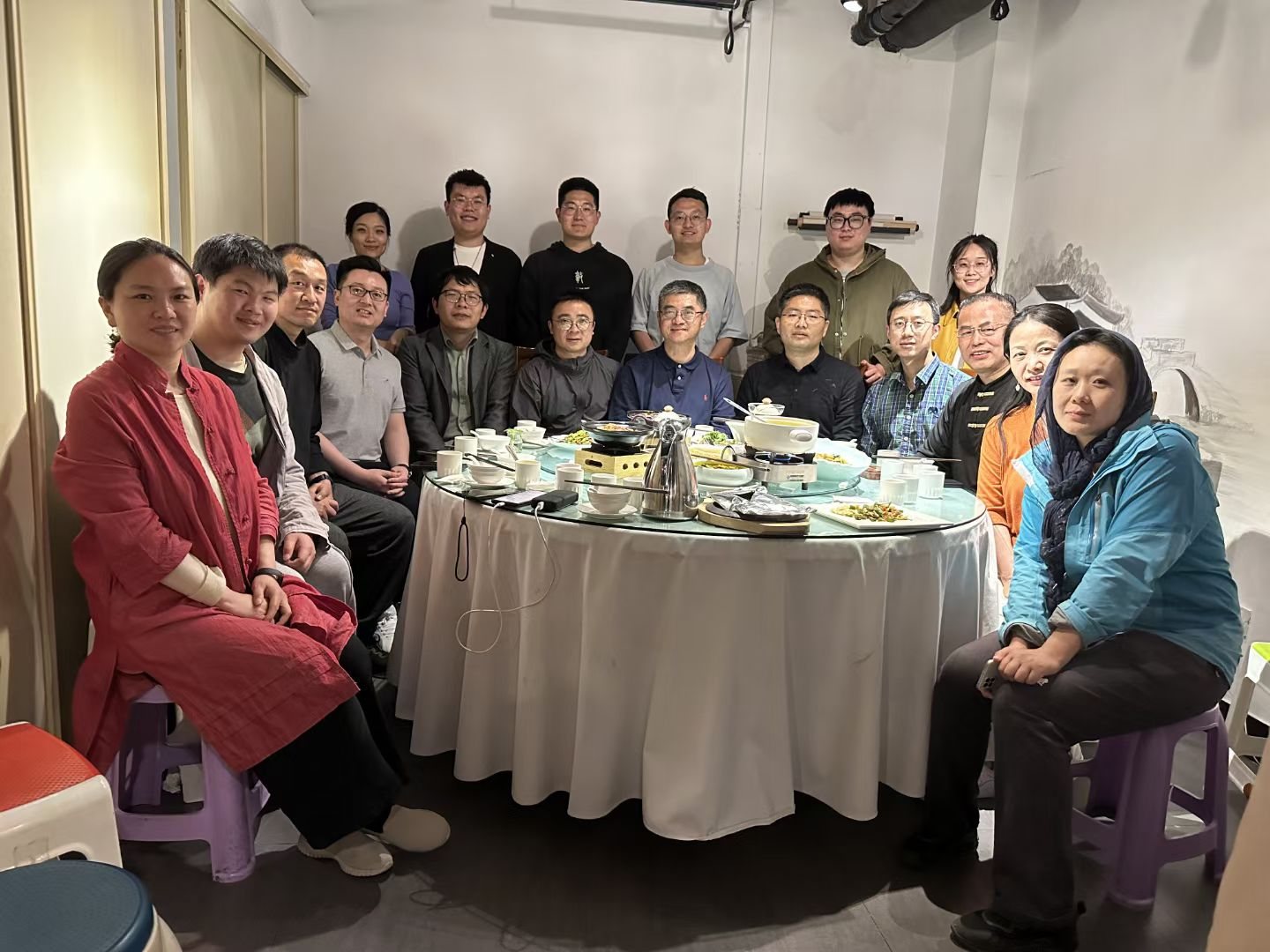
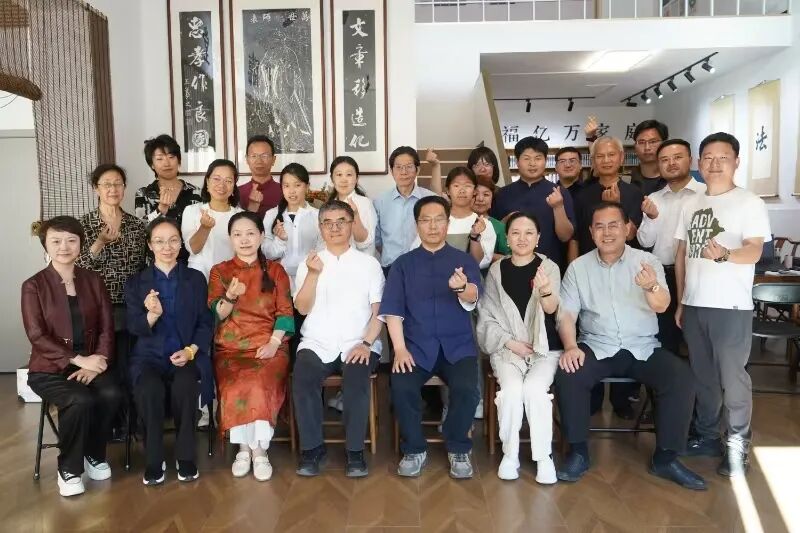
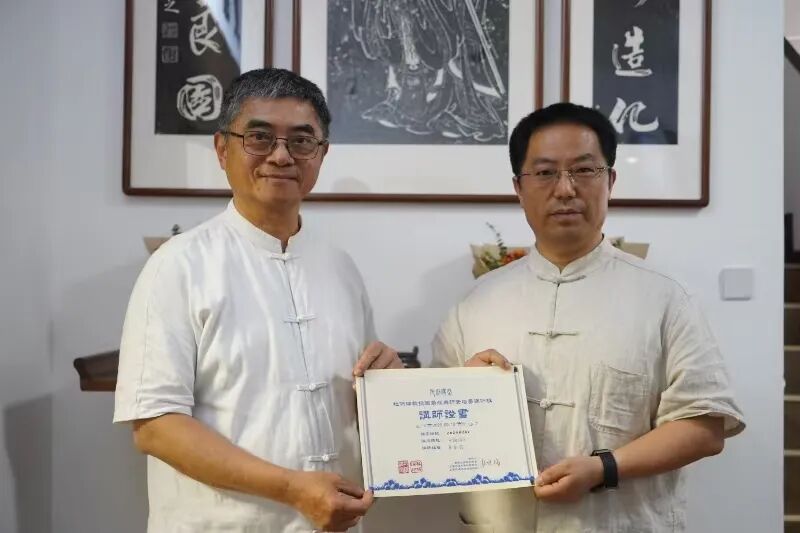
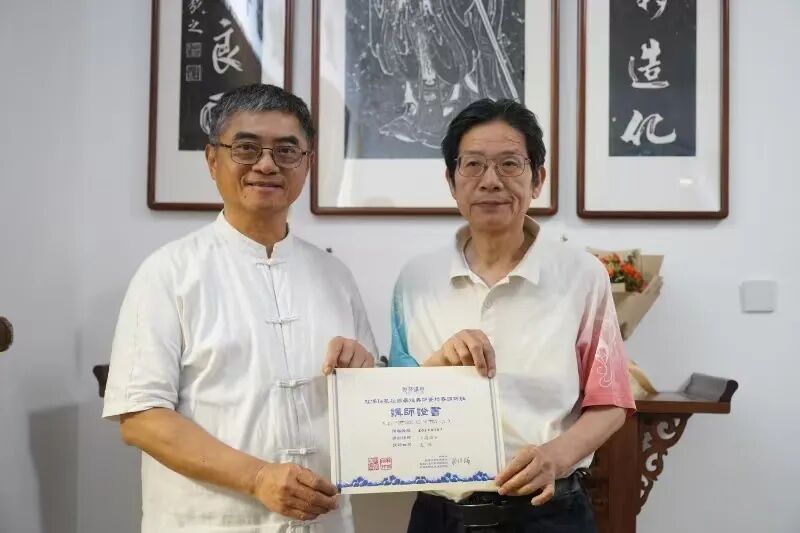
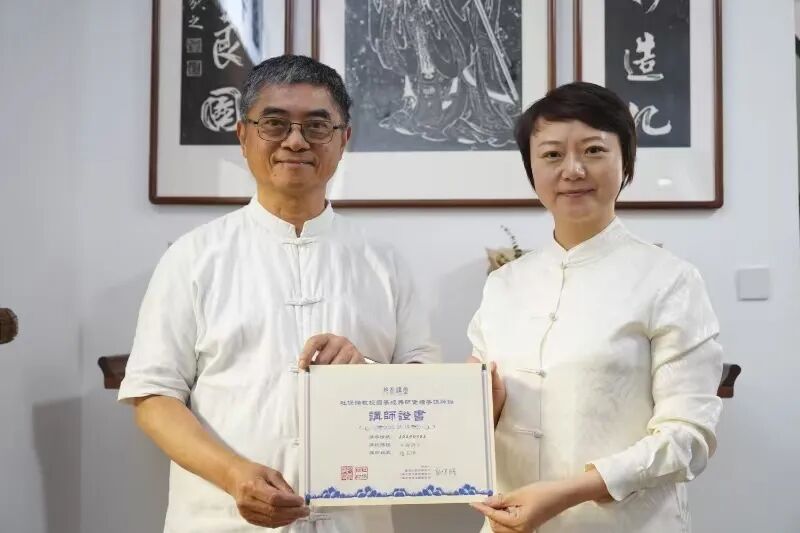
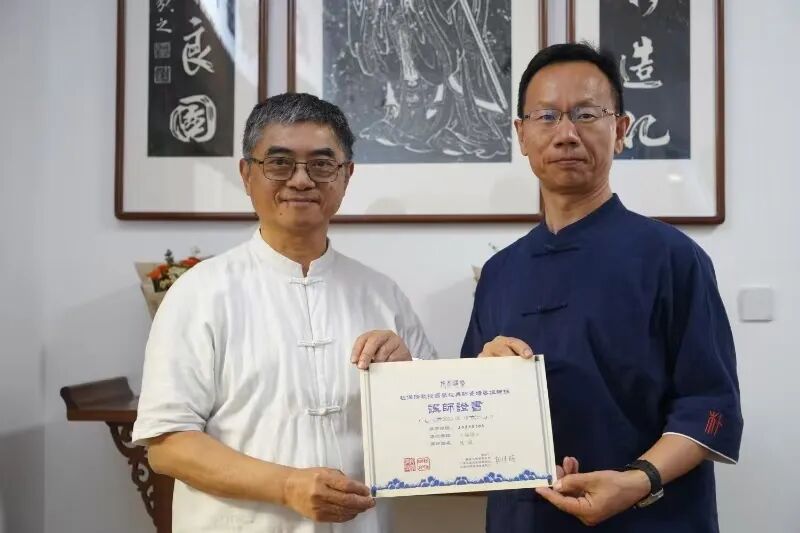
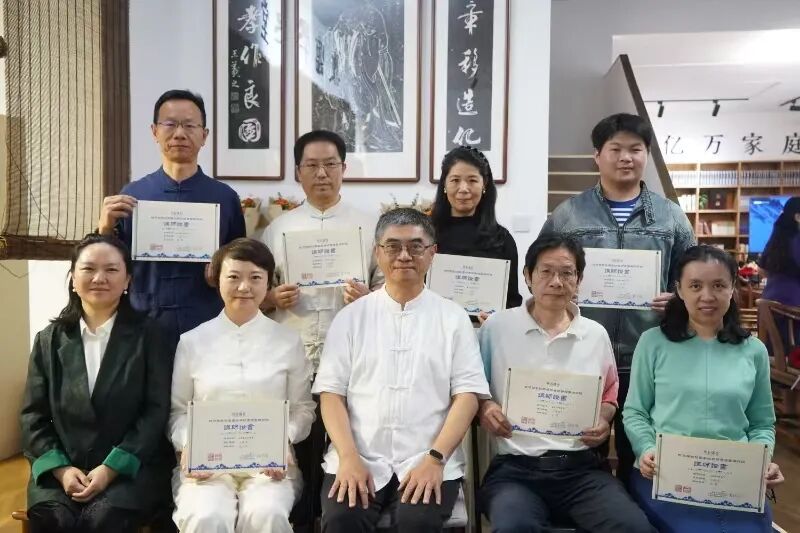
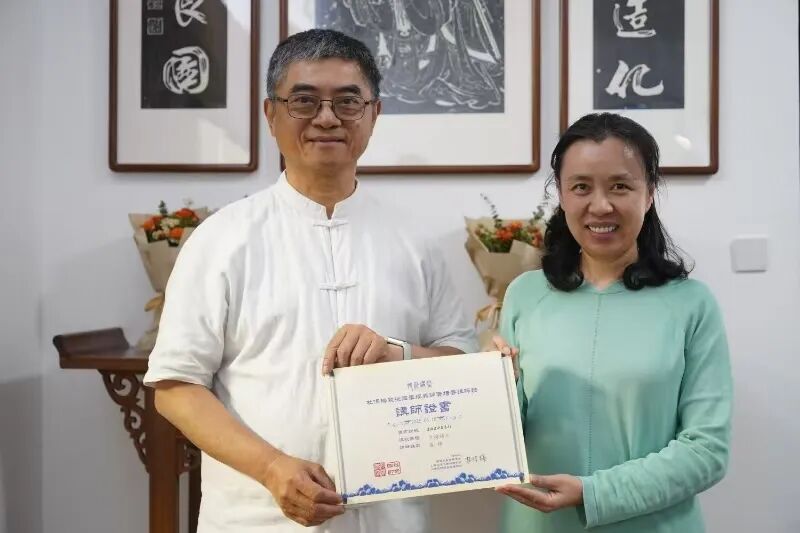
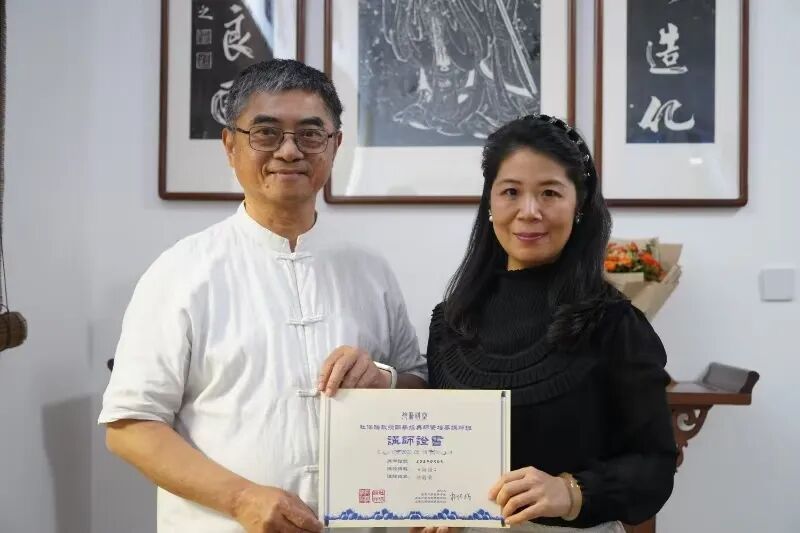
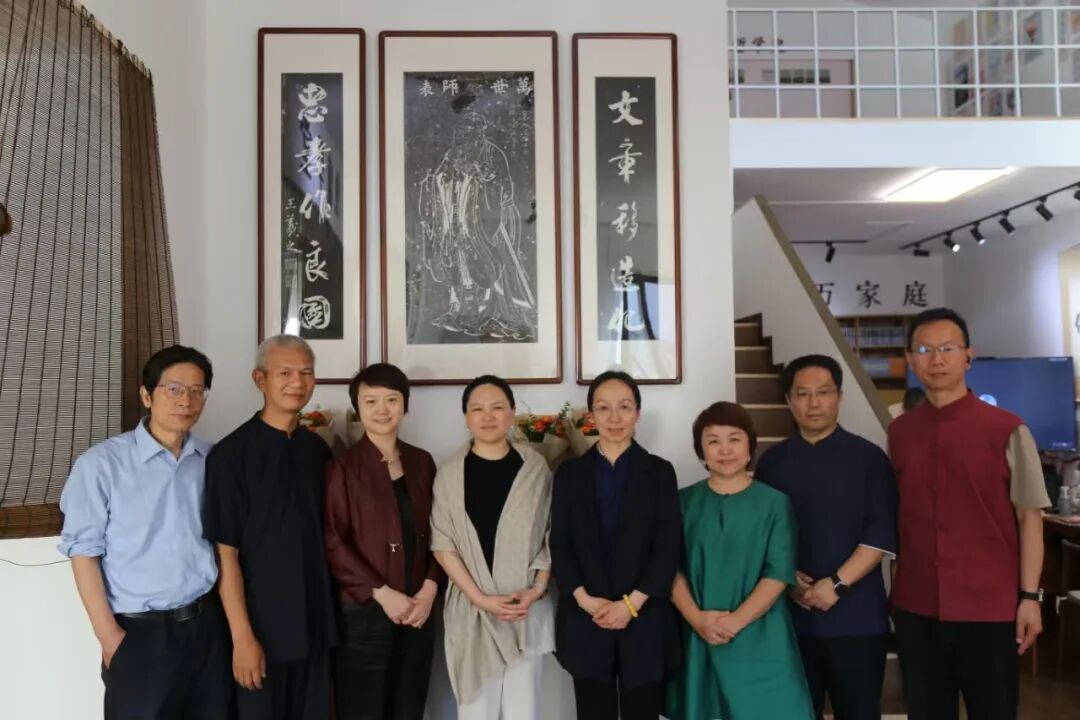
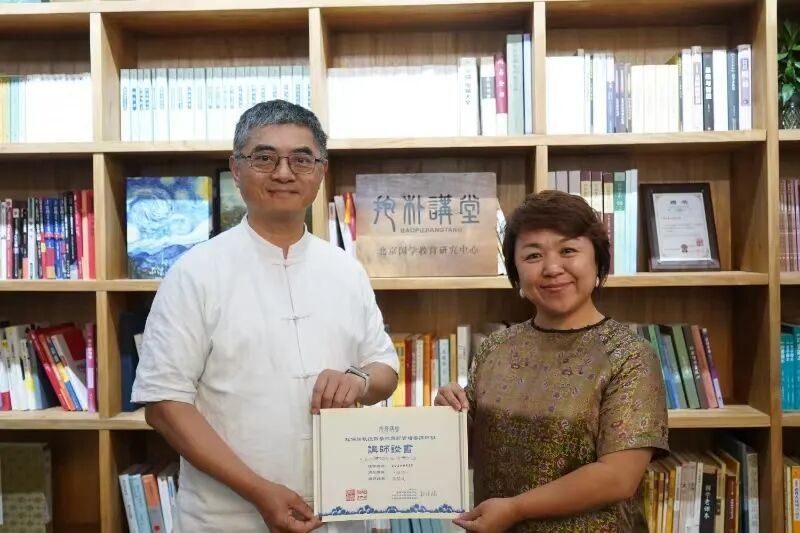
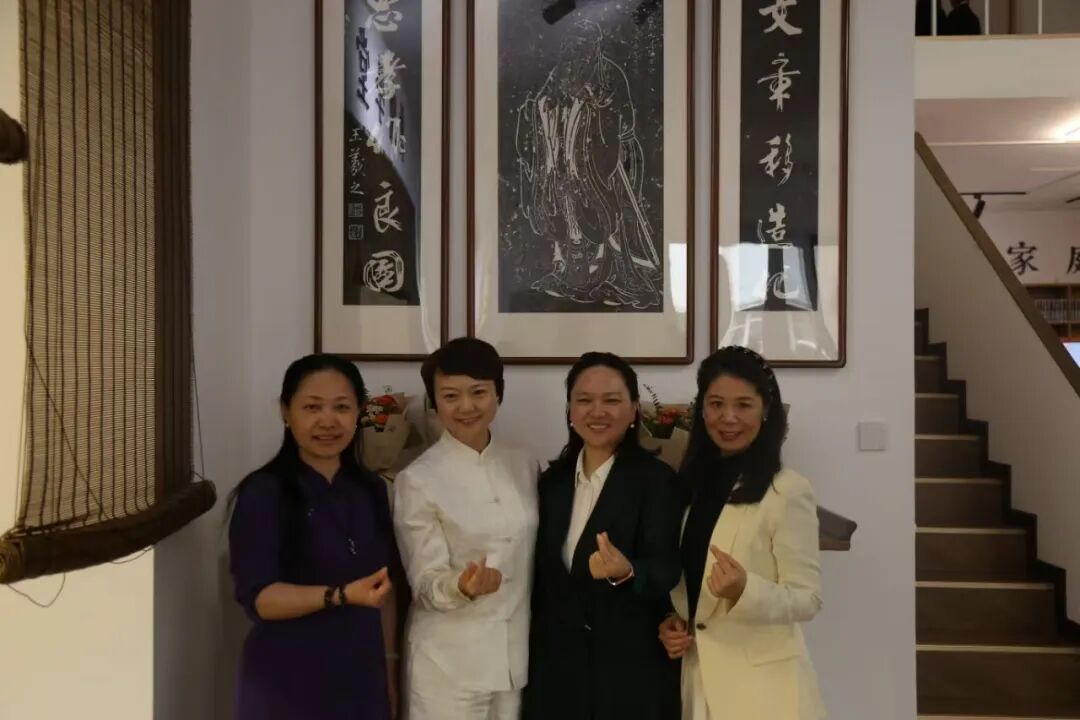
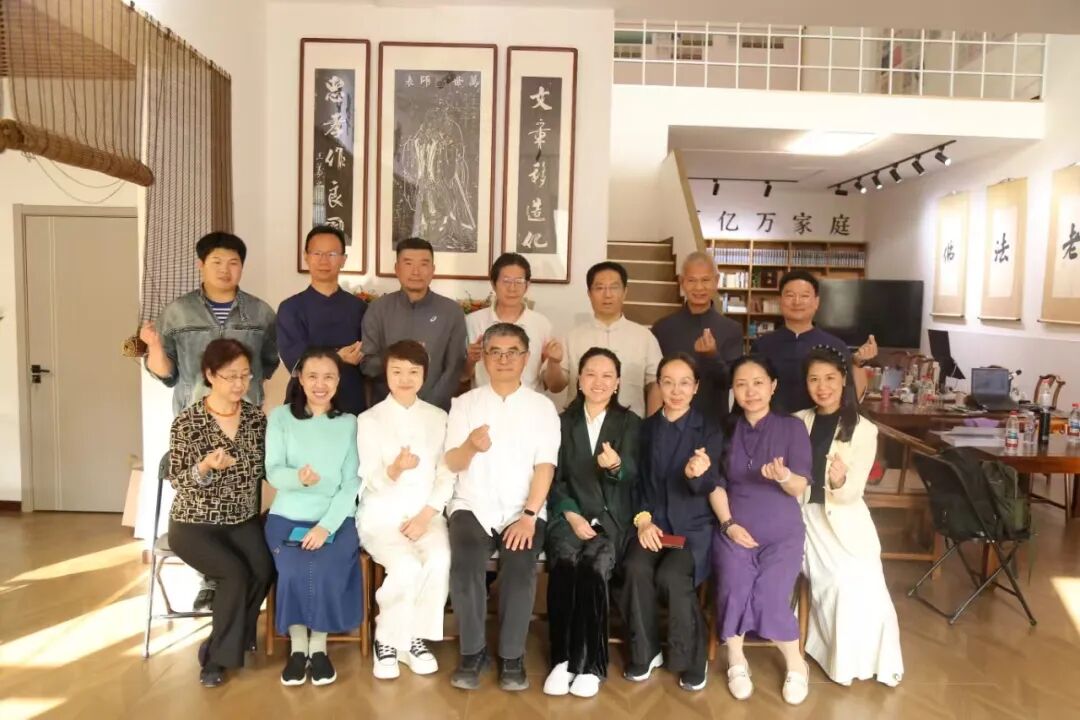
On May 17–18, 2025, Baopu's Third Lecturer Class celebrated the completion of their study of the Analects, gathering students online and in person in Beijing. Over the past half year, fellow teachers studied word by word, mastering this foundational pre-Qin classic.
The Analects is an essential masterpiece of China's classical tradition, the fountainhead of national thought, and the first classic every Chinese person should read. It profoundly shaped subsequent schools of thought, forming the core character of the Chinese people: ideals such as 'knowing it is not as good as loving it, loving it is not as good as delighting in it' gave scholars a lifelong pursuit of joyful learning; 'is it not delightful to have friends come from afar? All within the four seas are brothers' nurtured an open and hospitable heart; 'the Master obtained it by being gentle, upright, courteous, modest, and yielding' guided moral self-cultivation; and 'the gentleman is cautious in speech and prompt in action' became a universal motto. For any scholar, the Analects is essential reading. As lecturers teaching Chinese classics nationwide, Baopu's scholars must not only read it, but delve word by word through a philosophical approach to teach and explain its wisdom.
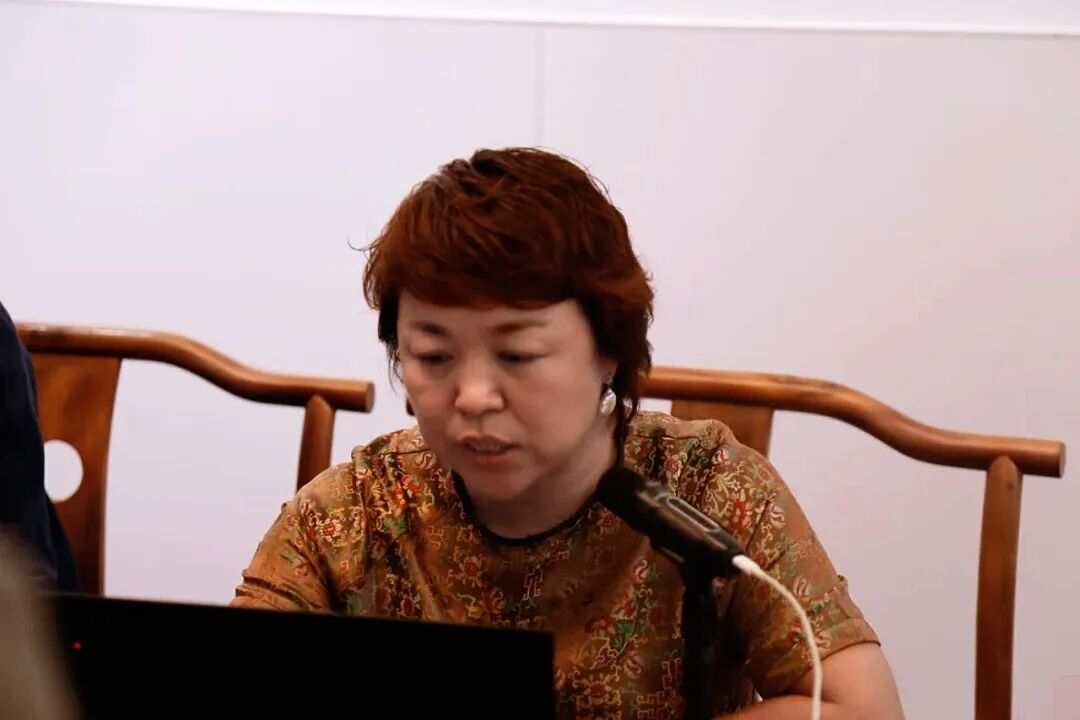
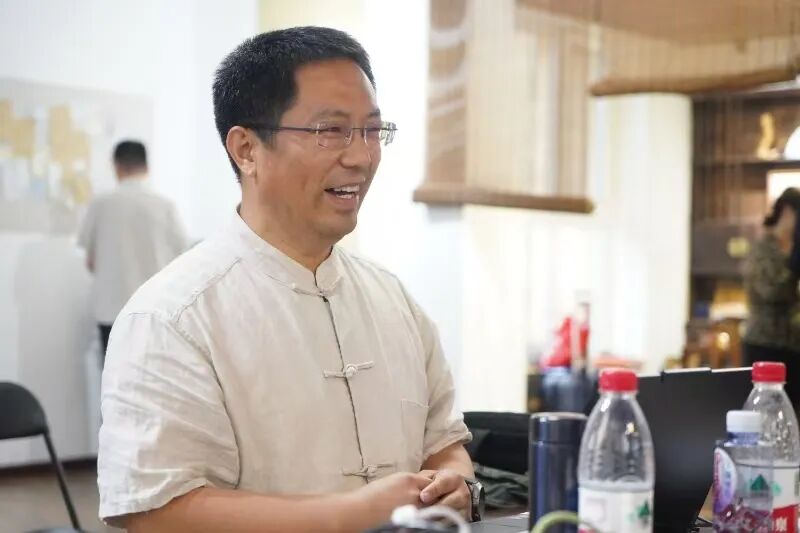
During the two-day completion conference, everyone conducted deep sharing and exchange on the thought of the Analects.
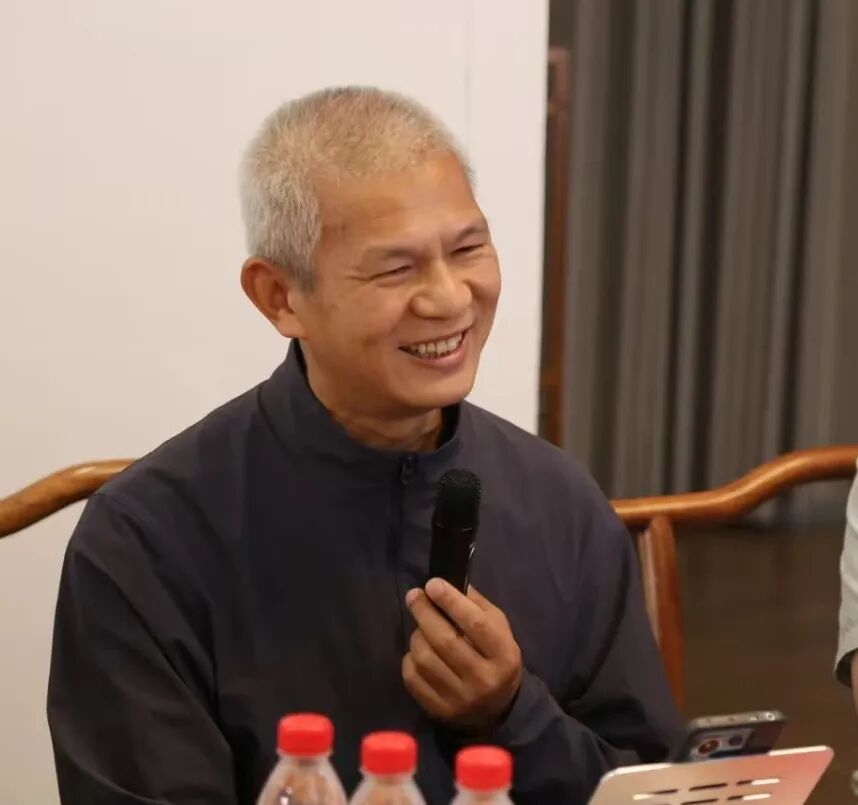
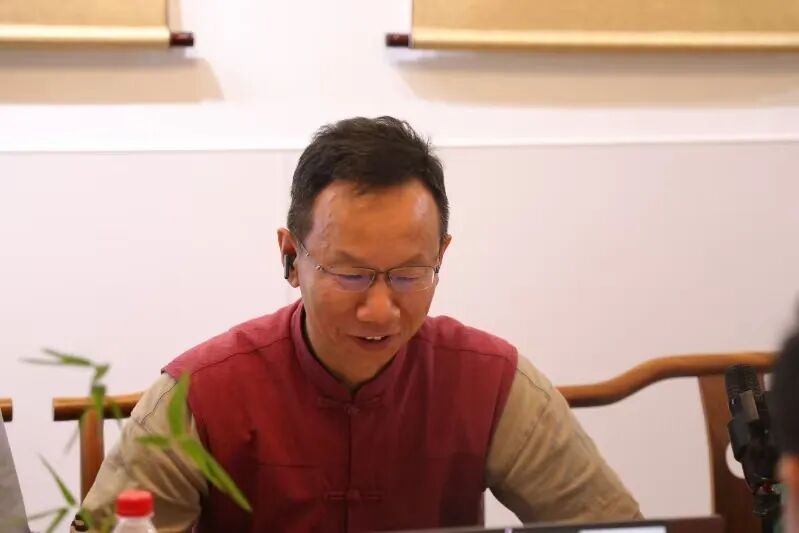
Teachers presented their papers one by one, while class mentor Prof. Duh Bau-Ruei provided precise and insightful guidance for each presentation.
Prof. Duh's opening remarks before commentary:
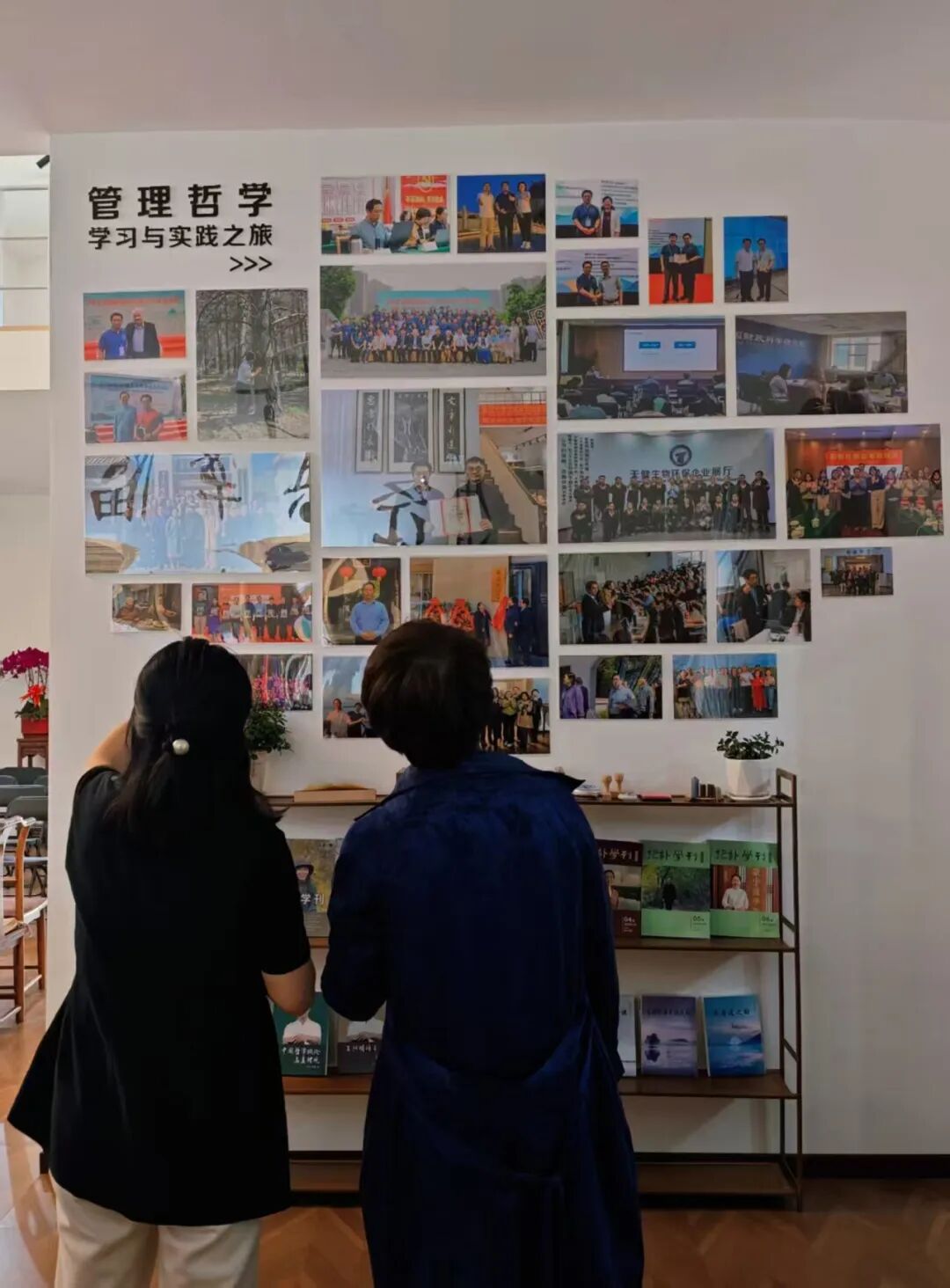
1. Dunlin Academy: find yourself on the photo wall.
2. On the bookshelves: Mou Zongsan and Lao Siguang. Teacher-student fellowship. Actively turning journal articles into books.
3. Busy reading: like graduate students, a lifelong endeavor where there is always meaningful work to do.
4. Finding topics: if you cannot come up with one, feel free to ask me. Private tutorials offer countless topics to write on.
5. Article revisions: writing plans and thesis drafts achieve perfection only through repeated revisions.
6. Commentary: my feedback focuses on theoretical and logical structure; fellow students can help review textual formatting details.
7. Presentations: follow an outline or text. Merely reading a script offers no growth, resembling children's recitation practice.
8. Weekly assessments: submit one day in advance with no lower time limit. Once combined files are prepared on the day, no further changes; keep word counts concise.
9. Presentation of results: writing plans must be pre-approved by the teacher; keep lengths moderate. Formal reports receive one final round of feedback, after which no further revisions are required.
10. How wisdom advances: In Buddhism, wisdom comes from closeness to good spiritual mentors. My growth comes from guiding students in theoretical construction; students grow through receiving feedback and observing feedback given to others, which accelerates learning through abundant real cases. 'Hear much, set aside doubt; see much, set aside peril.'
Teacher Xia Yongming (Ziwo): 'Path of Self-Cultivation in the Unity of Knowledge and Action: From Learning and Practicing to "I Desire Benevolence, and Benevolence Arrives"'
Teacher Wang Lihong (Zidian): 'On the Insights and Applications of "When the State Possesses the Dao" in the Analects'
Teacher Wang Jiaoping (Zijin): 'Analysis of the Thought of the Analects and Party Building in the New Era'
Teacher Wang Hui: 'Probing the Thought of the Doctrine of the Mean in the Analects'
Teacher Zhu Zhaoyu: 'Exercising Discretion and Timeliness: A Reinterpretation of "Minor Transgressions Are Permissible" in the Analects'
Teacher Jiao Ao: 'The Interpersonal Norms of "Faithfulness, Trustworthiness, and Empathy" in the Analects'
Teacher Zhao Shengjun: 'The Inheritance and Development of China's Thought of Governance by Virtue'
Teacher Xia Liwen (Zizhe): 'On Confucius's Thought of "Governance by Virtue"'
Teacher Zhao Yuhui (Zizheng): 'Confucius's Way of Handling Affairs and Governance Seen from Situational Choices in the Analects'
Teacher Li Bibo (Zishi): 'Convergence of the Thought of Benevolent Virtue in the Analects with Chinese Philosophy and Self-Cultivation'
Teacher Mou Kuiming (Zirui): 'A Philosophical Method for Studying the Analects'
Teacher Zhang Wenqiang (Zishuai): 'Between Virtual and Real: Authentic Construction of Confucian Benevolence from the Intersubjectivity of Homo Deus'
Teacher Chen Yisen (Ziyin): 'Analysis of the Thought and Value of "Benevolence" in the Analects'
Teacher Zhang Zhongyuan (Zixue): 'The Inherent Relationship Between Confucius's Rectification of Names and Rites-Music Institutions'
Teacher Wu Zheng (Zishuai): 'String and Song Unceasing: On "Music" in Confucius's Thought'
Teacher Lou Yijia (Zihua): 'Practical Wisdom and Modern Dilemmas of Confucian "Benevolence, Filial Piety, and Rites" Through the Differential Mode of Association in From the Soil'
Teacher Fu Zhengping: 'Learning from Confucius's Heuristic and Inspiring Method of Teaching'
Teacher Meng Chenhui: 'Exploring Confucius's Concept of the Gentleman in the Analects Through "Harmonious but Differing"'
Teacher Xu Furong (Zijing): 'Glimpsing the Ultimateness of Confucius's View of Life from "Hearing the Dao in the Morning": A Three-Dimensional Reconstruction of Ontology, Cultivation, and Realm'
Teacher Mei Haiyan: 'Views on Leadership in the Analects'
Teacher Cui Tao: 'Why Zigong Became the First Confucian Merchant in Light of the Analects'
Teacher Peng Lingxia (Zifan): '"Establishing Self to Help Others, Uniting Knowledge and Action": Value and Practice of Analects Wisdom in Youth Education'
Teacher Song Xiaobo: 'Analysis of "Doubt" and "Freedom from Doubt" in the Analects'
Swipe left and right to view more
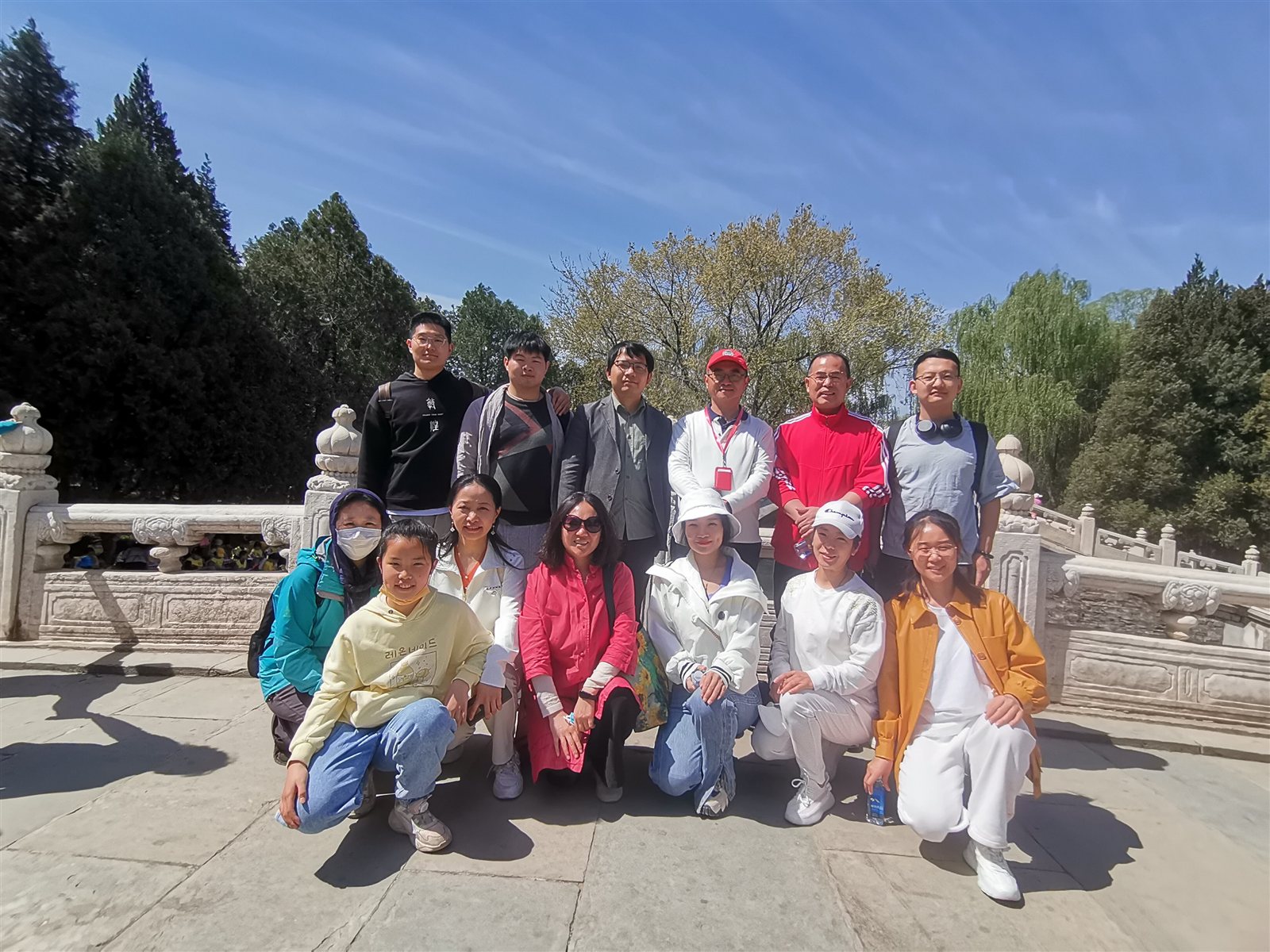
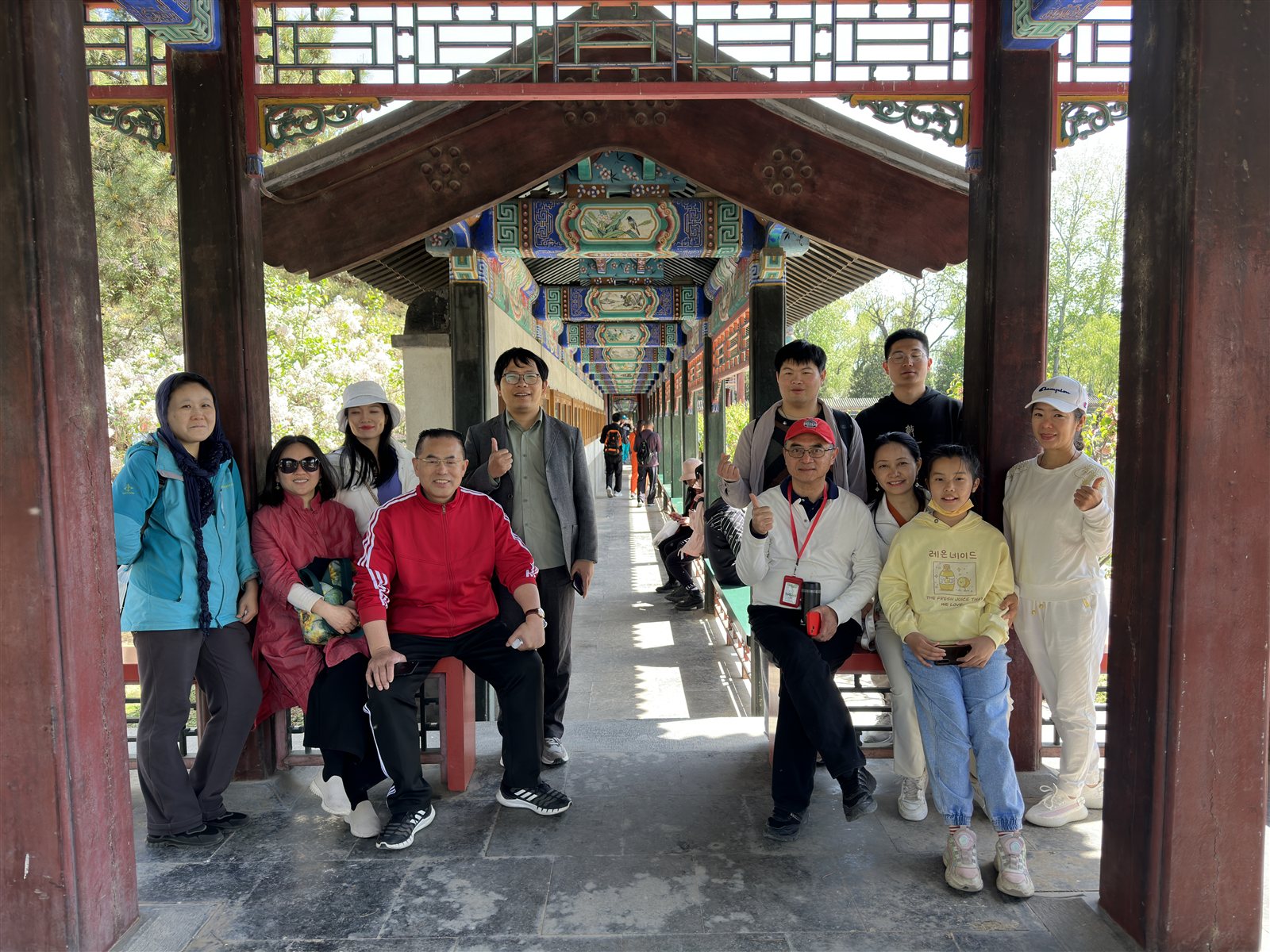
Gathering with fellow scholars who share common values brings not only intellectual growth, but also deep and enduring friendship. Across two days, Cohort 3 teachers engaged in heartfelt dialogue on the Analects, enlivening every topic with warmth and philosophical rigor. Each person shone with distinct brilliance, mutually inspiring and elevating one another with bountiful rewards!
Participants also included seniors and juniors from Cohorts 1, 2, and 4. In particular, Yanran, Zimu, Ziyu, Zibo, and Zishi from Cohort 1; Ziyan and Fuzhong from Cohort 2; and Li Xiaomei, Ding Yuepei, and Xu Zhao from Cohort 4 actively assisted with commentary, moderation, and conference logistics. Their rigorous, earnest feedback and mutual encouragement made this completion symposium exceptionally rich and memorable!
Cohort 3 also held their annual class committee election based on democratic voting and re-electability, selecting five new committee members while expressing heartfelt gratitude to former committee members. Serving on the committee is not about managing others, but about genuinely serving fellow teachers.
【Prof. Duh Bau-Ruei's Closing Remarks for the Analects】
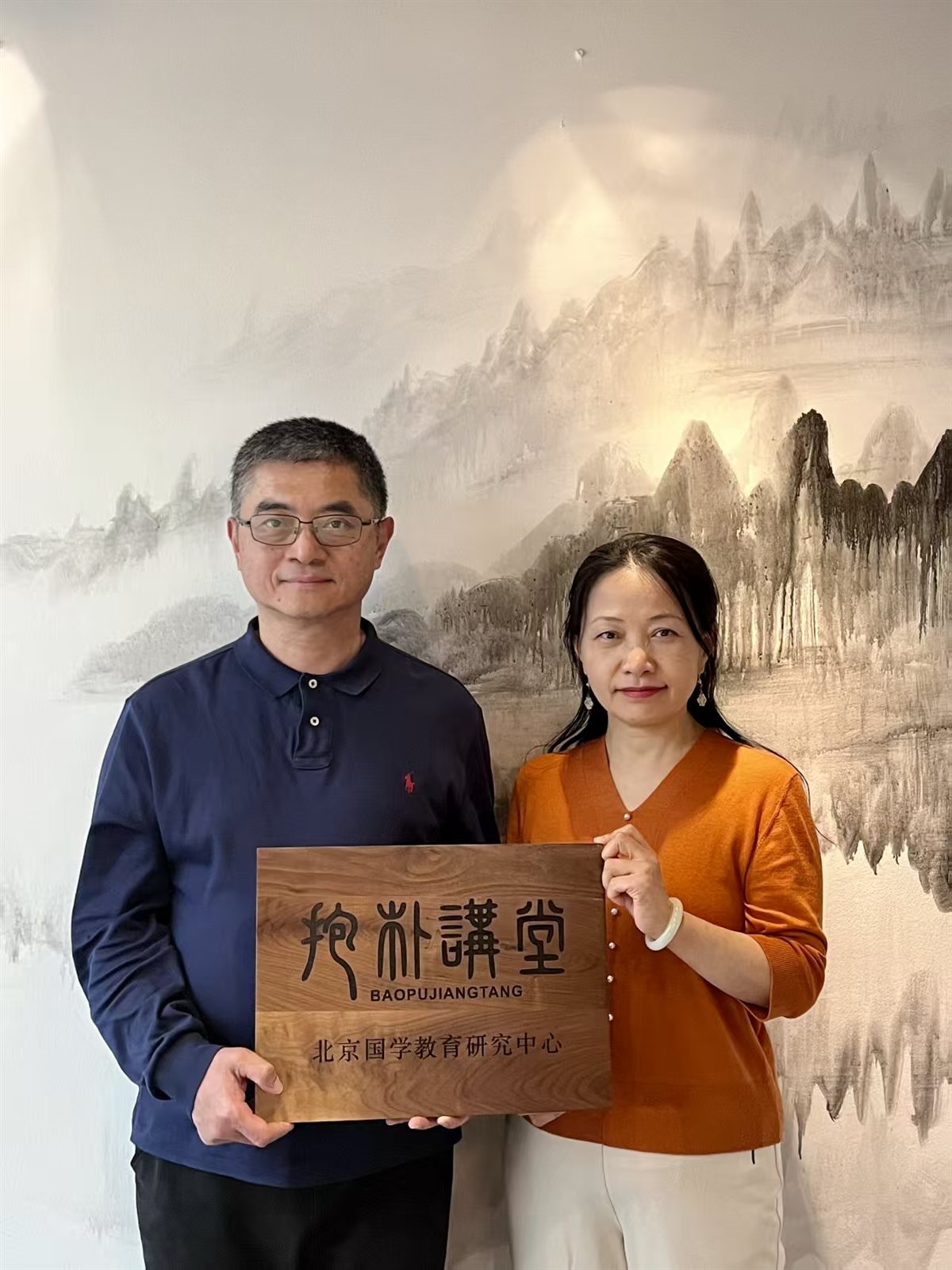
1. Congratulations to Class Monitor Mou: founding Dunlin Academy as the Baopu Beijing Center brings us much closer to Shanxi and Northeast China;
2. Students' learning: passing the baton generation to generation; being absorbed in reading is life's greatest blessing;
3. Future study: Mencius marks the beginning of an upgraded phase of curriculum reform;
4. Thesis writing: clear topic, clear outline, fitting citations, clear thesis, 6,000–8,000 words, oral presentation without reading notes, submitted one day in advance;
5. Mencius lecture notes: clear titles, chapter themes, and annotations; modern vernacular translation is optional; emphasize commentary and reflection; integrate 'Prof. Duh's Commentary' sentence by sentence; 4,000–6,000 words (Prof. Duh's commentary excluded from word count);
6. Upcoming events: summer activities of Baopu Lecture Hall including tutorial presentations, academic camps, teacher forums, academy forums, and Cohort 4 opening are all warmly welcomed;
7. Committee elections: consecutive terms permitted without limit; re-elections held annually;
8. Mencius transcriptions: thanks to Cohort 3 for compiling the audio transcriptions of 'Prof. Duh's Commentary' on Mencius;
9. Next gathering: see you in Zoucheng, Shandong, hometown of Mencius, for the Mencius presentation conference.
Senior Yanran's message to Cohort 3
Reflections from Teacher Li Bibo (Zishi):
'Grateful for Prof. Duh's dedicated guidance, and feeling the noble energy of advancing to Mencius! Tending our local soil, we look forward to the teacher's nurturing rain, and hope all trees join into a forest, growing together at Baopu to repay teacher's grace and live up to our destiny!'
Reflections from Teacher Song Qingli (Ziyu):
'Good morning, teachers!
Having boarded the return train last night, Teacher Jiao and I will soon arrive in Shenyang!
Deep thanks to the wise "Dunlin Academy" for their generous, warm, considerate, and radiant hospitality;
Thanks to Cohort 3 fellows for their tremendous energy, demonstrating magnificent learning achievements in the Analects;
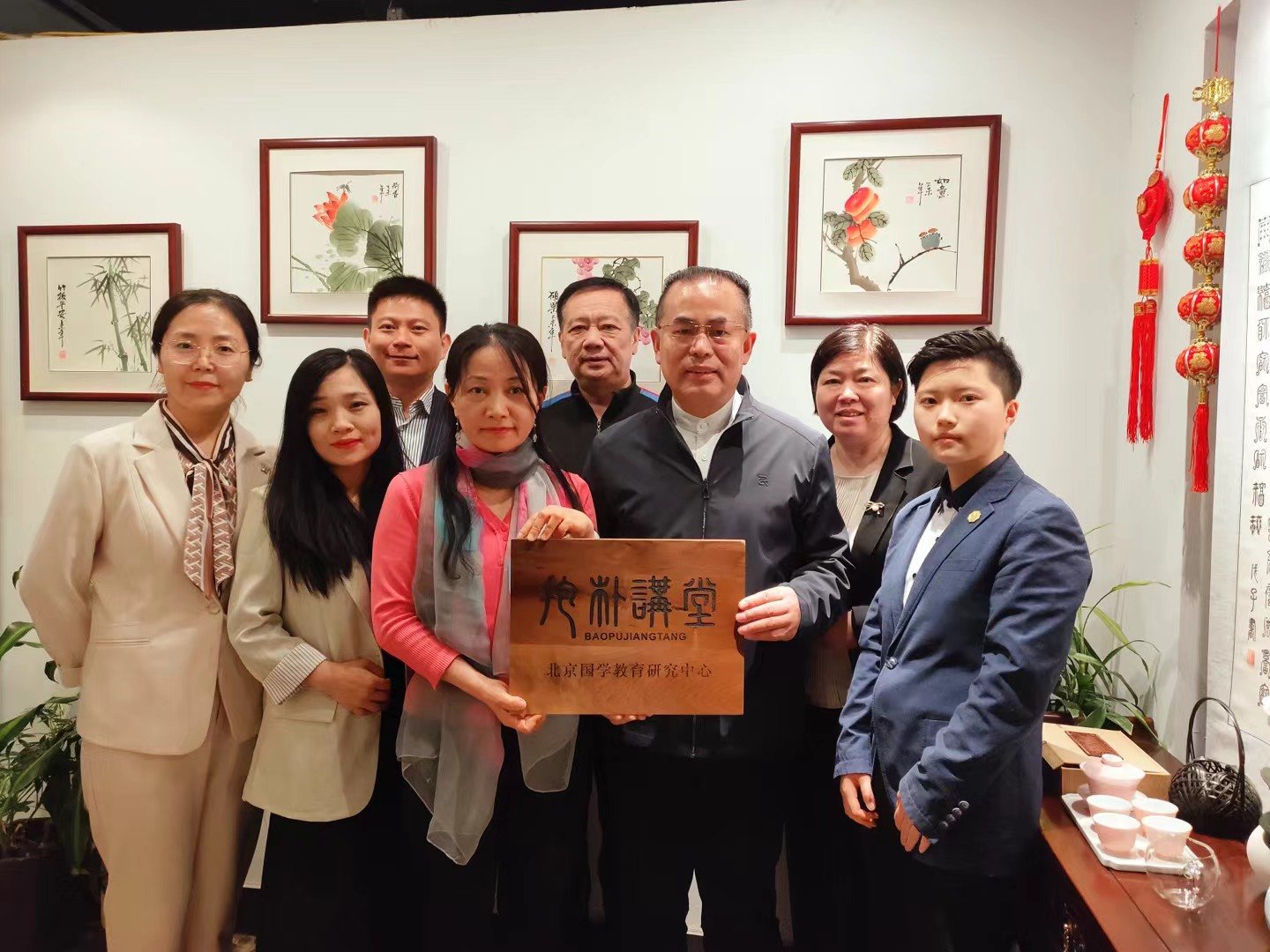
Thanks to the teachers of the Baopu Beijing Center for their dedicated service and concerted efforts;
Thanks to Cohorts 1, 2, 3, and 4 gathering together to manifest extraordinary energy;
It was a true honor and deep joy to witness Cohort 3's Analects completion celebration. Thanks to Baopu Lecture Hall's embrace and education, cheering us together, nourishing more sons and daughters of China with the classics, and making heaven and earth more beautiful. Looking forward eagerly to reuniting for Mencius—passing the baton ever higher, each finer and more exquisite!'
Reflections from Teacher Zhao Yuhui (Zizheng):
'Thanks to Teacher Song Qingli and all seniors for empowering Cohort 3's Analects conference. Following our teacher and learning from our seniors, all cohorts advance together—the future is full of promise!'
Prof. Duh Bau-Ruei's Classical Lecturer Class opens annually in June, enrolling 25–30 lecturers per cohort. Over three and a half years, students read and expound seven classics: Great Learning, Analects, Mencius, Doctrine of the Mean, Daodejing, Zhuangzi, and Yijing. Prof. Duh imparts research methods in Chinese philosophy to help students penetrate the classics, encouraging them to unite all philosophical schools and eliminate sectarian rivalry.
Prof. Duh holds that 'all dharmas share one principle.' Every school and classic has its unique problem-solving purpose and social value, without which it would not endure today. Studying the problems they addressed, their methods of resolution, and their ultimate goals ensures that one never loses direction in the vast ocean of knowledge—the essential foundation required of every lecturer.
With the Analects concluded, the next monumental classic is Mencius. We look forward to all fellows persevering, blossoming, and contributing wisdom in the world of Mencius!