“Where do you come from, my friend? Like a butterfly you have flown in through my window — who knows how many days you may stay? We have been apart far, far too long…”
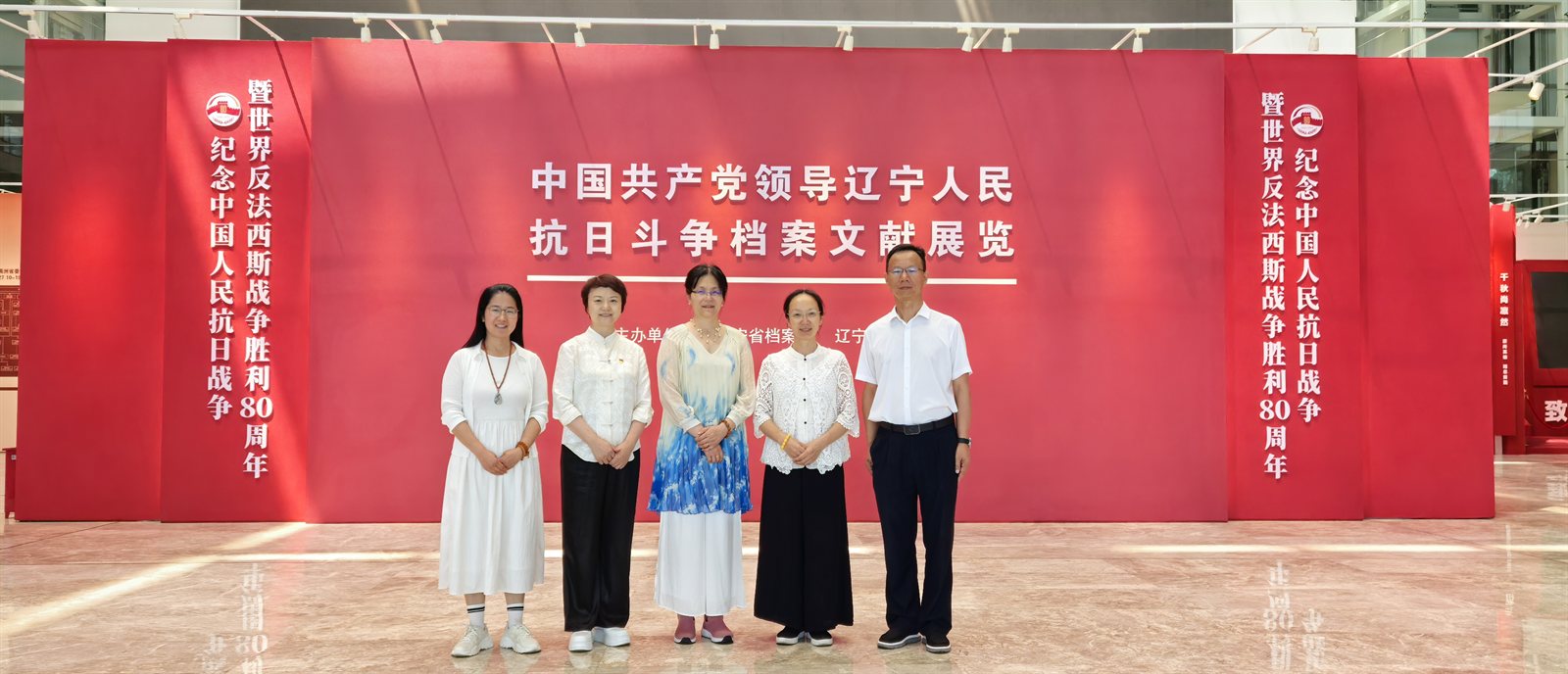
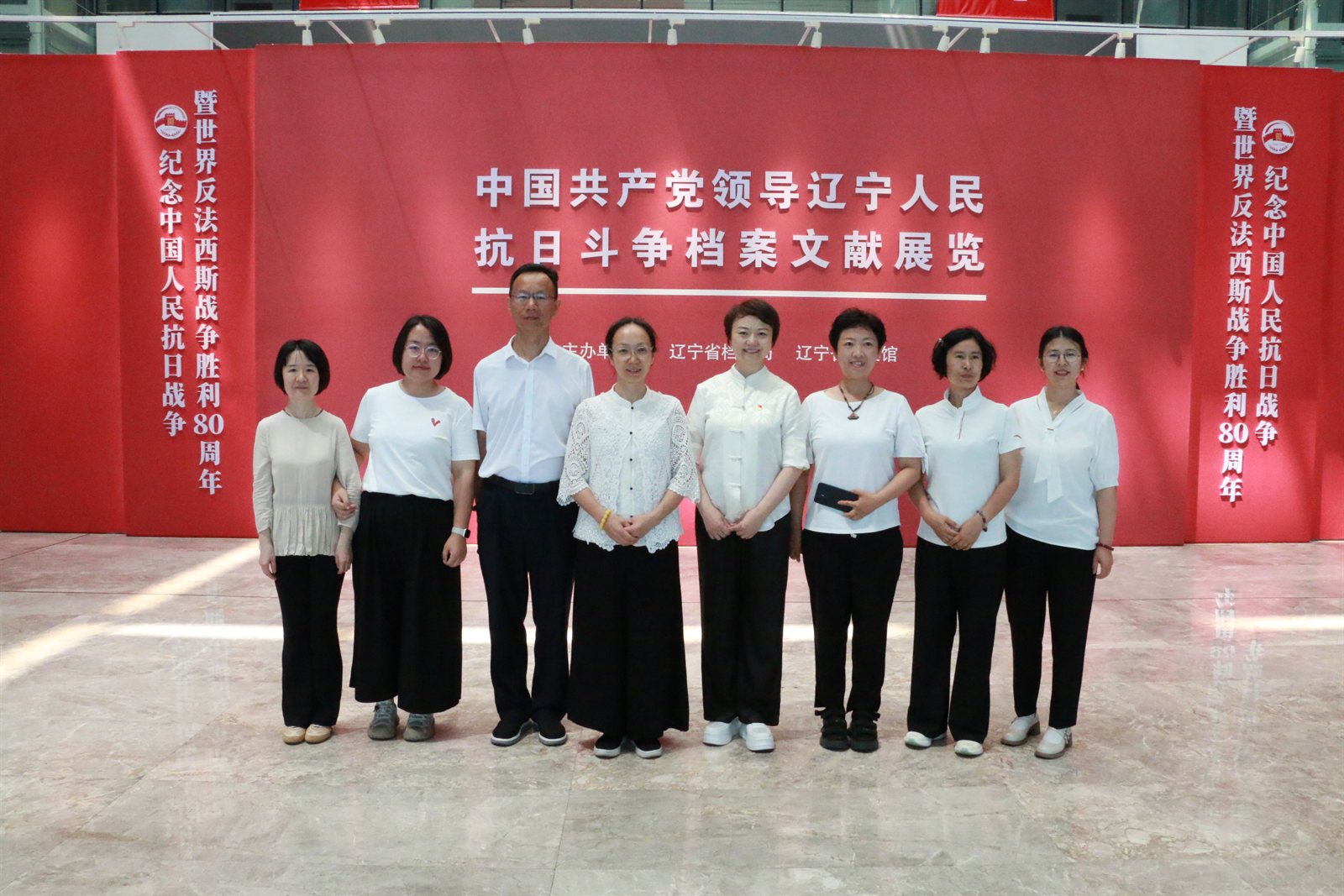
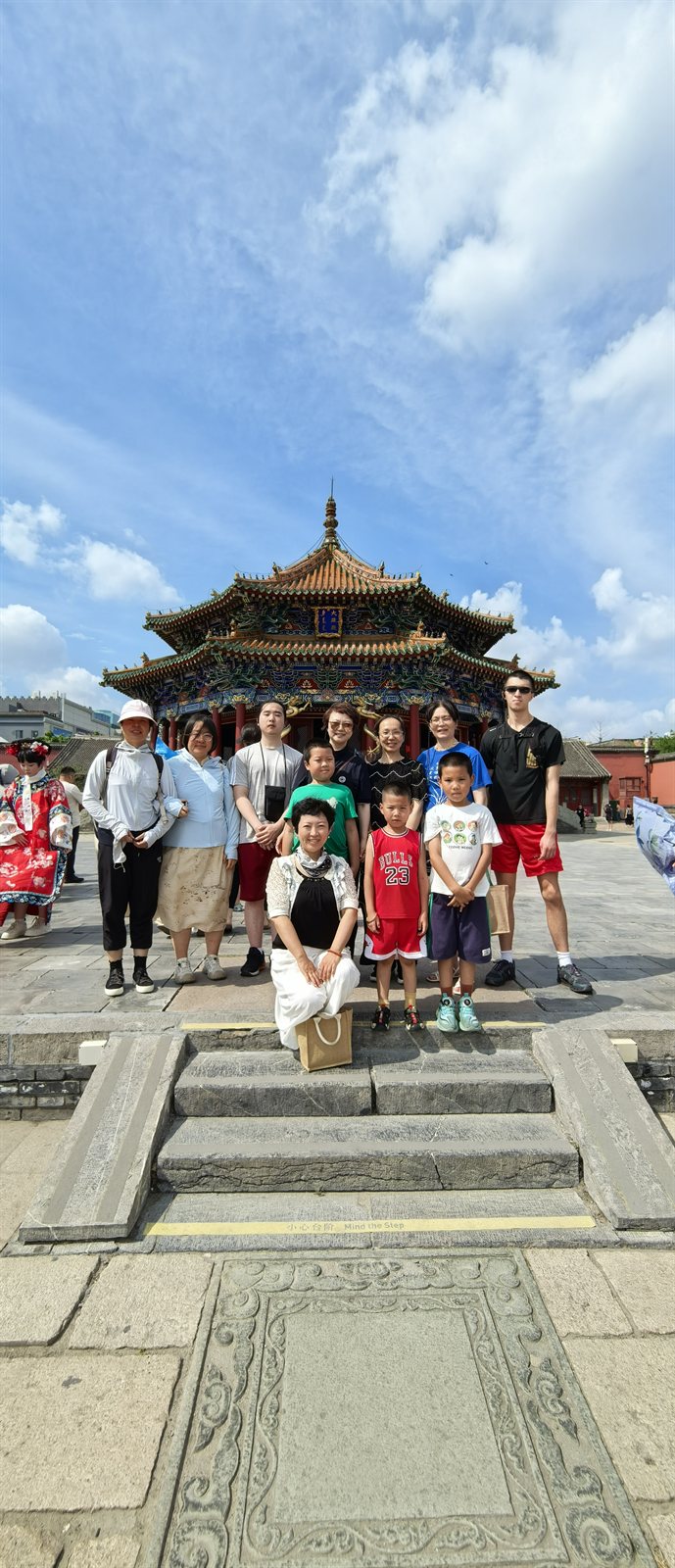
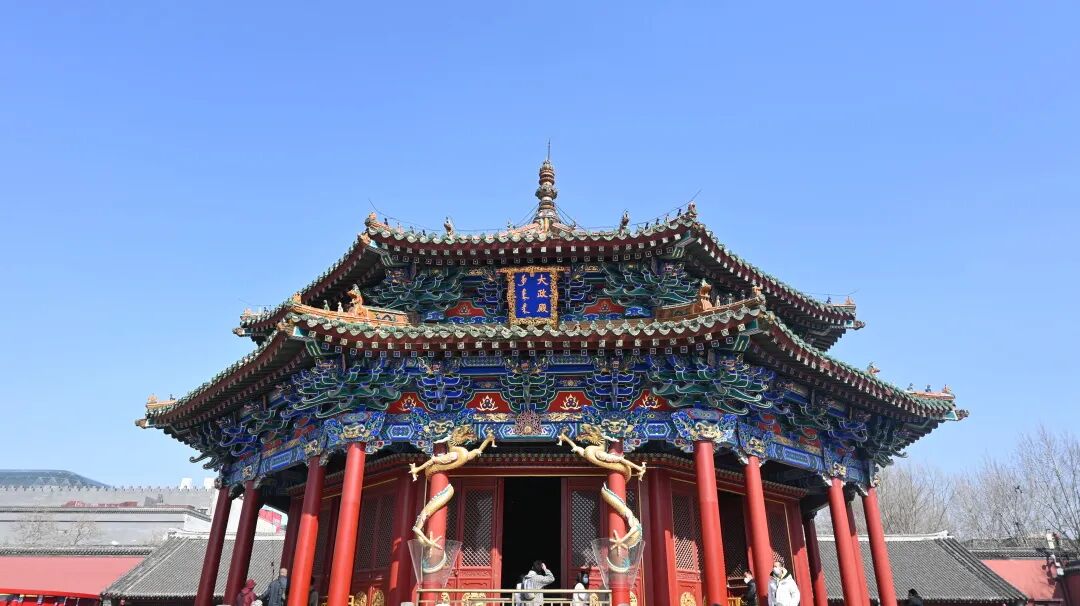
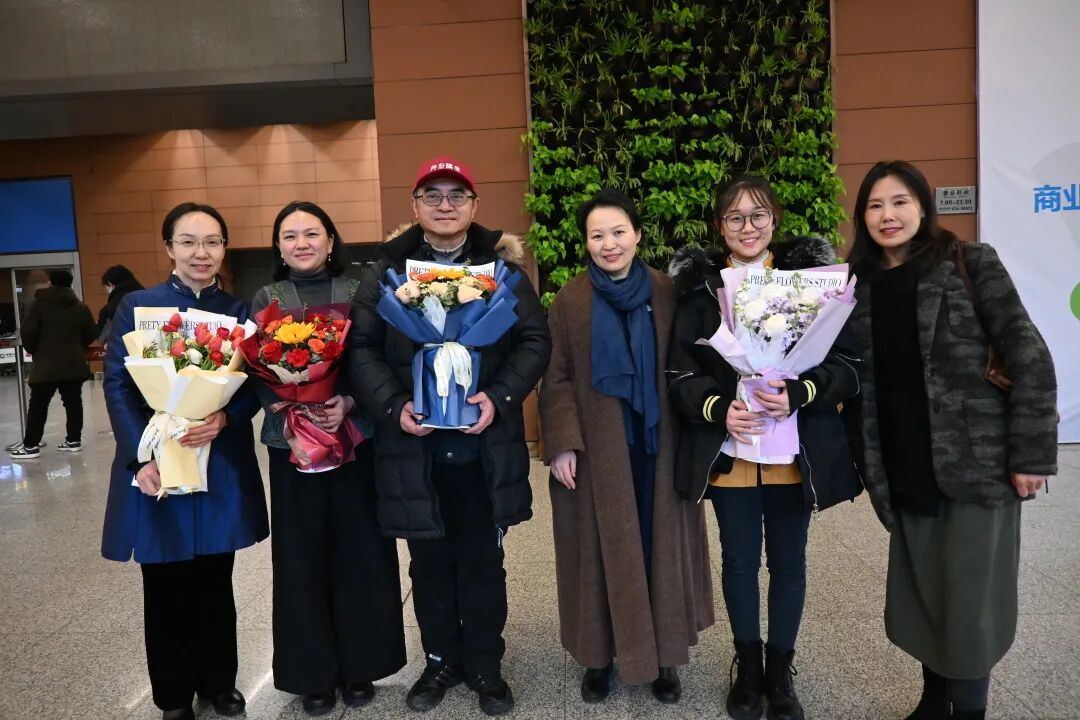
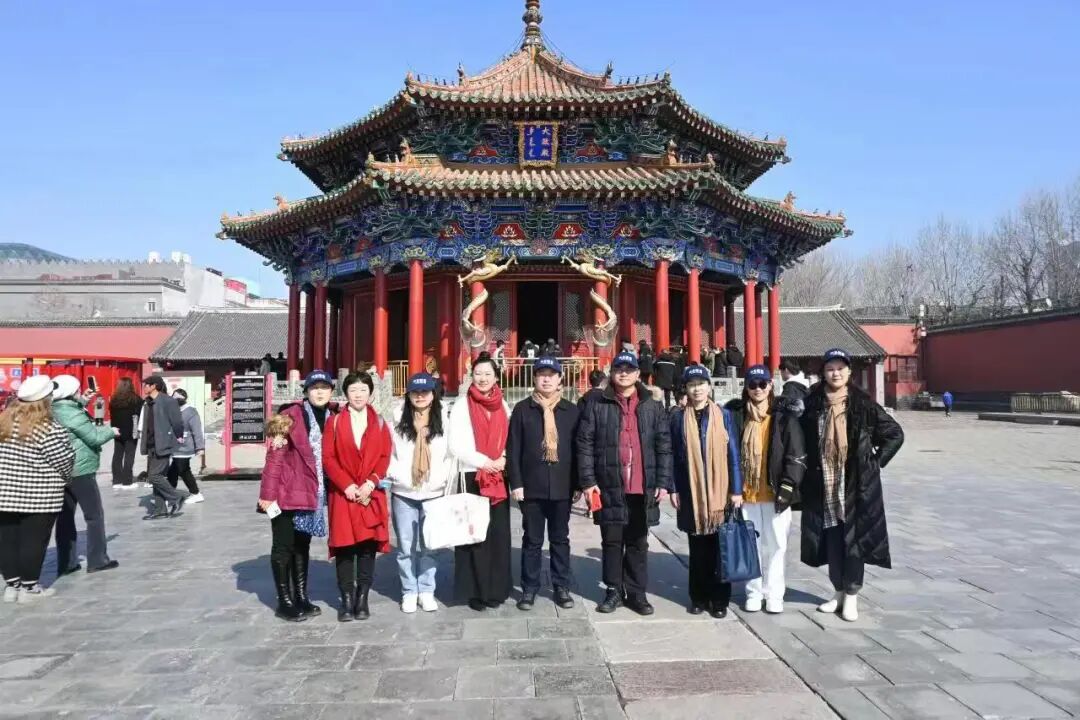
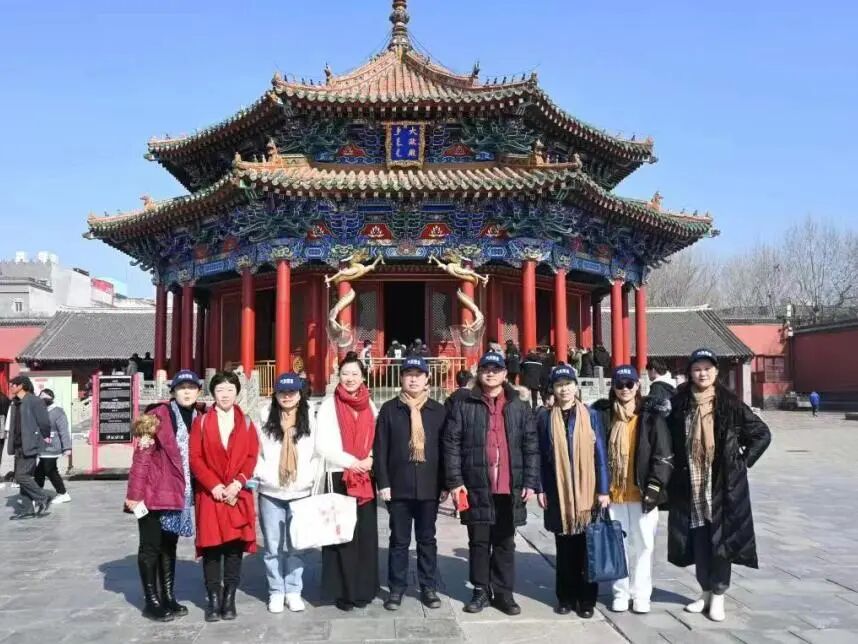
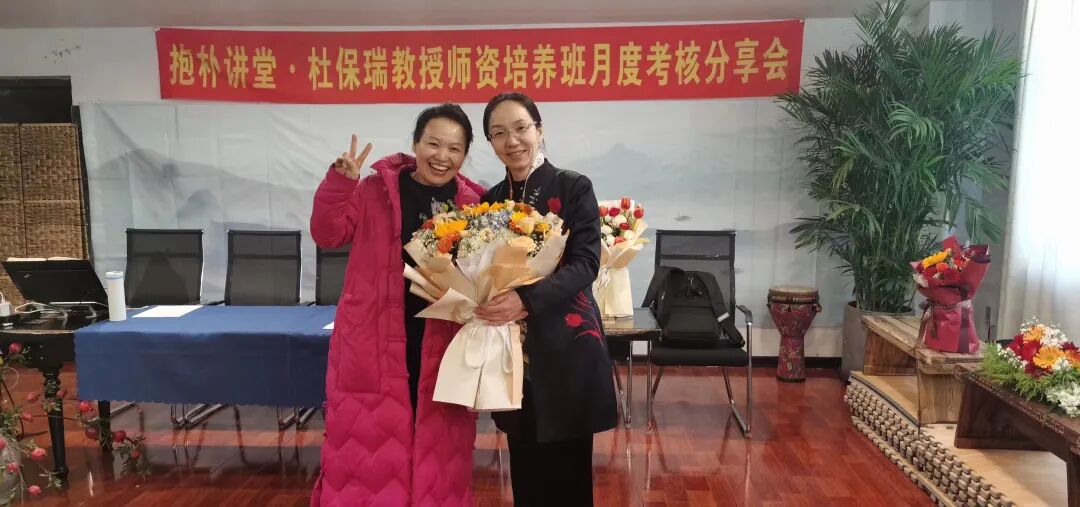
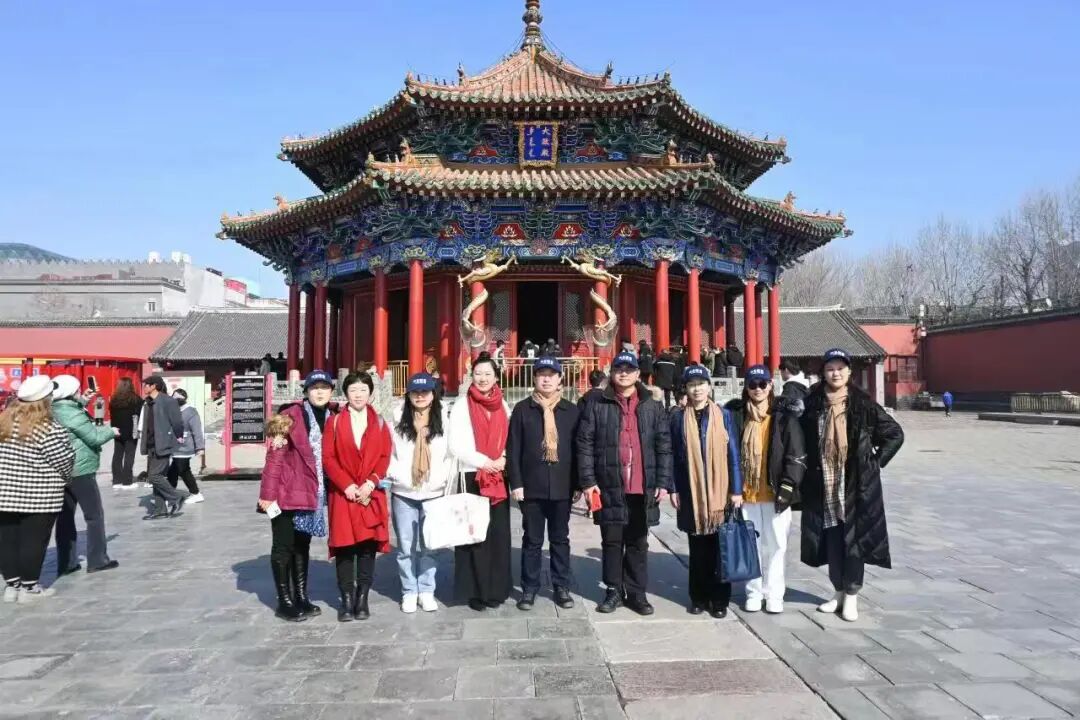
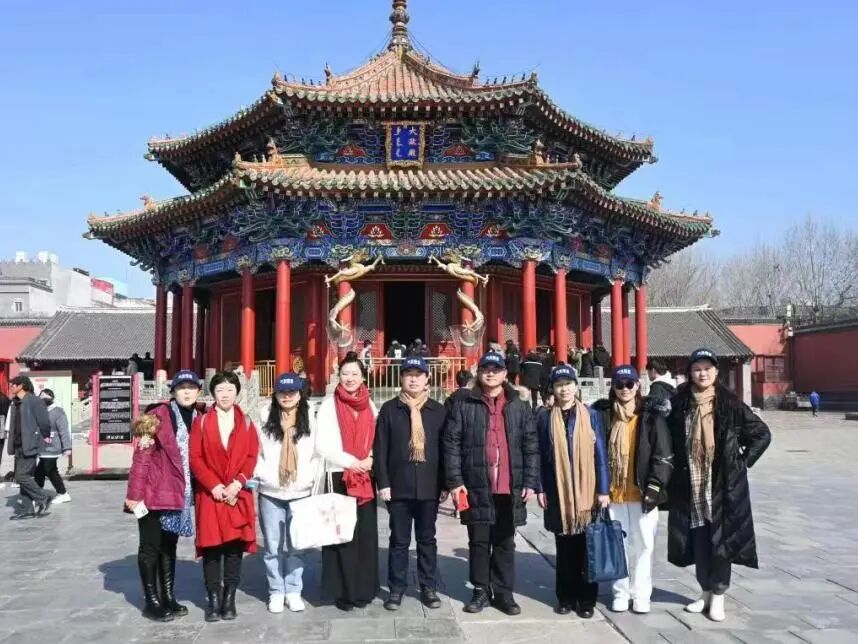
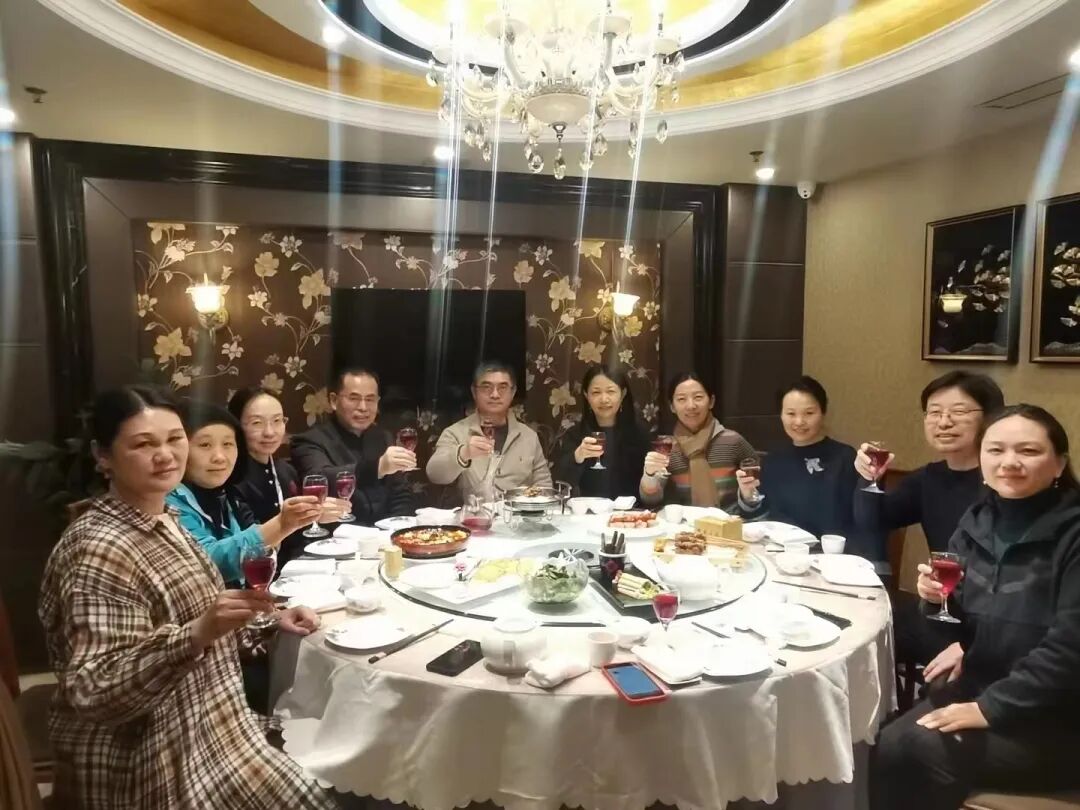
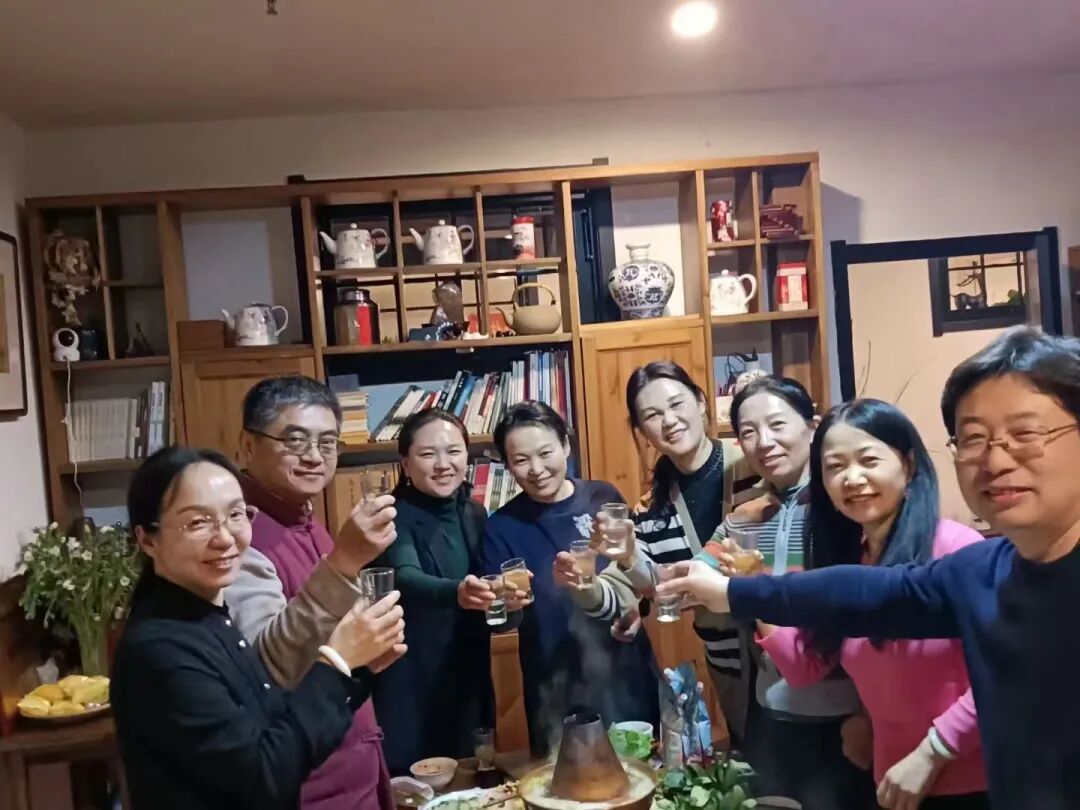
At a single call, you came, I came, he came: students of the Baopu Lecture Hall Lecturer Class gathered from all corners of the country on the banks of the Shen River in Shenyang, opening a grand gathering of the classics — “meeting friends through literature.” The trip was made possible by two students of the Lecturer Class, Zhao Li and Song Qingli, whom we nicknamed the “Two Lis of Shenyang.”
This scene exactly fits the image of the Dui (Joyous) hexagram in the Book of Changes: “The Image says: Two lakes joined together — Dui. The noble person delights in joining friends in study and practice.” “Li” (丽) means to join; “joined lakes” means two waters linked, nourishing each other in joy. Seeing this in nature, the noble person emulates it, gladly studying and practicing together with friends.
The students of the Lecturer Class are like small streams flowing together into one river. The Master said: “To learn and to practice in due season — is that not a joy? To have friends come from afar — is that not a delight?” Kong Yingda commented: “Those of the same school are companions; those of the same aspiration are friends. When friends gather to study and discuss the Way and its meaning, no joy of mutual delight surpasses this.”
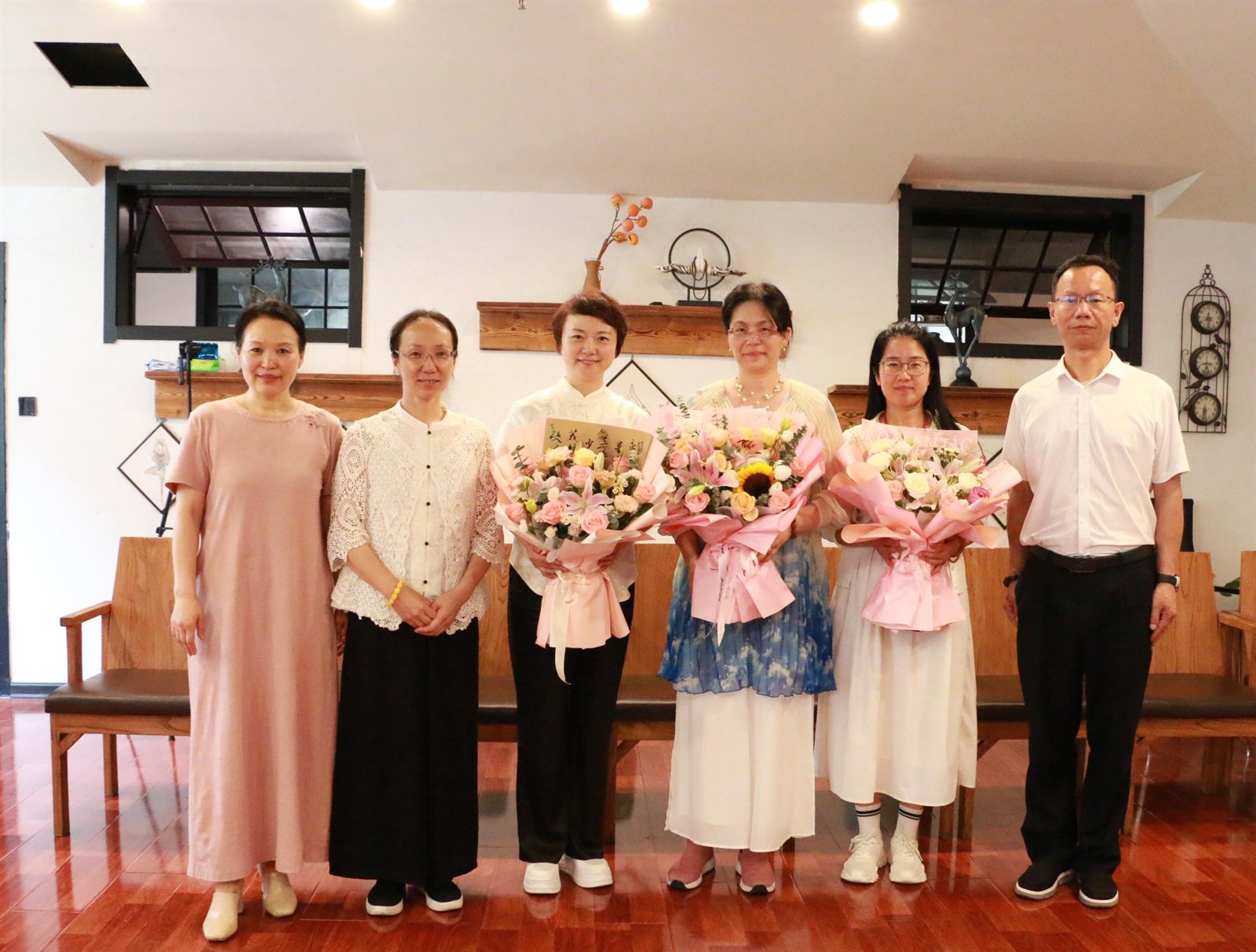
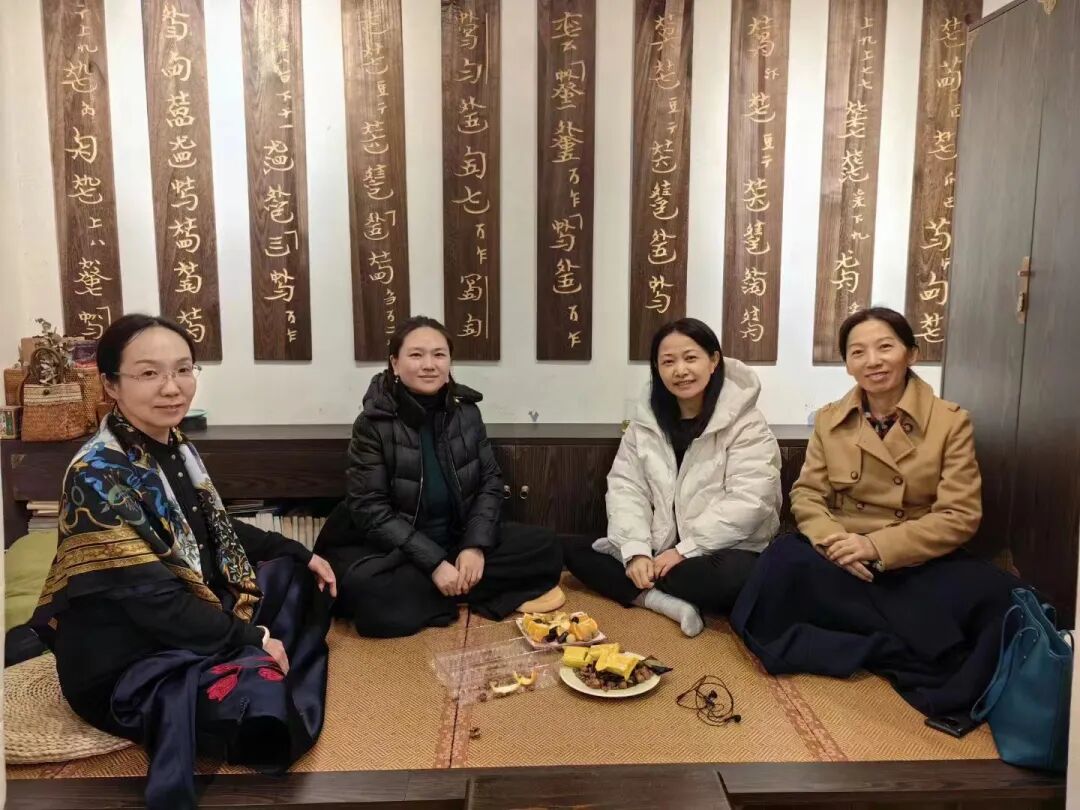
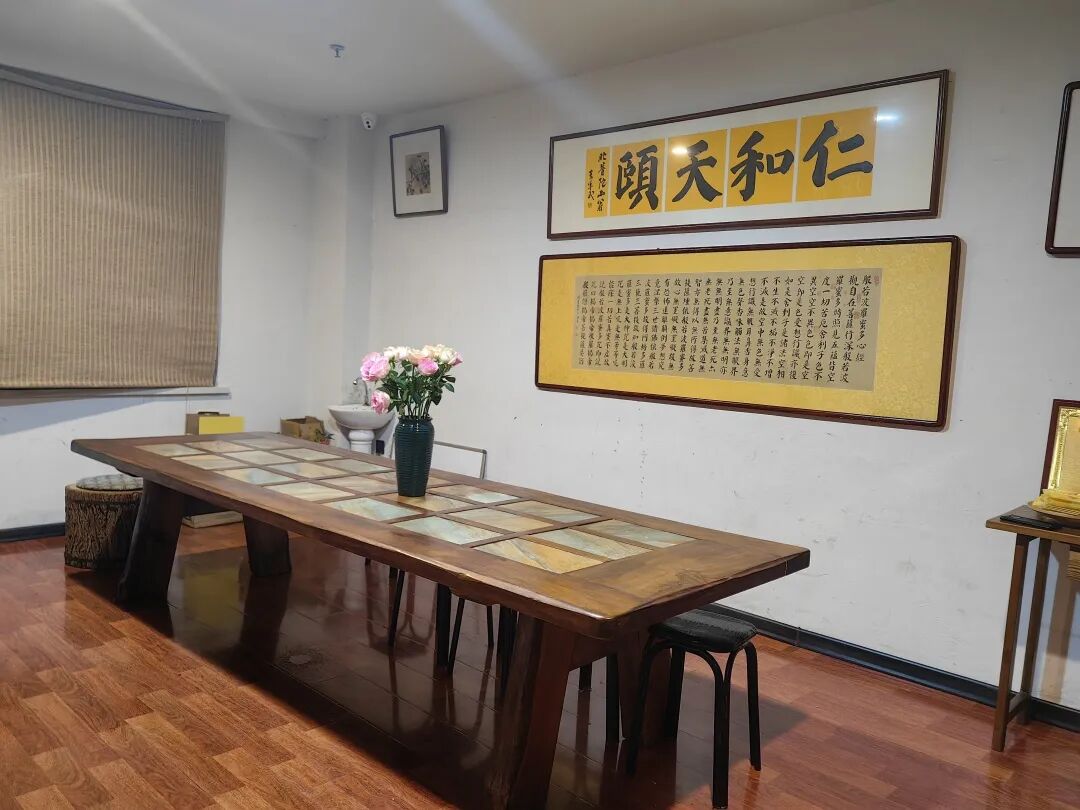
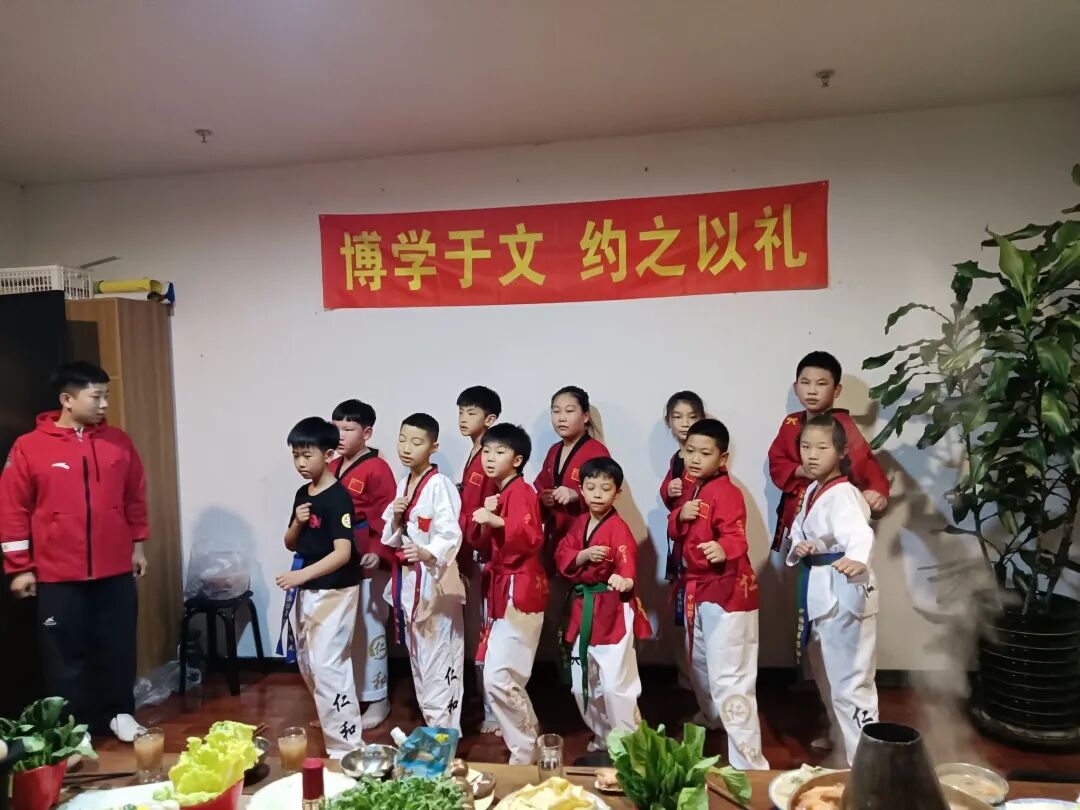
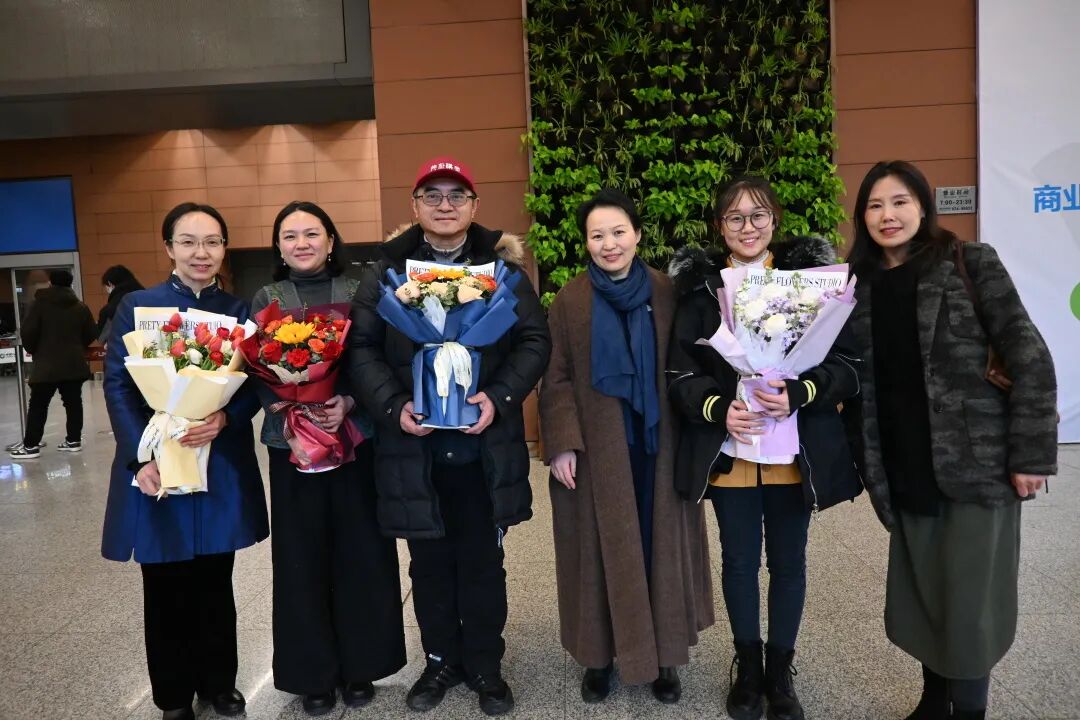
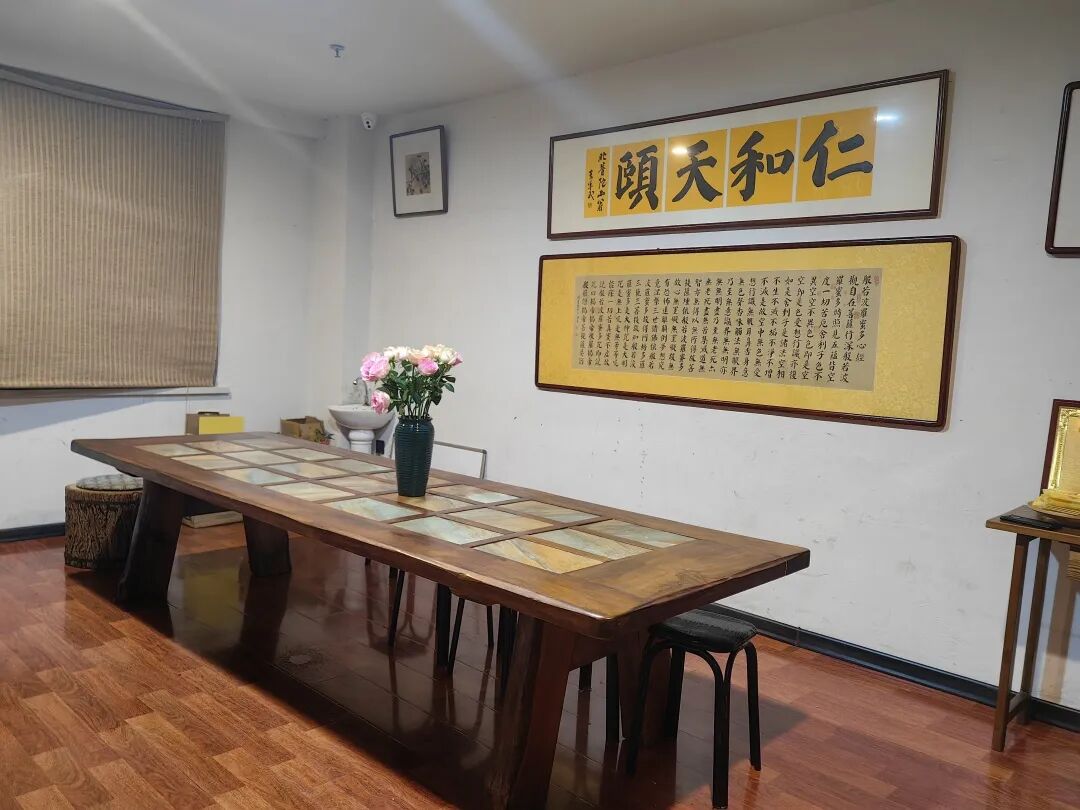
For this gathering, the “angel team” of Renhe Education began preparing early — cleaning, station pickups, meals, hotels, sightseeing, every detail considered. The classroom, tea room and music room were clean and elegant, surrounded by fresh flowers whose fragrance delighted the senses;
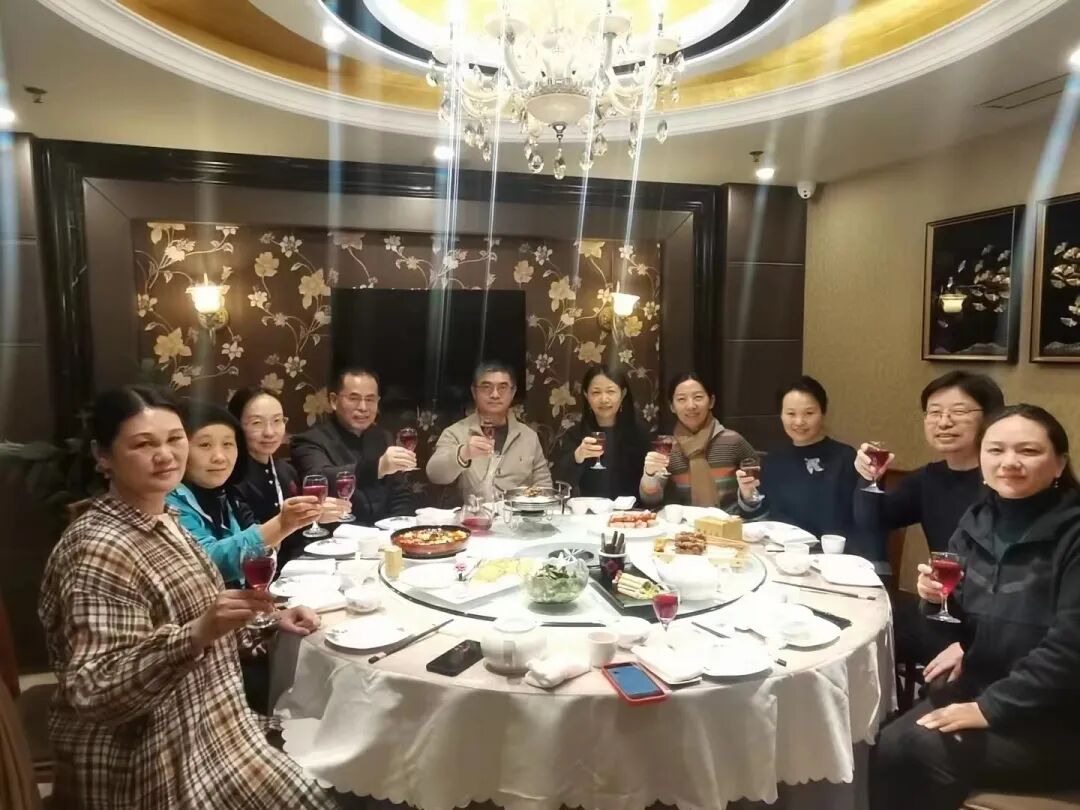
their heart of devotion to learning and the Way was utterly sincere — a perfect match for Zhong Fu (Inner Truth), hexagram 61: “Nine in the second place: A crane calling in the shade, its young answers it. I have a good goblet; I will share it with you.” Sincerity resonates between hearts, fine wine is shared in joy, and this beautiful gathering came about as naturally as water finding its course.
From the launch of the Lecturer Class last July until today, five months of studying the Analects have passed. Weekly group study and monthly assessments were mostly held at the Baopu Lecture Hall headquarters in Shanghai.
This trip to Shenyang — the second offline session hosted in a student's home city, after the trip to Xinzhou, Shanxi during last National Day holiday — had the task of completing the fifth month's assessment.
The assessment took the form of the teacher examining the month's assigned texts chapter by chapter, after which students presented their study reflections in slide form on the month's themes: “Dispelling Confusion,” “Honoring Ritual,” and “Asking about Benevolence.”
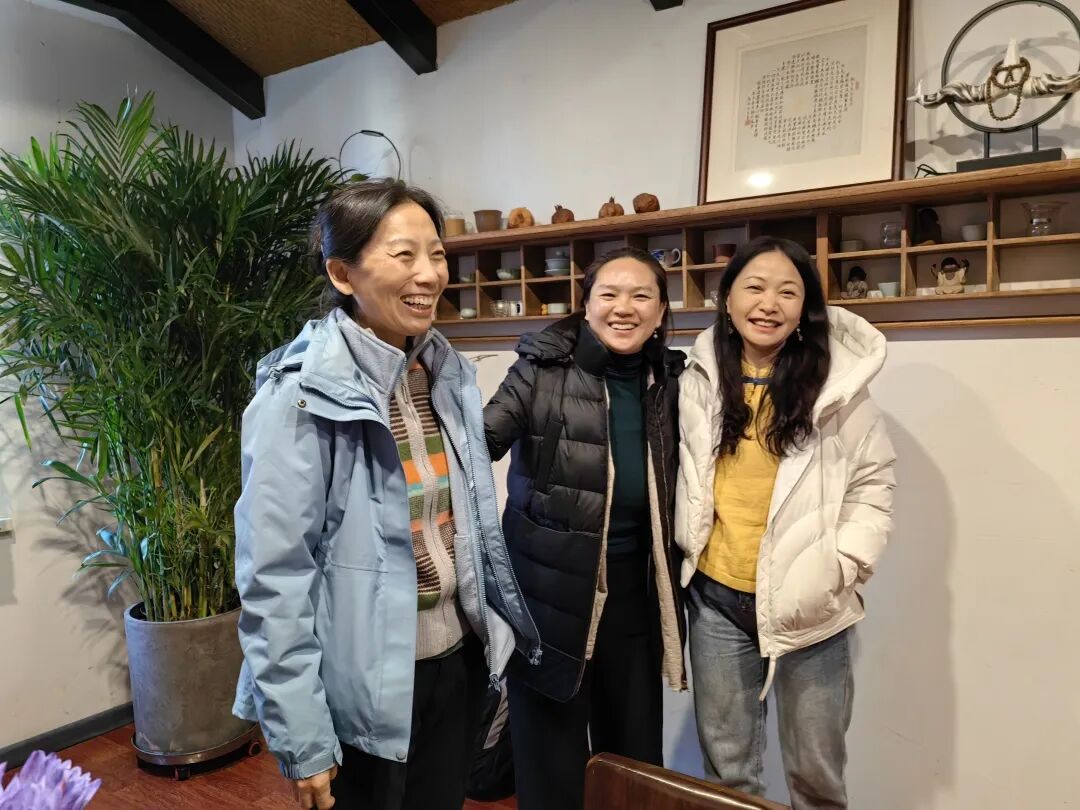
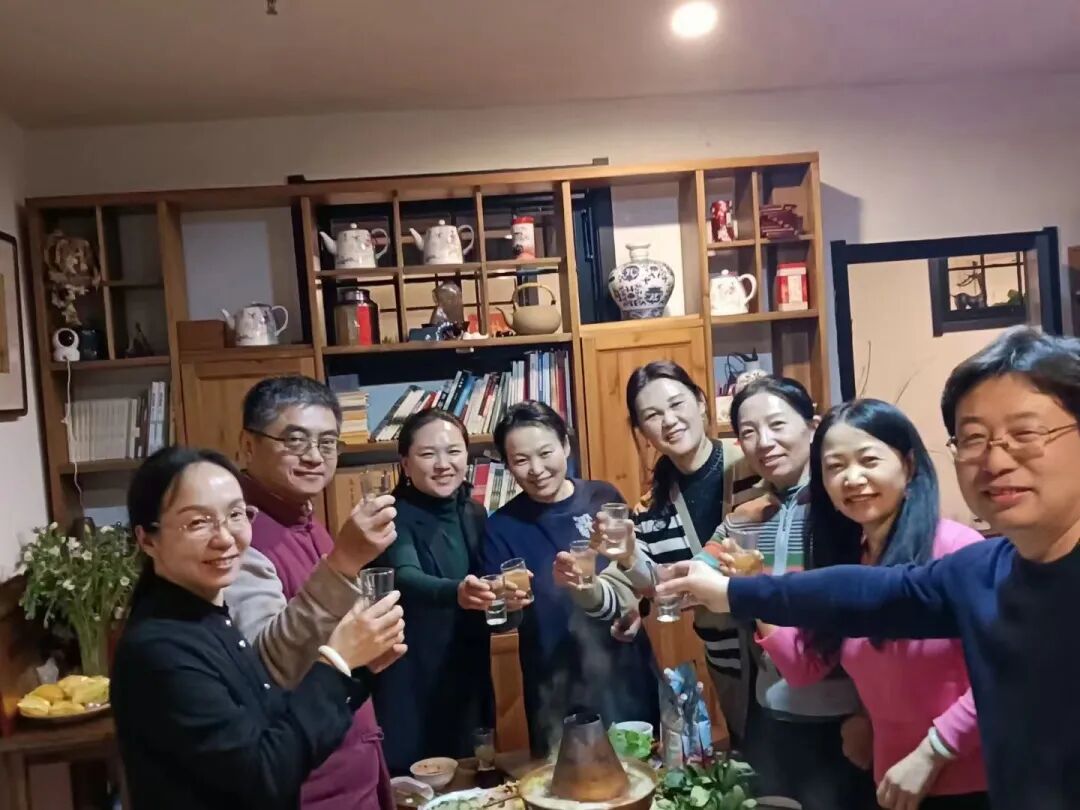
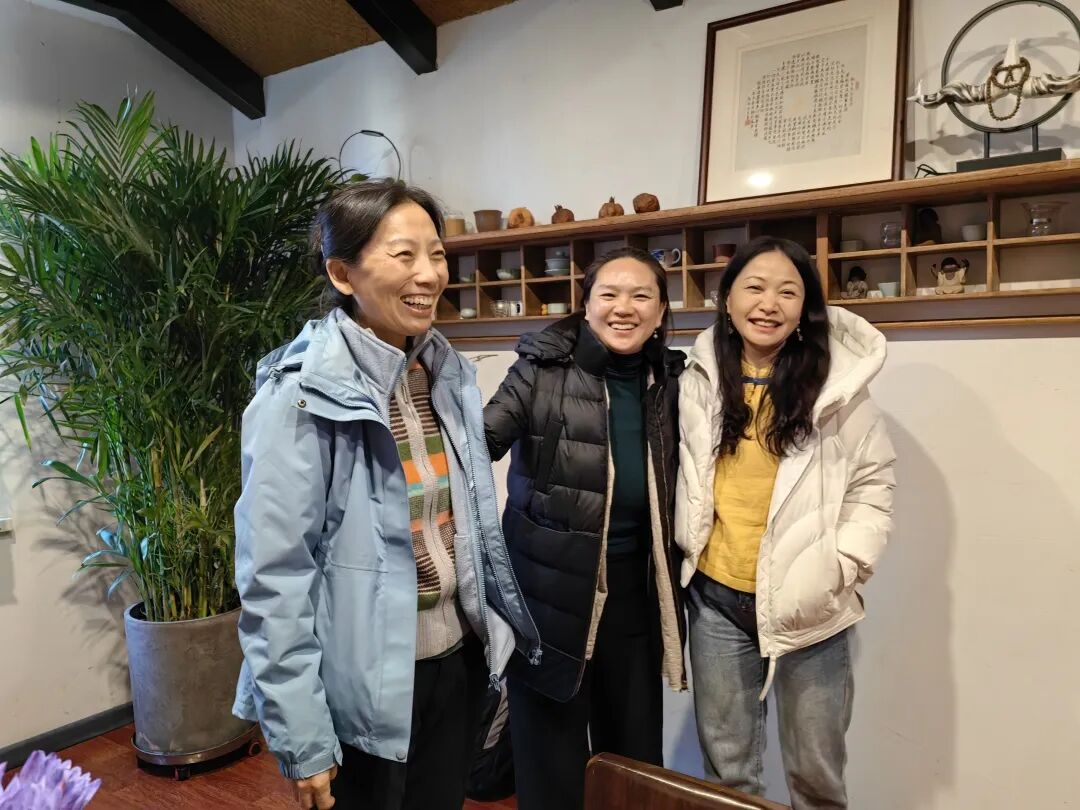
Although we meet online every week and know each other's faces well, meeting in person — with no screen between us — moved everyone deeply. Handshakes and embraces came unbidden; it felt like meeting old friends, and we only regretted not having met sooner. After a brief, joyful reunion, everyone quickly turned to study, preparing for the teacher's assessment.
The “Two Lis of Shenyang” have studied the Chinese classics for years. Ms. Zhao Li founded Renhe Education; for seven years she has risen at 4:30 every morning, leading the friends of the Renhe Reading Society in reading the classics together.
Ms. Song Qingli met Ms. Zhao Li through running a family classics-reading school; since then the “Two Lis” have worked hand in hand to promote the classics — a truly distinctive undertaking.
The Master said: “Virtue is never alone; it always has neighbors.” After the first Baopu Lecturer Class was founded, the “Two Lis” became its students — like giving wings to a tiger — and so this study trip came to be.
02
Polishing One Another Through Study
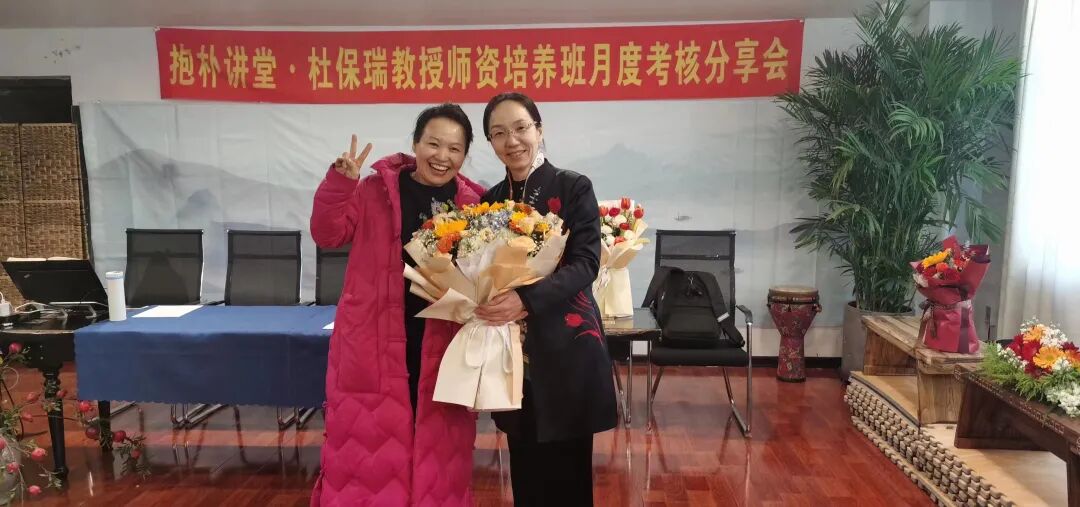
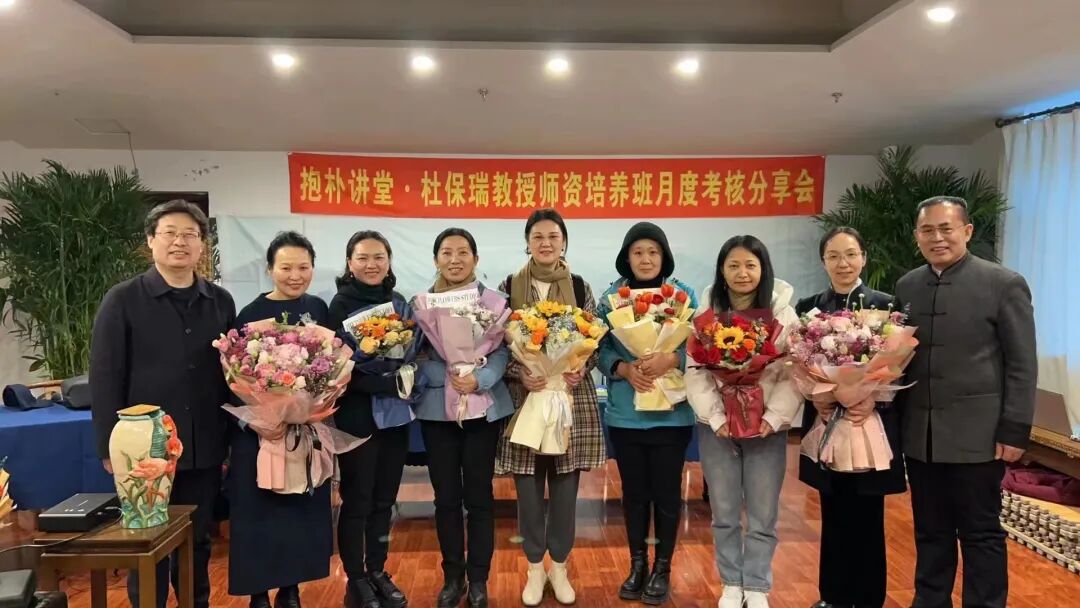
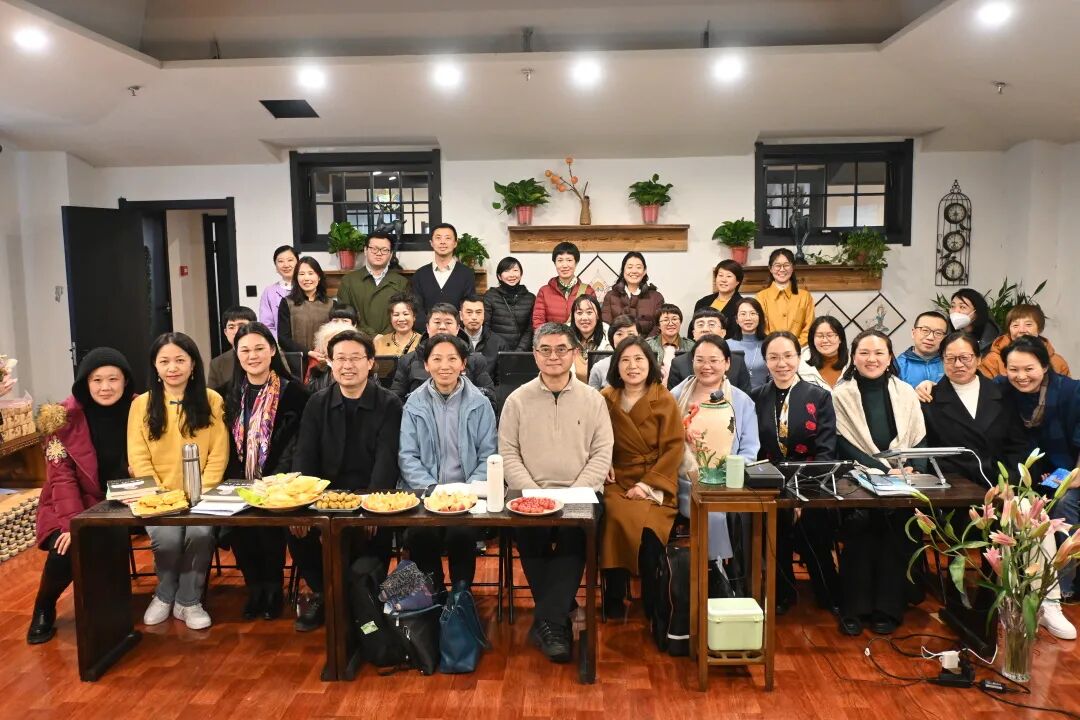
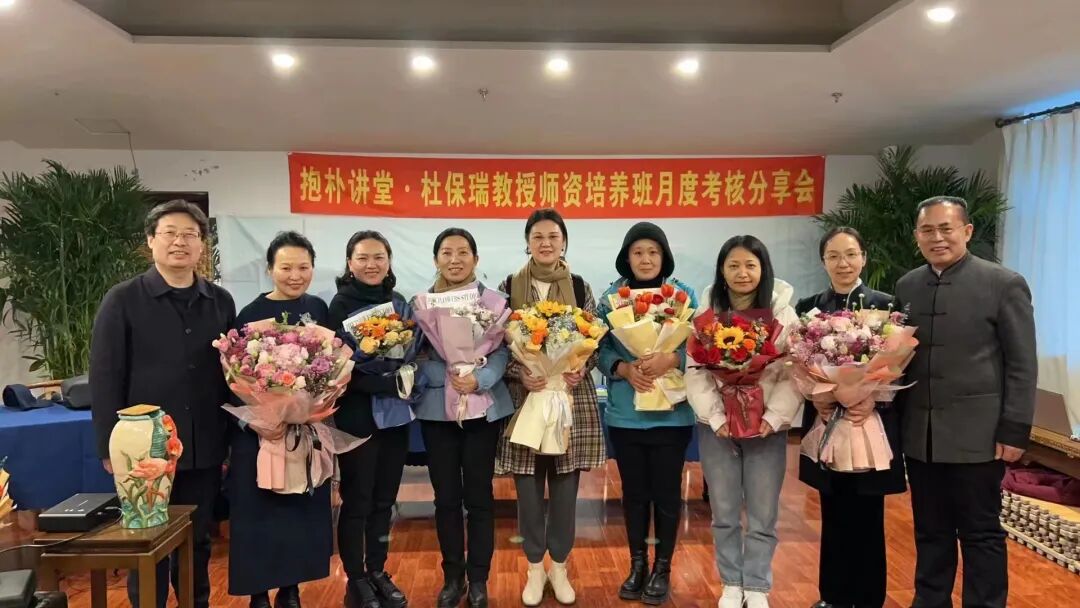
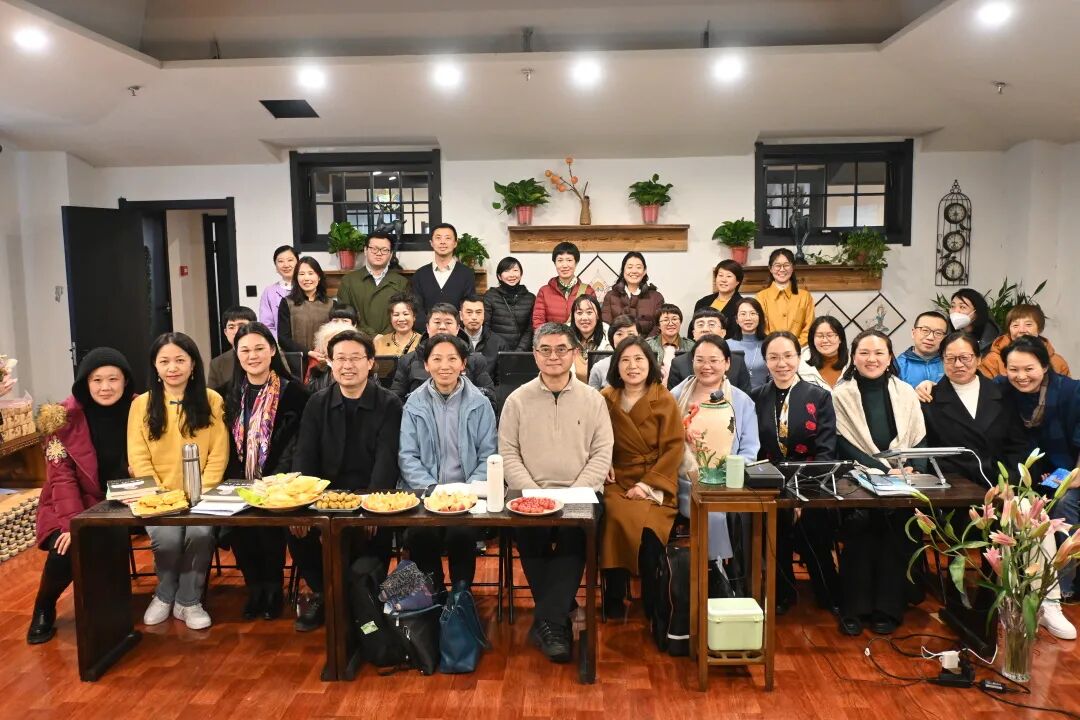
On March 4, the month-end assessment formally began: 23 students, online and offline together in the “nine-grid” classroom, faced the examination. The assessment covered three themes — Dispelling Confusion, Honoring Ritual, and Asking about Benevolence. Its aim: correct understanding, accurate interpretation, entering deeply into the classics, and making them one's own.
“Dispelling confusion” means keeping a clear head as a person. Yet people do self-contradictory things: to love and hate at once is confusion; to rage heedless of danger is confusion. Once such simple principles are sorted out here, the mind becomes clear;
“Honoring ritual”: Confucius's highest values are benevolence (ren) and ritual propriety (li). Ritual is fitting conduct flowing directly from a benevolent heart. Confucius prized ritual, which is also the fundamental law of governing a state. Here we can see his view of “subsuming ritual under benevolence.”
“Asking about benevolence”: “Confucius spoke of accomplishing benevolence; Mencius spoke of choosing righteousness.” A benevolent heart may be called the very core value of Confucius's thought. How did Confucius discuss benevolence? How does a person bring a benevolent heart into play? This section is the highest principled norm of Confucius's values.
Students unfolded their study and insights on the month's classical themes from many sides: studying Confucian thought; learning from Confucius to become a benevolent person; Confucius's rituals of food and drink;
Confucius's emphasis on “ritual” as seen in clothing; ritual in the Analects; on “ritual” starting from An Jiu's song “Land of Ritual and Propriety”; the cultivation of benevolent virtue; Confucius on “benevolence”; statecraft in the Analects and its applications, and more. The twelve-minute reflection reports gave everyone learning and insight from many different angles.
Professor Duh Bau-Ruei responded to each student's report one by one, pointing out precisely where the sorting-out was unclear or incomplete, so that students truly benefited.
Professor Duh encouraged the students: the assessment is not about taking first place — though first place matters, we must never approach it with a “passing the test” mindset. Rather, internalize it as your own ability and then present it. Most important is to grasp the Analects' distinctive situations and flavor; only then is understanding correct and application accurate.
Assessment is only a means; the real work is done in ordinary times. Beyond what you presented yourself, all the classical texts assigned for this month should be studied deeply and sorted out clearly.
On how to produce an excellent presentation, Professor Duh has always stressed the importance of titles: the clarity of a title comes from the clarity of one's problem-awareness; when the problem is clear, the title is clear;
second, every subheading must fit the text beneath it;
and third, headings must be clearly layered and logically rigorous, never overlapping or containing one another. Only then is a presentation a qualified one.
Ms. Cai Fang (Zishi)'s “Confucius's Rituals of Food and Drink” and Ms. Zhang Minxuan's “Confucius's Emphasis on Ritual as Seen in Clothing” stood out as models: hitting the problem squarely, logically clear, with titles and text in perfect fit. The teacher aimed at each case with the right remedy, and every student benefited deeply.
One of the hosts, Ms. Zhao Li (Zibang), presented on “Searching for the Butterfly in My Heart.” Drawing on her own journey of running public-interest classics study, she expounded the Analects line “The Master gained it by being gentle, kind, respectful, frugal and yielding,” letting us feel more deeply the true meaning of “possess it within and you become it without; if you bloom, butterflies will come.”
In Professor Duh's “fourfold framework,” “if you bloom” belongs to the theory of cultivation (gongfu): it concerns the core value-consciousness of Confucianism — benevolence. One should have a benevolent heart, care for society, serve society, and make this world better day by day;
“butterflies will come” belongs to the theory of the attained state (jingjie): do the work of benevolent self-cultivation and become a noble person, a worthy, even a sage, and you will naturally attract your own kind. As the Book of Changes says, “things of a kind gather, creatures group by kind.” Those of like temperament get along naturally; those of shared aspiration naturally gather together — exactly the theme of this joint study, an aftertaste without end.
03
The Baopu Disciples Gather
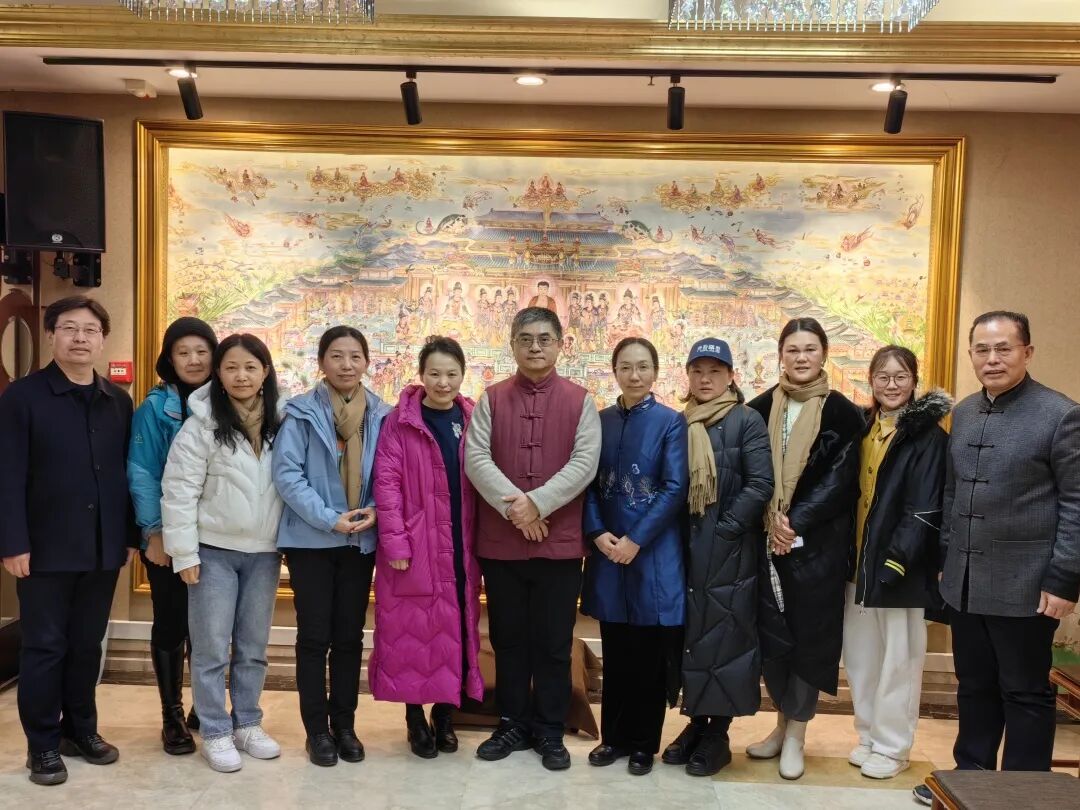
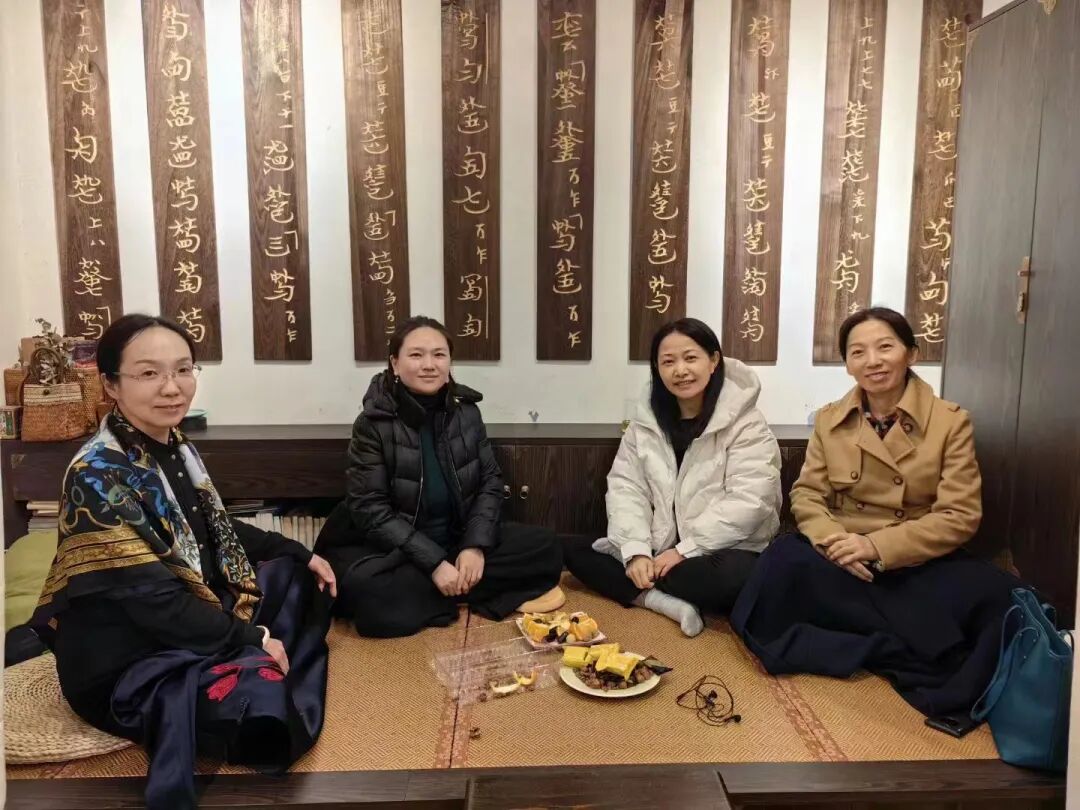
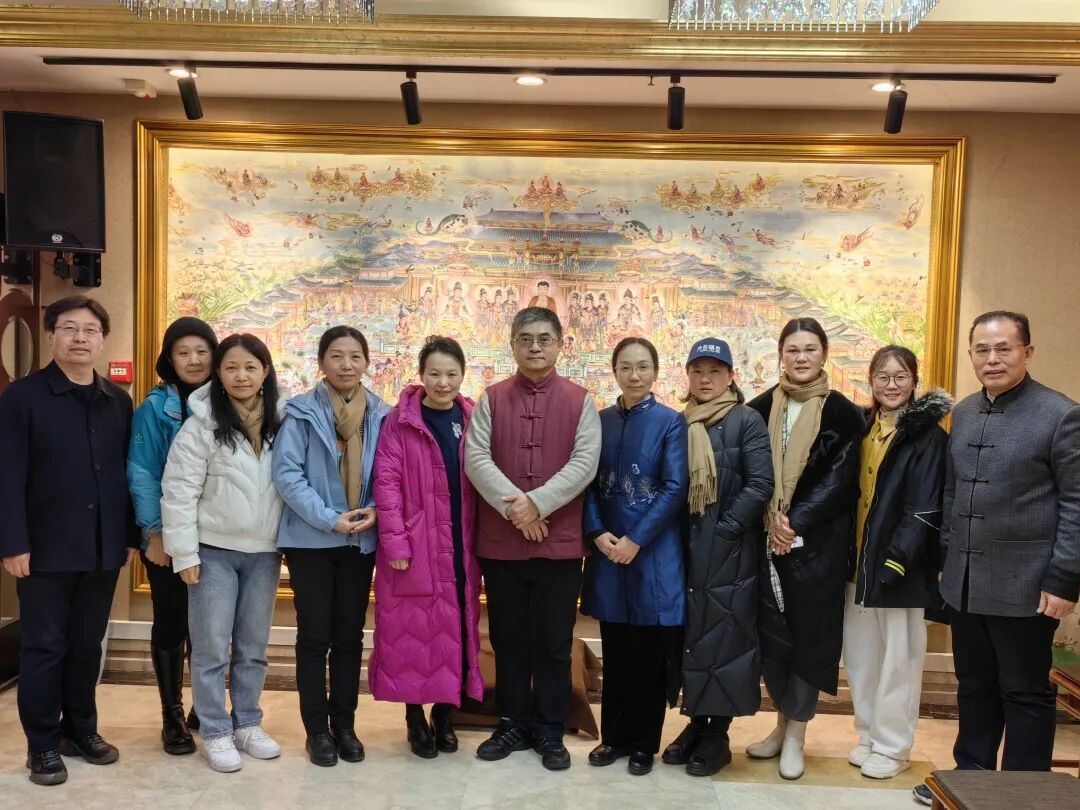
The most exciting moment came when Professor Duh bestowed courtesy names on the friends present: Zibang, Ziyun and Ziyu of Shenyang; Zishi, Ziyue and Zibo of Beijing; Zigeng and Zimu of Shanxi — each fitting the person's character and temperament. Ms. Song Qingli (Ziyu) beautifully called it the “Gathering of Baopu Disciples” (Baopu Zi Ji).
Everyone savored the deep meaning of the name the teacher had given them, deeply grateful for his earnest hopes: “All rejoiced greatly, and received it with faith and practice.”
This study trip presented the three joys of the Confucian school: first, “learning applied” — to learn and practice in season is a joy; second, “befriending the worthy” — “friends studying together,” friends coming from afar is a delight; third, “keeping a good state of mind” — not to be resentful when others do not know you: is that not the noble person?
The third is crucial. Life is not smooth sailing; even Confucius met all kinds of hardship, let alone us. If you bloom and the butterflies do not come, what then? Recognize yourself. Confucius set us the example: “In success, benefit all under heaven; in obscurity, benefit all generations to come.” What magnanimity!
Professor Duh said: Confucians care about the world even more than kings do; they regard the world as their own responsibility — “The practice of benevolence comes from oneself; does it come from others?” In Ms. Zibang's words: life's bitterness and joy are both steps of our success, gifts in disguise. Do not be anxious over momentary gain or loss; little do we know, Heaven's arrangement is better and more thoughtful than our own choice.
Seen at the time, Confucius seemed born at the wrong moment, poor and frustrated; seen across time and space, precisely because he never attained position, we have Confucian teaching and the Teacher of Ten Thousand Generations. Is that not a blessing?
Four days flew by in the blink of an eye, and soon it was time for each to head home. Ms. Yanran improvised a poem, “Farewell to Shenyang”:
In the northland are two Lis, firm yet gentle in grace;
Reading the classics day by day, Renhe breathes fragrance;
Seven years as one day, devoutly cultivating;
One morning the thought arose, auspicious air filled the hall;
Butterflies came from all directions, lotuses bloomed one by one;
Sweet dew met the words of Dharma, swallows returned home;
Qipan Mountain smiled, the Hun River danced;
Baopu's Zimu and Zigeng, Zishi, Ziyue, Ziyu, Zibang, Zibo!
Ms. Ziyu composed “May We All Live Our Highest Version in This Life”:
A sacred scene of classics, beauty beyond measure;
Purple air comes from the east — keep the auspicious spirit;
In Shenyang, the ancient capital, all the worthies gathered,
Flowers in full bloom, swallows dwelling in transcendence;
Renhe Lecture Hall — the Gathering of Baopu Disciples.
Ms. Ziyu's father also composed a poem:
“Baopu Lecture Hall” journeys to Fengtian,
“Renhe Education” invites the sages and worthies.
Professor Duh Bau-Ruei, teacher of the “classics,”
Leads teachers and students in spreading the Confucian and Daoist way.
The culture of Huaxia shines in splendor,
Cultivation reaches far, earnest practice goes first.
Spreading goodness and beauty bears rich fruit,
Peaches and plums fragrance the whole earth.
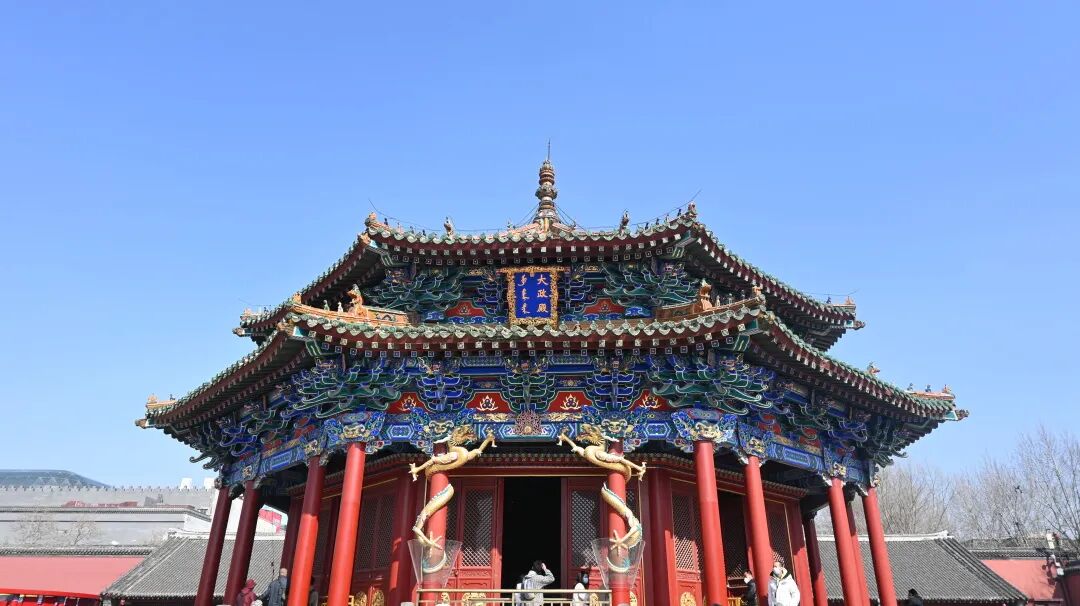
In life there are meetings and partings; only those of the same aspiration can long remain friends, and only those on the same road can accompany each other far. With a wave of the sleeve we bid Shenyang farewell — but friendship lasts forever.