— Notes on Baopu Lecture Hall's 4th Philosophy Academic Camp
【DAYS: Aug 15–21, 2023】
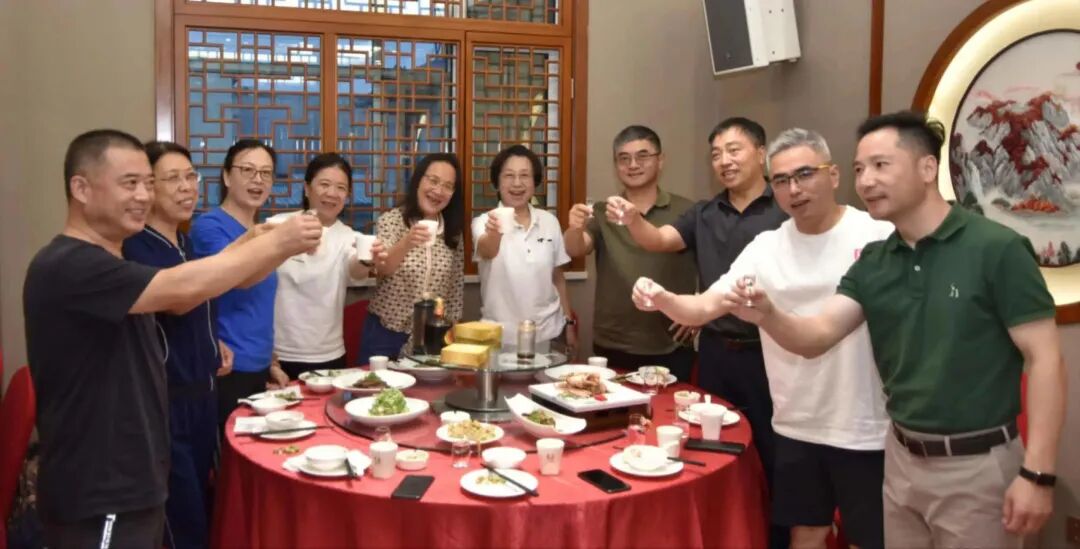
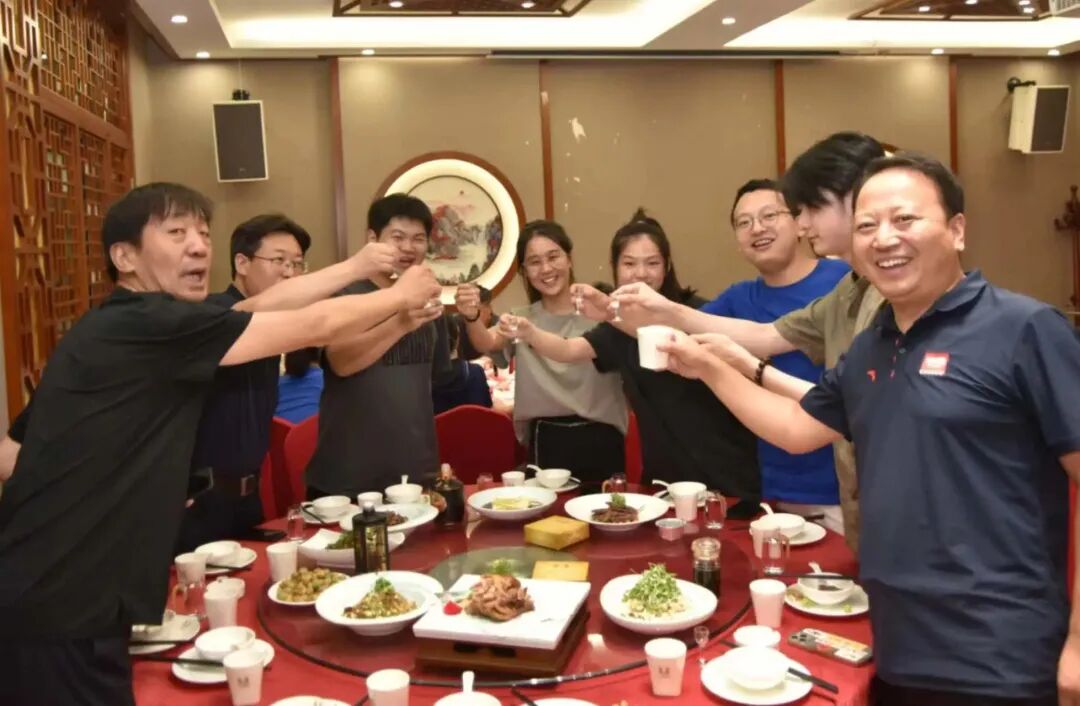
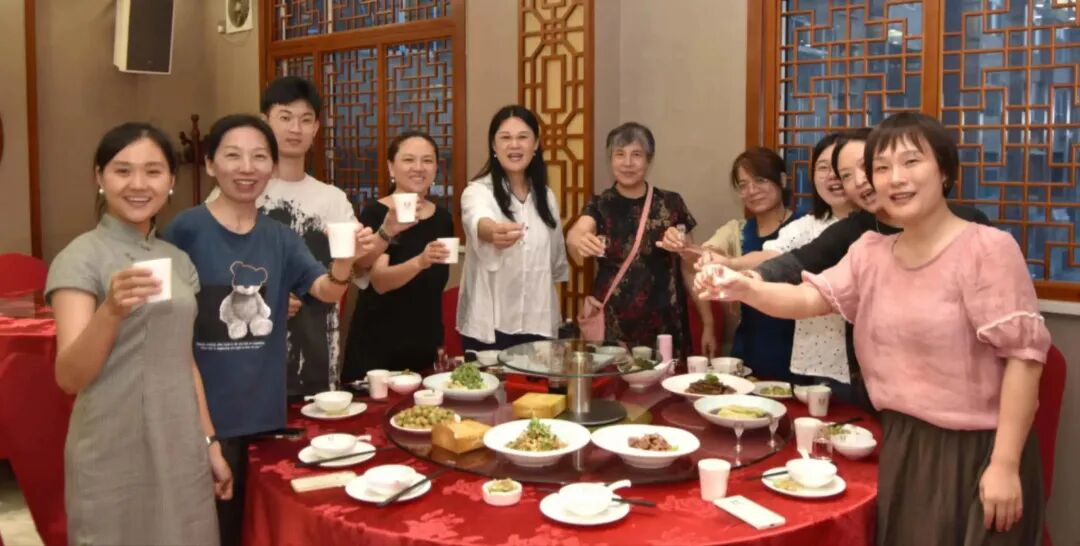
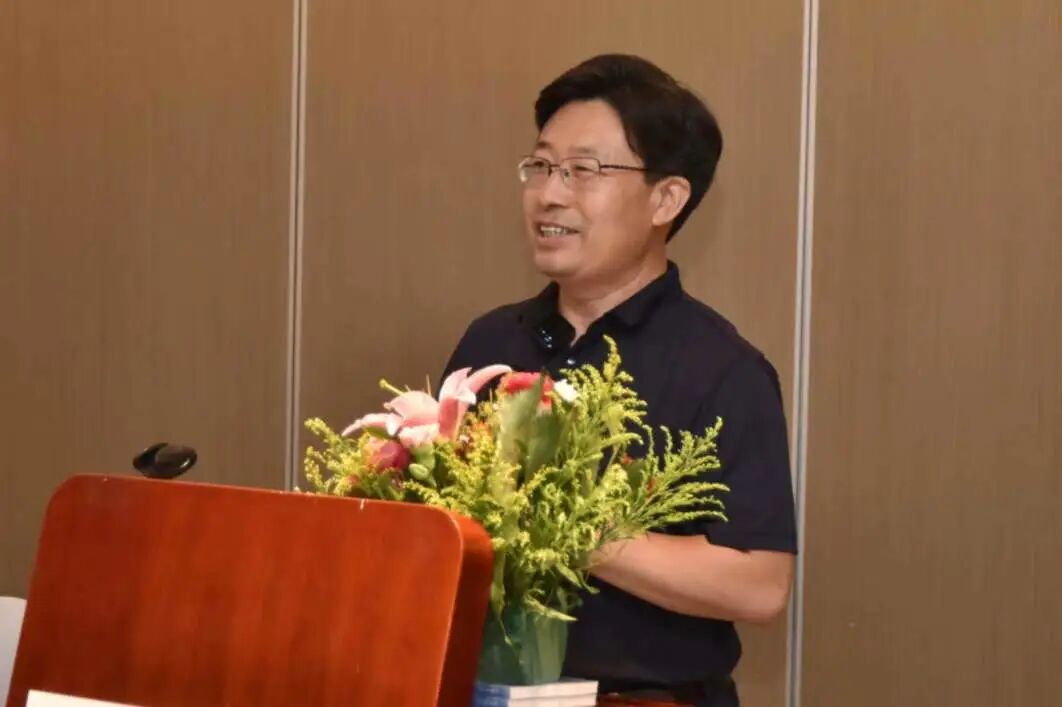
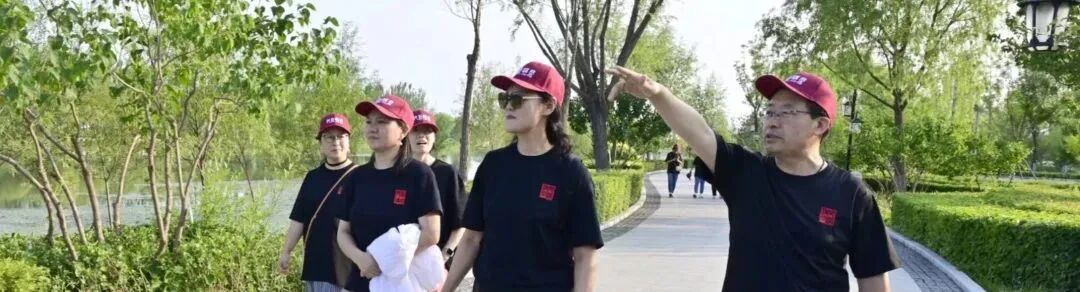
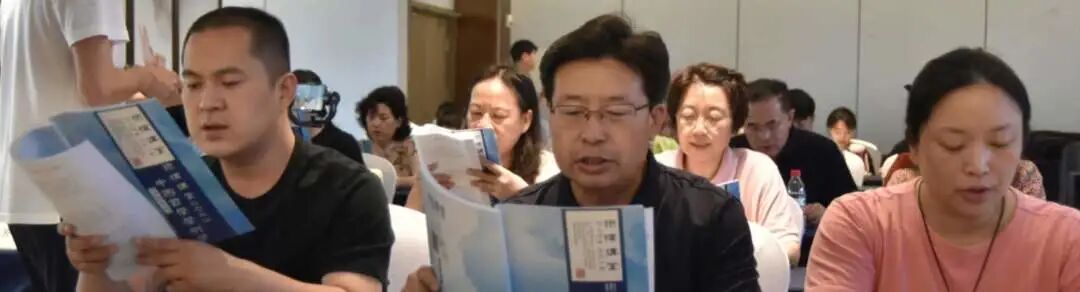
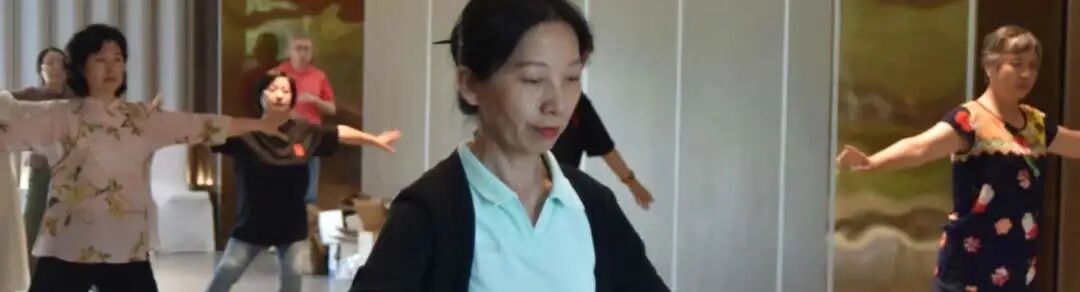
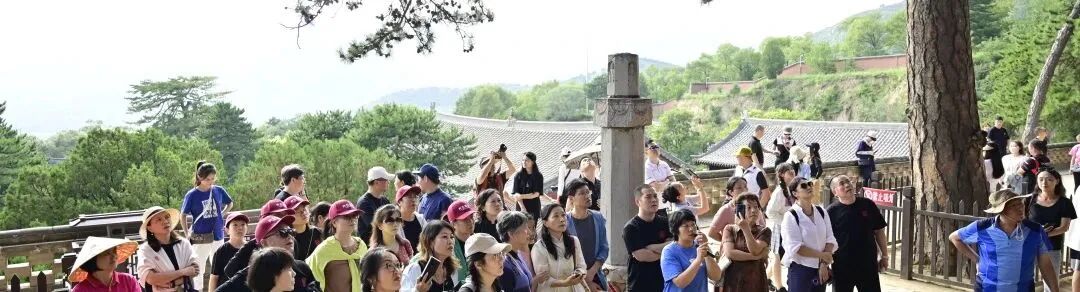
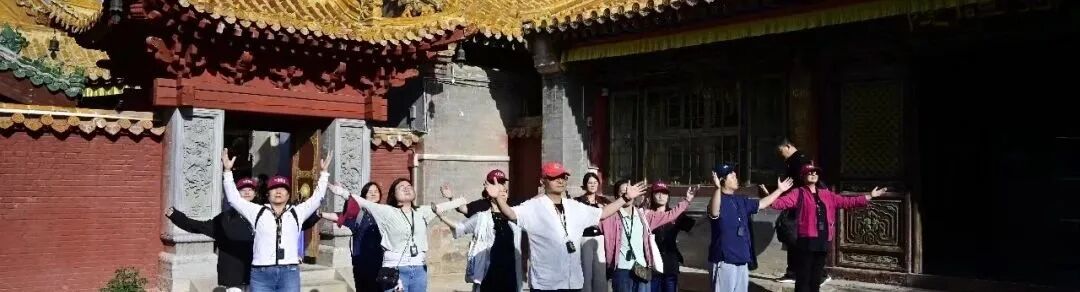
The 4th Philosophy Academic Camp led by Prof. Duh Bau-Ruei of Baopu Lecture Hall has concluded successfully. Held in Xinzhou, this camp left us with deep and enduring memories of its landscapes, people, and scholarship.
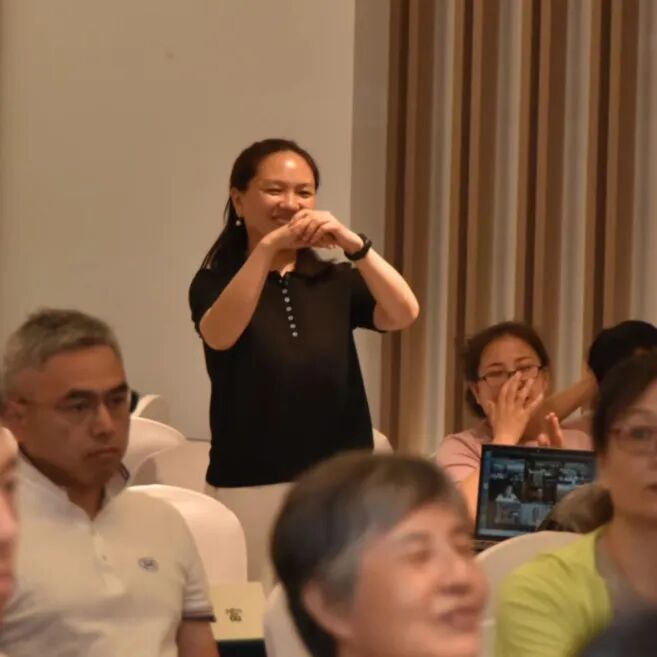
Beaming with Joy
The People Here
The people here are honest and simple, reflecting the enduring truth of the saying: 'To see five thousand years of Chinese civilization, look to Shanxi.' The camp’s preparatory work was greatly indebted to our Xinzhou hosts, including Teacher Yang Baojun, Teacher Hu Xiu'e, and Teacher Zhou Jingxi.
Throughout the camp, these teachers took care of everyone with meticulous warmth.
Deepening Knowledge and Character
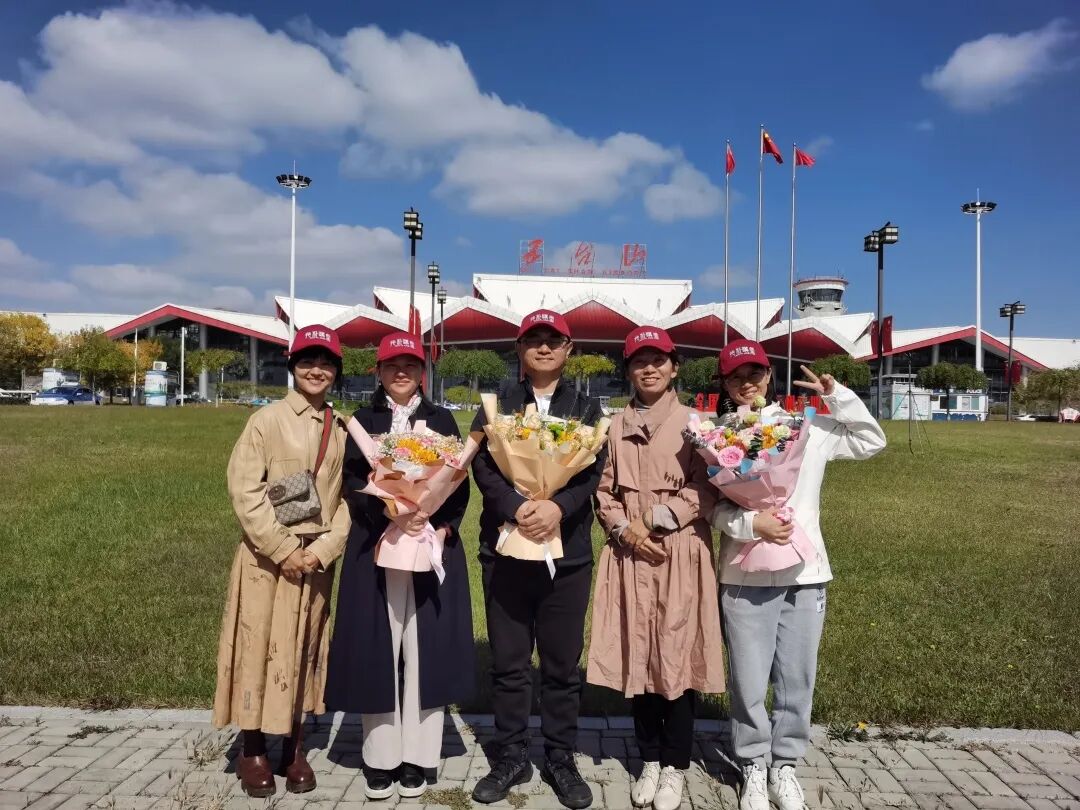
Arriving in Xinzhou
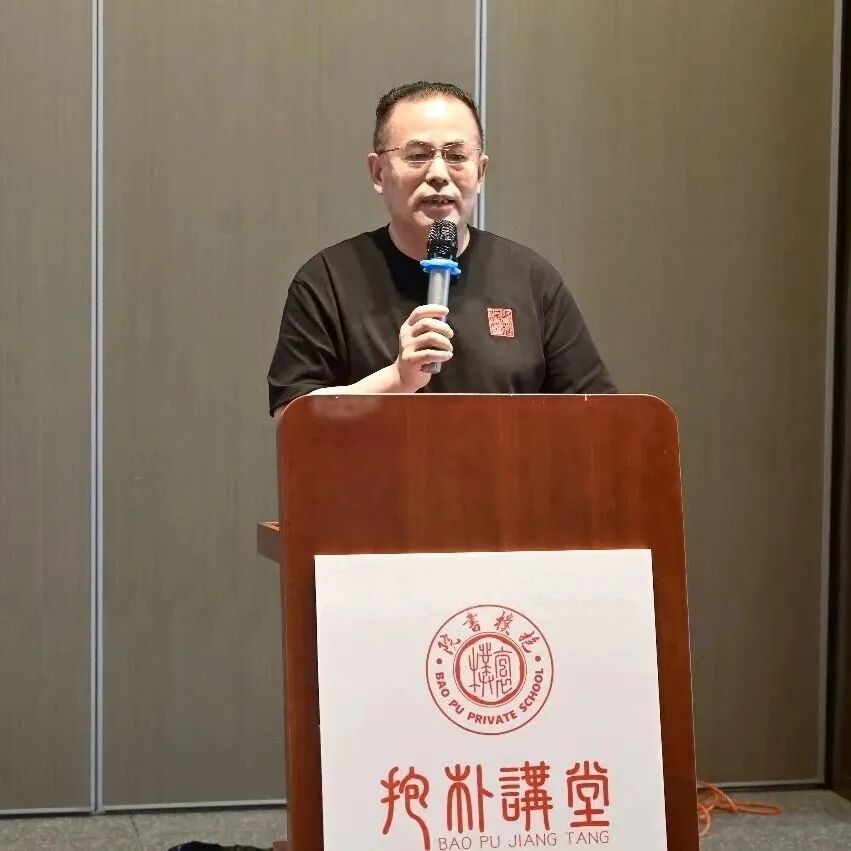
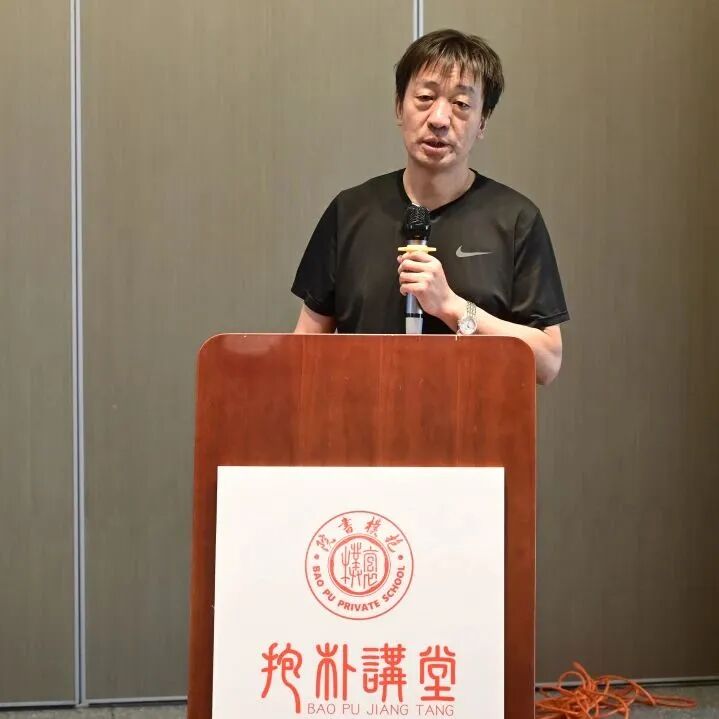
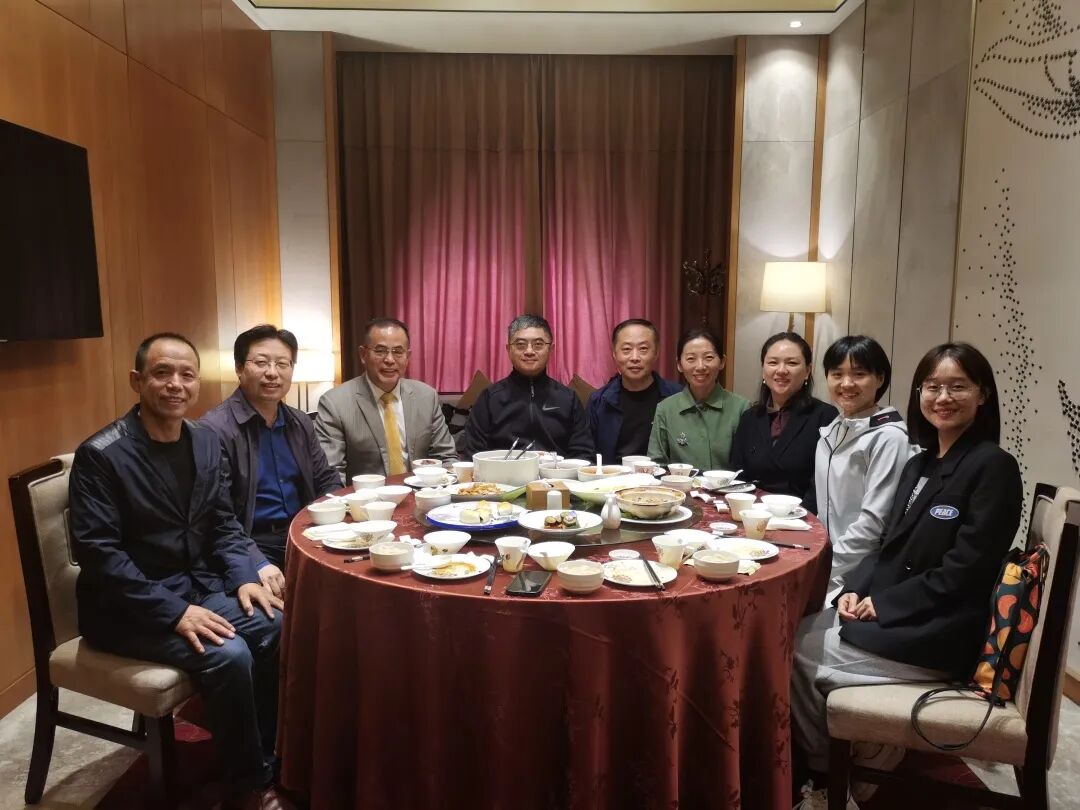
For all logistics, Teacher Baojun assembled a most reliable coordination team. Everyone bonded smoothly with our Baopu group, reflecting Baojun’s Laozi-like wisdom, gentle yet fluid as water. With hearty laughter, he arranged matters effortlessly, resolving even complex tasks with ease. In the afternoon Zhuangzi discussion class, when someone asked how to understand 'Cook Ding Carving the Ox' for nourishing life, Baojun remarked that human relationships are like bones and sinews: once one sees through worldly notions and human nature, avoiding conflict and feeling unharmed, inner tension naturally dissolves into calm peace, which is the true secret of health.
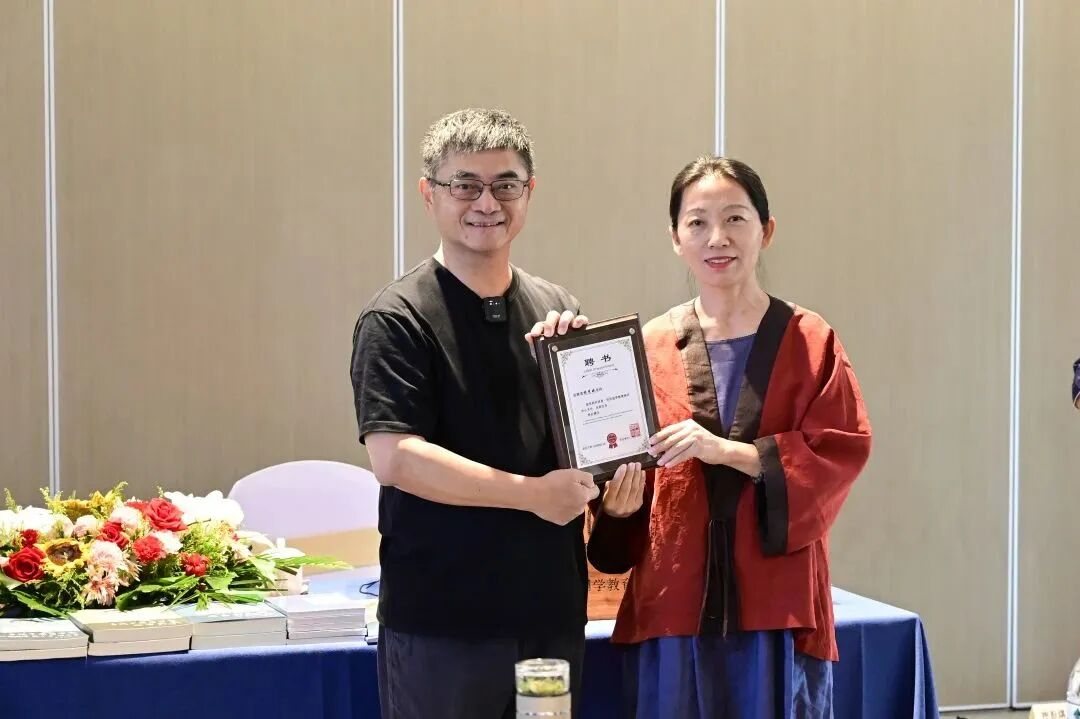
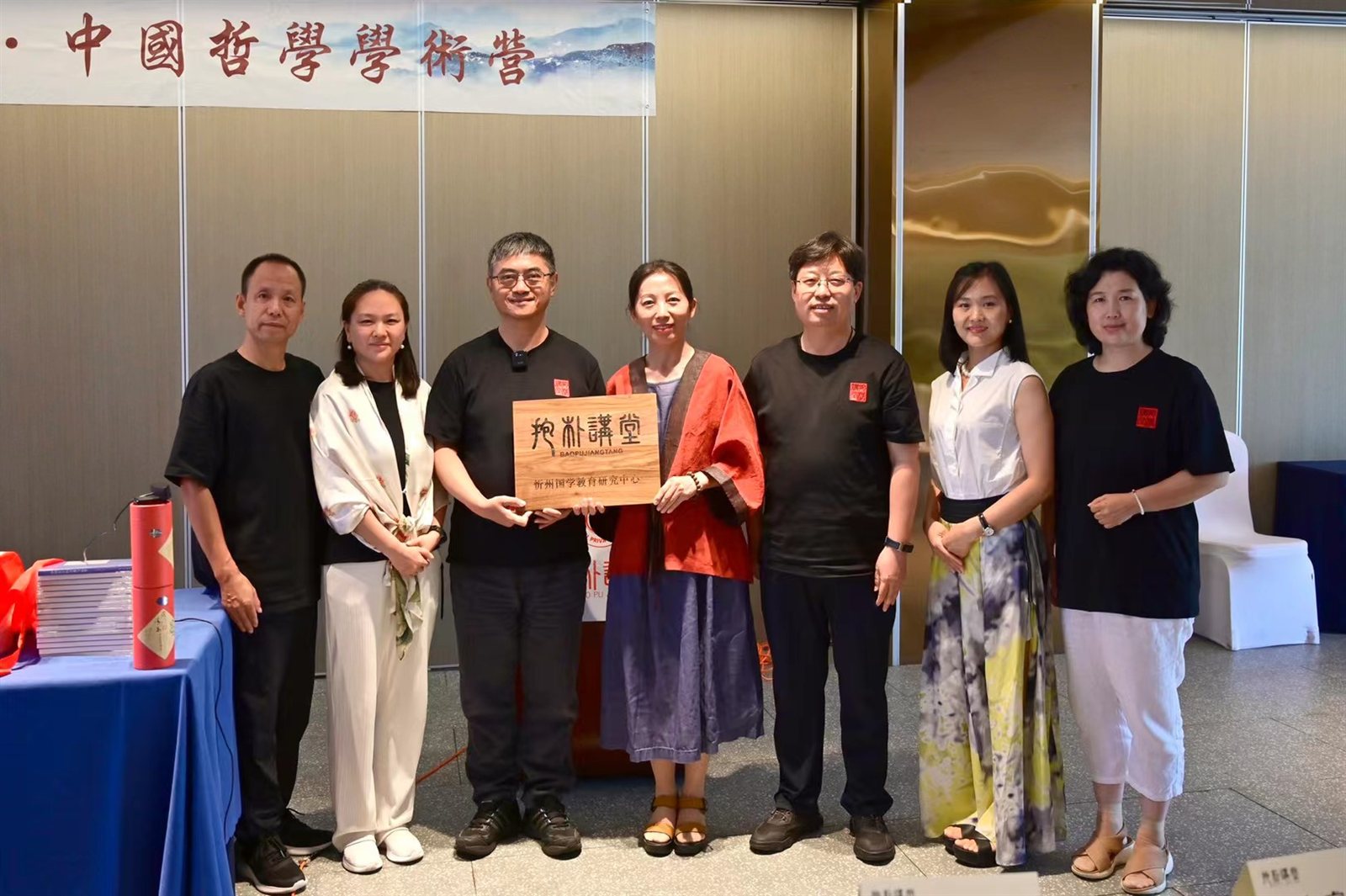
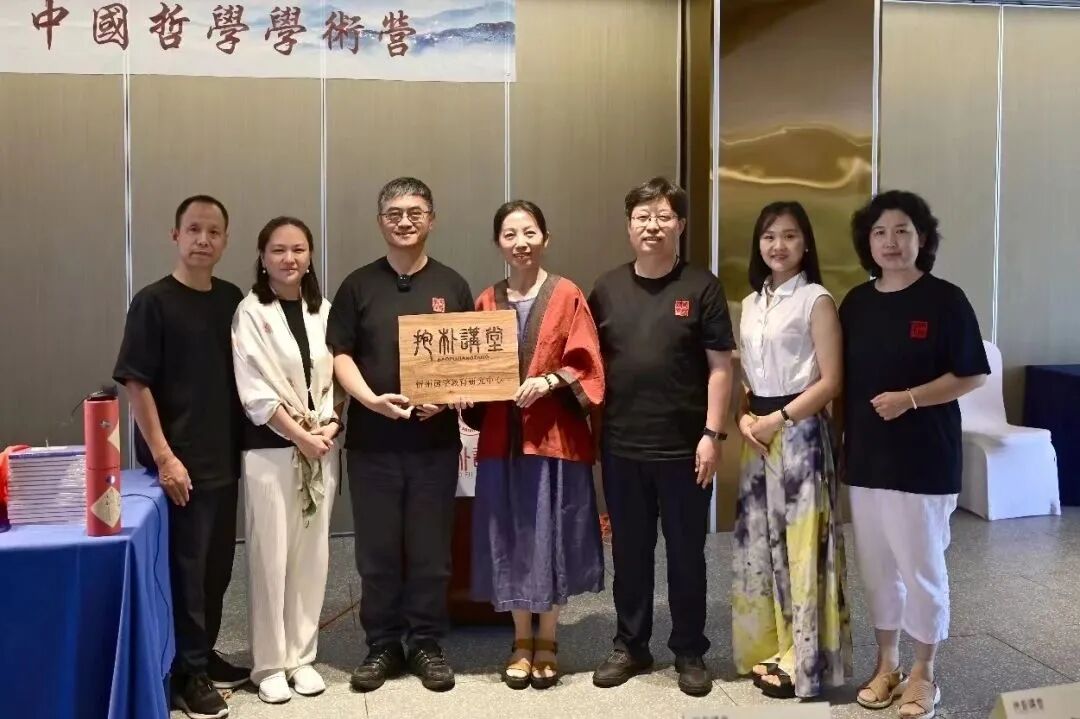
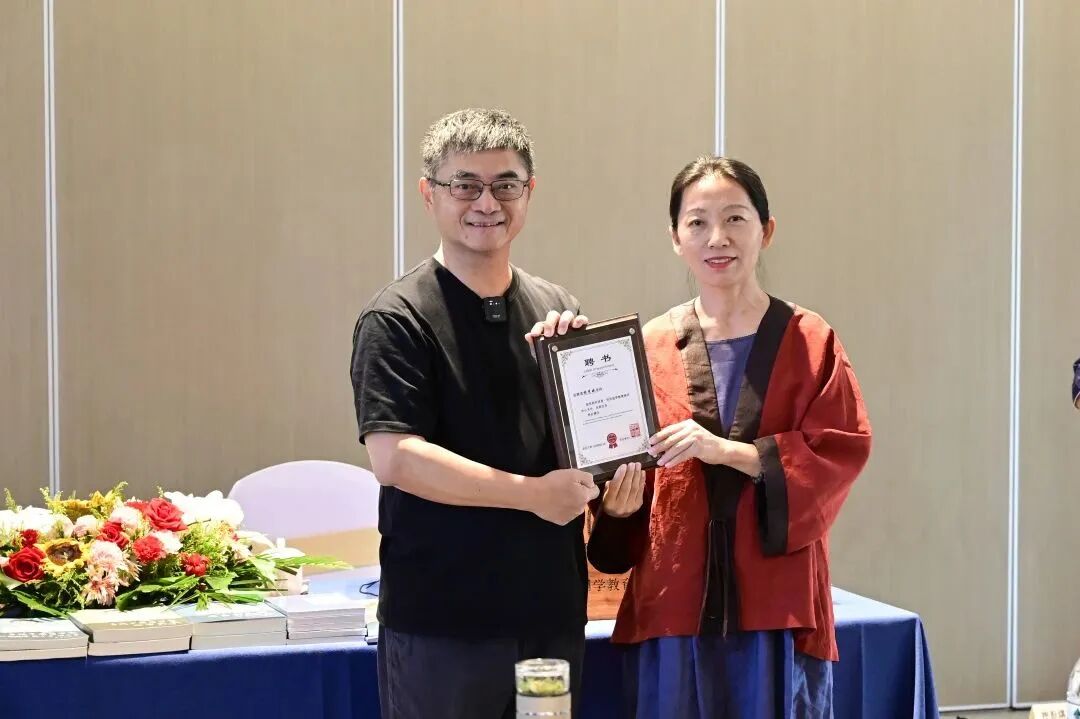
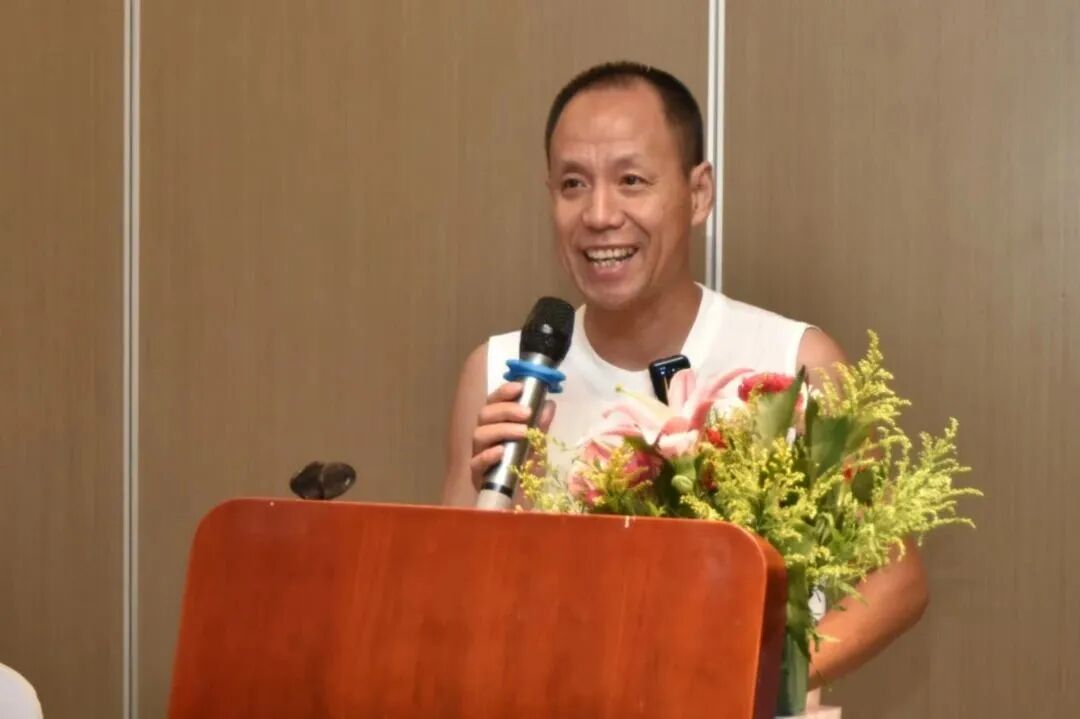
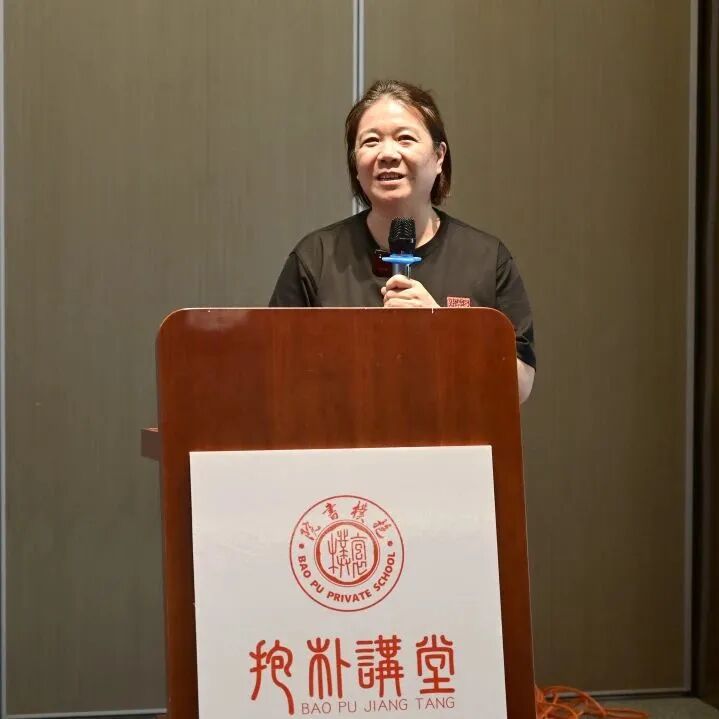
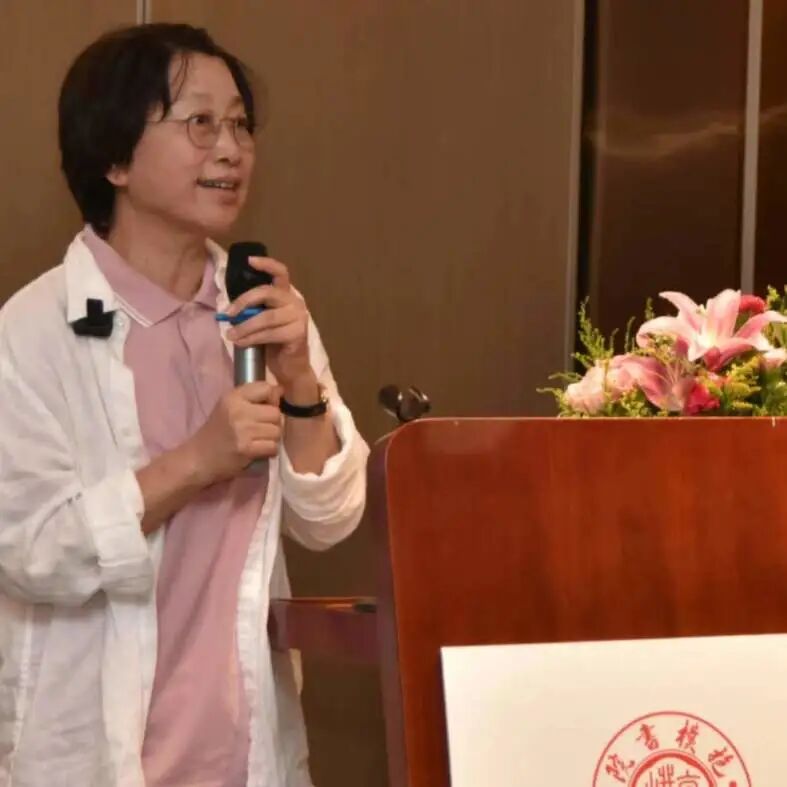
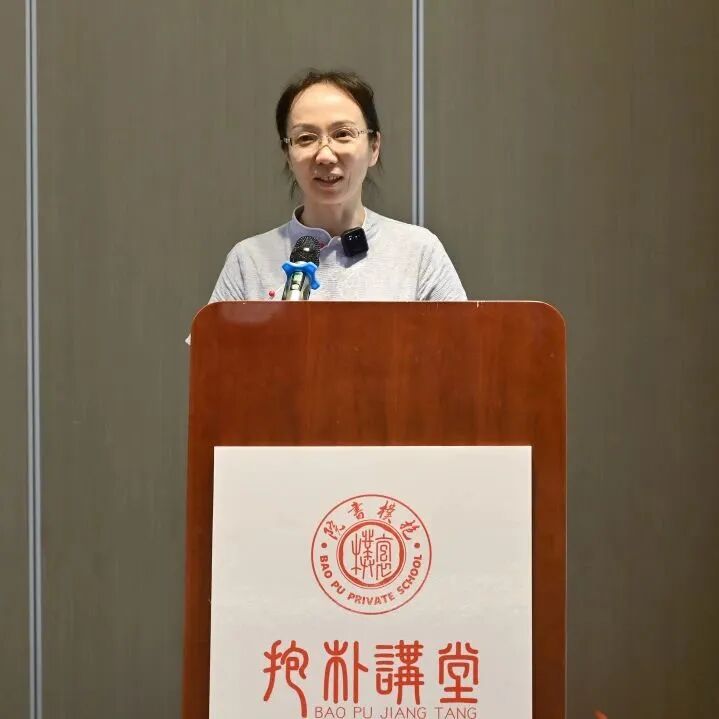
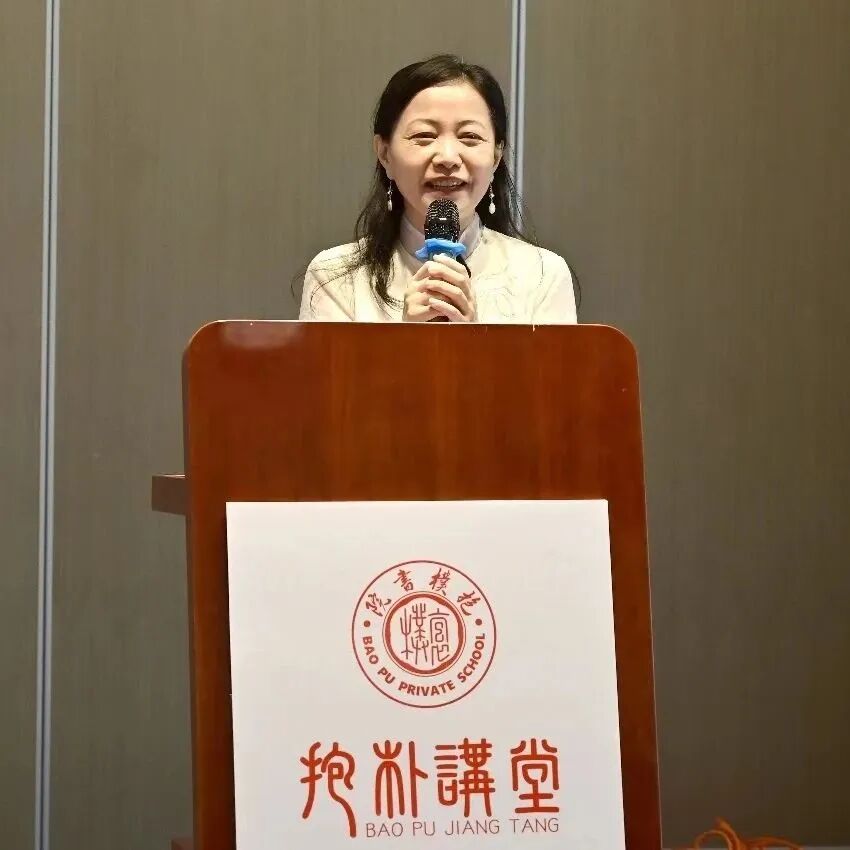
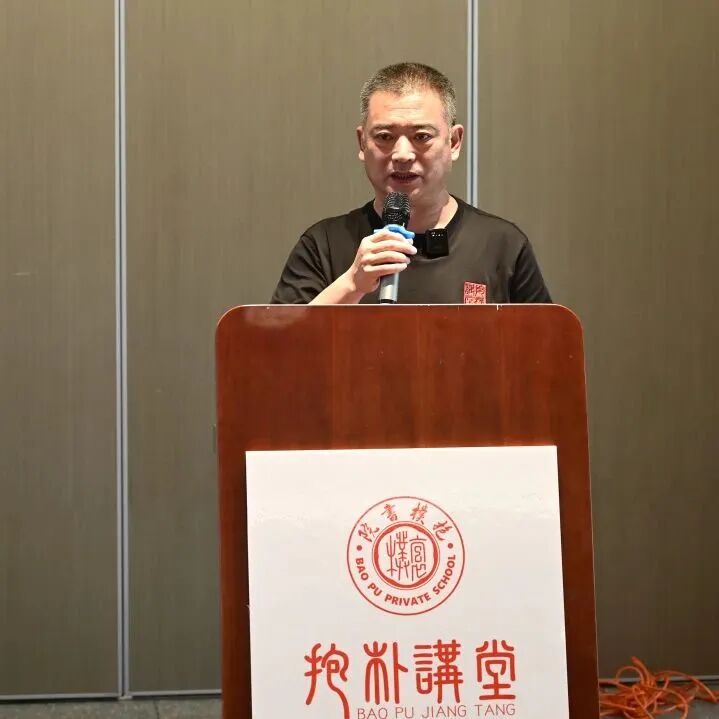
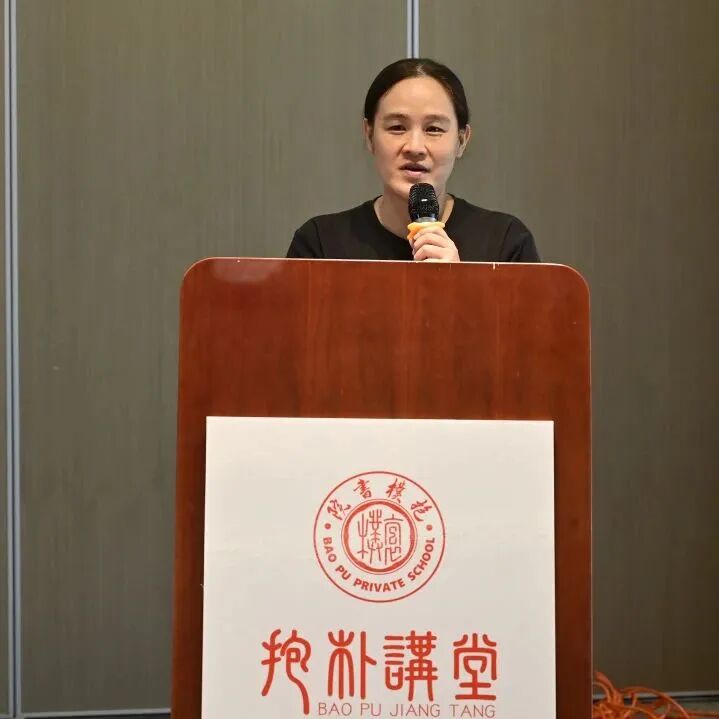
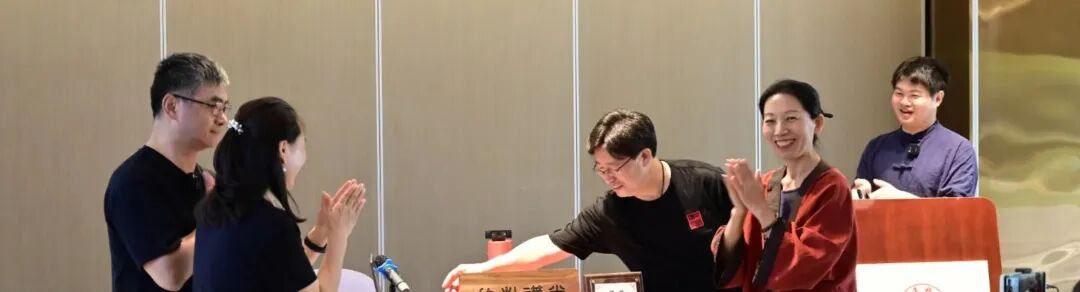
Teacher Xiu'e was exceptionally capable. Her moderation on the first day and her remarks at the unveiling of the Xinzhou Center on the final day deeply moved us all. The true power of words lies in the unity of knowledge and action: she speaks as she lives.
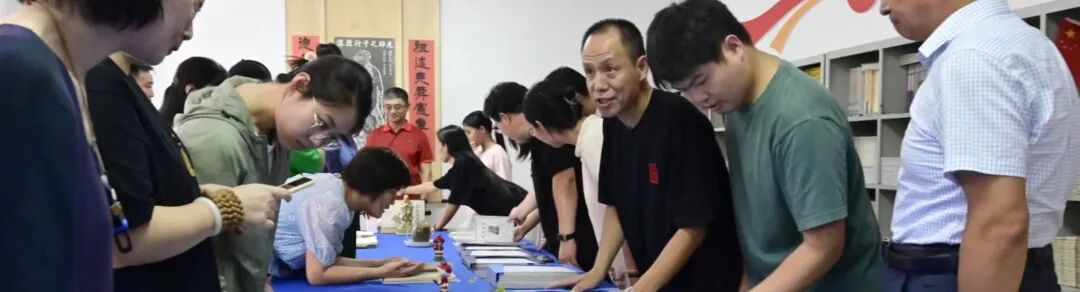
Teacher Meng Jinsong moved us with his singing and boundless warmth. On buses and at dinner tables, he was like a carefree Zhuangzi, singing generously and inspiring everyone to join in. At the same time, he possessed a Mohist chivalric spirit, having volunteered for over a decade to bring Chinese classics freely to institutions in need. His humor always drew cheers, reflecting his genuine character. Leading the daily tea break preparations with meticulous care, he and his colleagues ensured delicious Shanxi snacks for everyone every day.
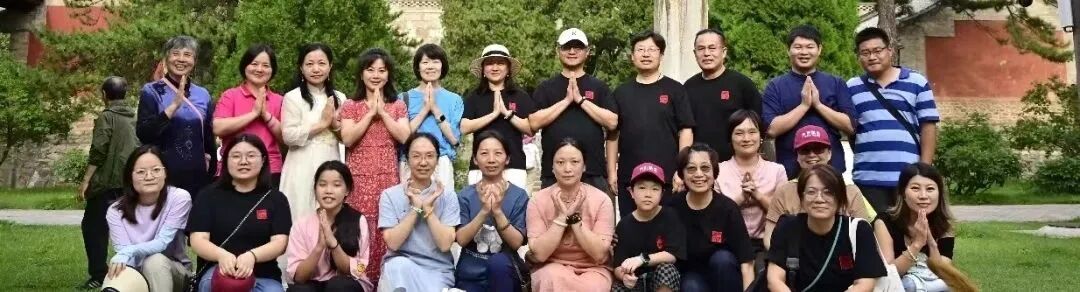
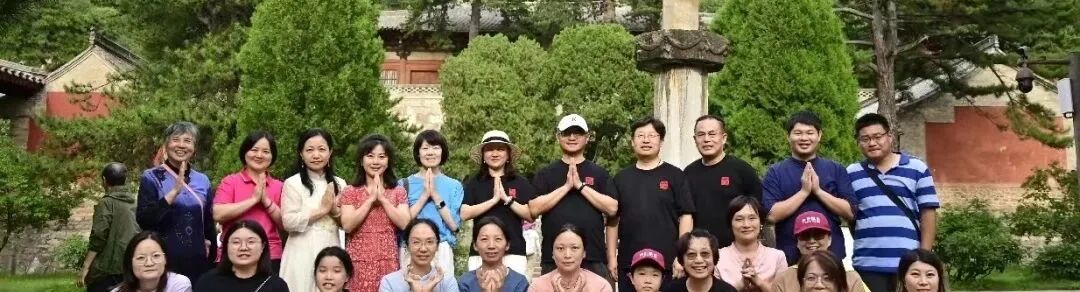
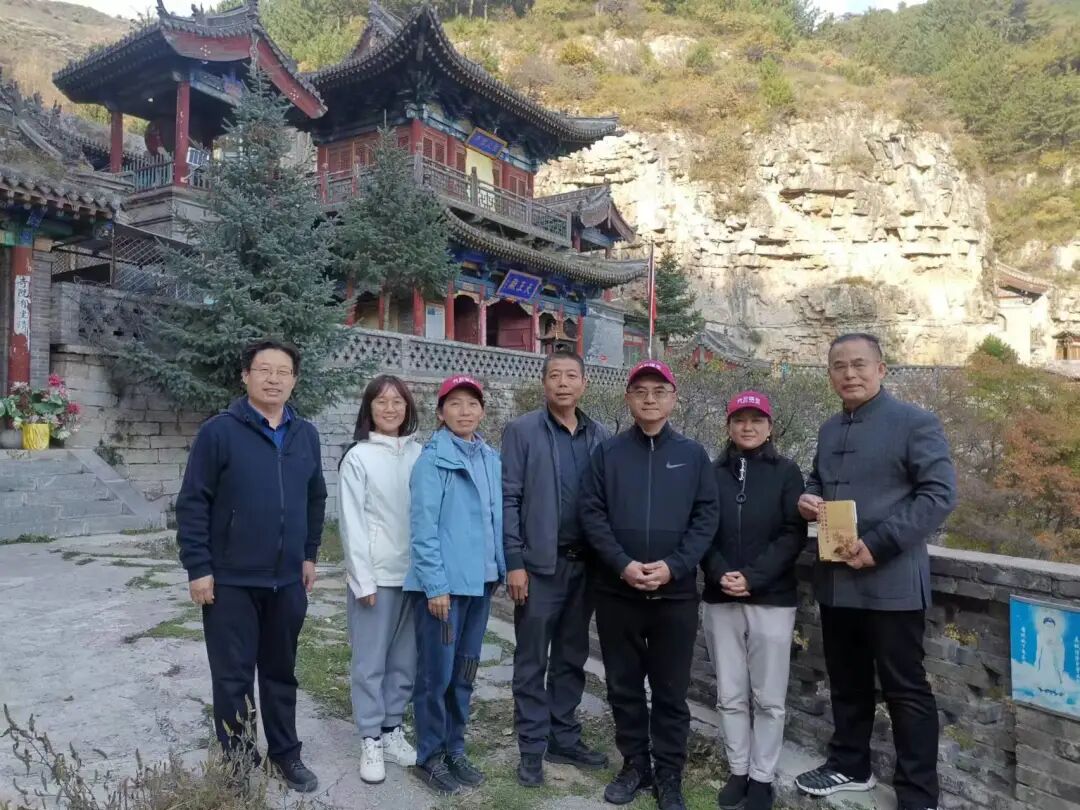
Teacher Wang Wenjun’s photography captured the most beautiful moments of every participant. During the group photo, he tirelessly adjusted everyone's position. Prof. Duh remarked that this was the most dedicated photography session he had witnessed in years.
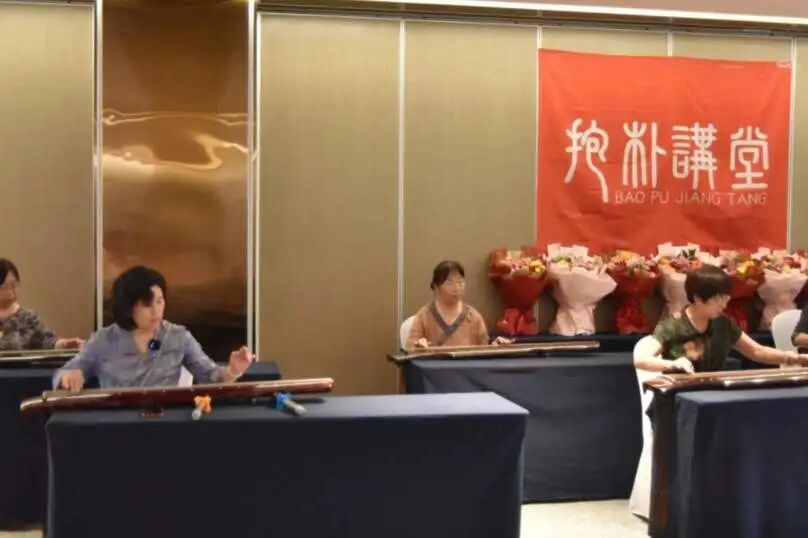
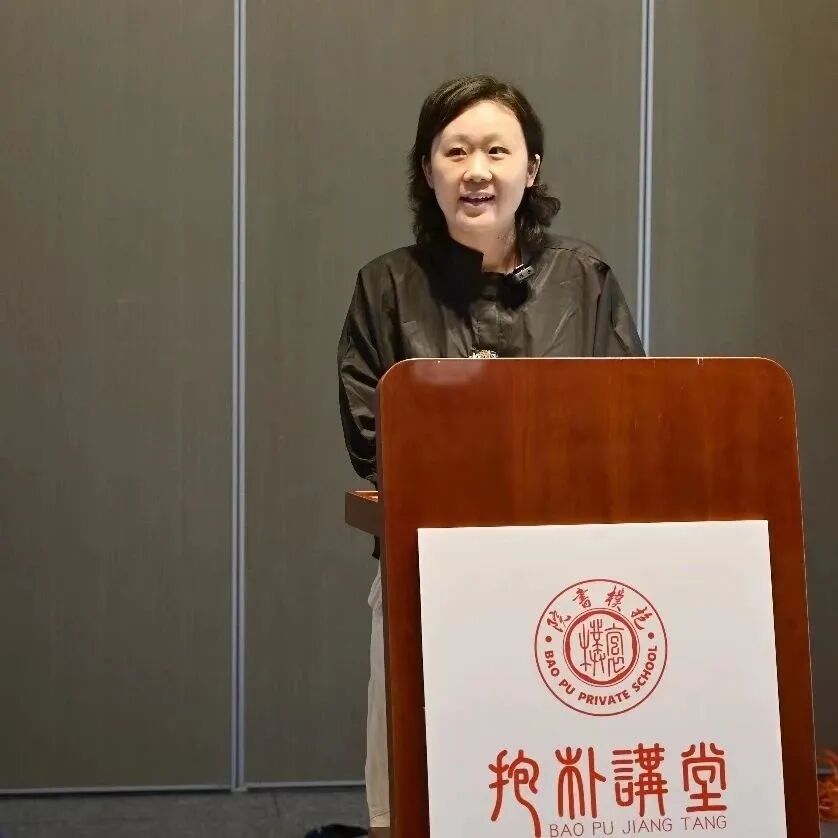
Teacher Wang Rui and her guqin colleagues stunned us from opening day with their performance of 'Weibian Sanjue and Deer Cry'. Throughout the camp, the genuine warmth of Xinzhou made everyone feel completely at home, like true locals.
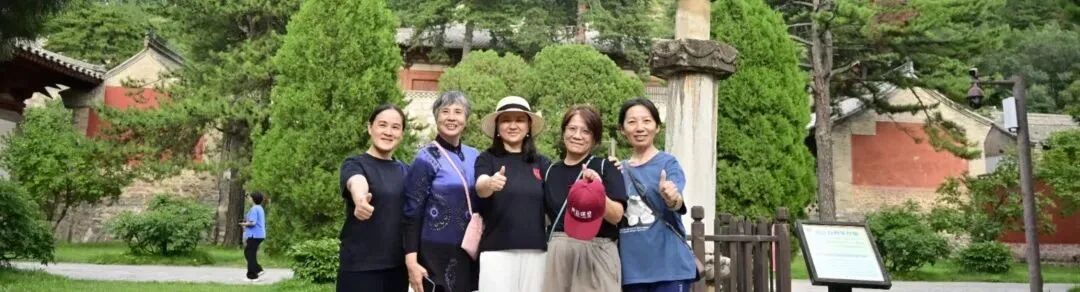
Light, Cloud, and Shadow Lingering Together
The People Who Came Here
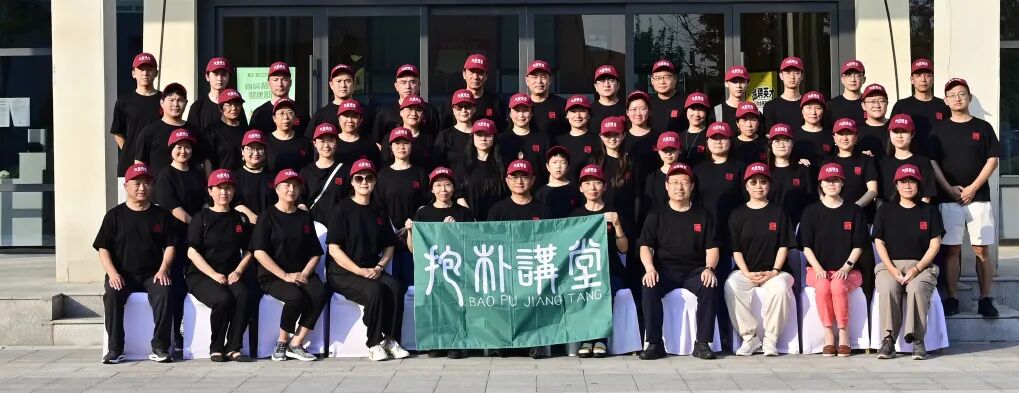
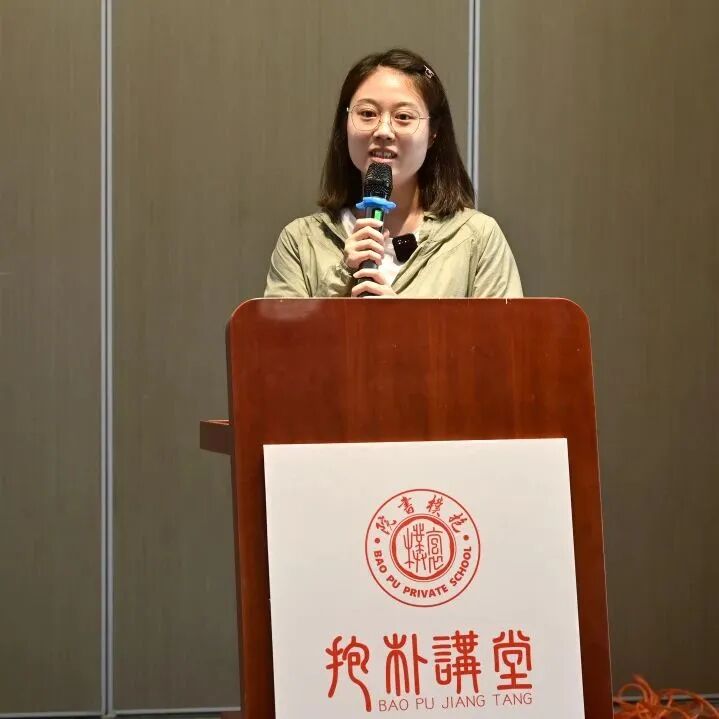
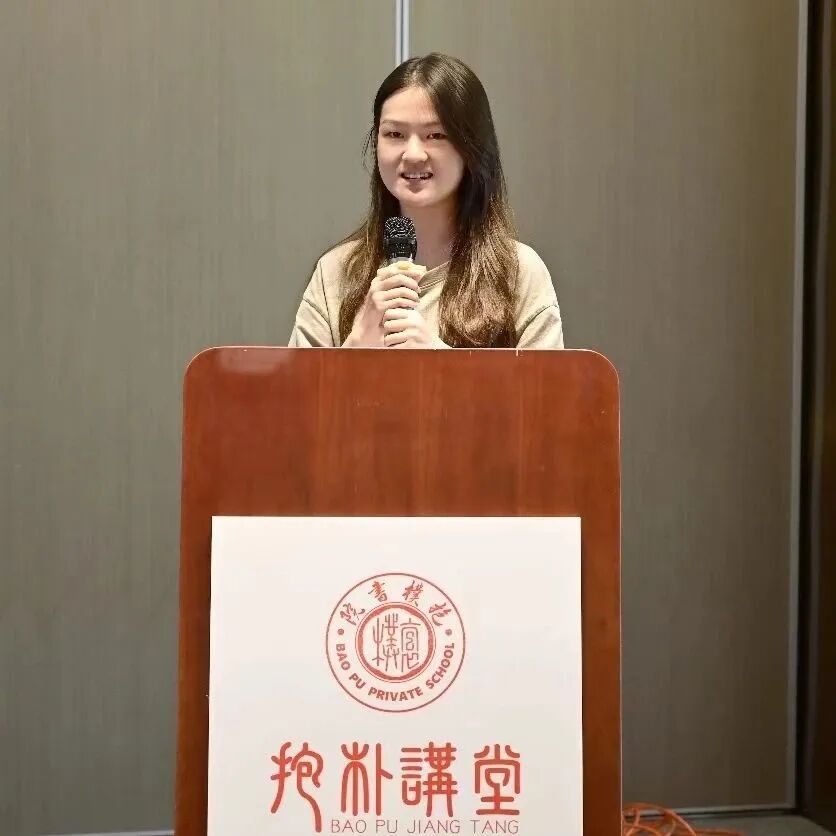
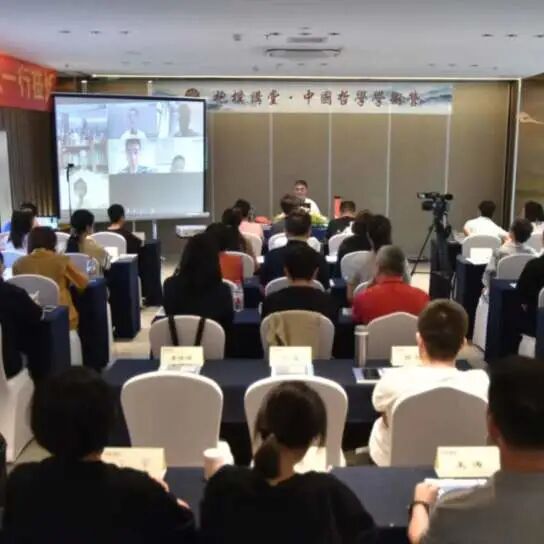
Everyone who came here shared a Xinzhou dream and a deep passion for scholarship. More than 80 people took part online and in person, with nearly 60 attending on site. As Prof. Duh Bau-Ruei observed, Baopu's gatherings naturally grow larger over time: several participants originally attending online were so touched by the on-site enthusiasm that they bought overnight train and flight tickets to join in person.
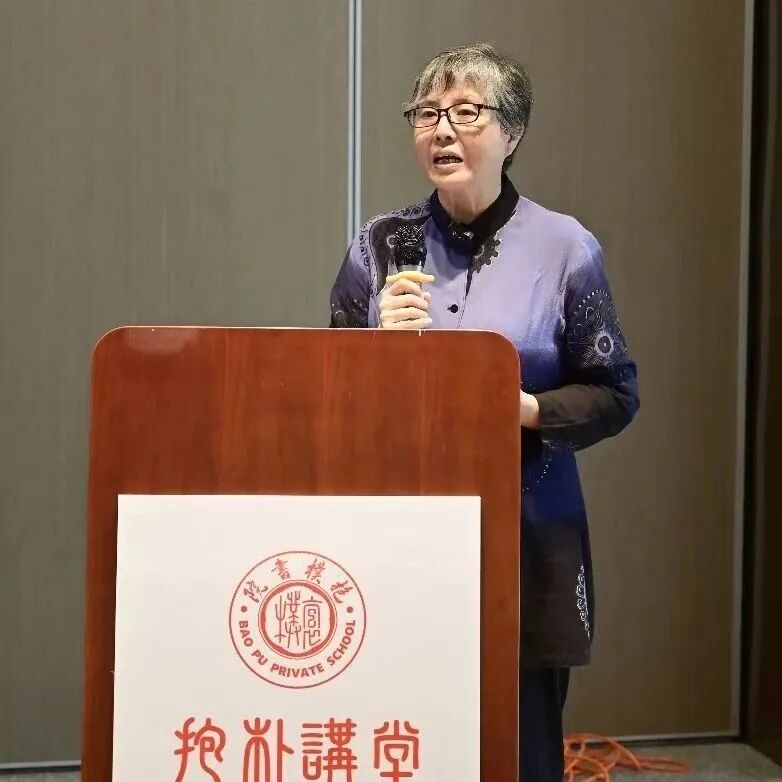
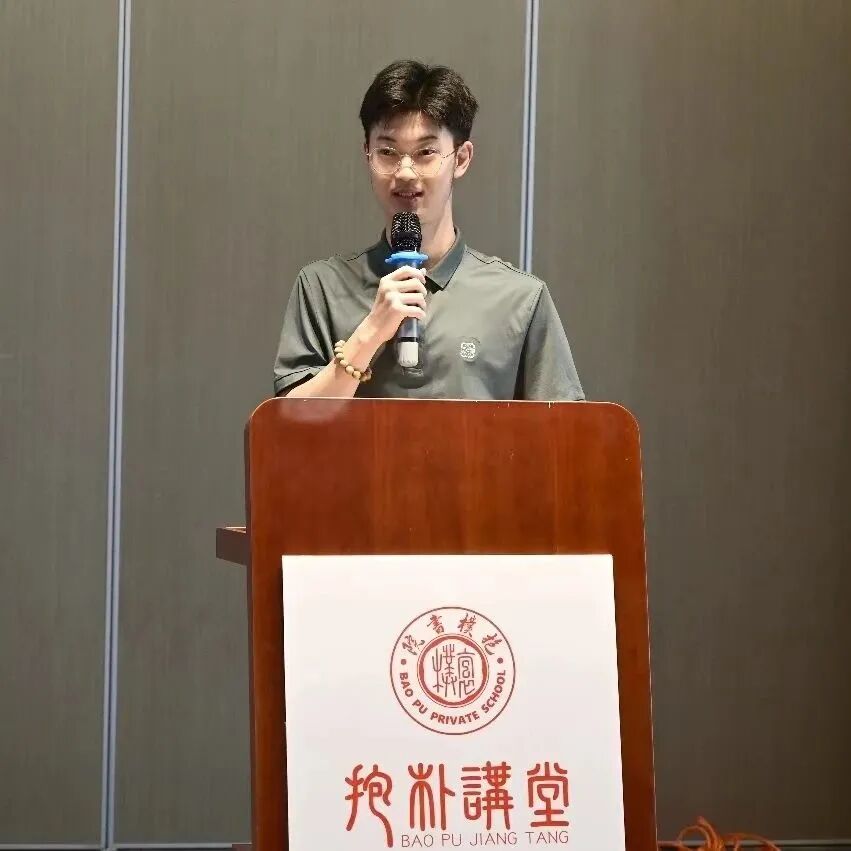
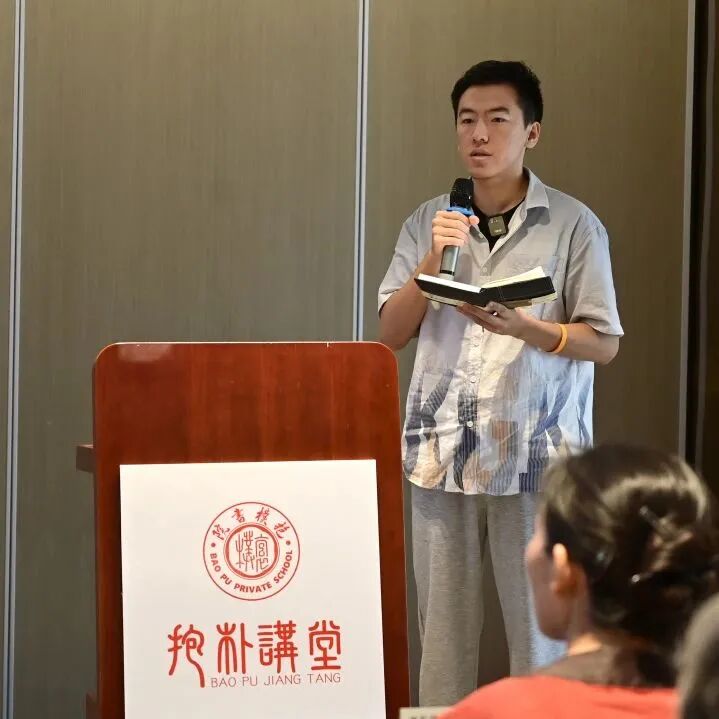
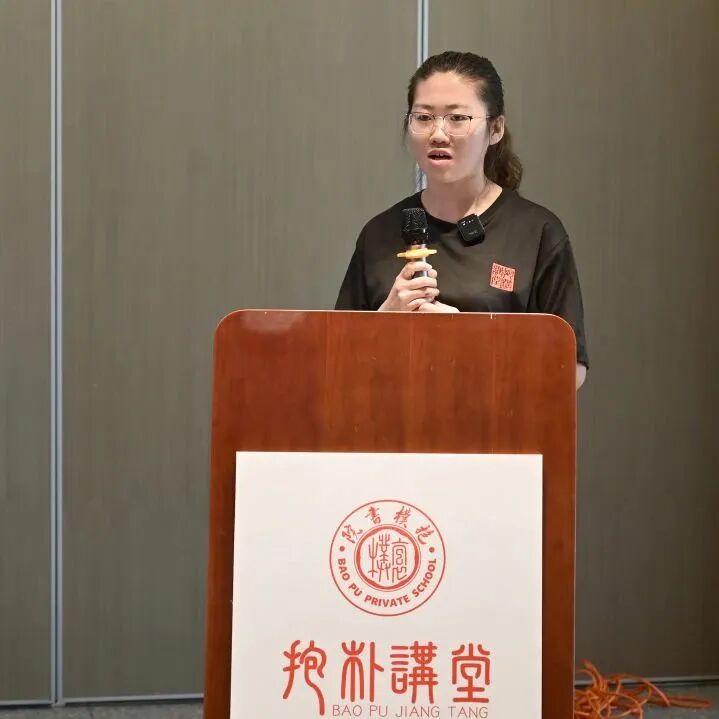
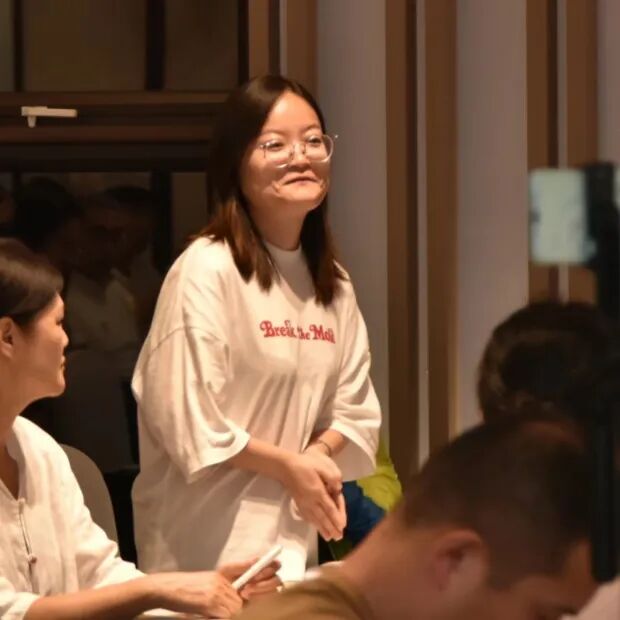
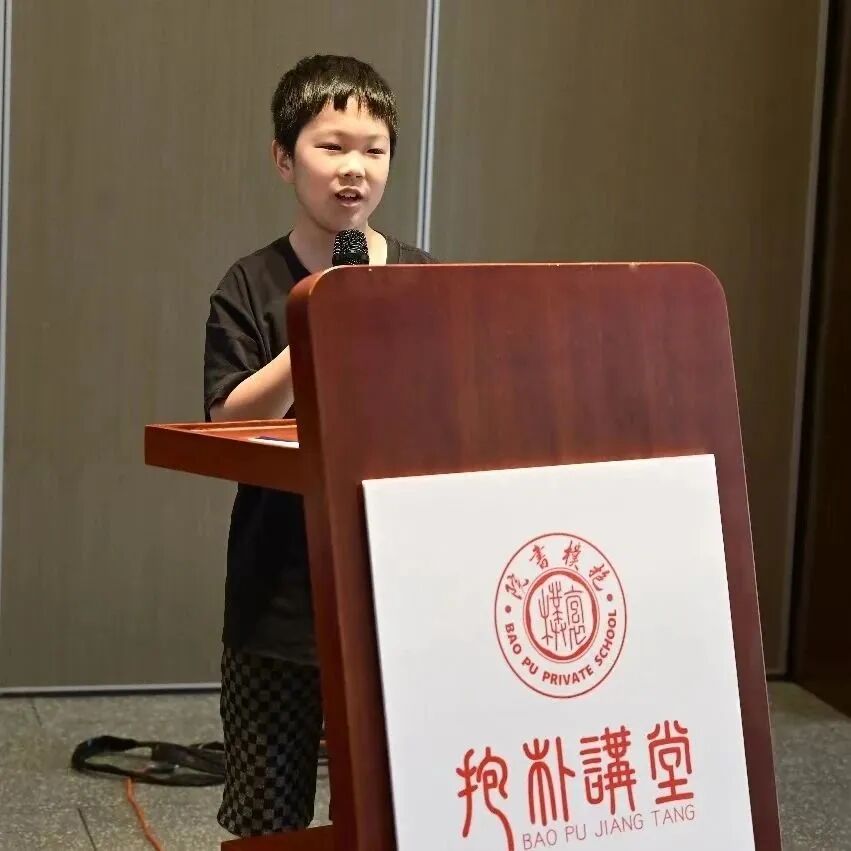
Participants ranged from teenagers to elders in their sixties and seventies. Junxuan, a primary school student who came with his teacher, surprised everyone: we thought a child might not follow philosophical subtleties, yet his afternoon questions, discussions, and closing reflections astonished everyone with his comprehension. Teacher Wang Minfang, the mother of a previous tutorial student and the eldest participant in camp, studied with passion rivaling the youngest. Despite the demanding schedule requiring intense stamina and mental focus, Teacher Wang did not take a single leave of absence and thoroughly enjoyed every moment. At the closing, she said: 'I have several children who gave me gifts, but having my daughter send me to study here is the best gift of all.' She added: 'The Baopu Diligence Ode says, "Strive lifelong, and depart in clarity when the crane takes flight." Having studied here, even if I were to depart tomorrow, I would do so with a joyful heart.' She embodied Confucius's dictum: 'He who hears the Dao in the morning may die content in the evening.' Her life reflects genuine pursuit of the Dao, filling her retirement with purpose.
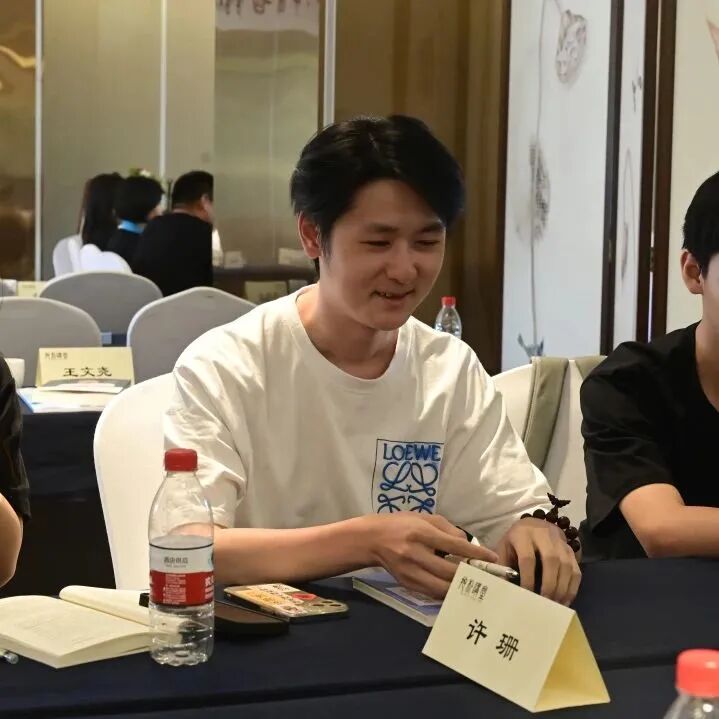
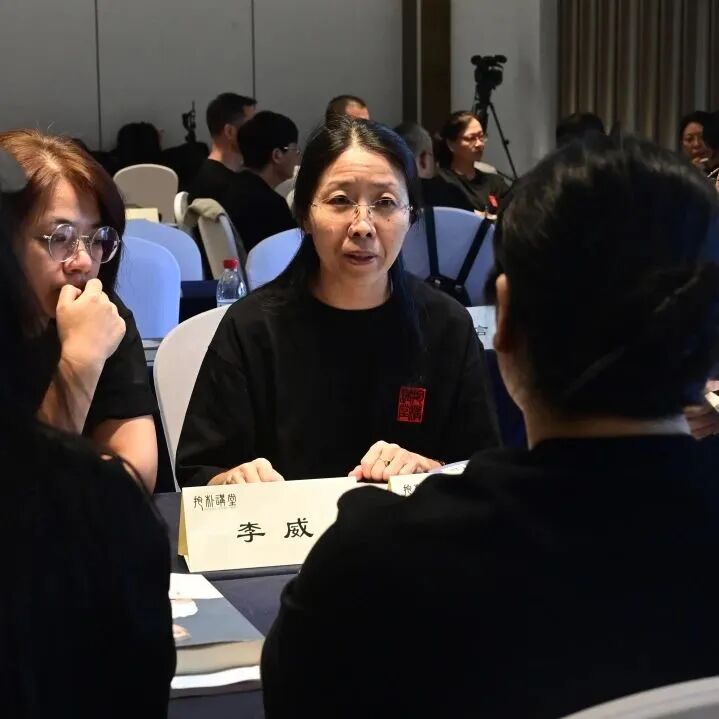
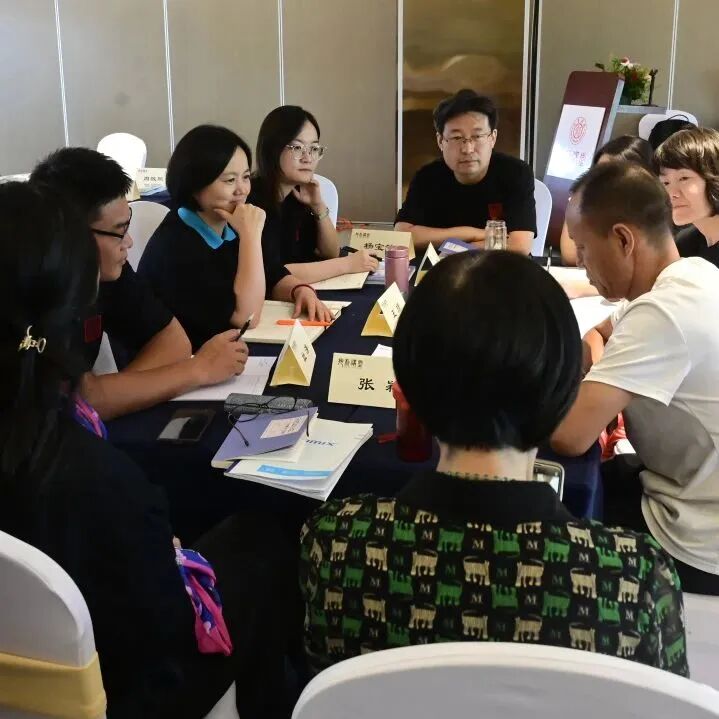
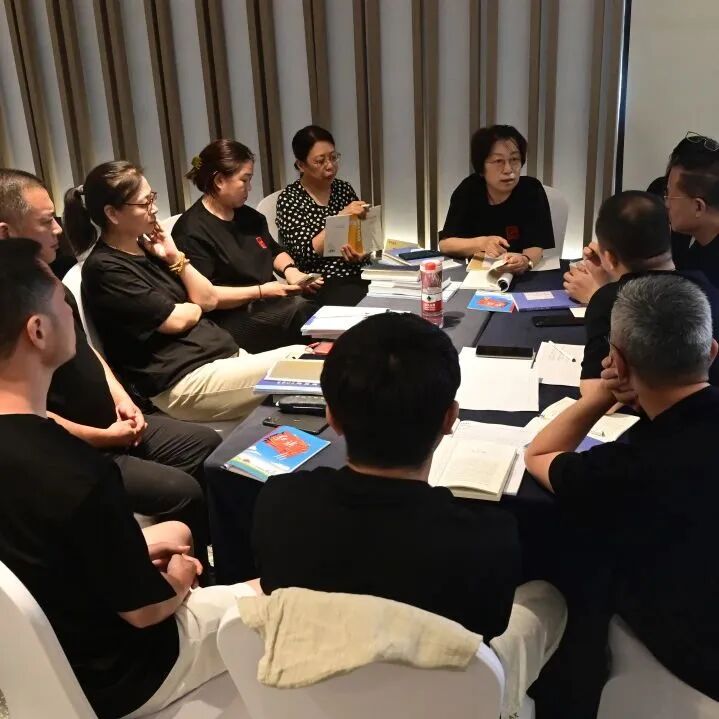
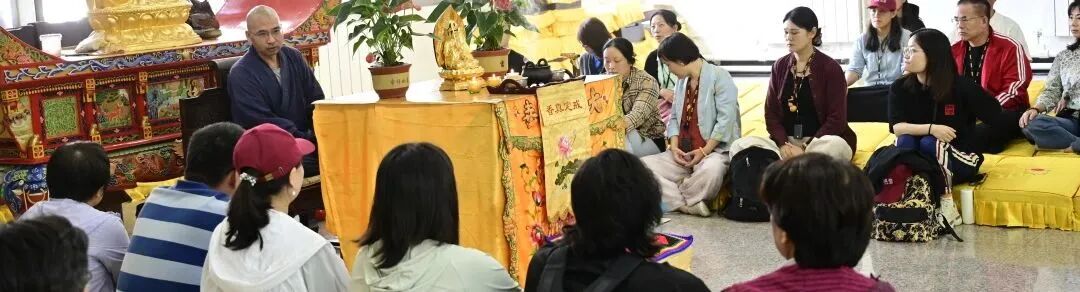
The on-site camp was divided into five discussion groups: Youth, Teachers, Entrepreneurs, and Classics Enthusiasts. Each afternoon's discussions were lively and intense. The Youth group brought fresh perspectives, examining the contemporary world through philosophy with vibrant energy and joyful smiles. The Teachers group drew on rich instructional experience, validating the teachings of Mozi, Han Feizi, Zhuangzi, and Mencius against daily classroom practice—discovering that education requires Mencian values, legalist clarity in rewards and penalties, Mohist universal love, and Zhuangzian natural freedom for each student. The Entrepreneurs group explored how classics inform corporate leadership and social responsibility. The Classics Enthusiasts group engaged in deep dialogue on workplace dilemmas and personal spiritual cultivation.
Whence Does the Water Run So Clear?
Philosophy in This Land
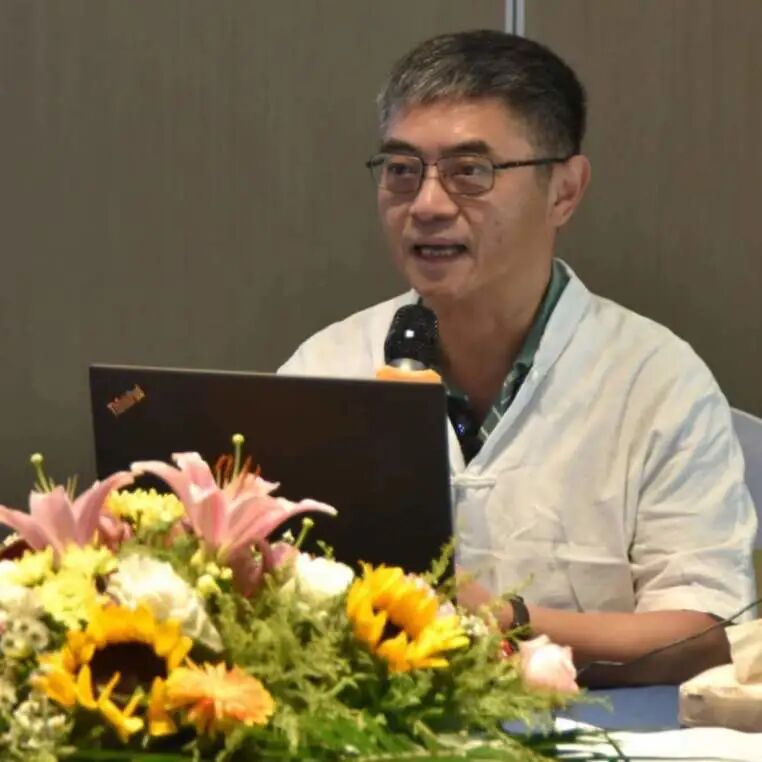
Across four days, four philosophers—Mozi, Han Feizi, Zhuangzi, and Mencius—took the stage, brought vividly to life through Prof. Duh Bau-Ruei's lectures. Baopu's philosophy camps center on rigorous textual interpretation, employing the 'Four-Dimensional Framework' and the 'Four Major Questions of the Theory of Truth'. We not only elucidated each philosopher's primary texts, but also probed their historical standing, lasting impact, and the unasked questions left for posterity.
Mohism speaks from the perspective of the common people, advocating 'Exalting the Worthy, Universal Love, and Condemning Aggression'—listening to the people's voice to create policies that serve their welfare.
Han Feizi approaches statecraft from the sovereign's viewpoint, employing the 'two handles' of reward and punishment to secure political authority, analyzing vulnerabilities that cause state collapse and how ministers and flatterers gain royal favor, addressing a wide array of ancient political realities.
Zhuangzi views reality through the lens of a transcendent artist, dissolving the oppositions of worldly mundane concepts. With his cosmogony of 'one qi permeating heaven and earth', he illustrates that all things possess innate fulfillment, outlining stages of cultivation such as 'fasting of the heart, sitting in forgetfulness, forgetting benevolence and righteousness, rites and music, exteriorizing the world, external things, and life itself' to reach the spiritual realm of the divine beings on Mount Gushe. The Zhuangzi comprises Inner, Outer, and Miscellaneous chapters, reflecting types ranging from transcendent immortals and carefree wise sages to non-acting saintly rulers, extraordinary masters, and Daoist-Legalist political syntheses.
Mencius asks from the scholar's standpoint: 'How should a ruler govern? How does a state become strong? How does an individual achieve sagehood? Is human nature fundamentally good or evil?' Prof. Duh examined Mencius's cosmology, ontology, methodology of cultivation, state of realization, political philosophy, and historical significance, concluding our academic camp on an inspiring note.
For It Has a Living Springhead
The Mountains and Rivers Here
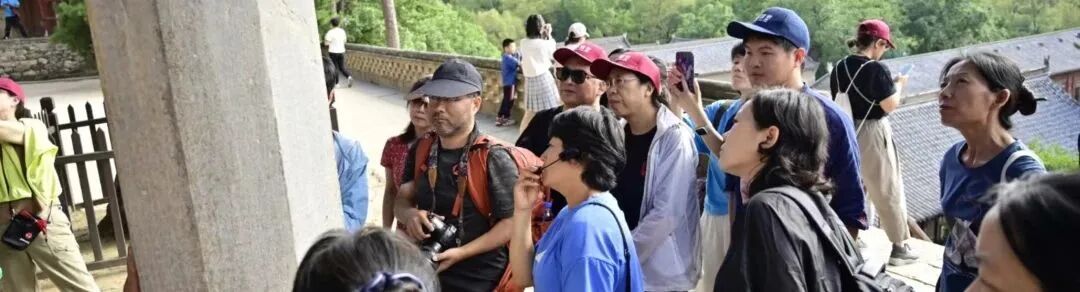
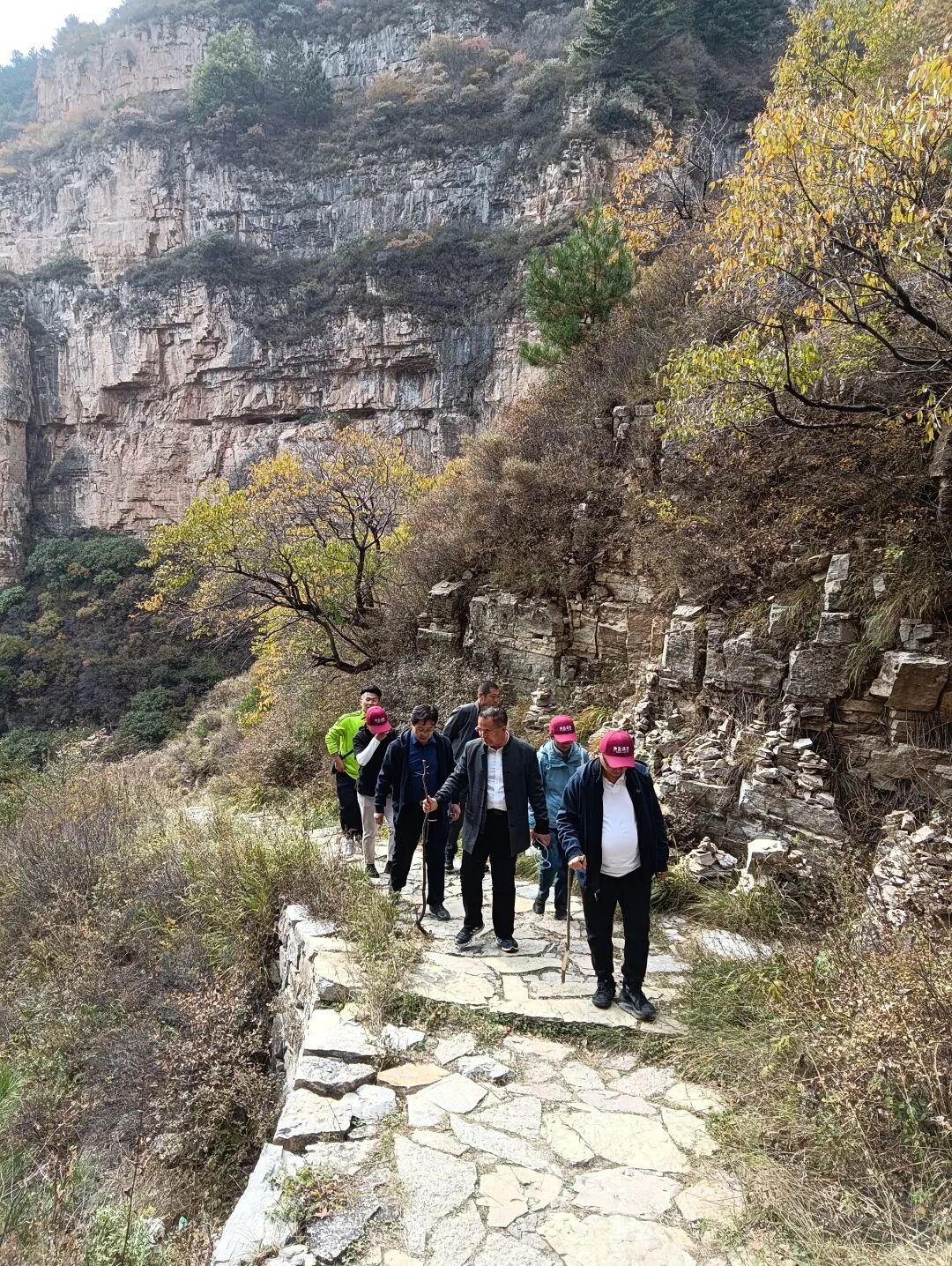
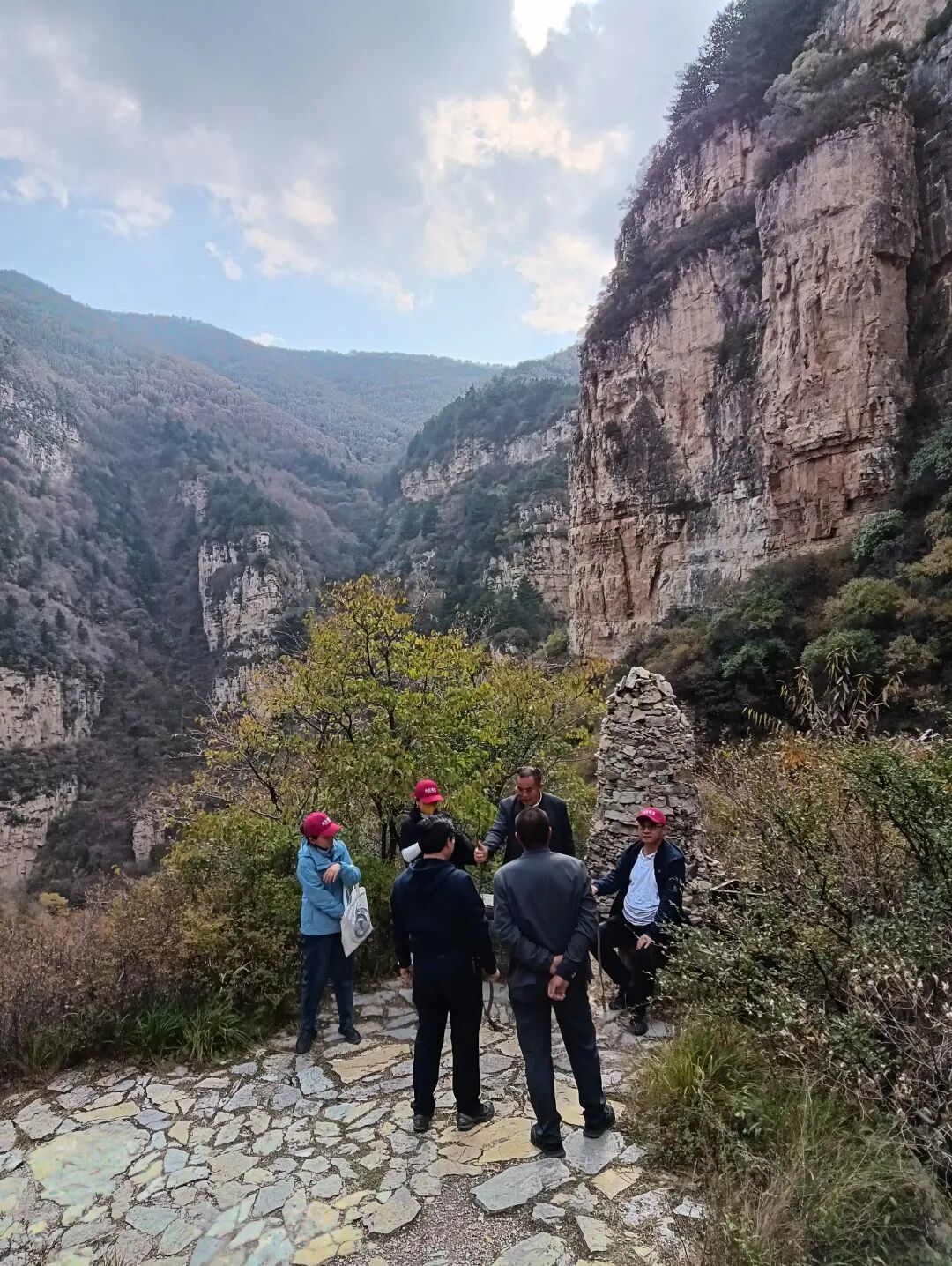
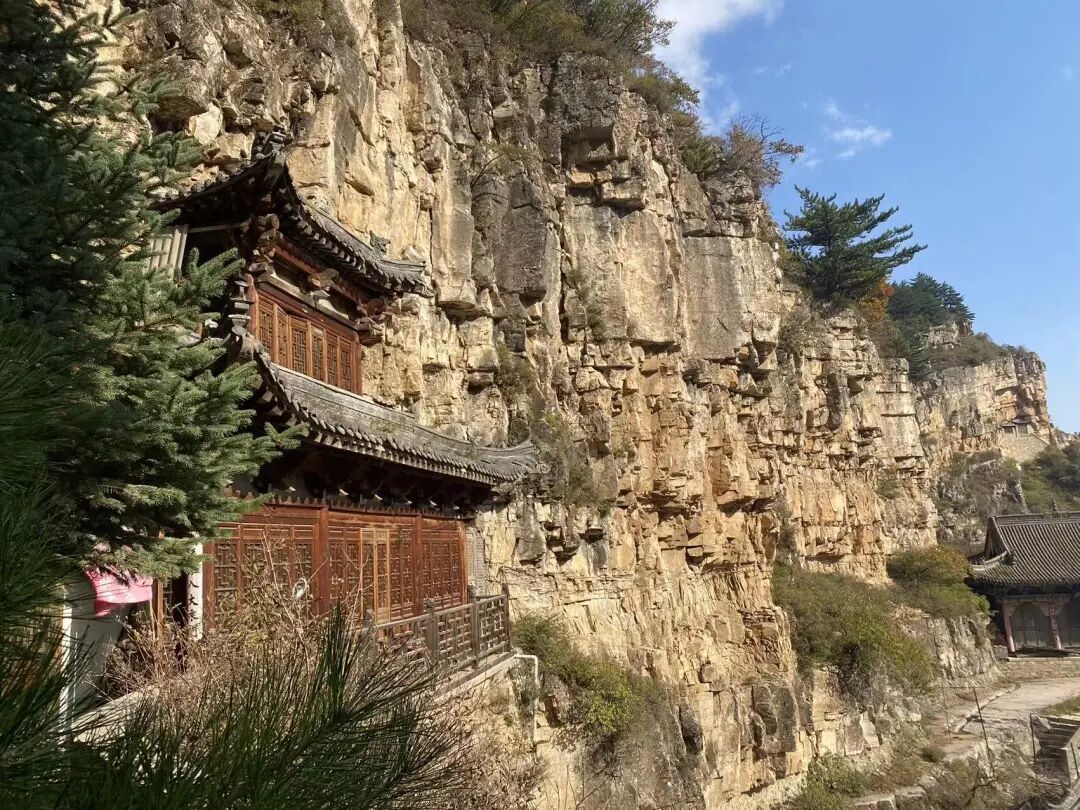
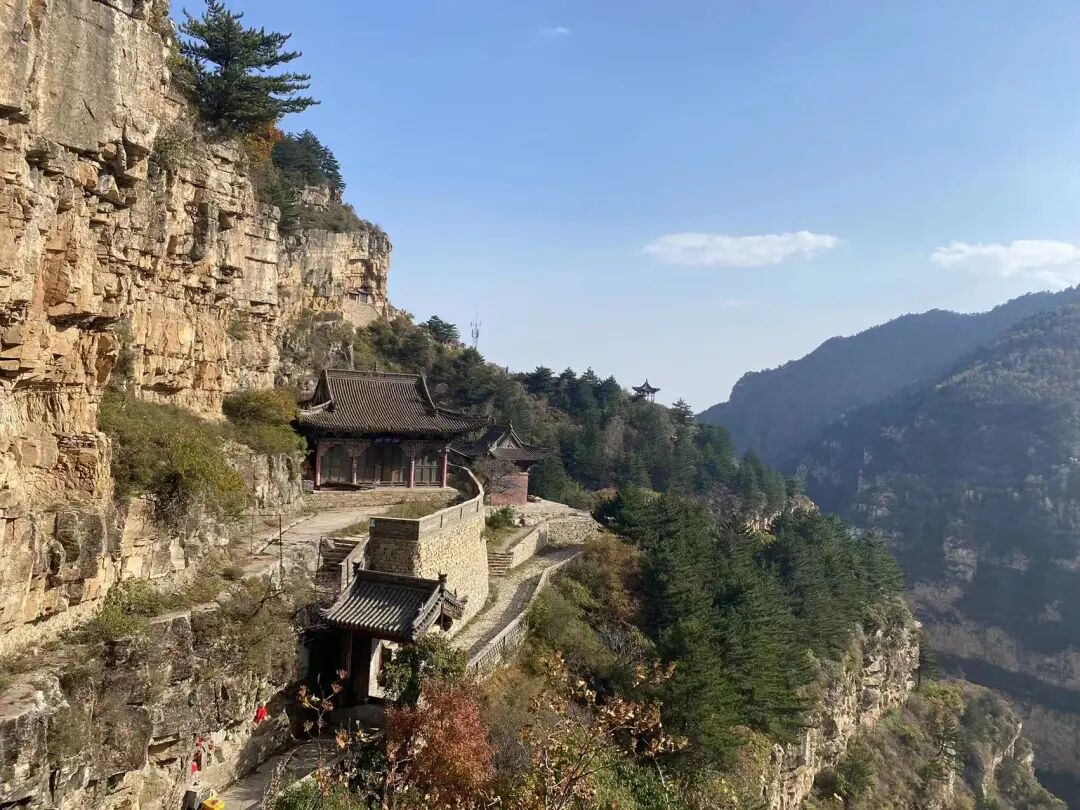
We marveled at Foguang Temple's exquisite murals and its immortal Tang dynasty timber architecture spanning over a millennium. Our guide explained that its remote location preserved it from excessive visitors until Liang Sicheng and Lin Huiyin discovered it, filling the void of surviving Tang architecture in China. Having just studied Zhuangzi, several fellows remarked together: 'The wisdom of Zhuangzi—preserved by being far from the crowd.'
At Bodhisattva Peak on Mount Wutai, spinning prayer wheels while listening to Tantric masters chanting mantras immersed everyone in profound serenity.
At Xiantong Temple, the abbot's discourse on human ethics and the Sinicization of Buddhism offered profound insights that benefited us all.
Seeking Beauty on a Splendid Day by the Si River
Successful Camp Conclusion
The academic camp concluded in full joy and fulfillment. We look forward to reuniting in the private tutorials, lecturer classes, and foundation classes—and meeting again at the 5th Academic Camp!
The Master said: 'The gentleman meets with friends on the basis of literature, and through friendship cultivates benevolence.'
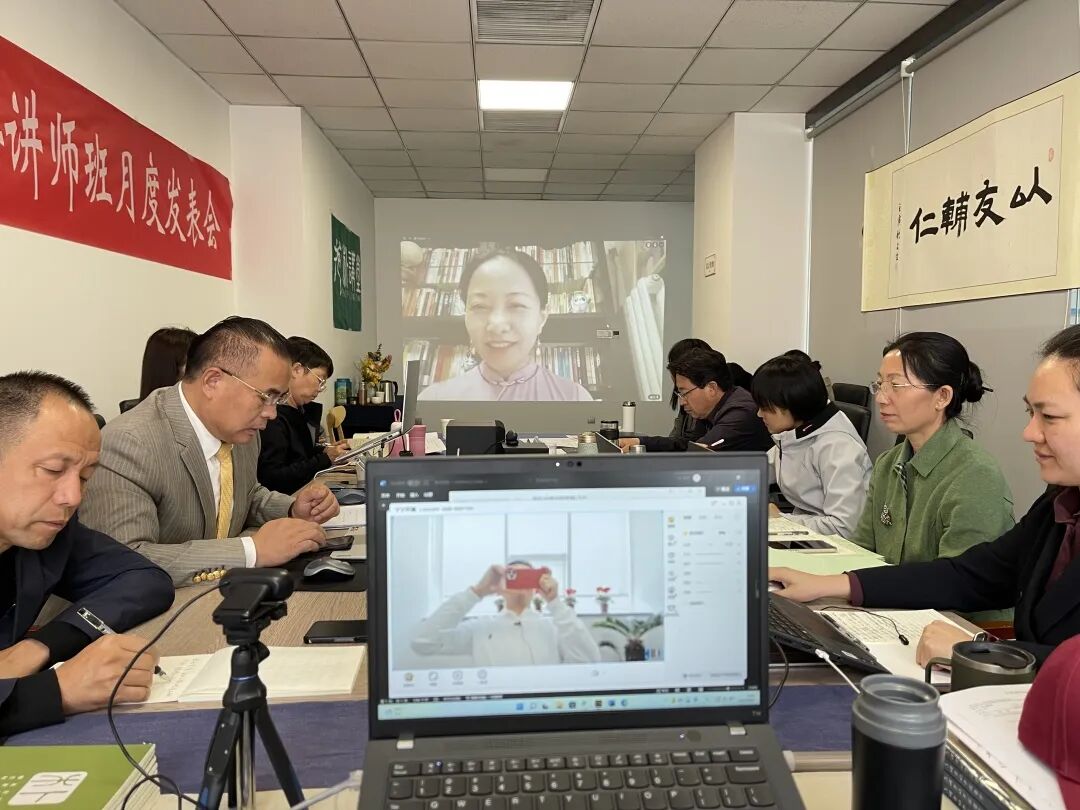
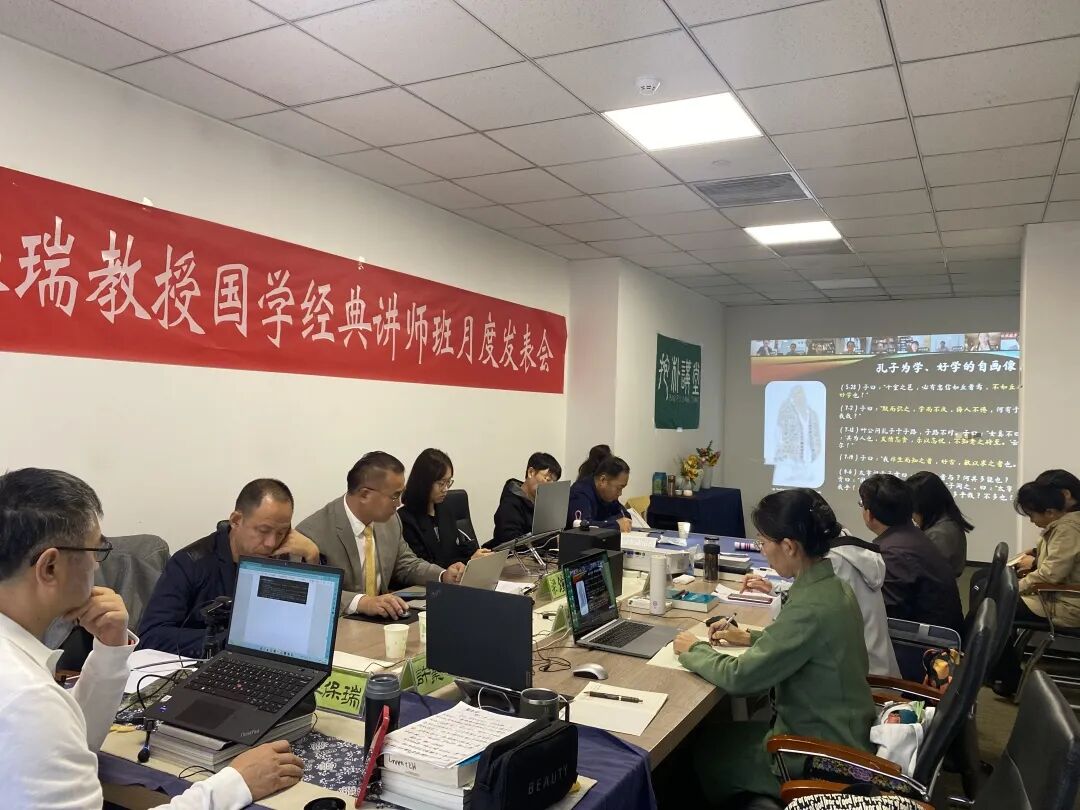
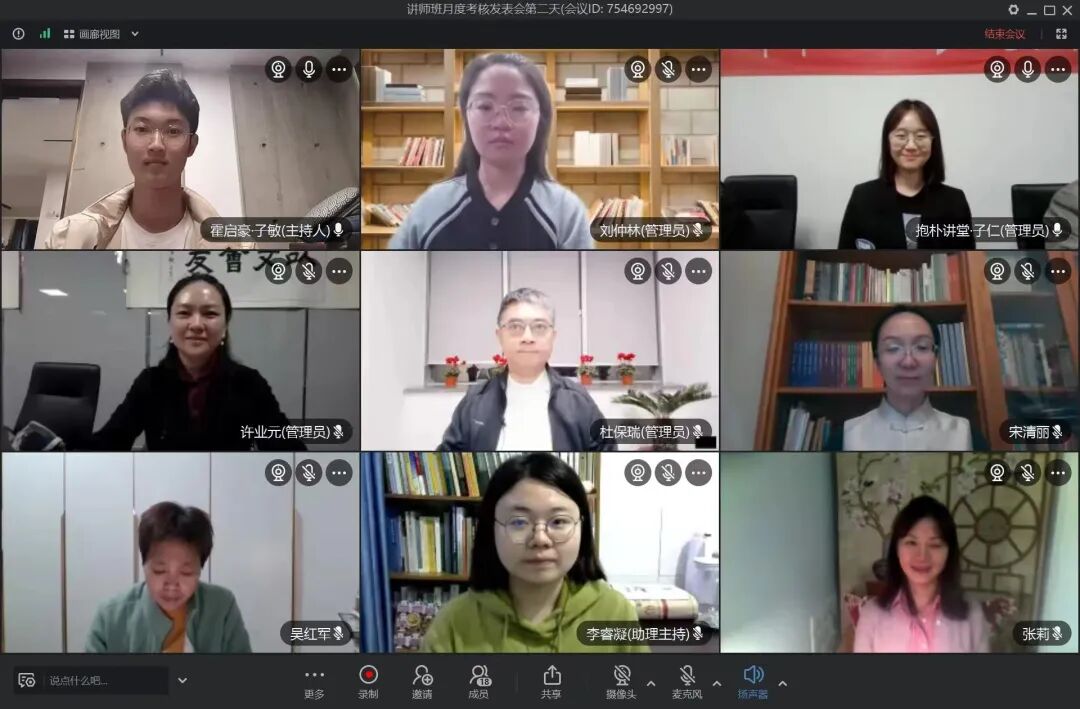
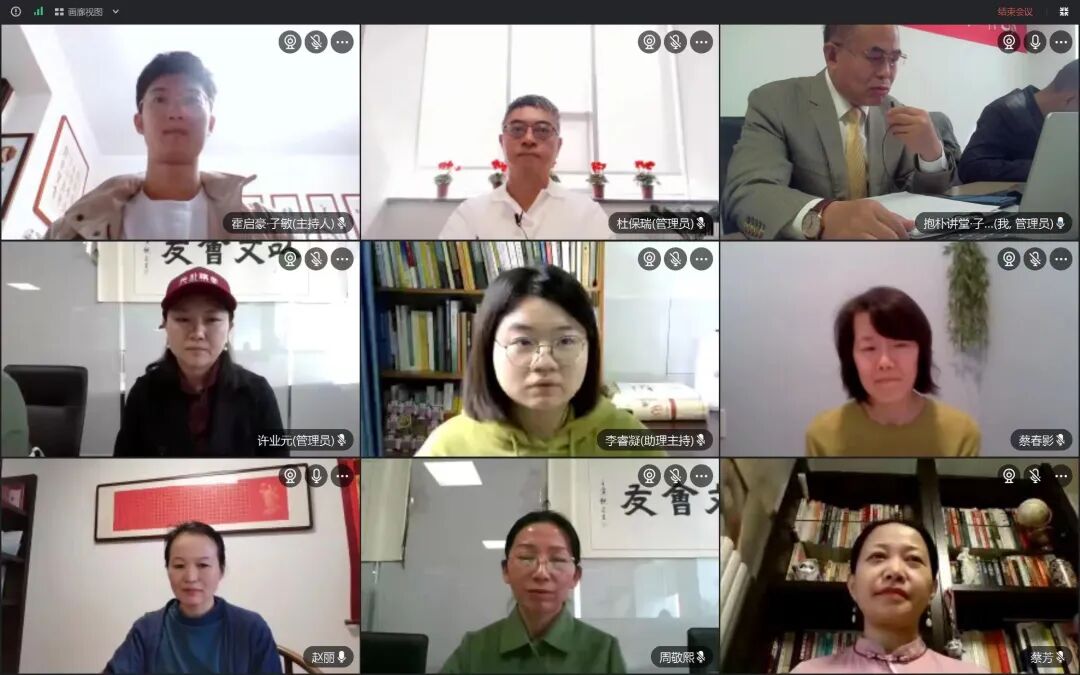
For this monthly examination of Baopu Lecture Hall's Classical Lecturer Class, Prof. Duh Bau-Ruei led fellow teachers to Xinzhou, a historic cultural city at the foot of Mount Wutai.
“
Xinzhou was chosen because several modest and dedicated top scholars in our class reside here, three of whom were elected by their peers as class committee members.
2022
10/4
Study
Facing Assessment with Serene Composure
· This course focused on the 'Learning' chapter of the Analects. Across two days, teachers tackled three milestones: first, passing Prof. Duh's curriculum examination;
· Second, composing a timed argumentative essay on a given prompt within one hour; third, presenting their monthly study reports on the 'Learning' chapter.
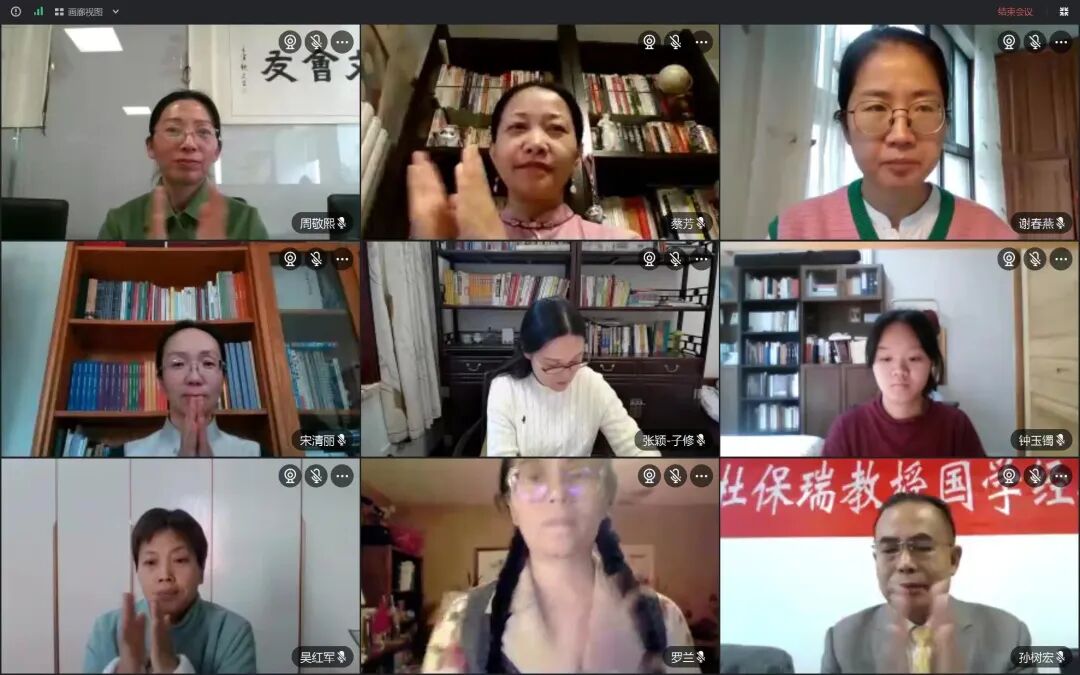
Over the two days, teachers shared their findings through diverse formats, allowing everyone to revisit and deepen their appreciation of the 'Learning' chapter.
Study
Report
REPORT
Through studying the 'Learning' chapter of the Analects, we came to appreciate a richer, more multi-dimensional, and vivid portrait of Confucius.
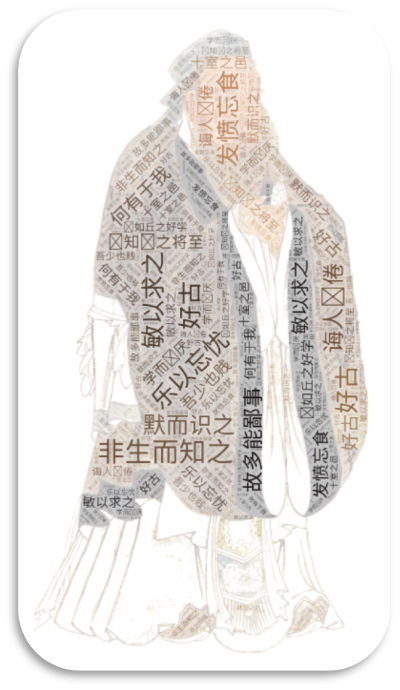
Teacher Luo Lan, joining from the United States, drew a 'self-portrait' illustrating Confucius's thought, vividly capturing his educational philosophy and lifelong ideals.
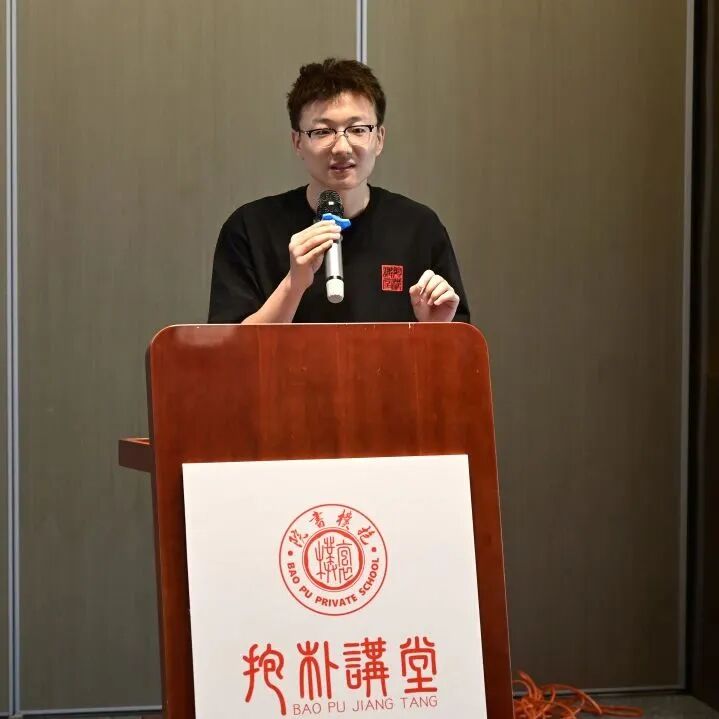
Teacher Liu Zhonglin, a doctoral student of Prof. Duh, offered a penetrating analysis of the relationship between Confucius's views on friendship and learning: seeing 'delight in learning' as grounded in firm resolve, he showed how learning through friendship builds upon trust, respect, and benevolence, concluding that connecting friendship and learning is the natural outcome of his ontology.
Prof. Shen Gang, researching rail vehicle dynamics at Tongji University, designed a structural thinking model of the Analects starting from the concept of learning.
Drawing on their respective strengths and expertise, the teachers broadened our horizons with rich, multifaceted perspectives for communal study of the Analects.
Commentary
Session
COMMENT
Mentor Prof. Duh Bau-Ruei provided patient, detailed, and insightful feedback on each teacher's report, encouraging everyone to persevere, cultivate diligently, and integrate philosophy with personal experience.
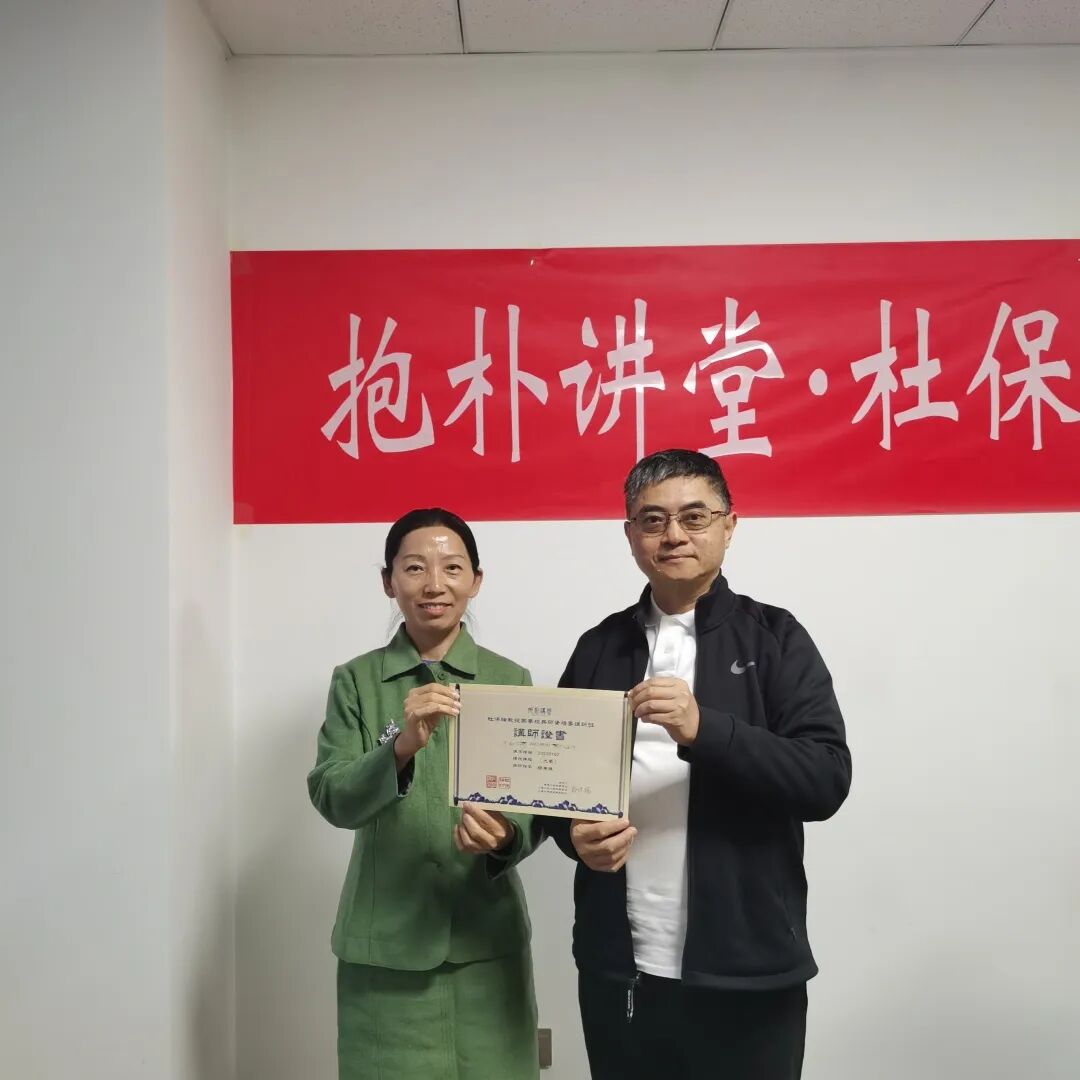
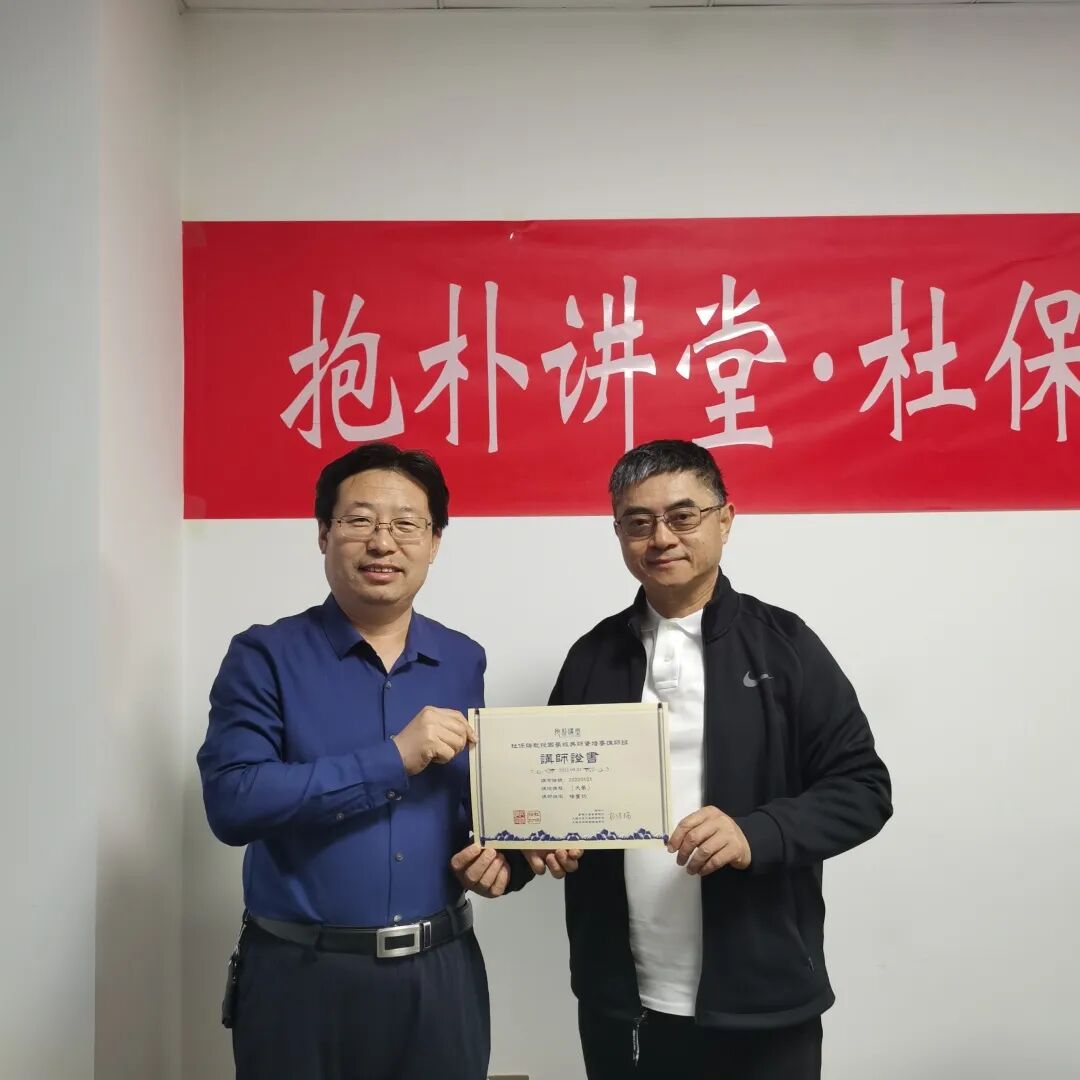
The works of the lecturer class teachers are preserved in the class anthology.
Lecturer Class · Anthology
Field
Tour
Journey to Xinzhou
Exploring Xinzhou
Xinzhou · Xiurong Academy
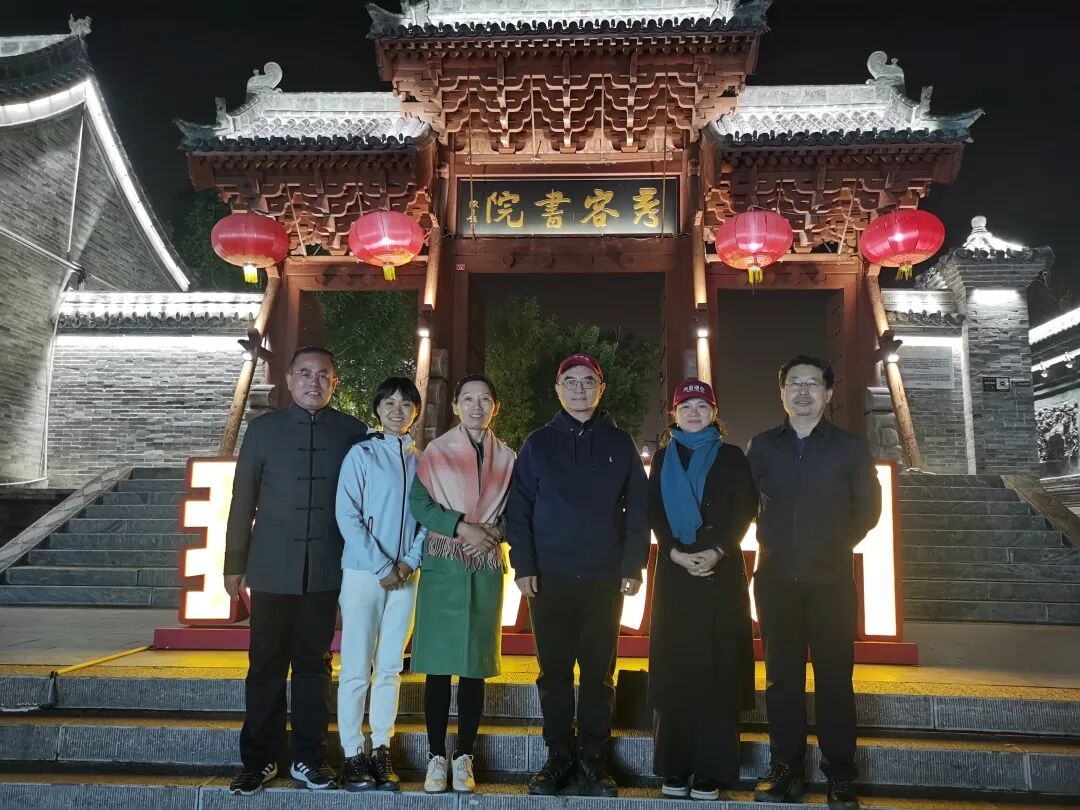
Between sessions, guided by the three local Xinzhou talents, we visited Xiurong Academy, founded during the Qianlong reign of the Qing dynasty as the highest local institution of learning. Today, restored Xinzhou Ancient City blends elegance with modern vitality, uniting cultural creativity, gastronomy, and leisure into a beloved landmark.
Xinzhou · Yanmen Pass
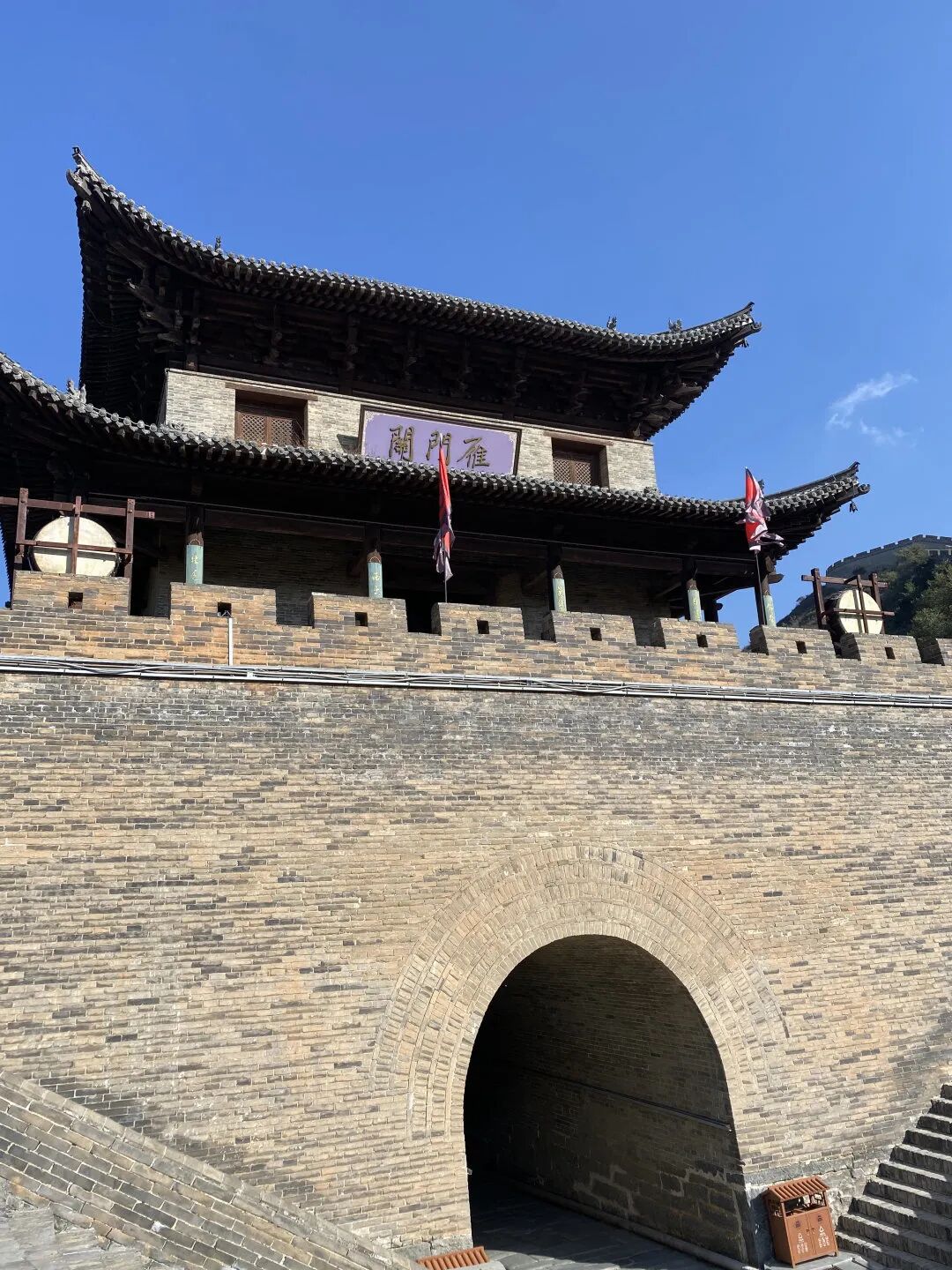
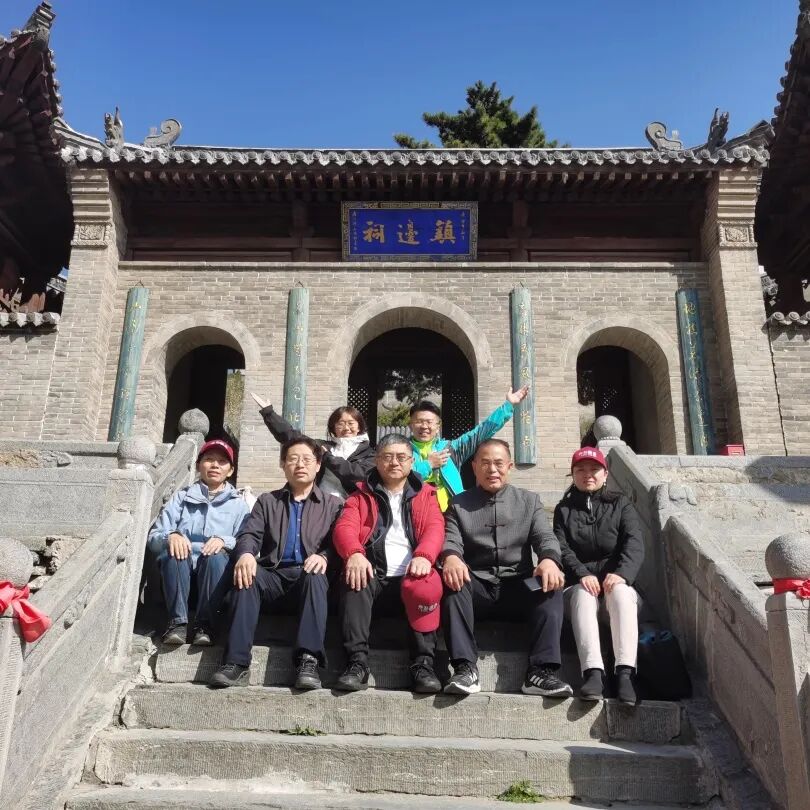
Visiting Xinzhou calls for exploring Yanmen Pass, the paramount fortress along the Great Wall known as 'First Pass of China'. The deep wheel ruts in the bluestone paving record the heroic deeds of Li Mu, Wei Qing, Huo Qubing, Li Guang, Wang Zhaojun, and the Yang family generals defending the realm.
Unrivaled hub across the three frontiers,
Foremost pass revered among the nine bastions.
Walking along its battlements, noble vitality rises beneath one's feet. Gazing across the Great Wall under clear skies and across scenic mountains, one feels that though ancient heroes have passed, their spirit endures to inspire generations of Chinese people.
Xinzhou · Bairenyan Zen Temple
In Xinzhou, Bairenyan Zen Temple, ancestral seat of Pure Land Buddhism, is an essential pilgrimage site.
Here, Master Huiyuan carved caves, built monasteries, expounded scriptures, and meditated, penetrating the subtleties of Dharma to open the Pure Land path and pioneer Chinese Pure Land Buddhism.
School
Visit
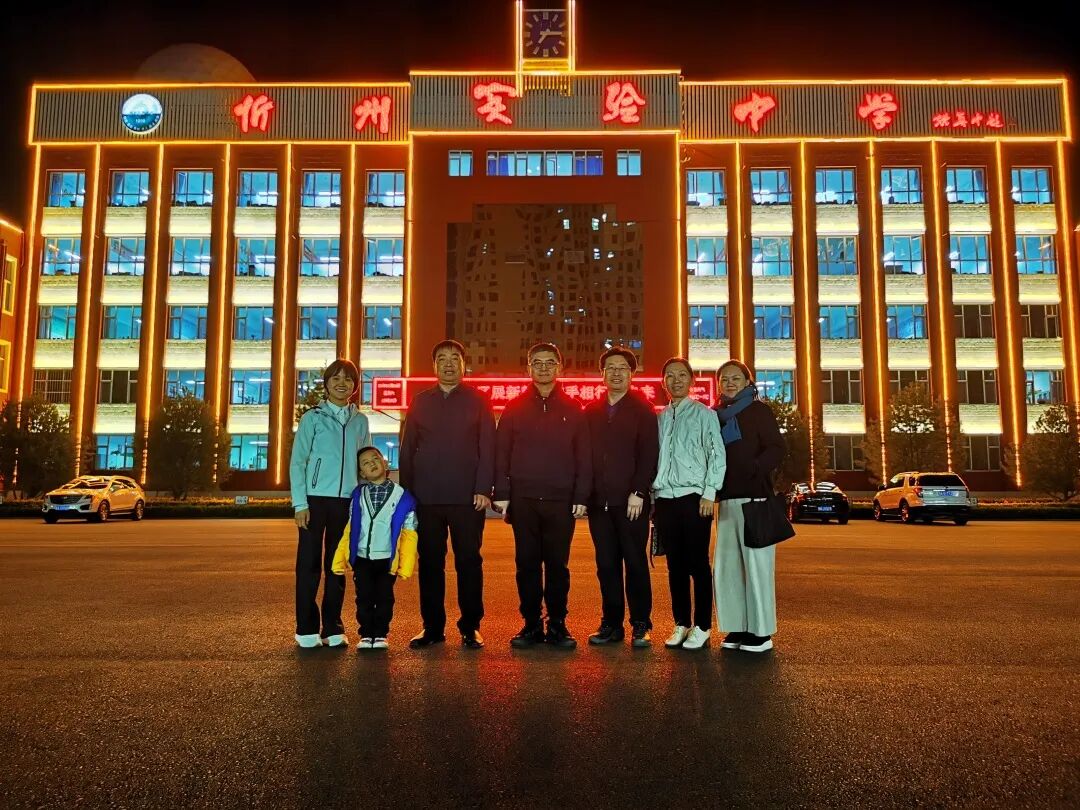
Xinzhou Experimental Middle School
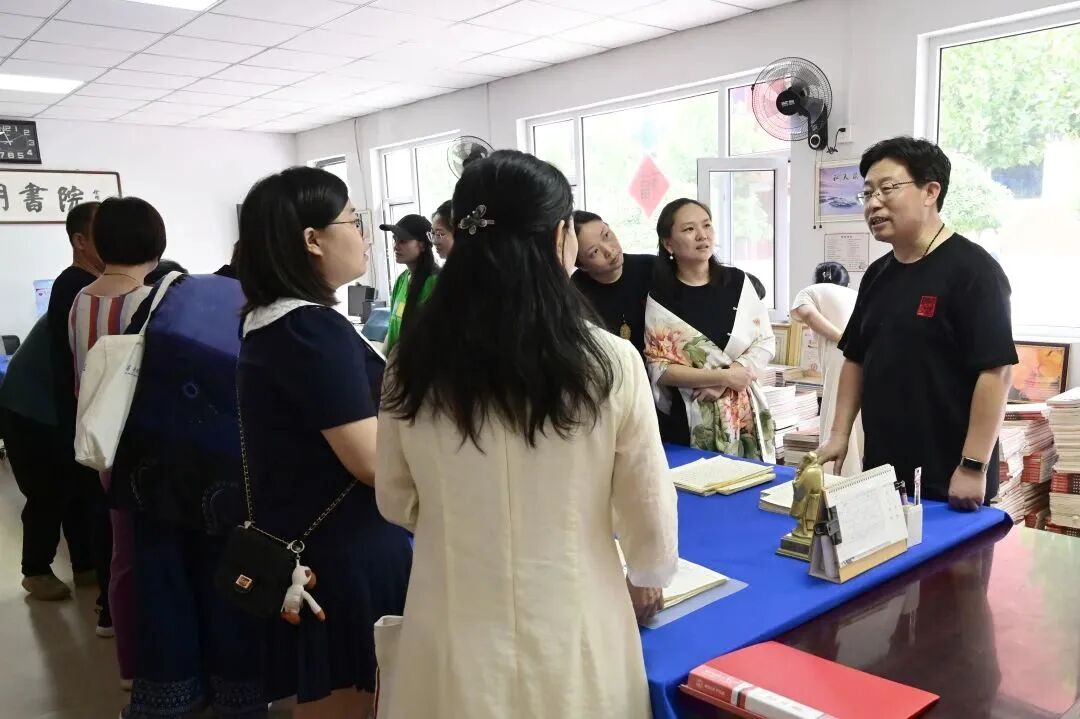
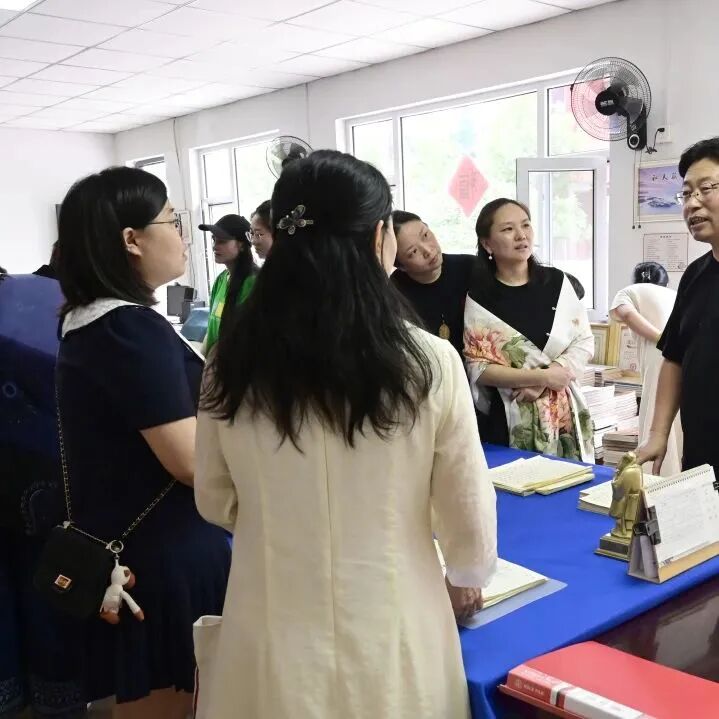
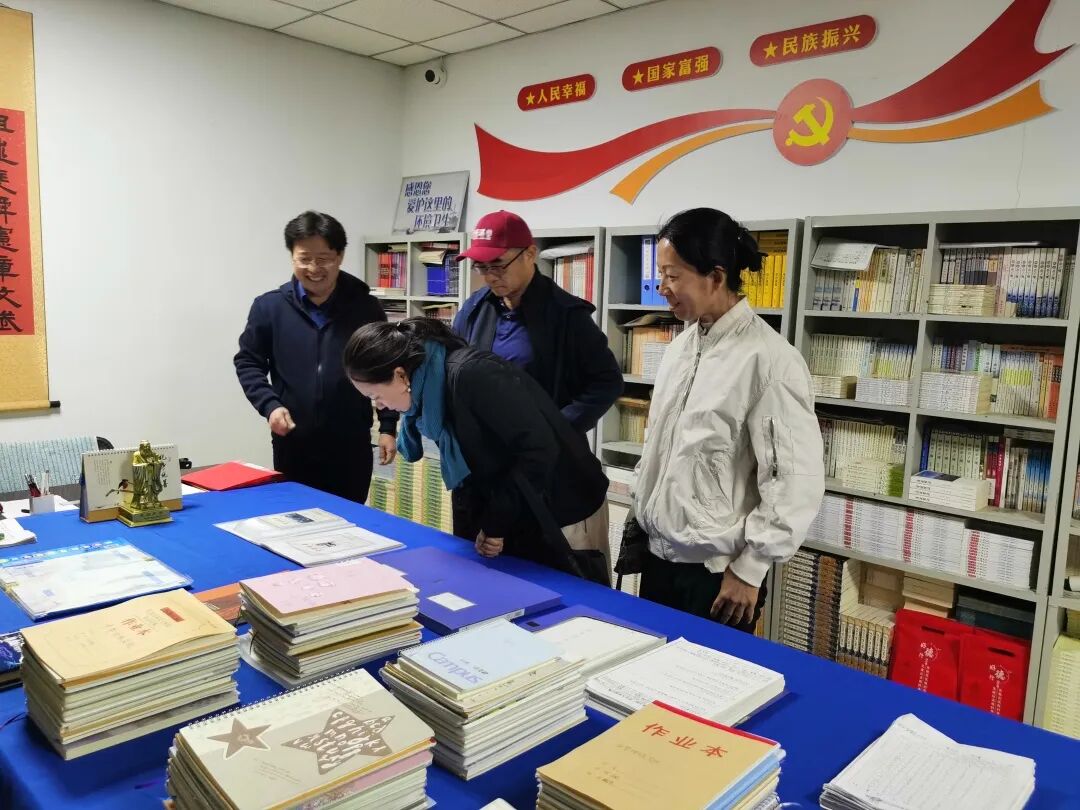
During free time, we had the honor of visiting the school of Teacher Yang Baojun: Xinzhou Experimental Middle School. As Party Secretary, Teacher Yang has long guided his team in integrating classical Chinese studies into campus education, bearing abundant fruit.
Zhixing Kindergarten
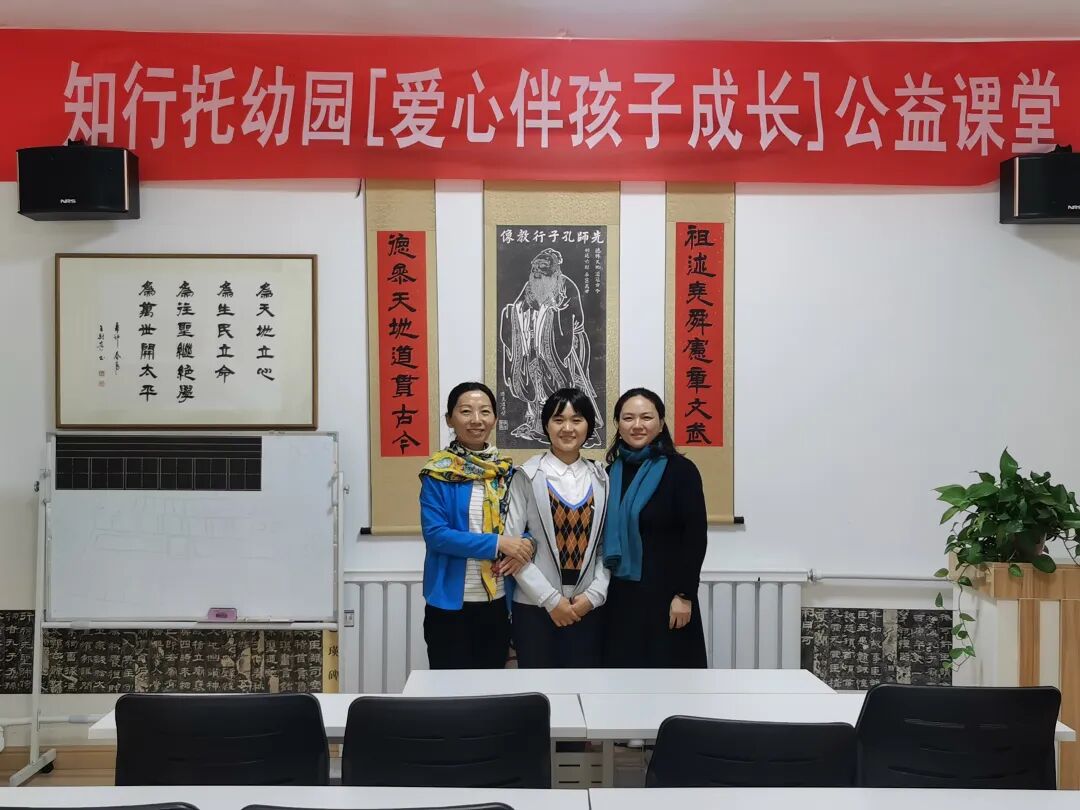
We also visited Zhixing Kindergarten, founded by Teacher Zhou Jingxi of the Lecturer Class, which emphasizes classical education, witnessing firsthand the vibrant vitality of classics taking root in community life.
Return
Journey
Farewell, Xinzhou
GOODBYE
During the National Day holiday, our Lecturer Class had the privilege of following Prof. Duh Bau-Ruei beyond Shanghai into the culturally storied city of Xinzhou. Filled with gratitude and inspiration, all teachers are eagerly anticipating our next journey of learning and discovery.