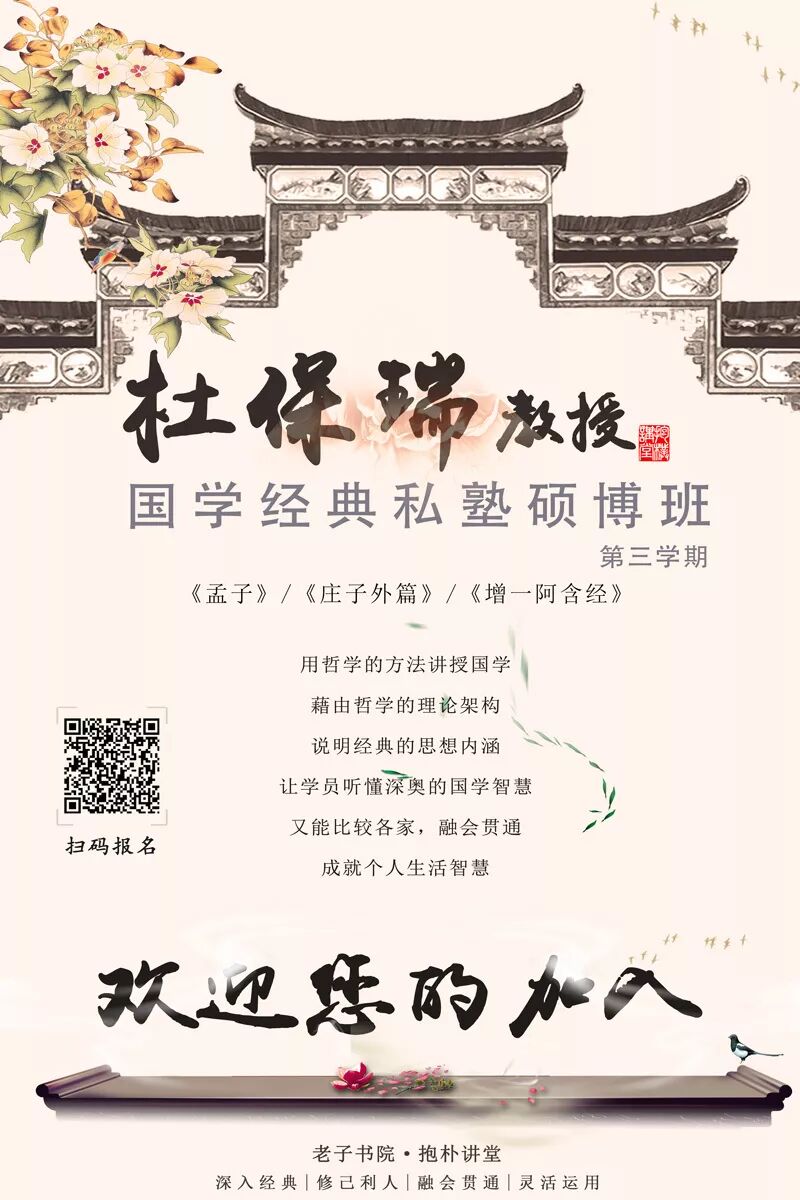
抱朴私塾班 · 国学经典专修Baopu Private Tutorial · Classics Study
抱朴私塾班Baopu Private Tutorial
“勤学在私塾,用功长友谊;三教免辩证,诸法皆通理。”"Diligent study in the tutorial, friendship grows through effort; the three teachings need no rivalry—all dharmas share one principle."
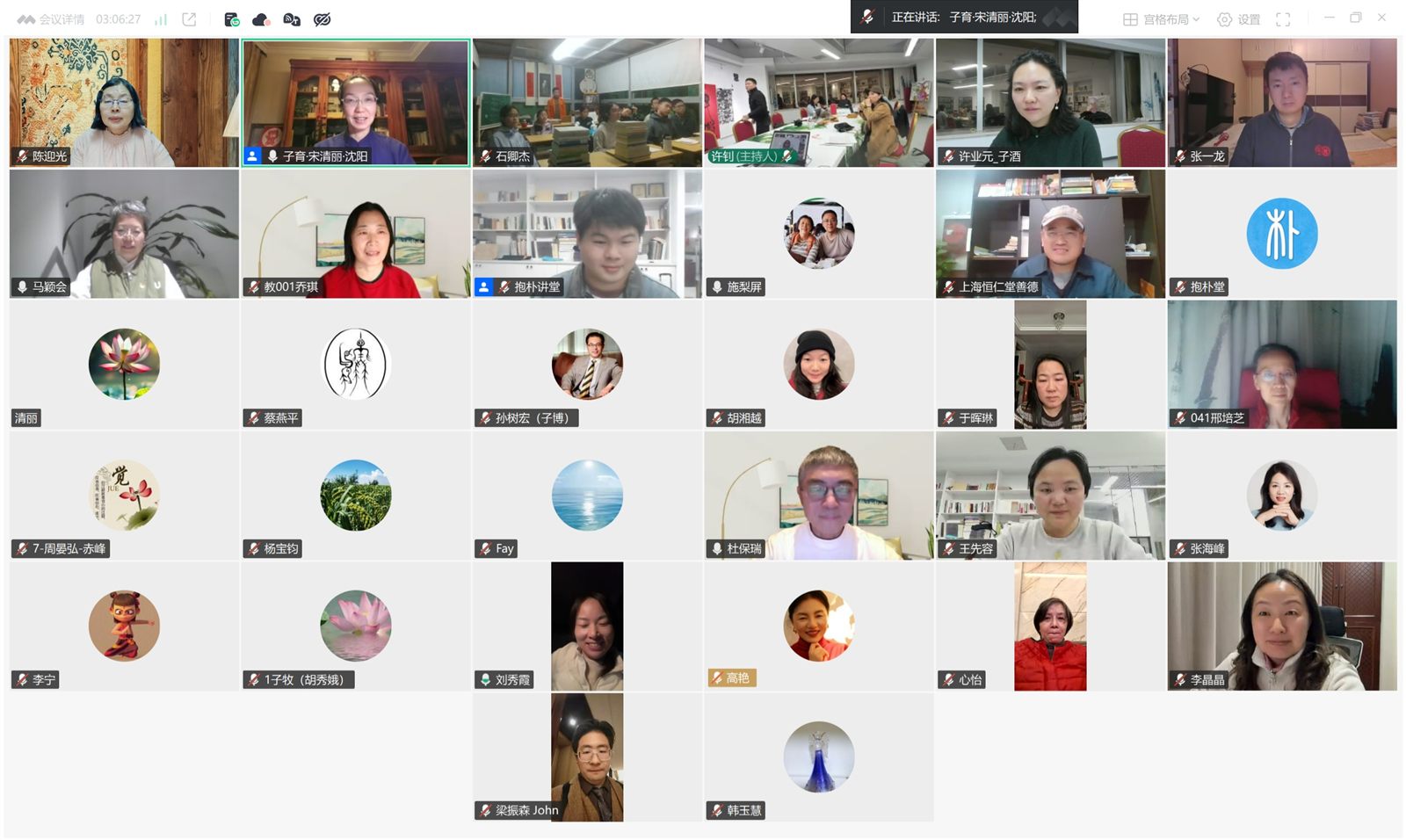
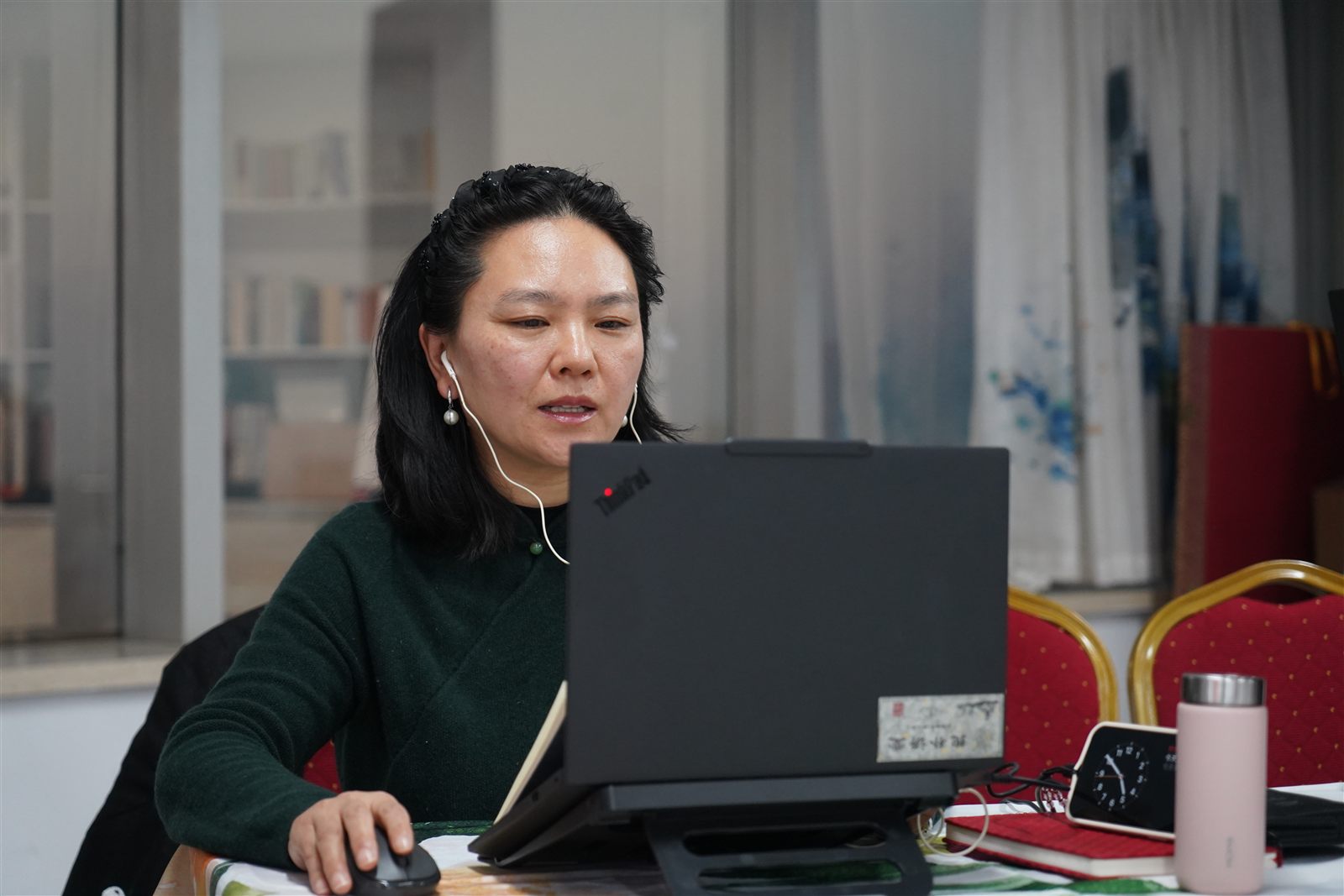
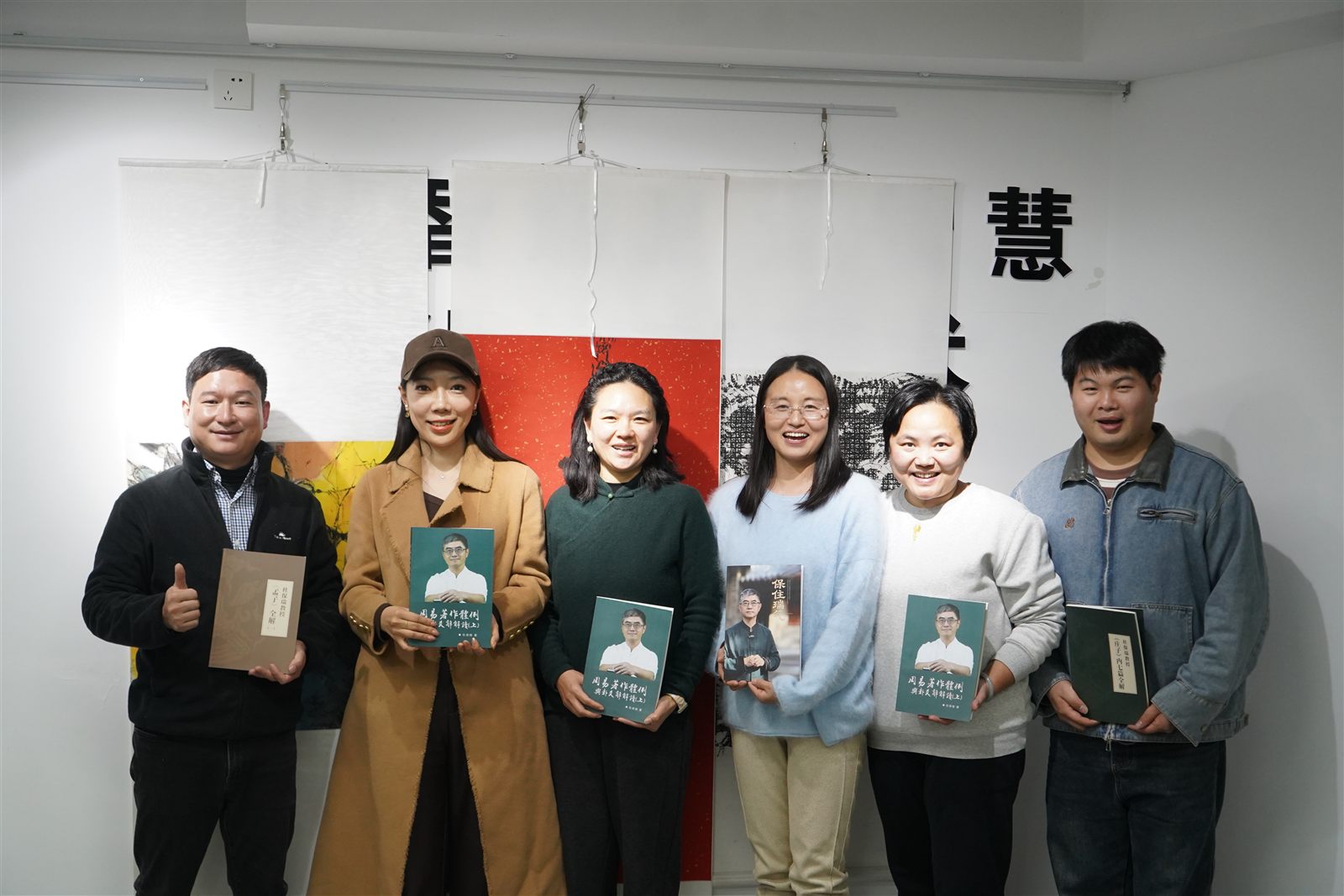
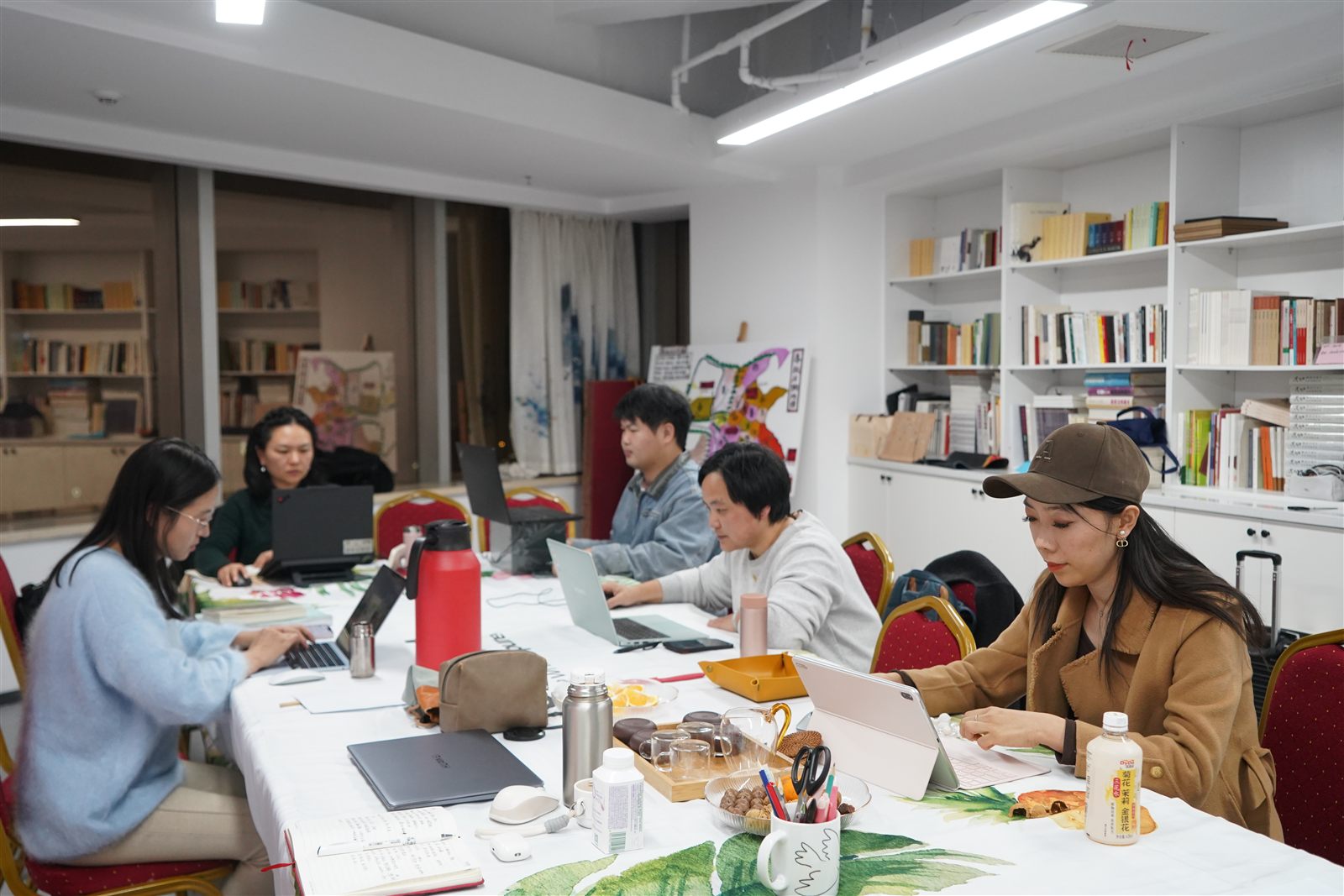
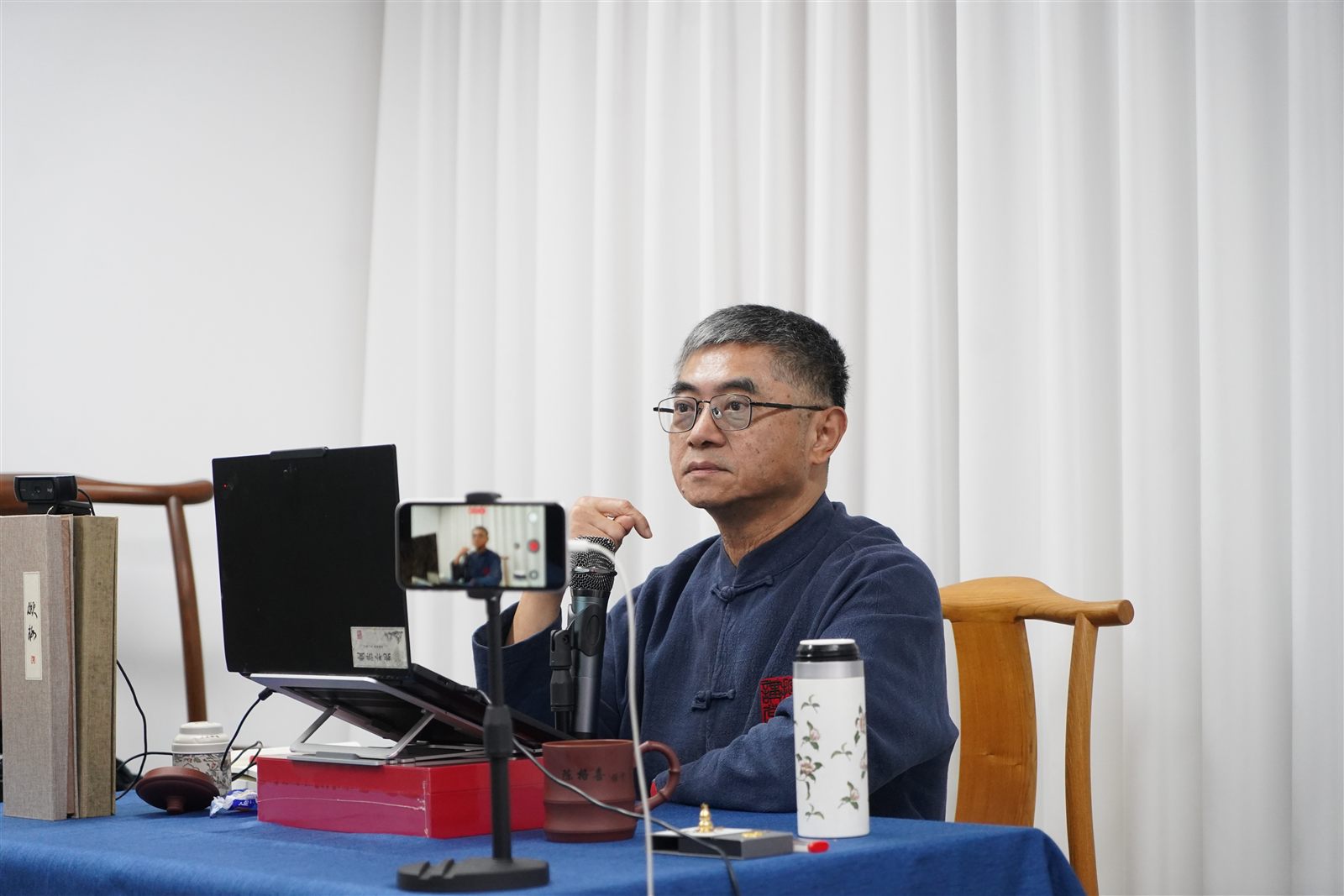
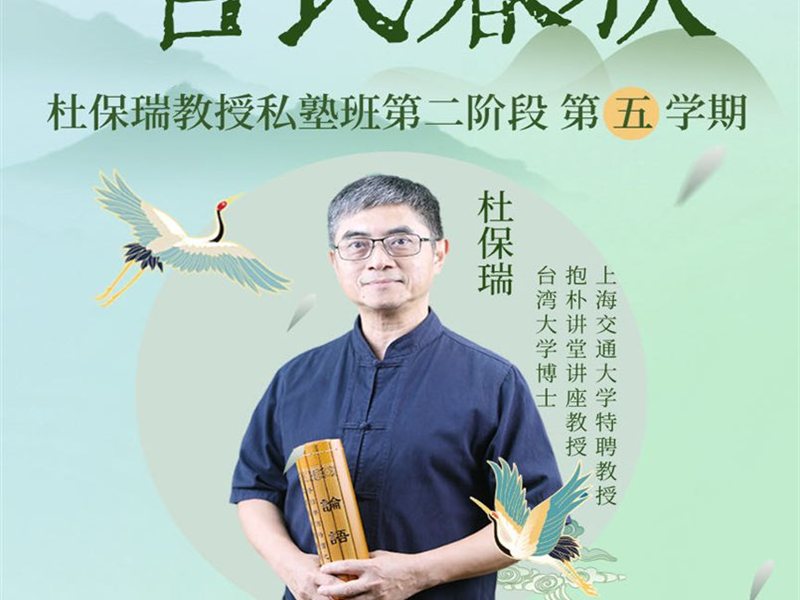
线下与线上并进,精读儒释道三家原典,由杜保瑞教授亲自领读与主持答辩, 在问答解惑、学术碰撞与同修切磋中,系统建立中国哲学义理架构与实践心法。Advancing on-site and online simultaneously, closely reading Confucian, Buddhist, and Daoist classics under the direct guidance of Prof. Duh Bauruei, systematically building philosophical frameworks and personal cultivation.
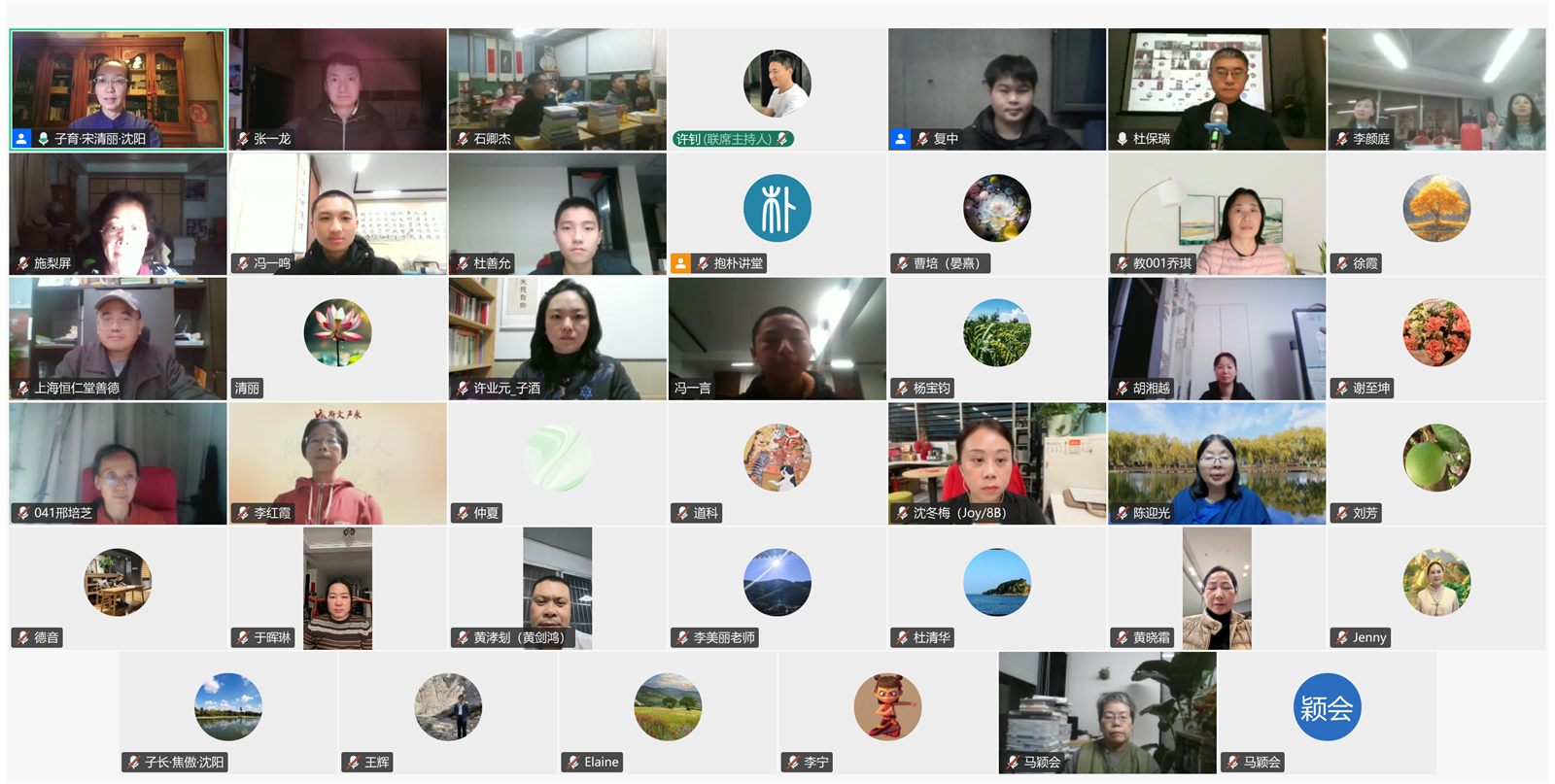
规制私塾规制 · 教学体制与研经体系Curriculum Framework & Academic System
扎根儒释道三教原典 · 恪守字句逐解之学 · 十六周学期进阶 · 线上线下百人共修 · 期末撰文答辩与学刊讲稿转化Rooted in Confucian, Daoist, and Buddhist canons with line-by-line rigor, 16-week semester progression, over 100 students online/offline, and thesis defense publications
01
逐字逐句讲授Word-by-Word Explication
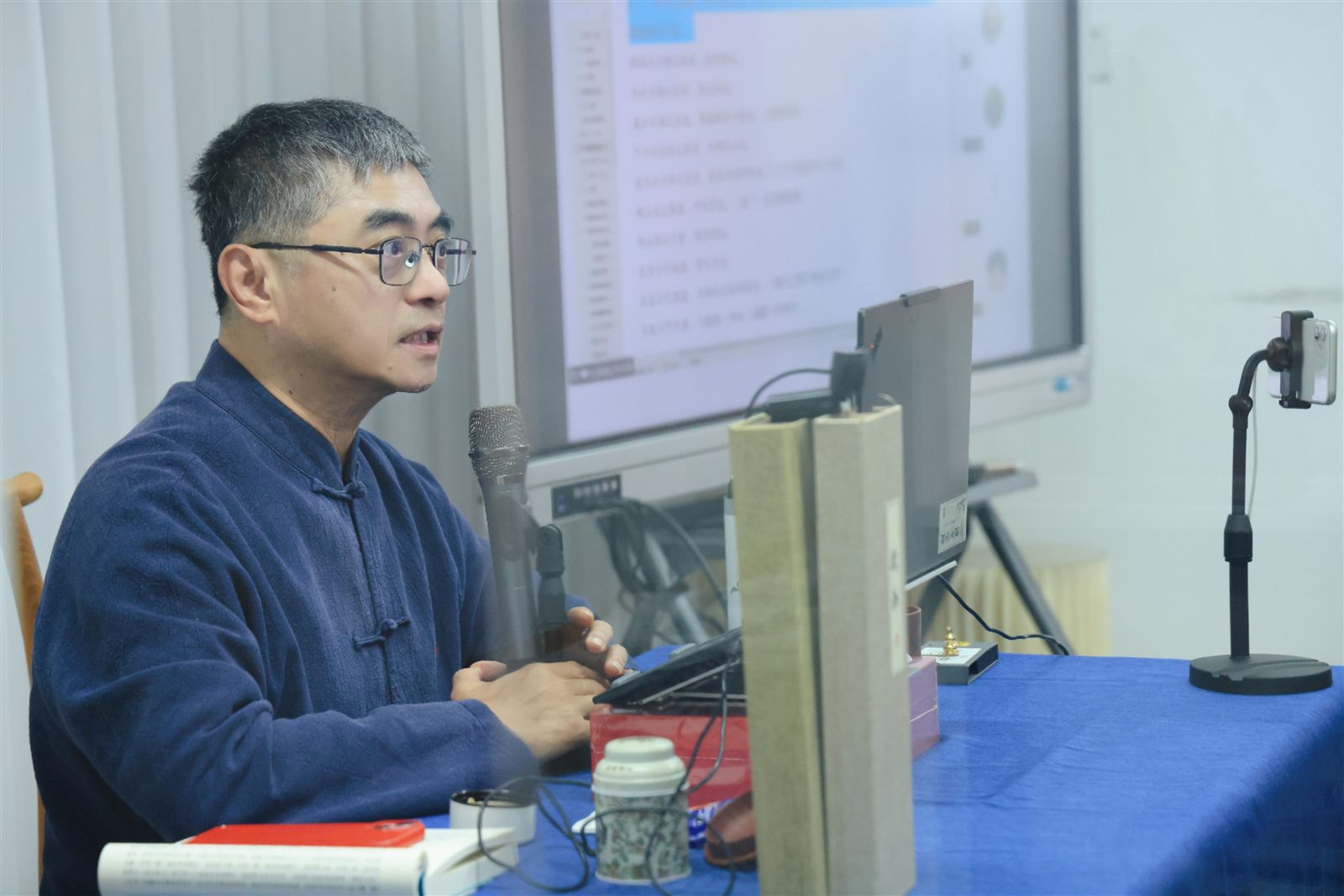
直面经典原典,深入义理微言大义, 杜保瑞教授逐句讲授疏解,力戒浮泛空谈。Directly confronting classical texts without hollow generalities; Prof. Duh Bauruei explicates every sentence meticulously.
02
十六周学期制16-Week Semester System
以十六周为一学期循序渐进, 历经八载扎实积淀,目前已稳步深耕至第十七学期。Structured in 16-week terms, steadily progressing over 8 years and currently advancing through its 17th semester.
03
三小时精讲 + 研讨3-Hour Lecture & Seminar
每次授课三小时深度精解, 课后紧接师生互动答疑与同修学术切磋,融会贯通。Three hours of in-depth lecturing per session, immediately followed by interactive Q&A and peer scholarly dialogue.
04
线上线下百人共修100+ Scholars Cohort
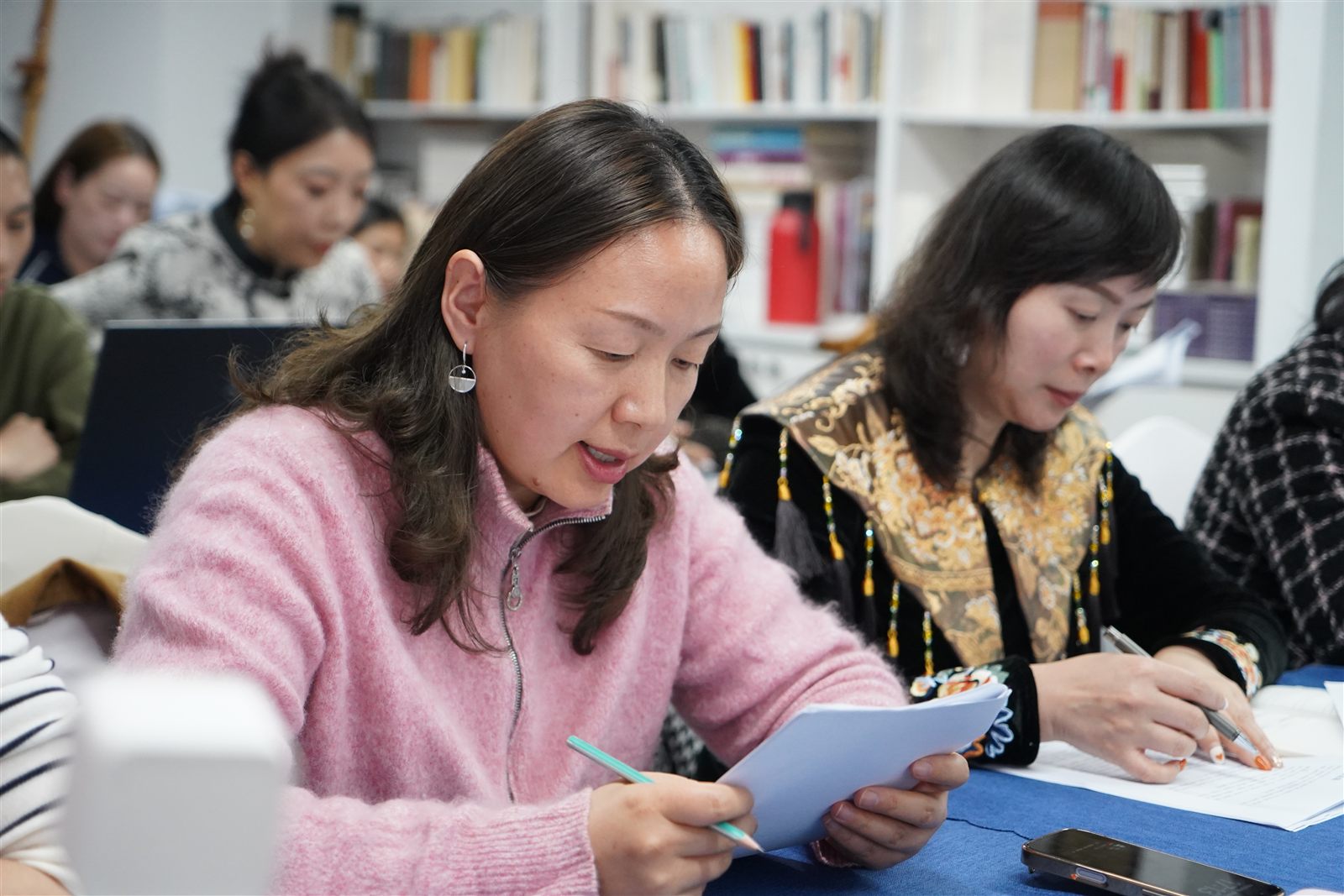
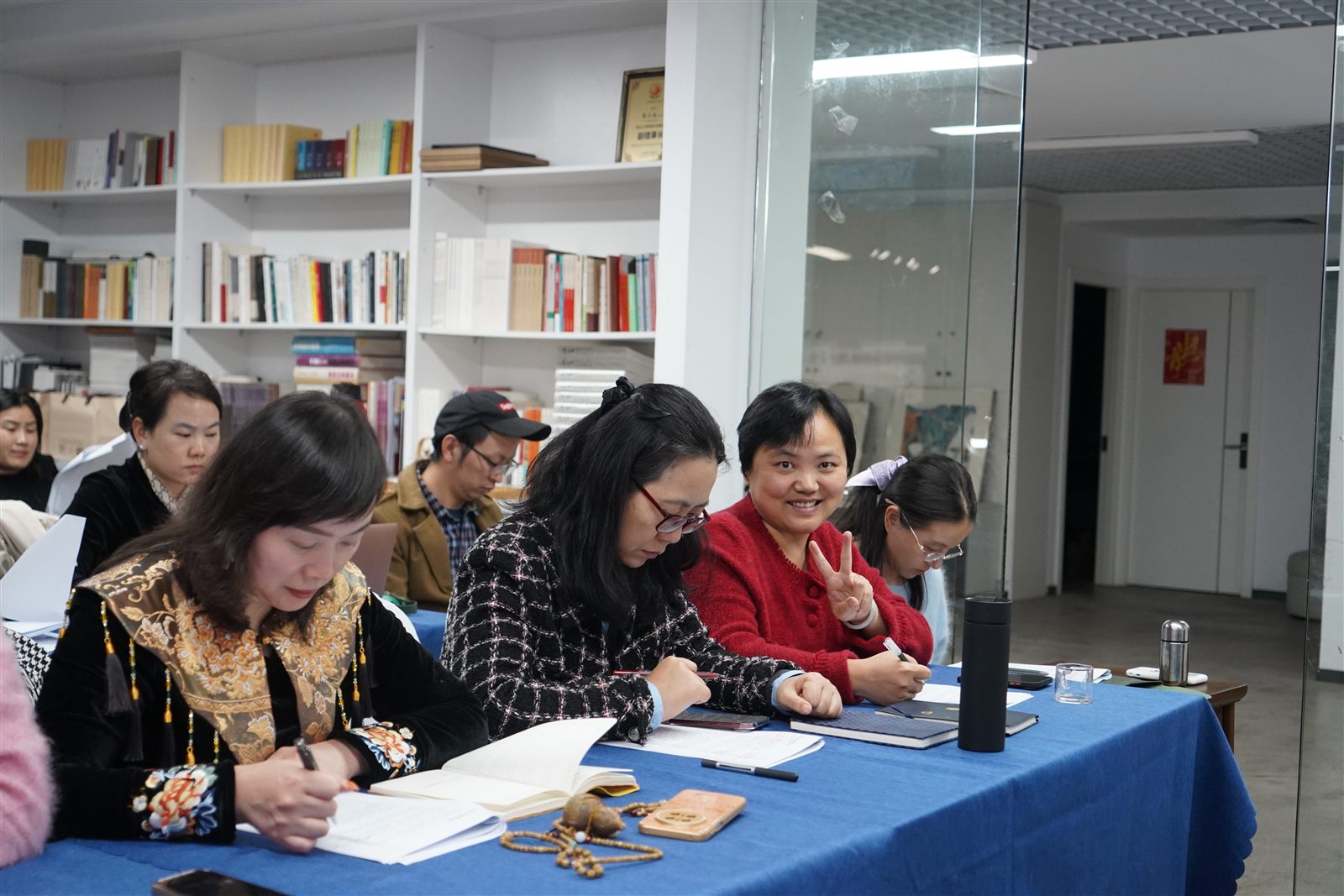
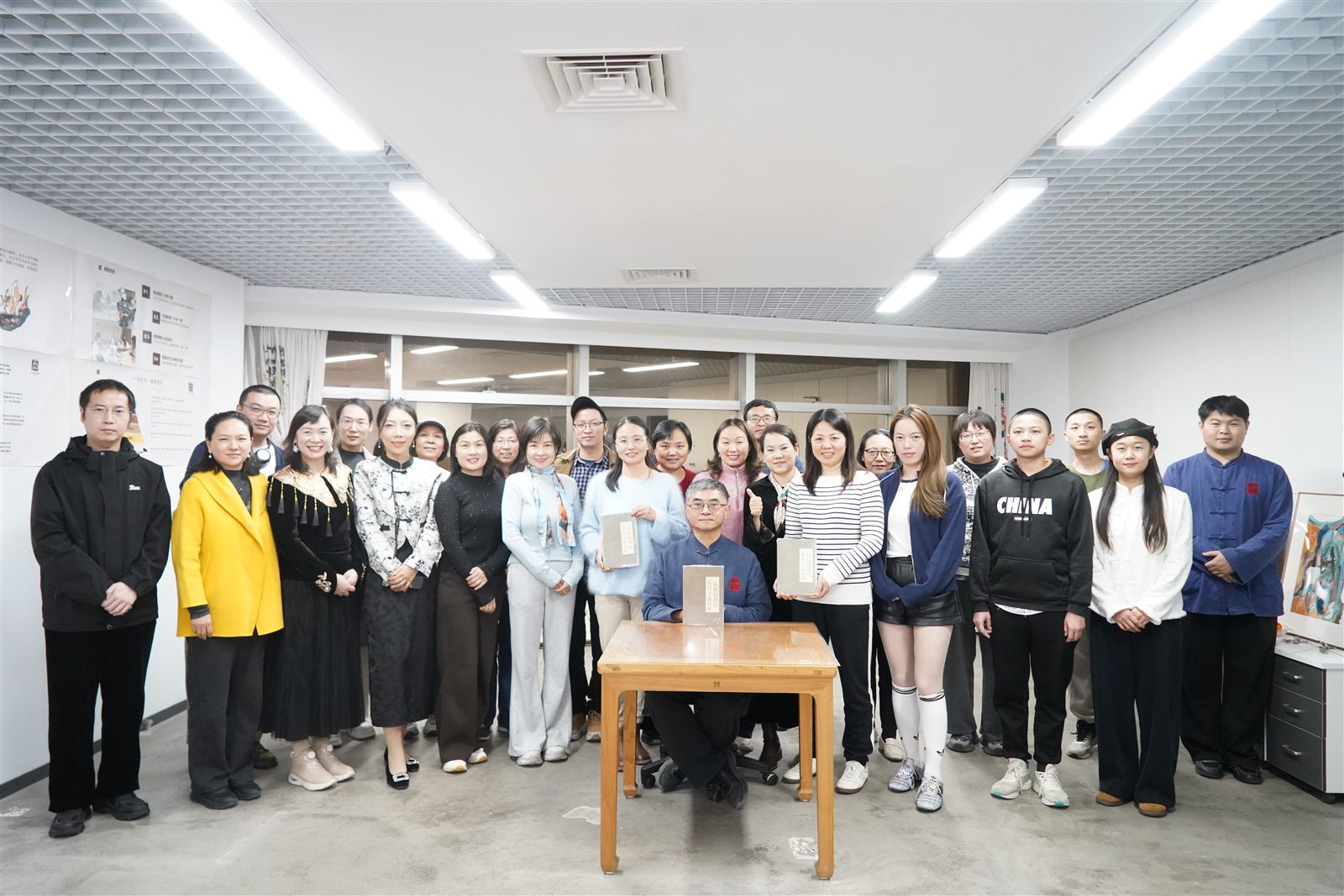
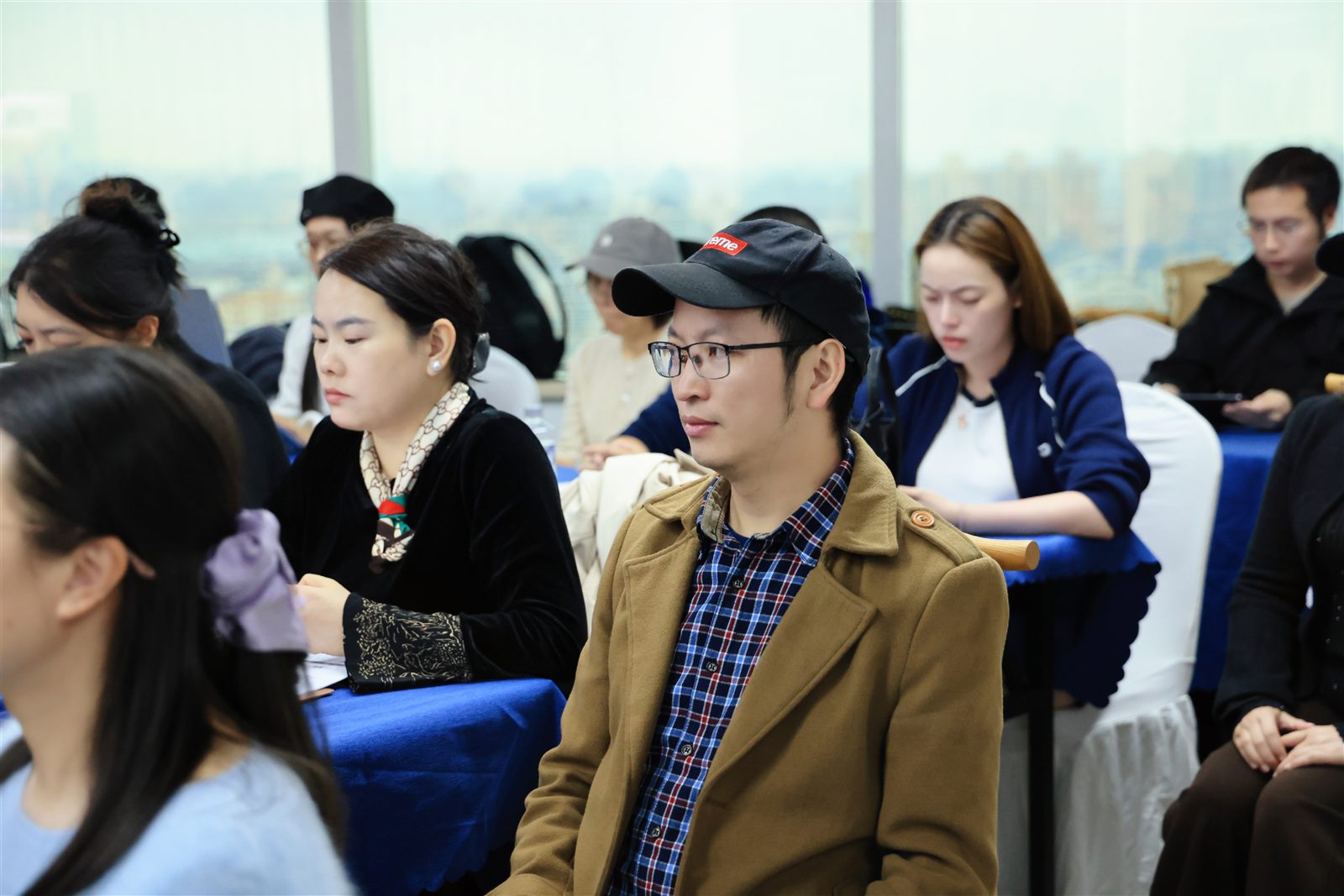
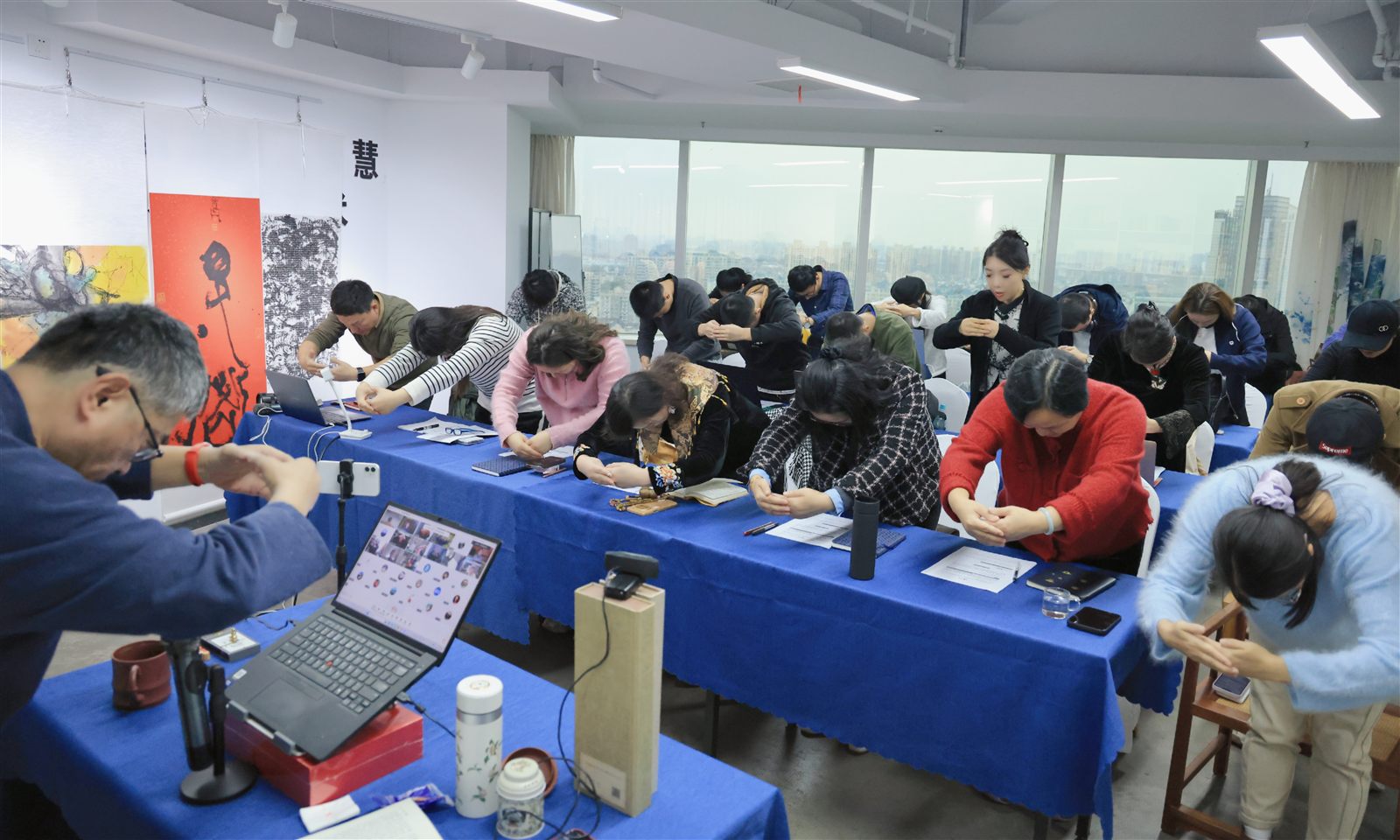
每学期约百位同学在线线下齐聚, 联动各地国学教育研究中心,形成浓厚纯正道风。Around 100 students join each semester online and on-site, connecting regional Baopu centers into a cohesive community.
【儒】儒学原典专席Confucian Canons
修己成德Virtue & Reason
精读经典书目:Selected Texts:
四书(论语·孟子·大学·中庸)周易(易传)太极图说通书正蒙(节选)朱子语类(节选 · 研习中)
涵盖四书学修己成德,深入易传阴阳天道,直贯宋明理学周濂溪、张横渠、朱晦庵理气与心性论。From Four Books self-cultivation to Yizhuan cosmology, Neo-Confucian metaphysics and moral psychology.
由根本阿含缘起四谛,进阶大乘般若实相、起信一心开二门,会通禅宗顿见自性与涅槃清净。From Agama dependent origination to Mahayana Prajna, Awakening of Faith, Chan sudden enlightenment and Nirvana.
每次讲堂课后即时提交札记心得,紧扣原典文本细密体察,把义理知识真正内化为修身工夫。Submit written notes after each lecture to digest canonical teachings into personal cultivation.
贰
期末专论发表Term Theses
每期结课撰写学术专论公开发表,对所研经籍进行严密的哲学诠释与系统构建,提升独立治学水准。Author specialized academic theses each semester for public distribution and rigorous evaluation.
叁
名师逐一点评Faculty Defense
导师杜保瑞教授亲自主持学术报告会与答辩会,逐篇面对面剖析指瑕,辨析义理分寸,匡正学术理路。Prof. Duh Bauruei personally conducts symposia to critique each paper and clarify philosophical subtleties.
办学成效 · 三维收获化境Educational Outcomes · Three Dimensions
八载实效Harvest
壹
学人沉浸经典Classic Immersion
同修常年沉浸于严谨纯正的学术交流生态中,精研儒释道元典,明辨哲学义理,涵养温润气度。Students engage in year-round rigorous seminars, fostering profound scholarly integrity.
贰
名师融会贯通Systematic Synthesis
杜保瑞教授将毕生学术积淀倾囊相授,打通三教脉络,建立以“四方架构”为核心的中国哲学清晰诠释体系。Prof. Duh Bauruei imparts his lifetime scholarly accumulation, synthesizing the Three Teachings and establishing a clear interpretation system centered on the "Four-Fold Philosophical Framework" (四方架构: Ontology, Cosmology, Cultivation Theory, and State of Existence Theory).
叁
累积录音讲稿Archival Publications
现场授课与研讨录音经字斟句酌系统精校,沉淀出逾百篇学术讲稿,持续作为《抱朴学刊》核心文献库传播。Lectures and Q&A transcripts are systematically edited into over 100 archival papers for Baopu Journal.
私塾硕博班期末答辩论文公开发表案例Featured Doctoral Defense Papers Published
学术转化Published Research
赵延风 博士Dr. Zhao Yanfeng
北京大学对外汉语教育学院副教授 · 首届私塾博士Assoc. Prof., Peking Univ. · First Baopu Doctor
《杜保瑞中国哲学阐释架构及其实践运用特色概述》"Overview of Prof. Duh Bauruei's Hermeneutic Framework for Chinese Philosophy"
《抱朴学刊》第1期收录Baopu Journal Issue 1期末答辩论文Defense Thesis#四方架构#Four-Fold Framework (四方架构)十二学期亲历12-Term Research
赵延风副教授基于亲历私塾六年整12个学期的深造体验,从学者亲历视角系统提炼杜保瑞教授“四方架构”(本体论、宇宙论、工夫论、境界论)作为中国哲学经典诠释进路的贯通逻辑与实践运用特色。Drawing from her 12-semester immersion in the tutorial, Assoc. Prof. Zhao systematically articulates Prof. Duh Bauruei's "Four-Fold Framework" (四方架构: Ontology, Cosmology, Cultivation Theory, and State of Existence Theory) as an integrated hermeneutical methodology for Chinese philosophical classics.
原题《论本体工夫下的朱子读书法》,立足中国哲学本体工夫论高度,将朱子读书六法(循序渐进、熟读精思、虚心涵泳、切己体察、着紧用力、居敬持志)转化为当代学人深入经典的实修心法。Originally titled "Zhu Xi's Reading Methodology from the Perspective of Ontological Cultivation", this paper explores Zhu Xi's reading methodology (朱子读书法) based on ontological cultivation theory (本体工夫论), translating Zhu Xi's Six Principles of Reading into actionable spiritual cultivation methods for contemporary scholars.
系统研习儒释道三教核心经典 · 八年积淀共17个学期完整进路(授课录音文字稿详见下方【讲义文库】)Systematic study of Confucian, Daoist, and Buddhist classics over 17 semesters (Transcripts available in Handouts Library)
聚焦高亮:Highlight:
学期Semester
开学时间Term Date
儒家经典研读Confucian Classics
道家经典研读Daoist Classics
佛学经典研读Buddhist Classics
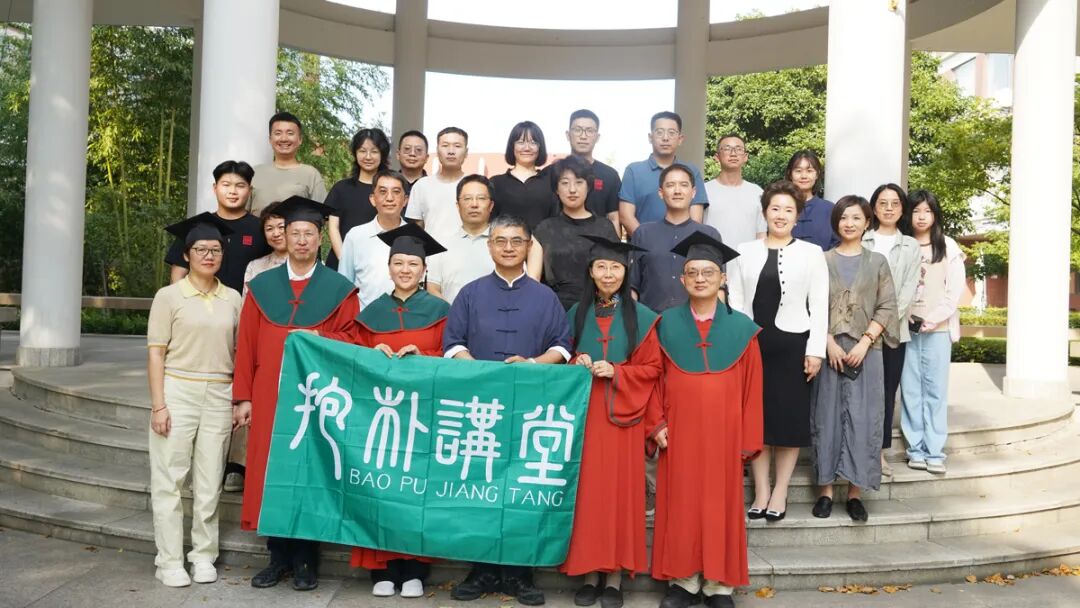
影集私塾班研学影集Study Photo Albums
按研学日期建册留影 · 记录同修研经、答辩与交流的精彩瞬间(点击照片查看大图)Captured moments of lectures, discussions, and exchanges organized by date (click to enlarge)
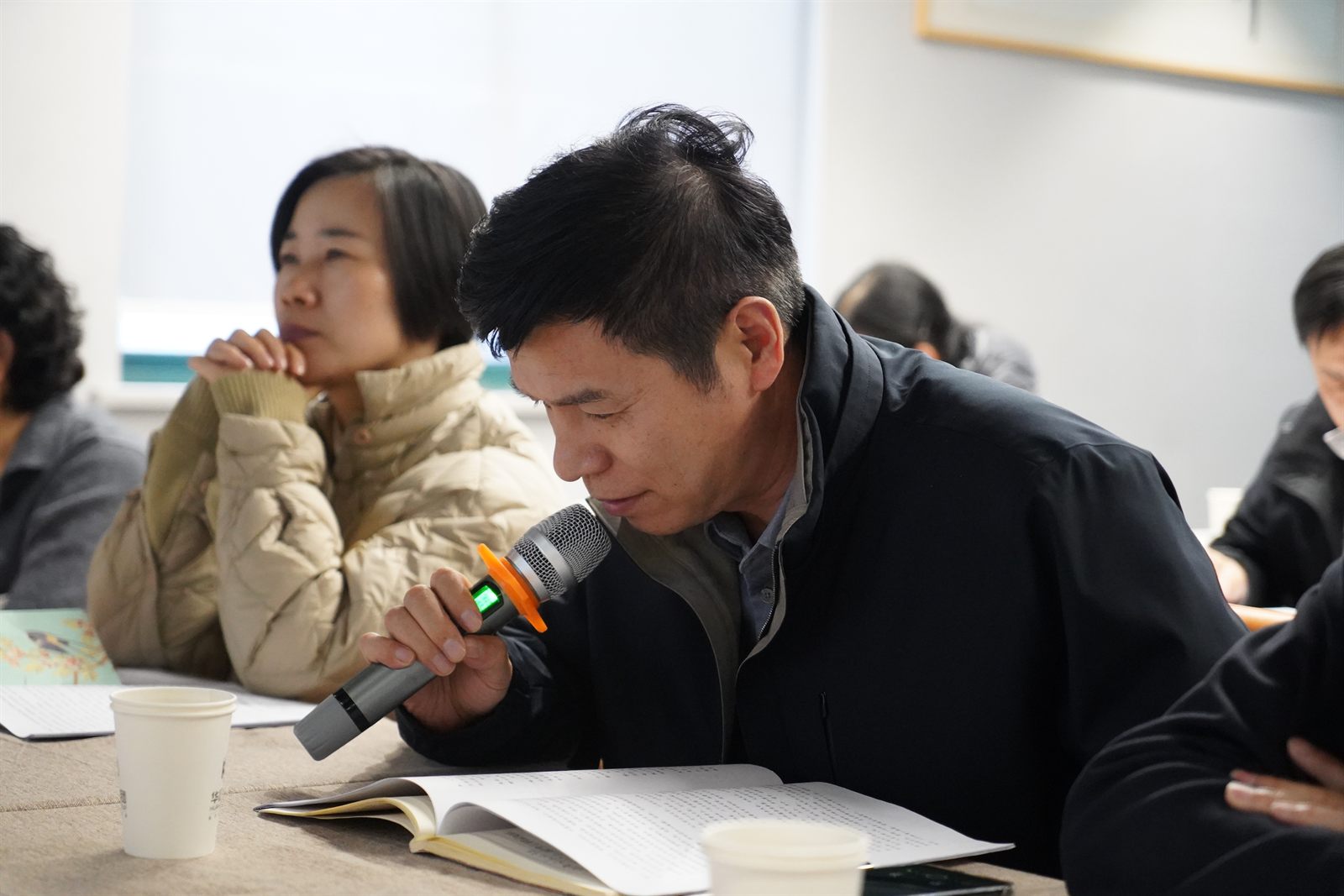
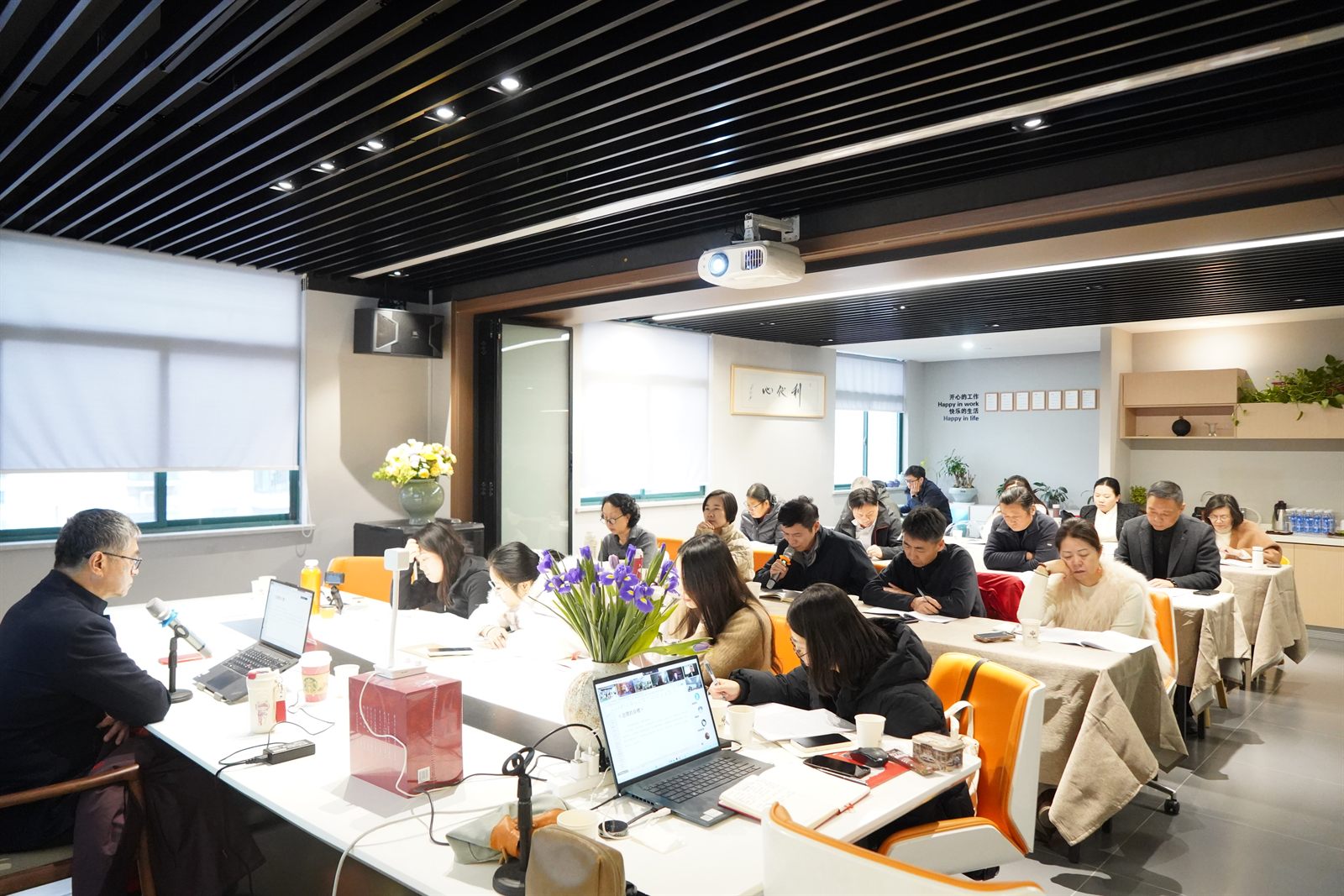
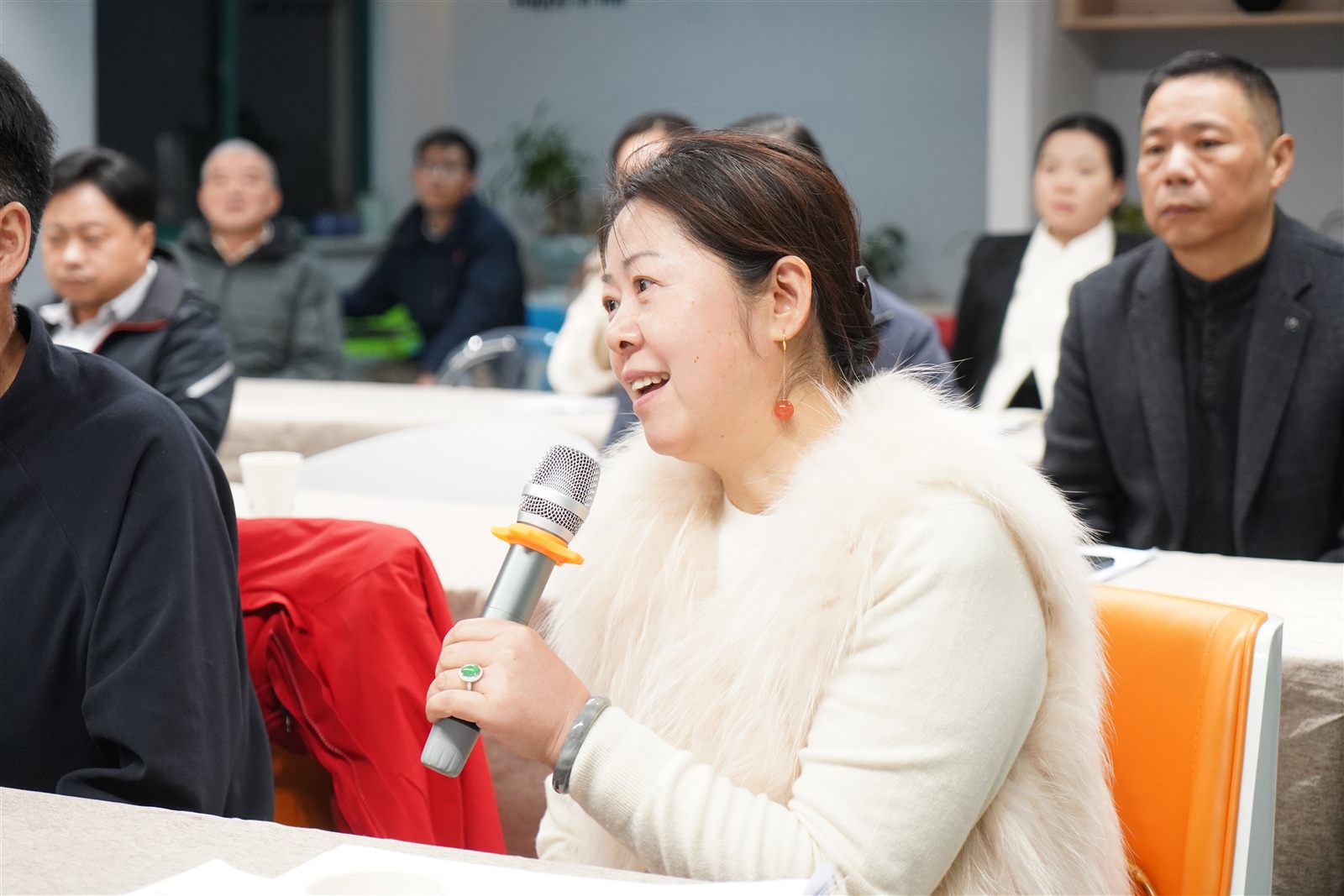
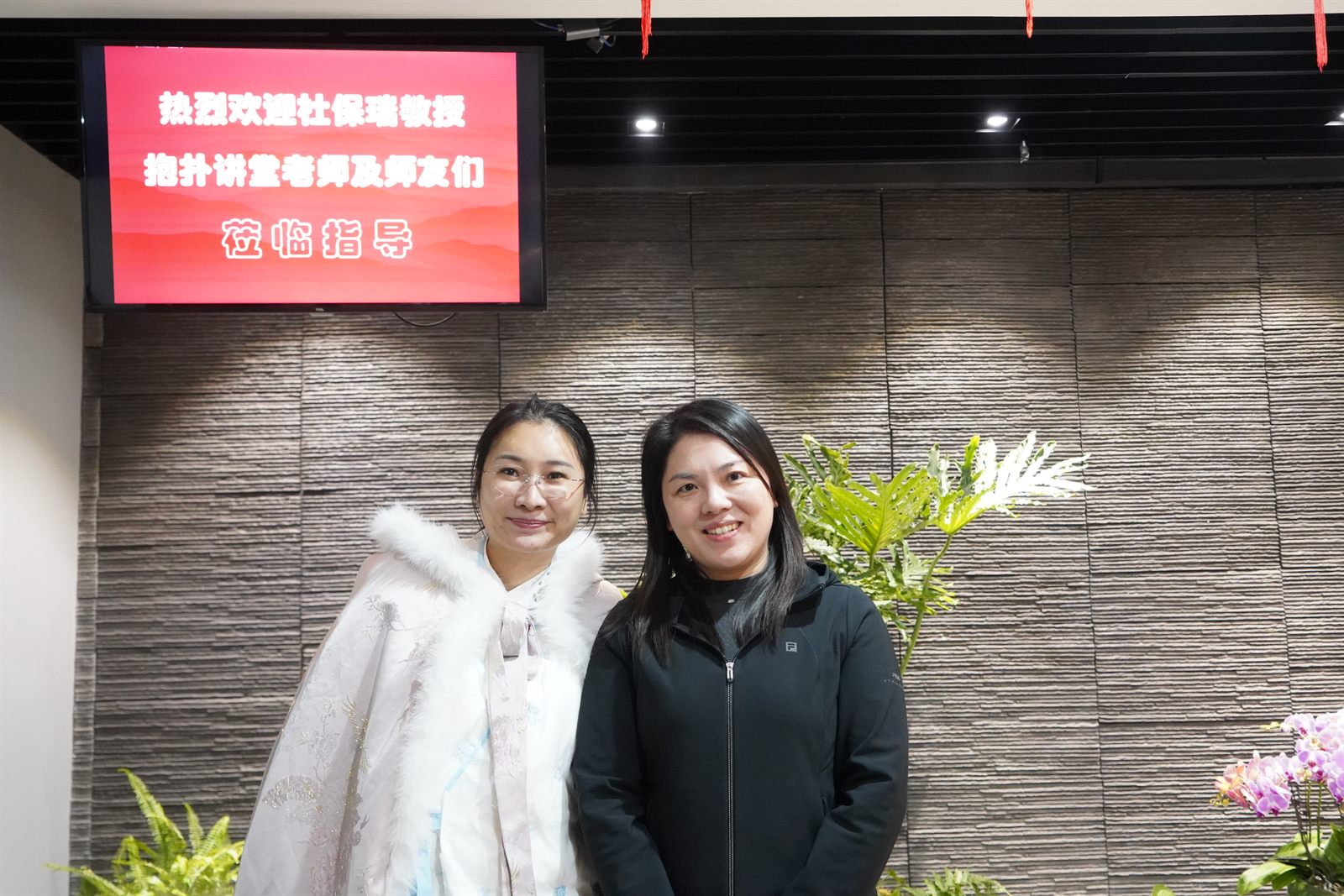
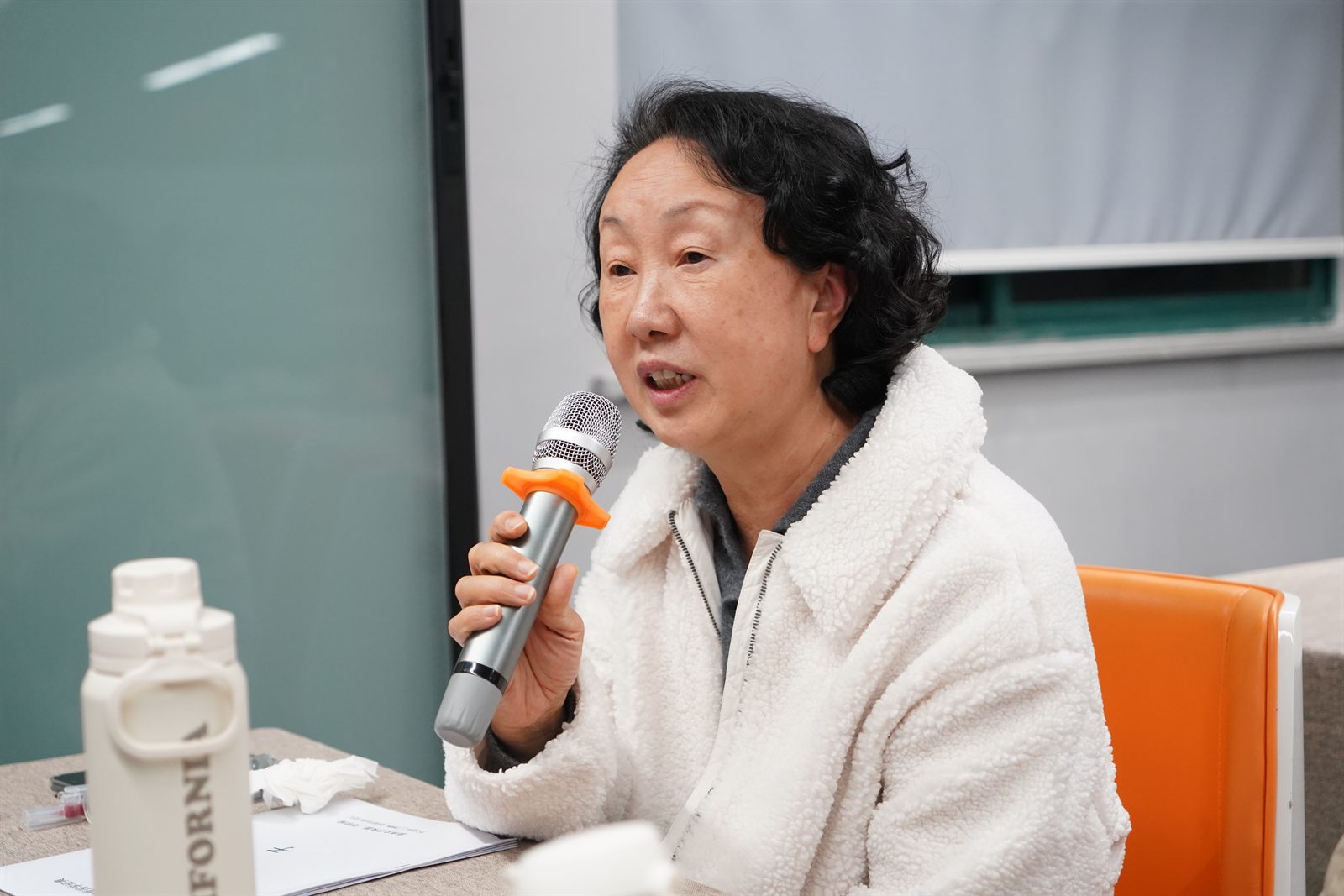
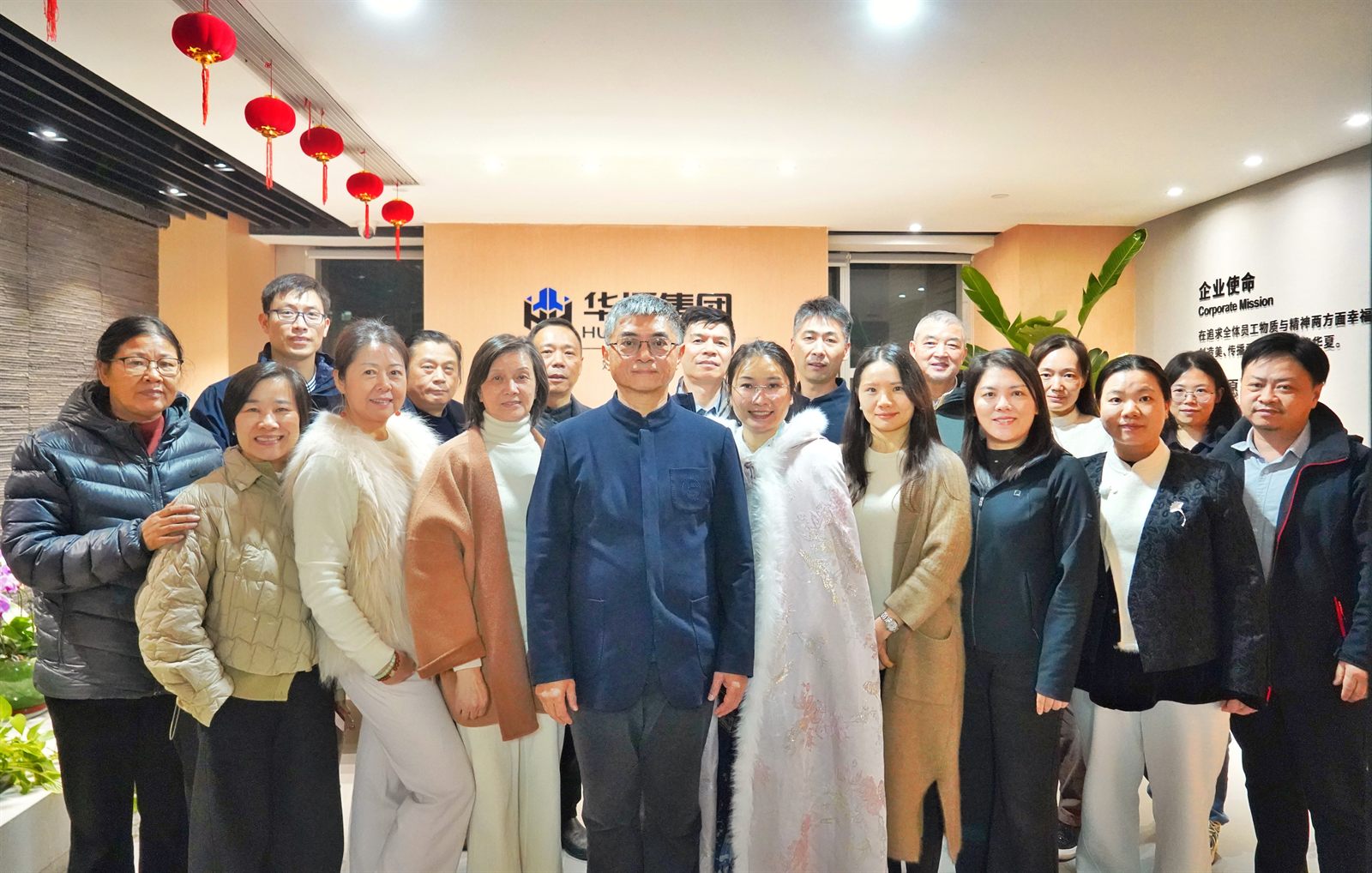
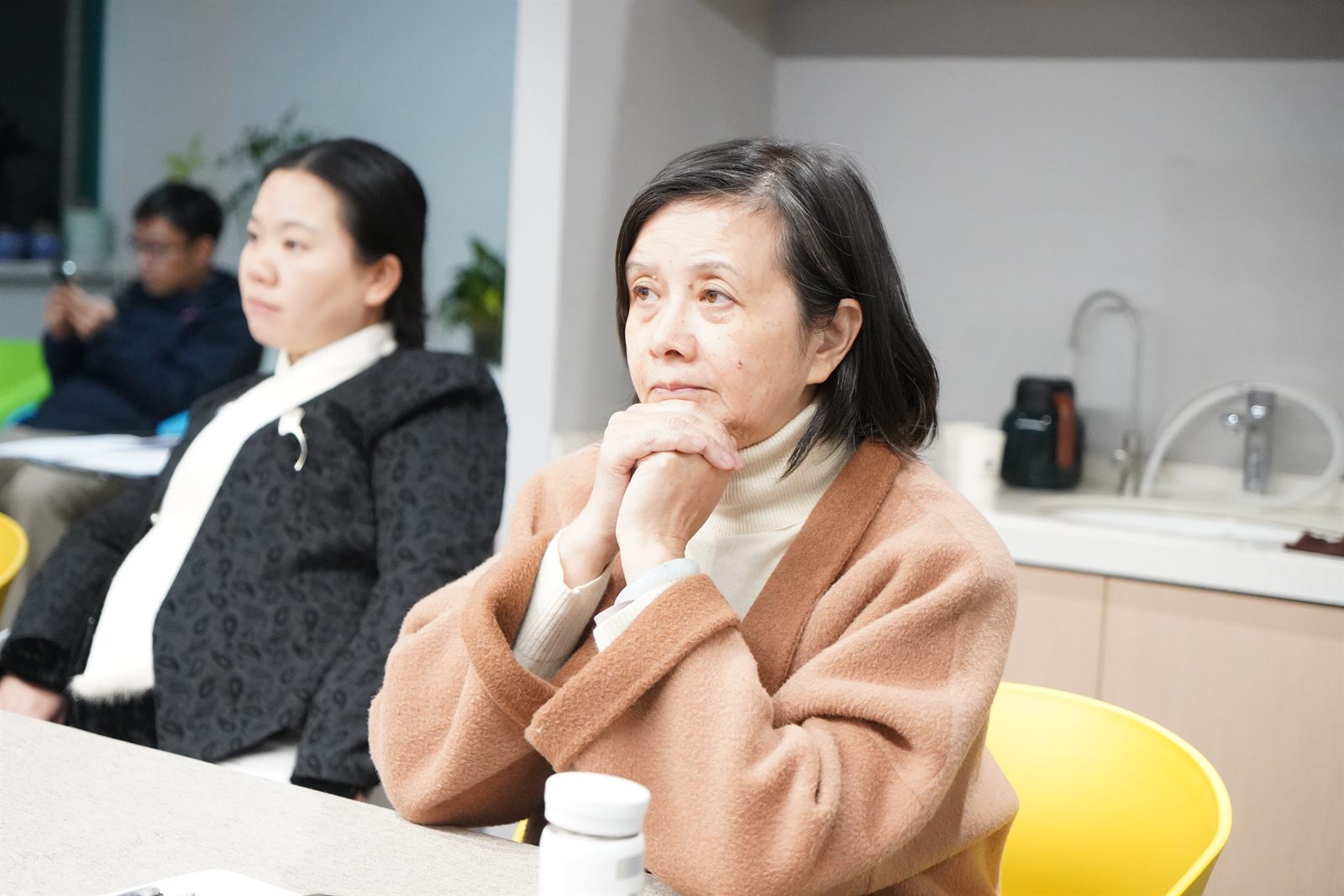
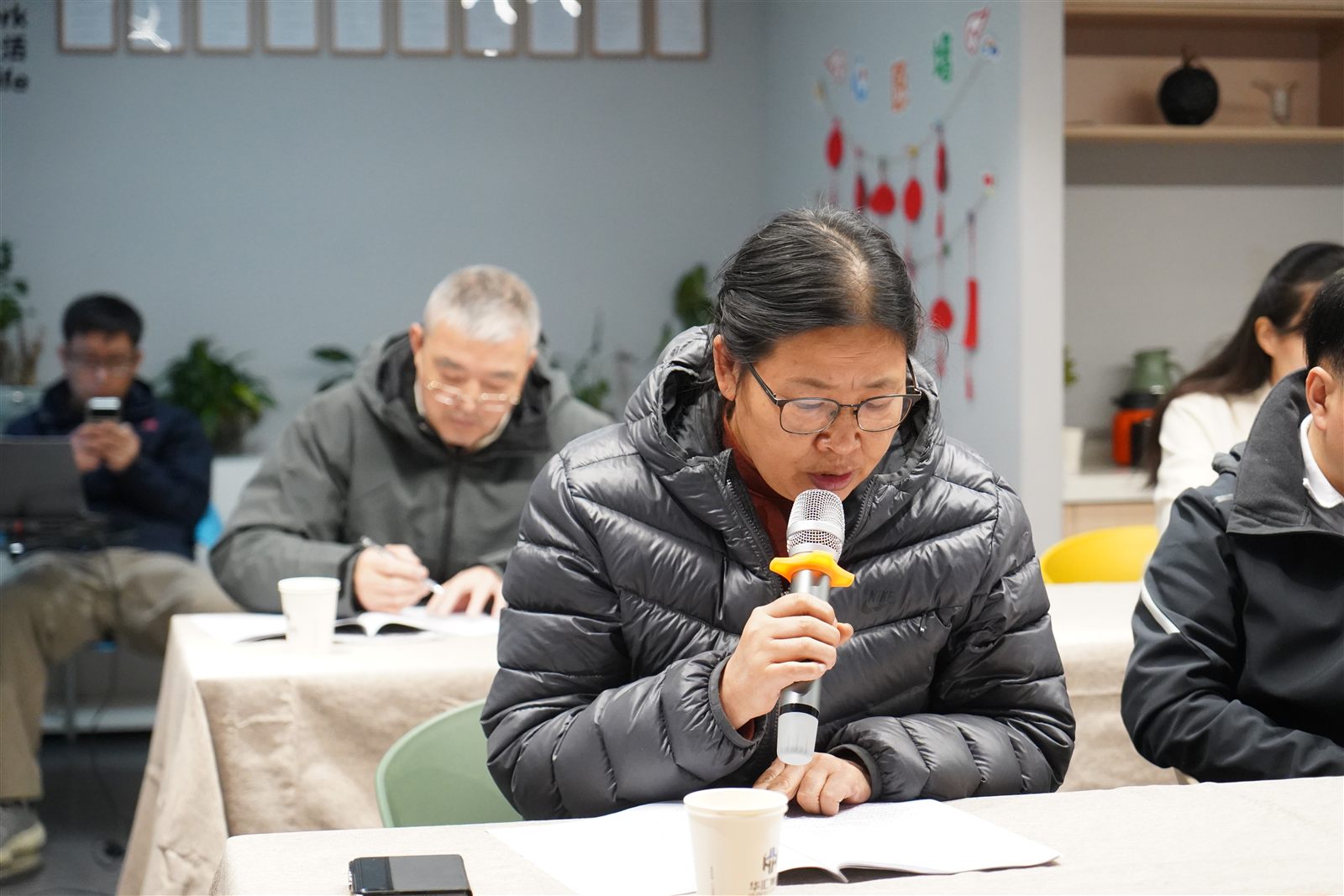
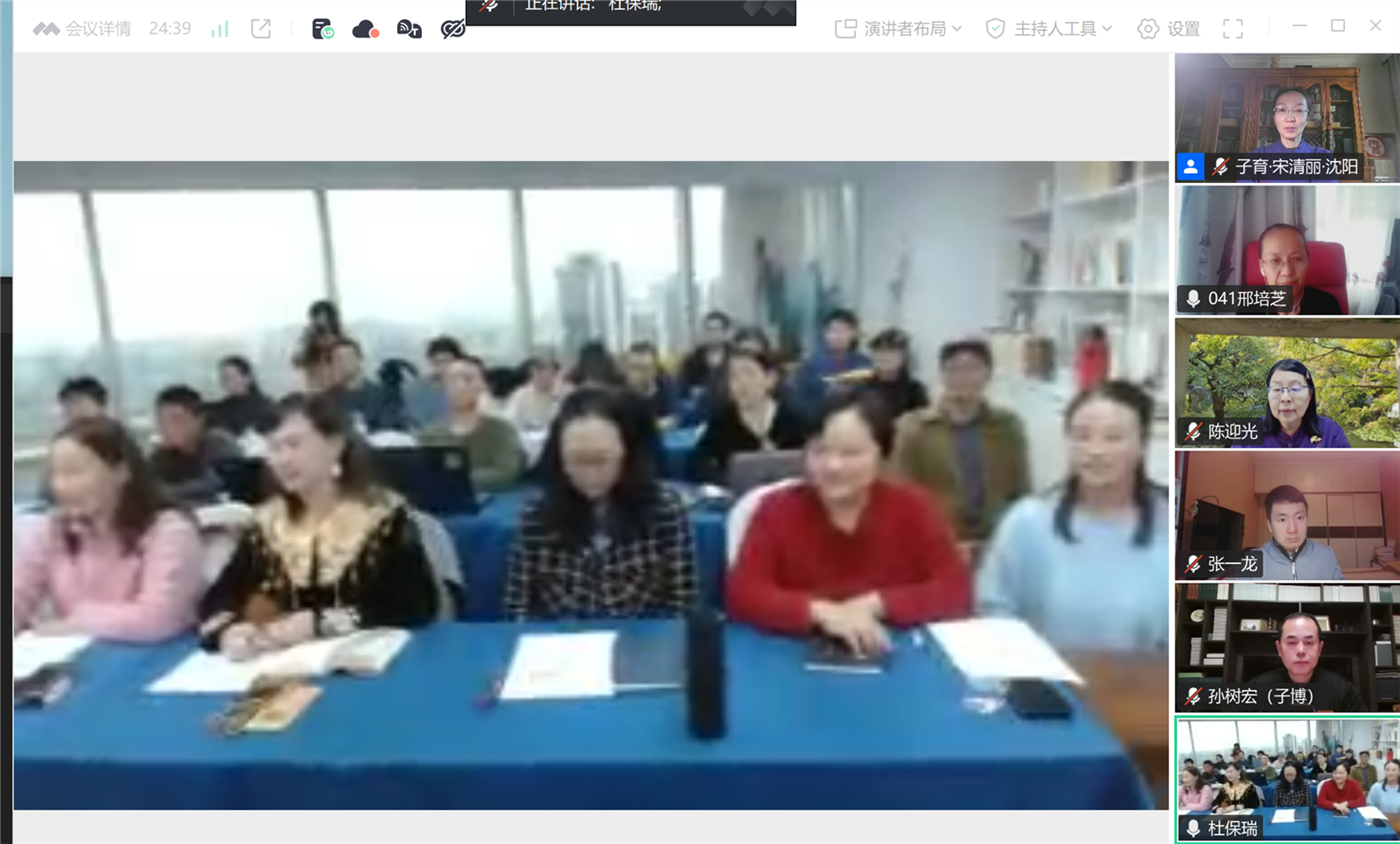
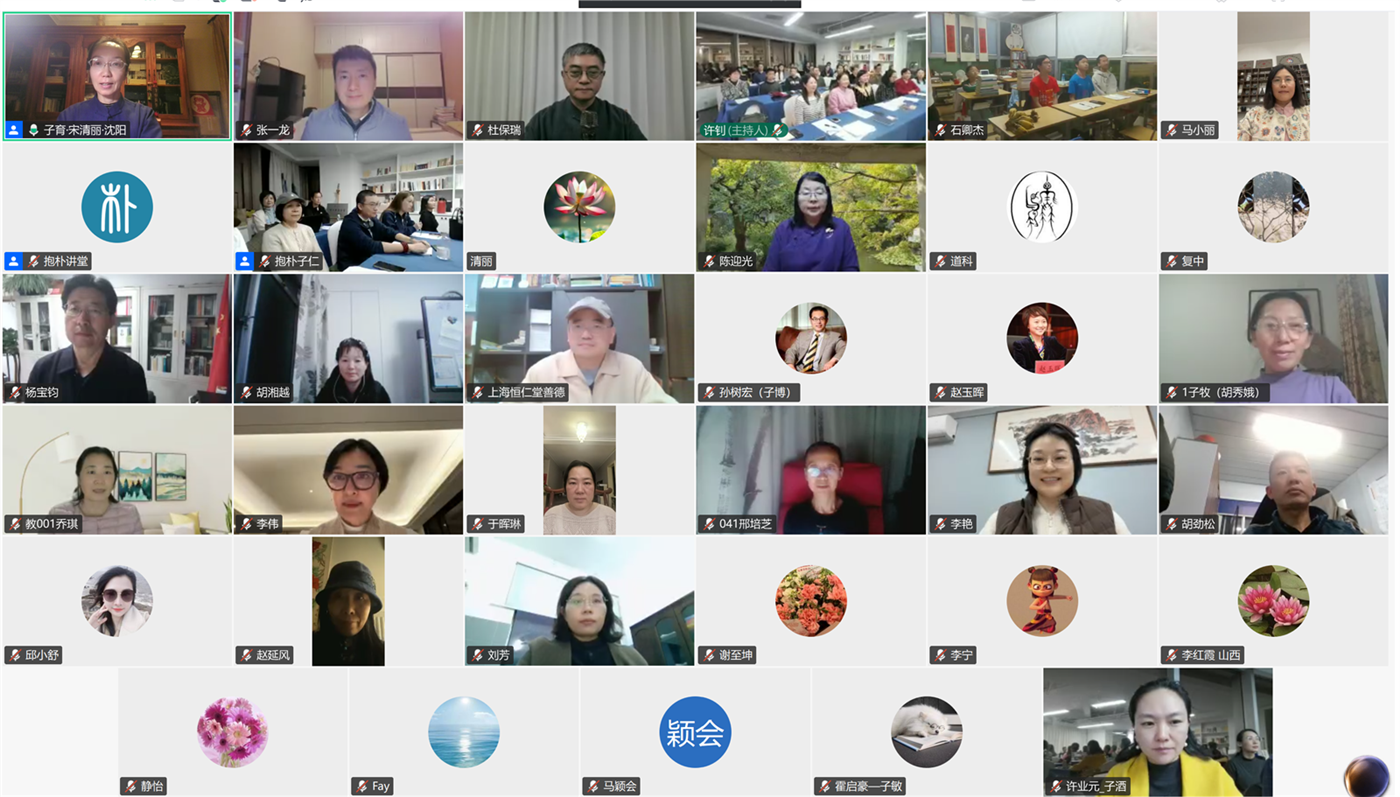
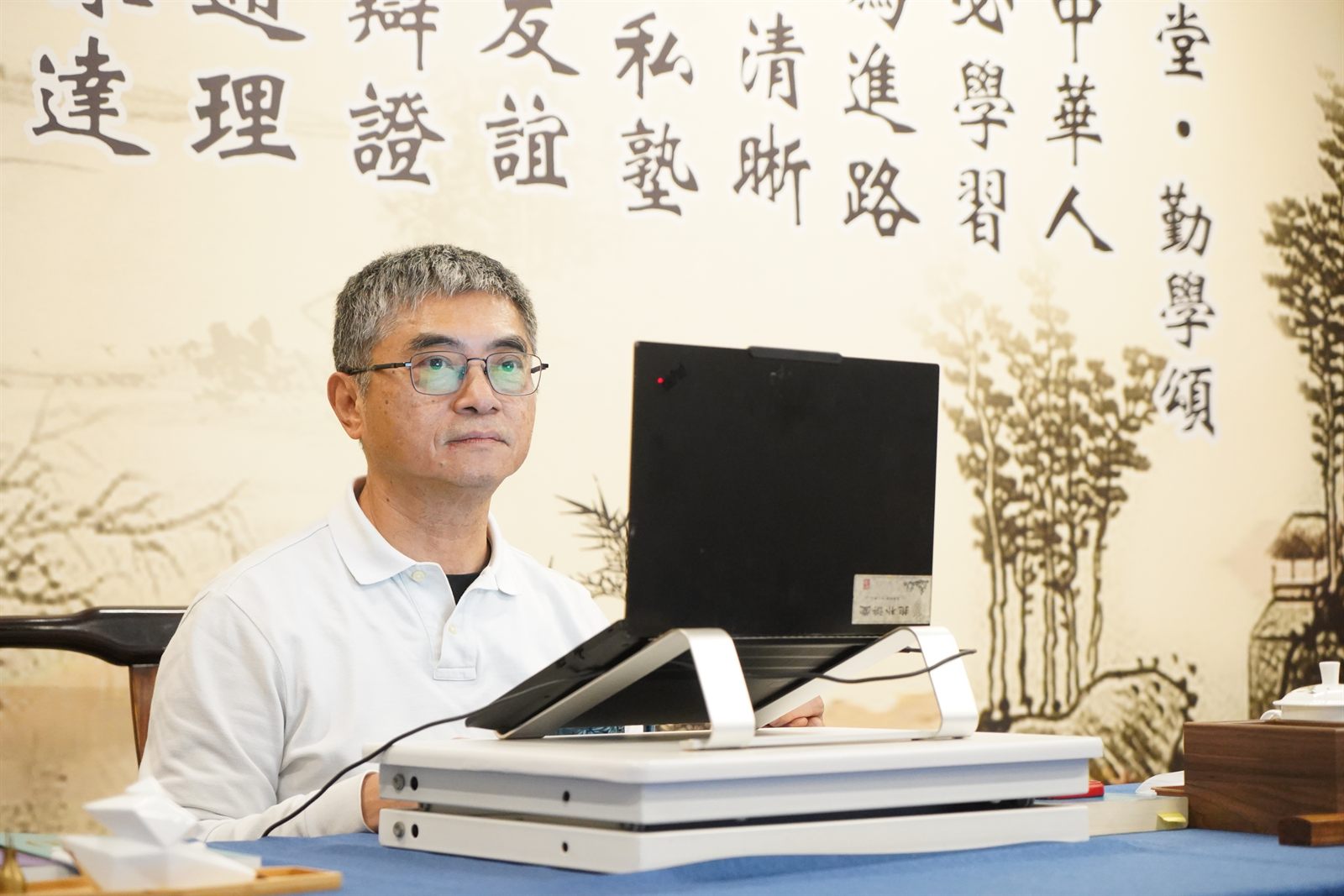
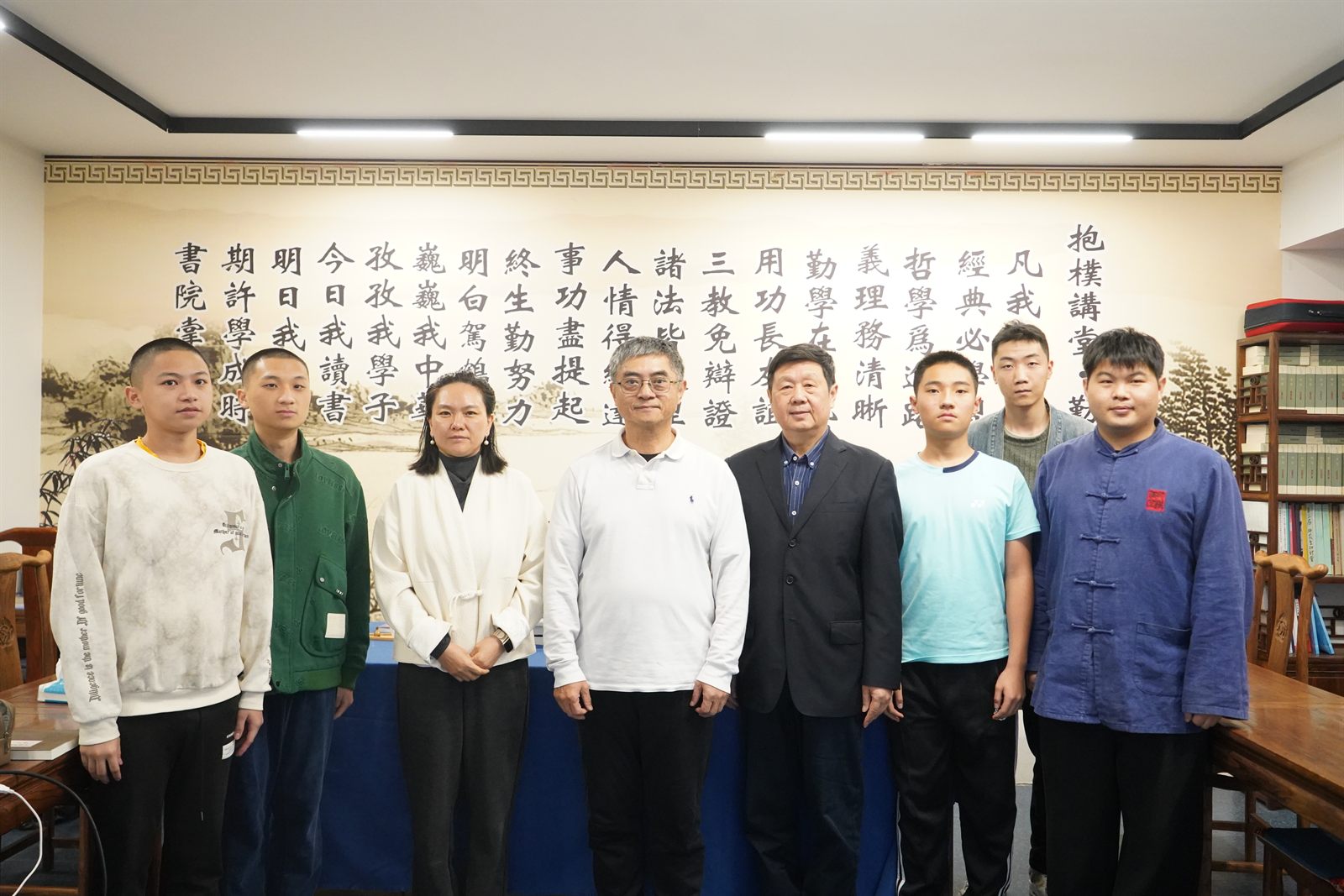
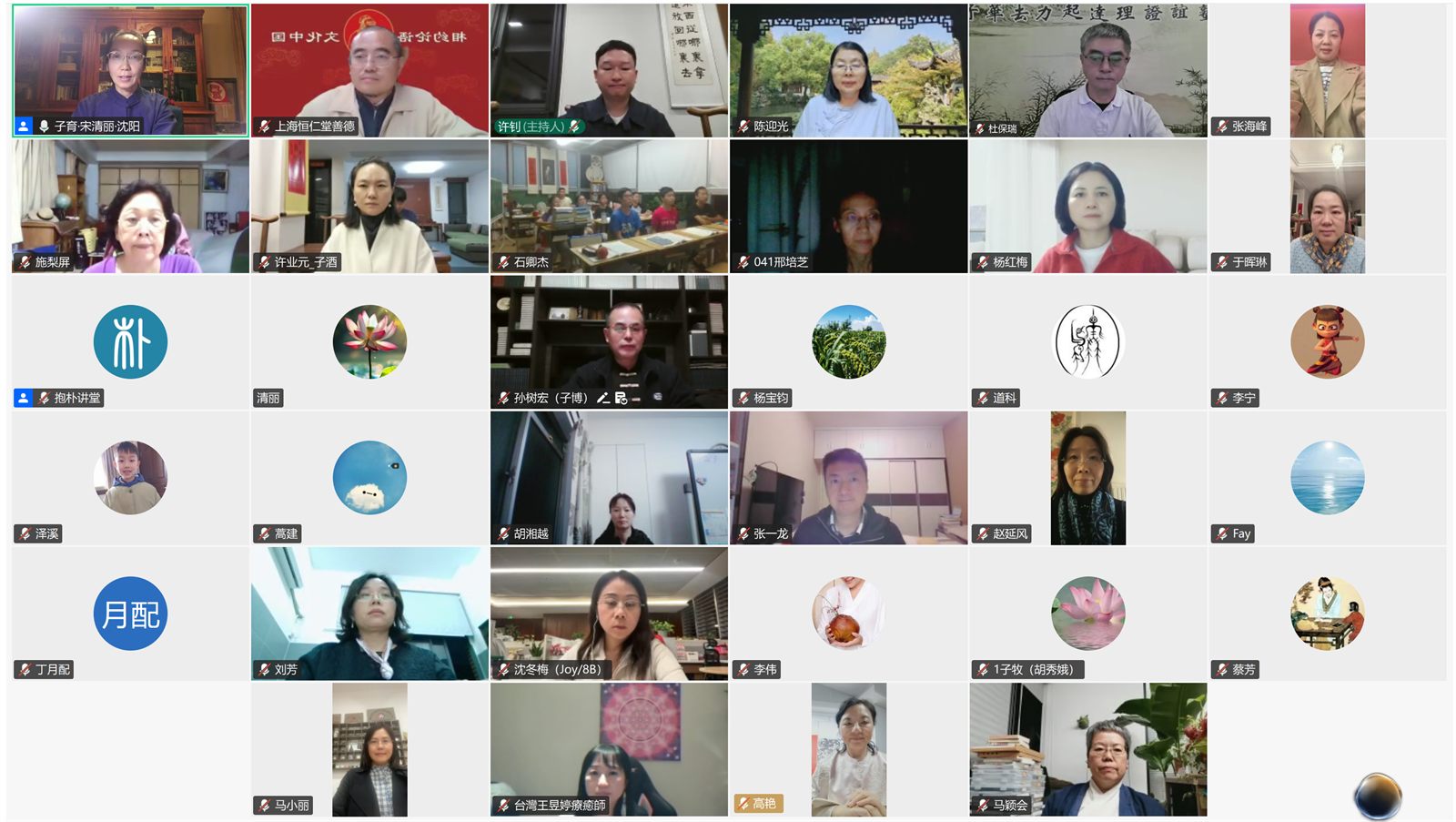
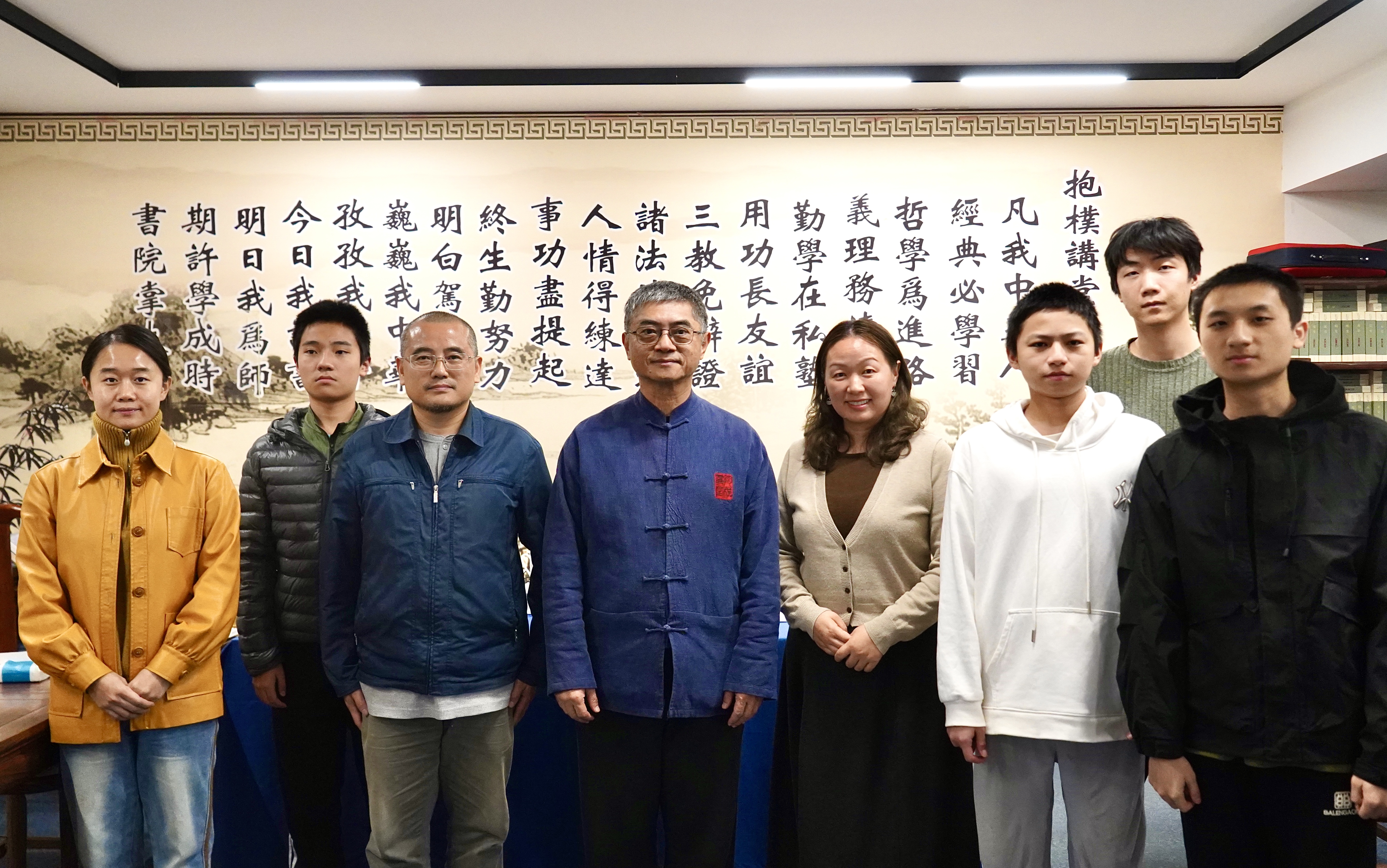
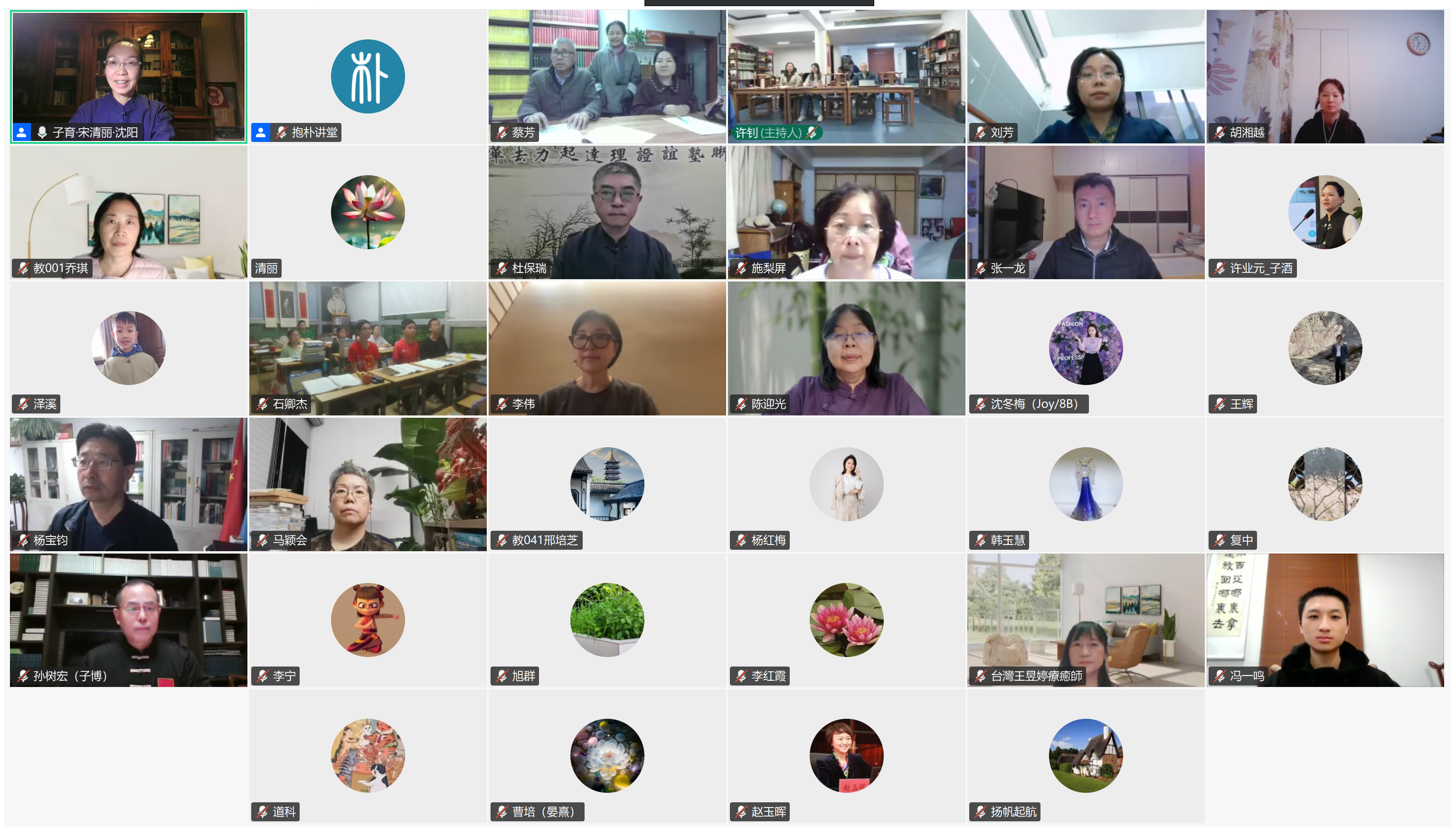
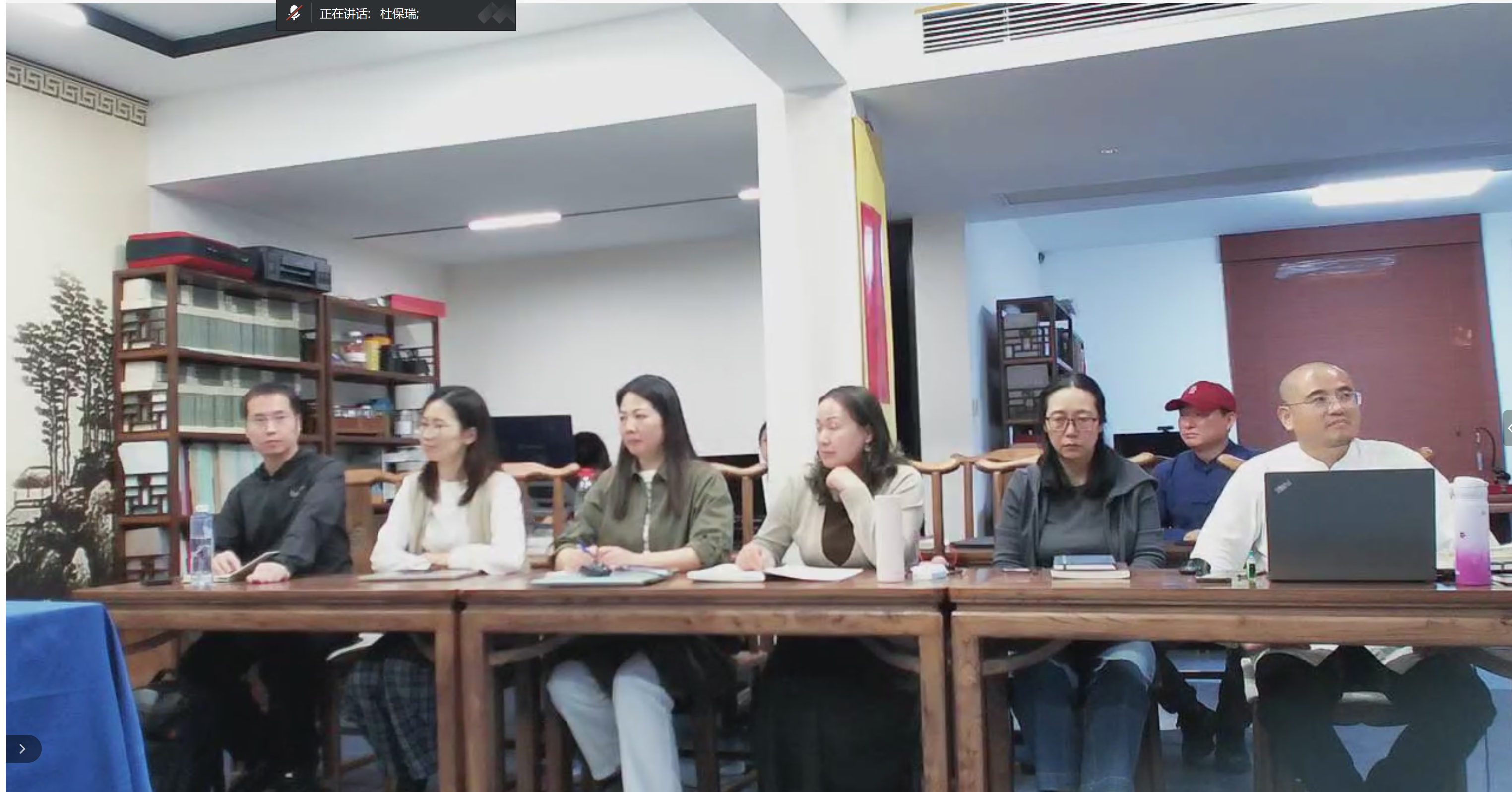
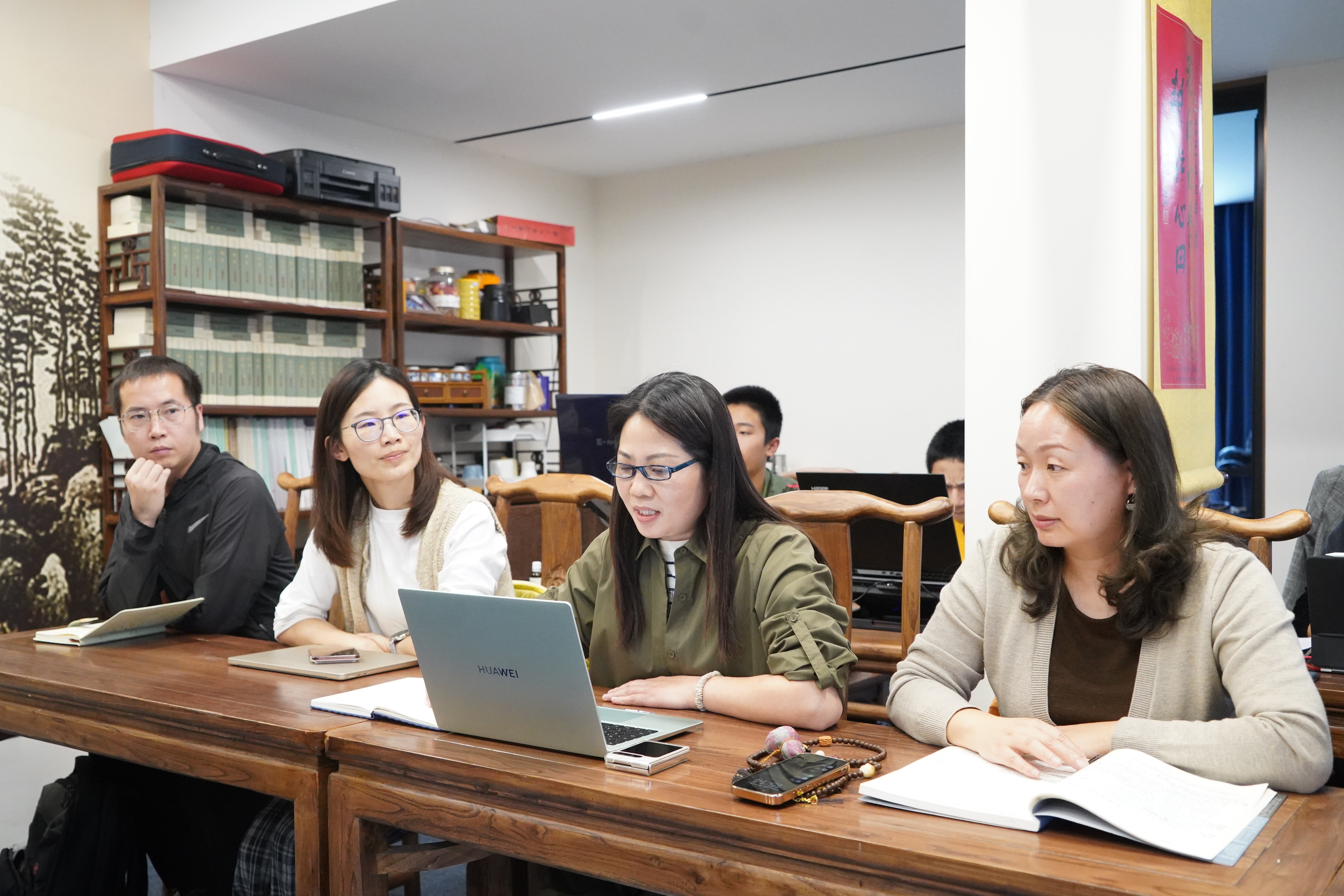
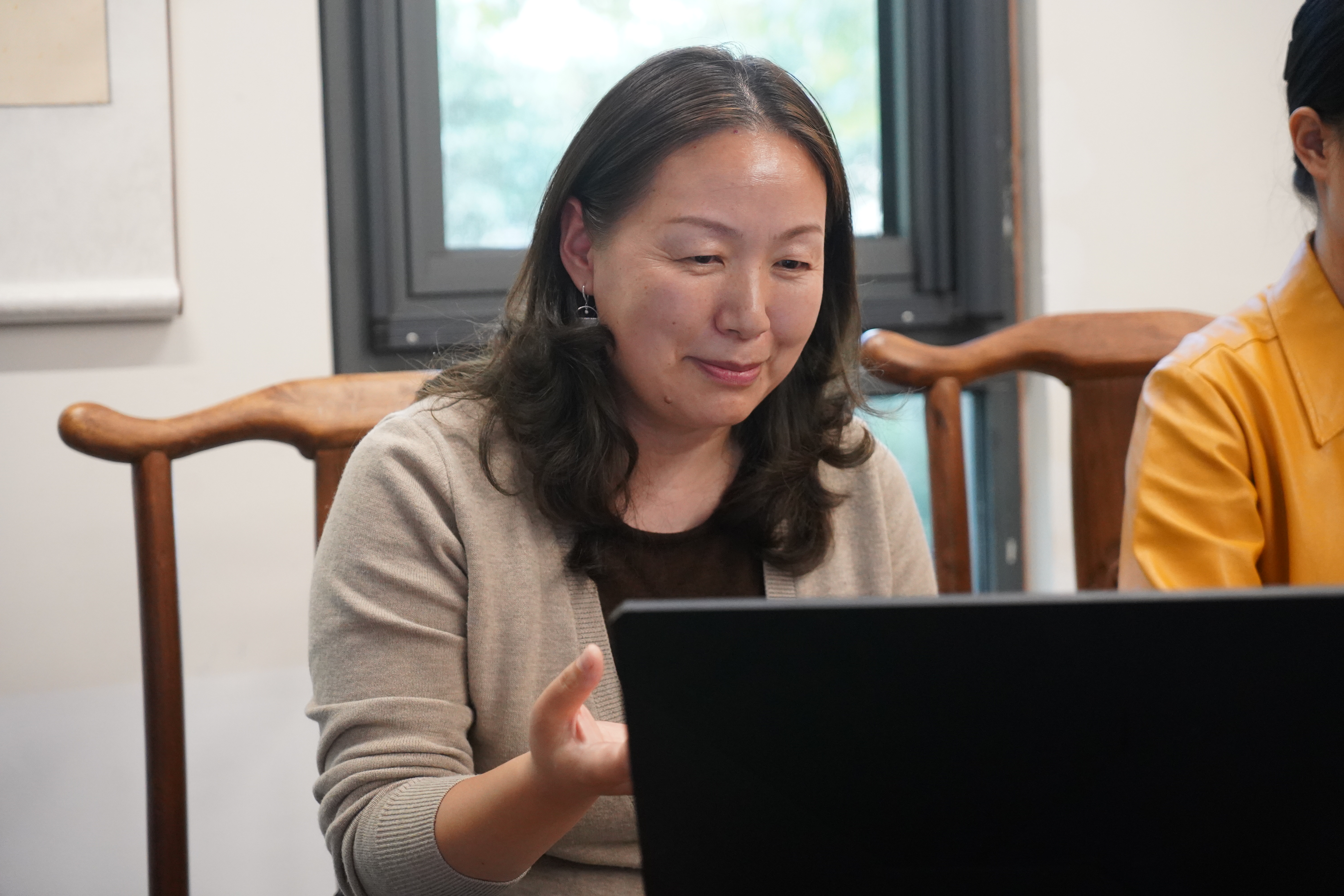
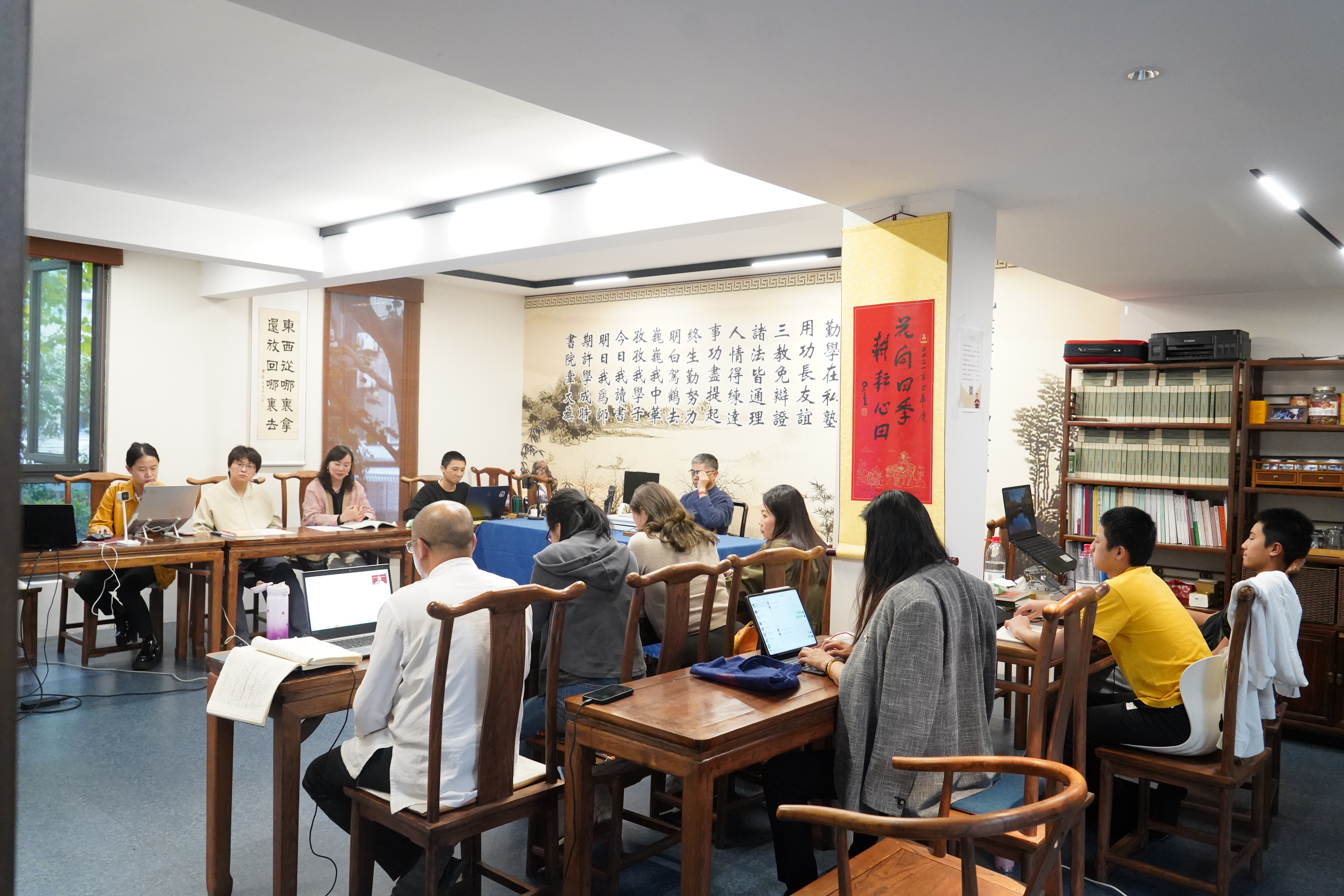
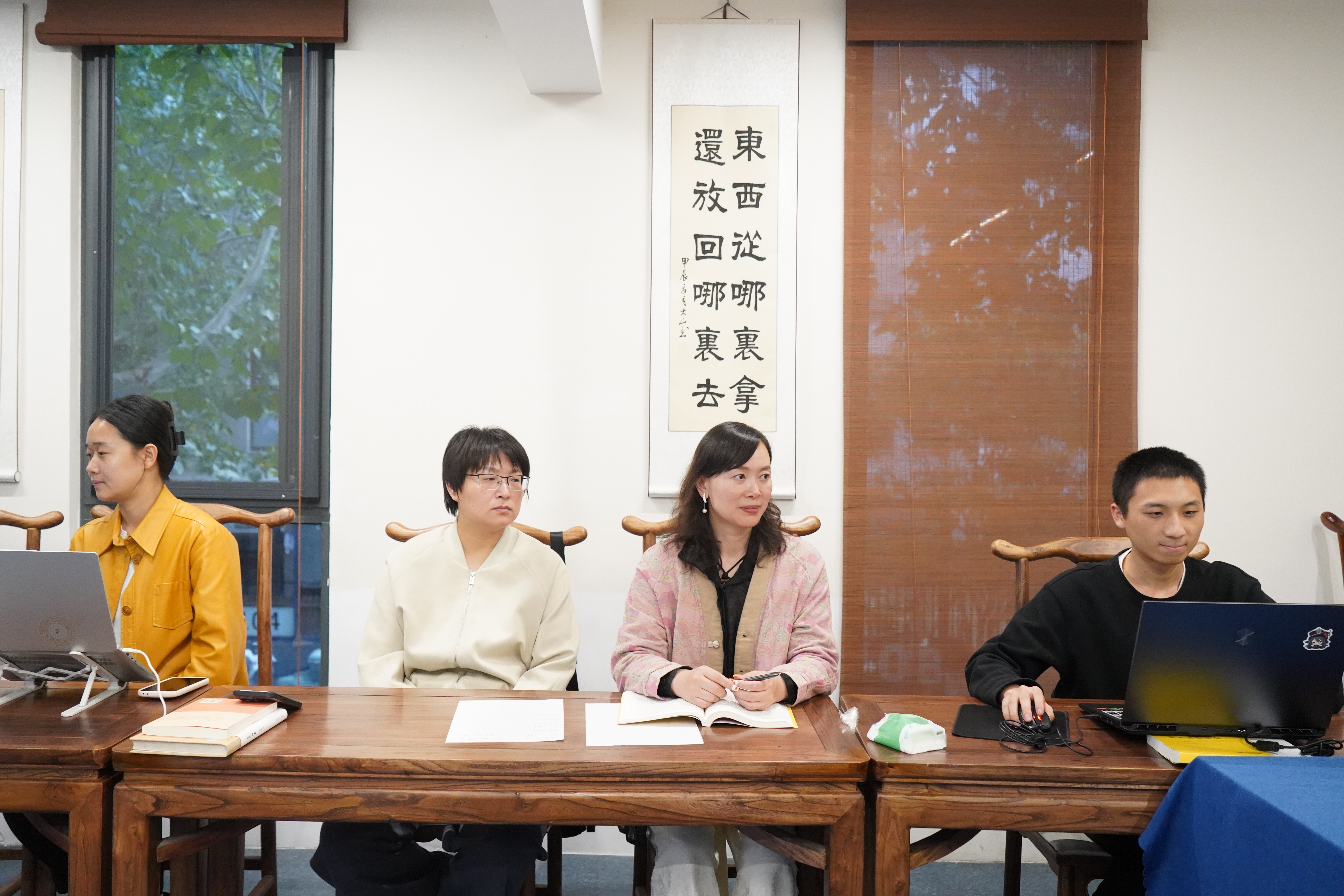
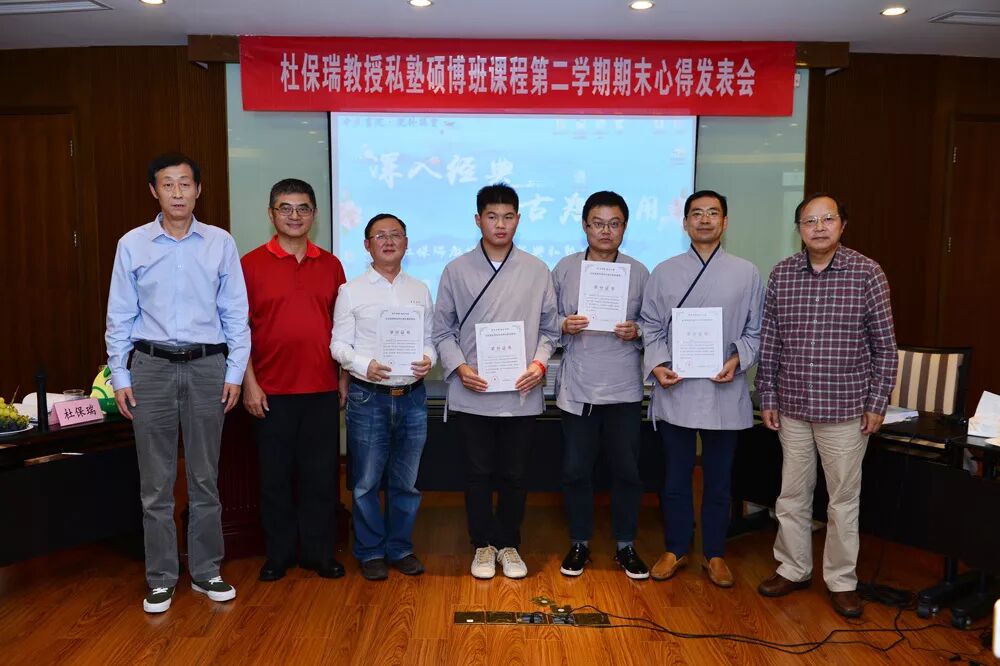
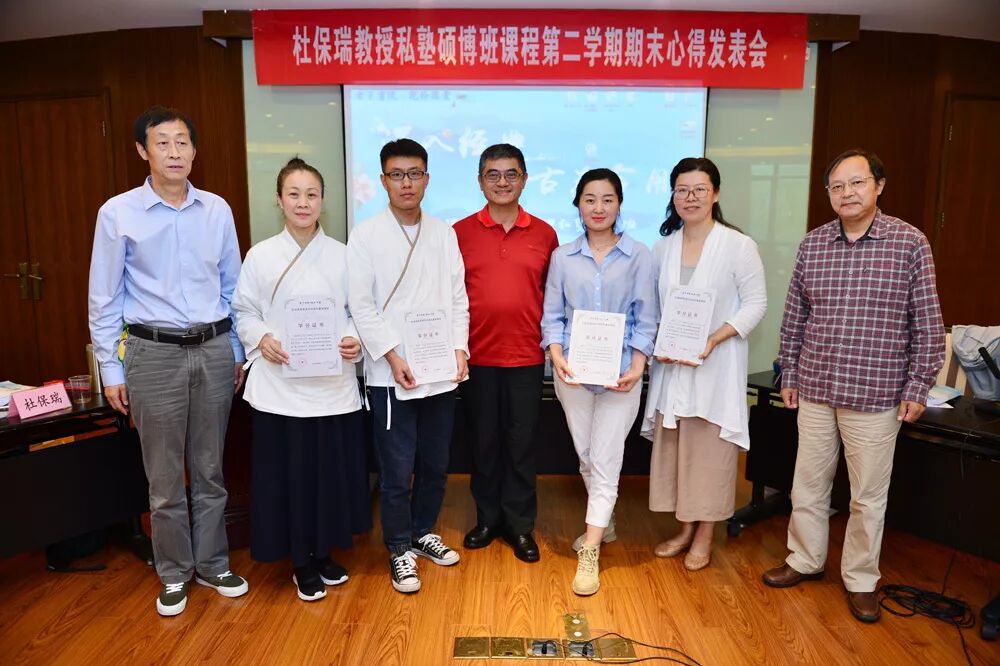
2026年10月22日 · 私塾研经与义理答辩Oct 22, 2026 · Class & Discussion
共 9 张照片9 Photos
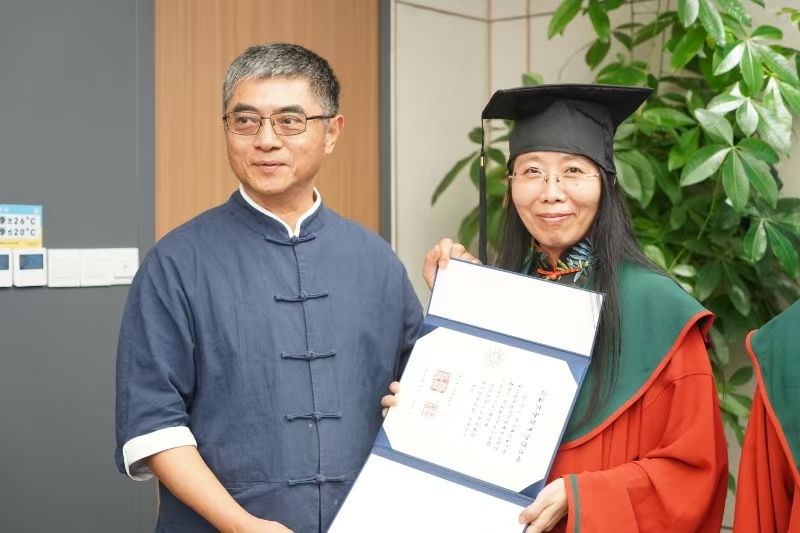
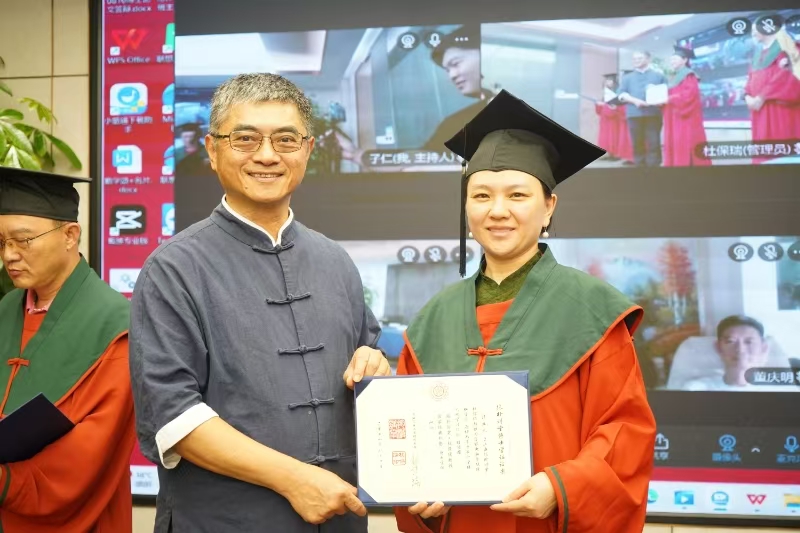
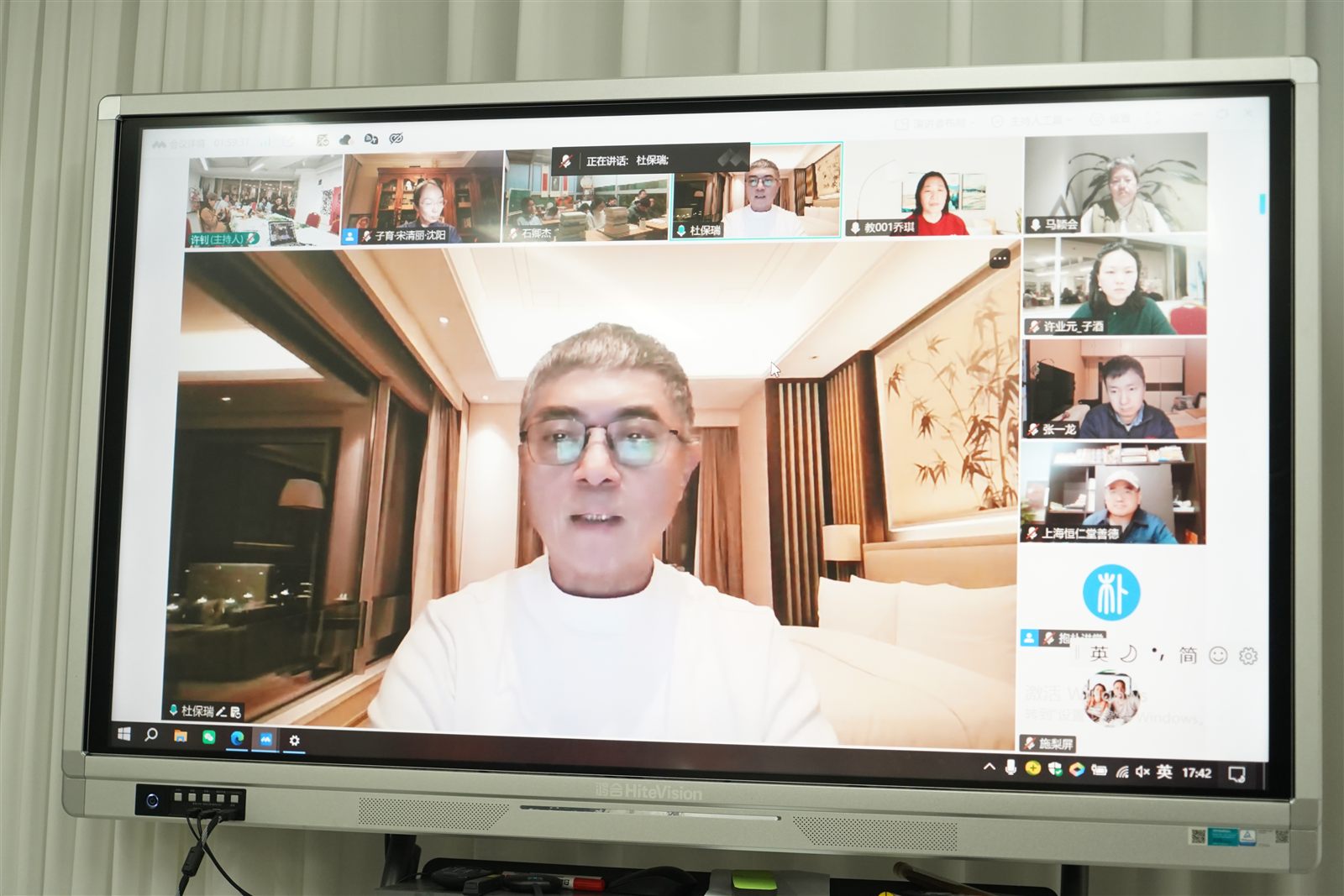
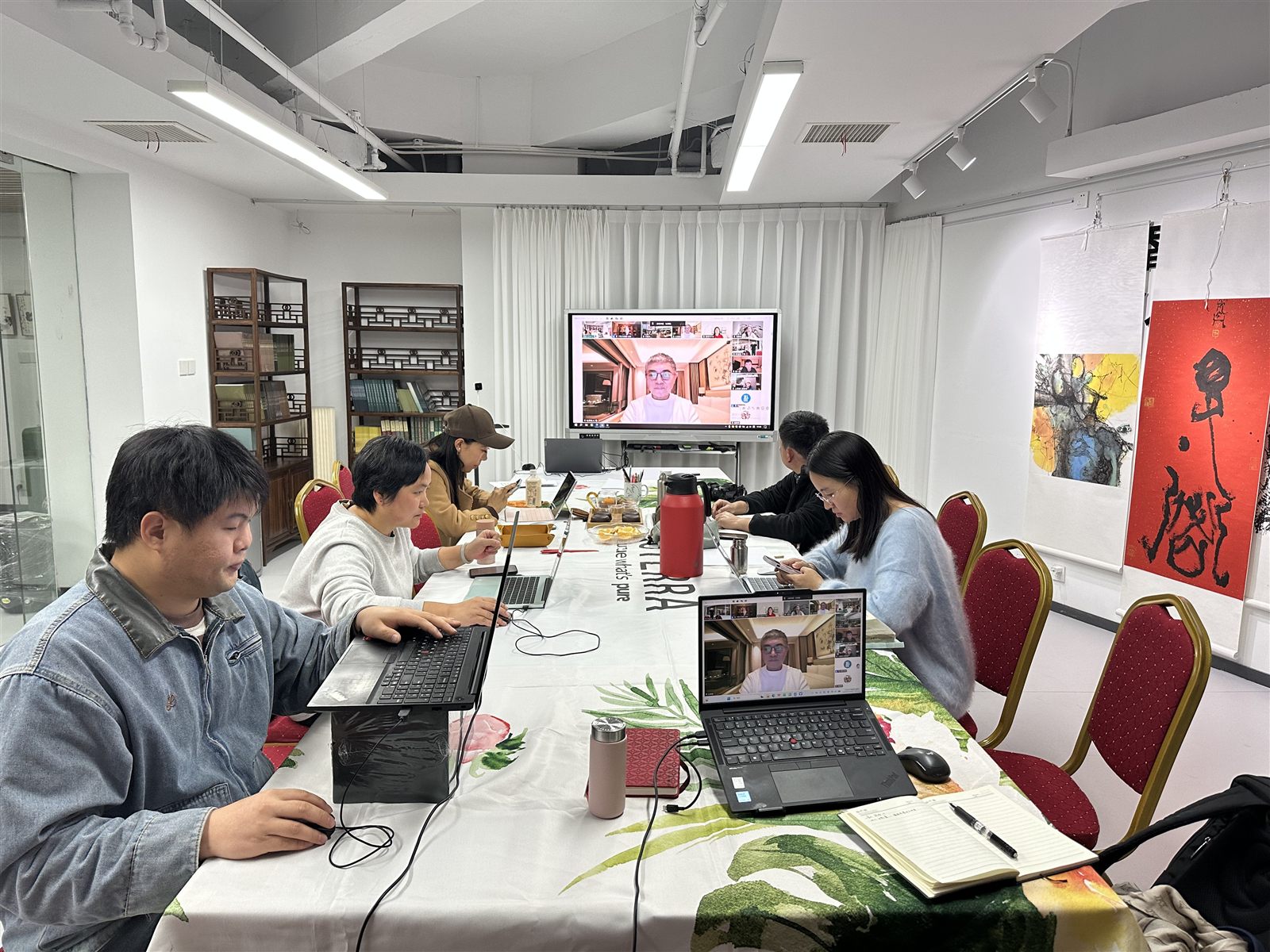
2026.10.22 · 研习剪影 1⊕
2026.10.22 · 研习剪影 2⊕
2026.10.22 · 研习剪影 3⊕
2026.10.22 · 研习剪影 4⊕
2026.10.22 · 研习剪影 5⊕
2026.10.22 · 研习剪影 6⊕
2026.10.22 · 研习剪影 7⊕
2026.10.22 · 研习剪影 8⊕
2026.10.22 · 研习剪影 9⊕
学人私塾博士学人 · 论文答辩荣誉榜Doctoral Scholars · Thesis Defense Honor Roll
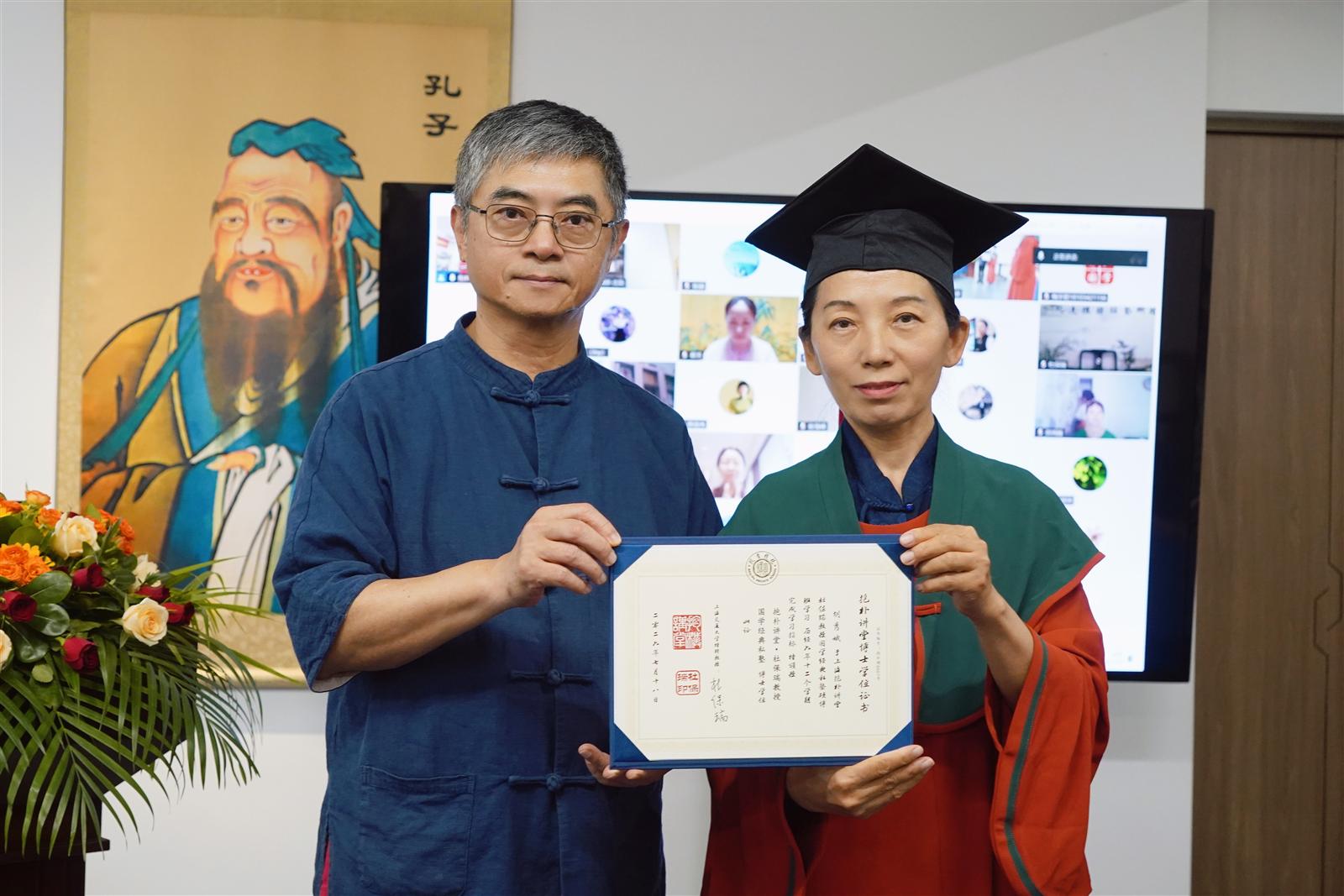
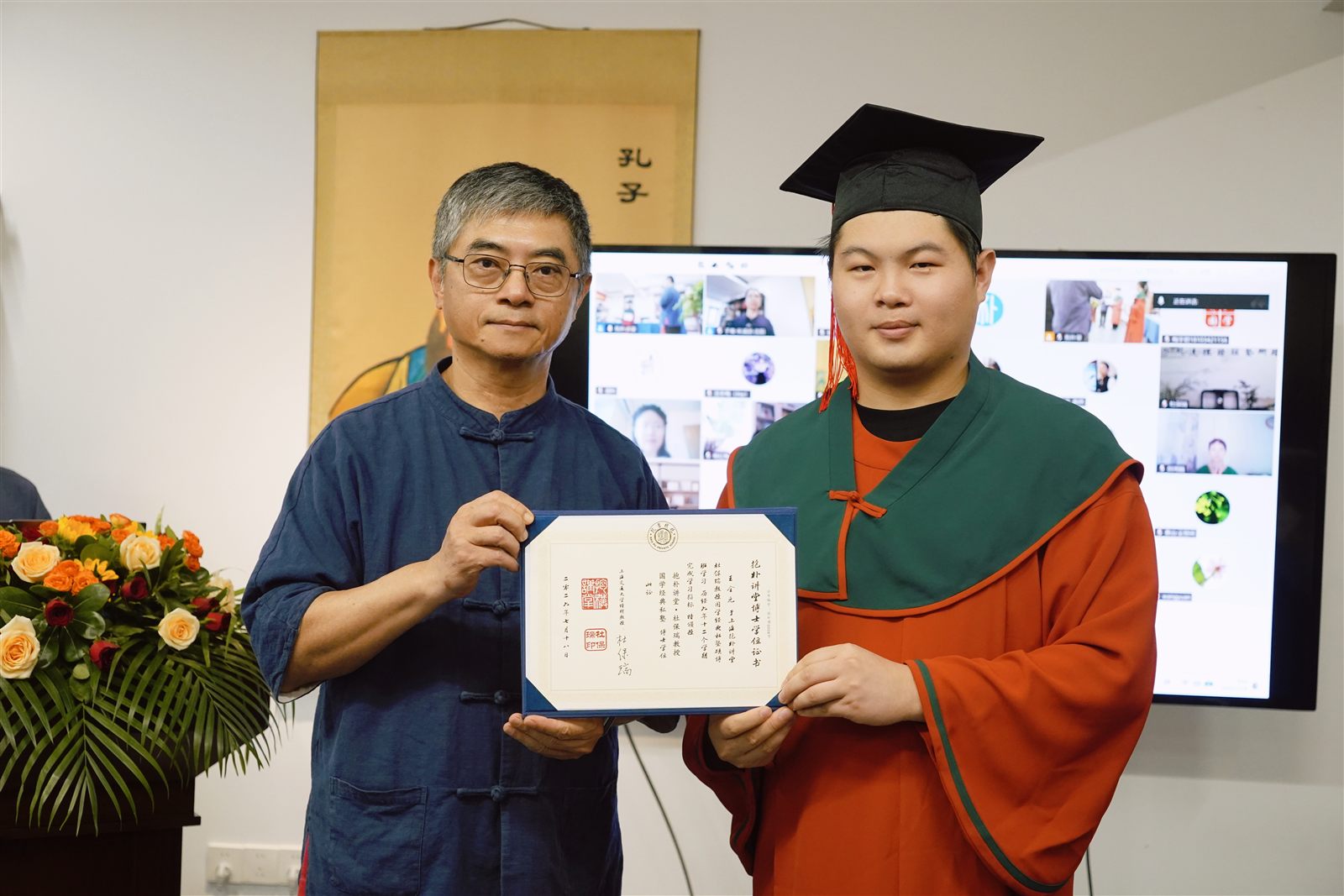
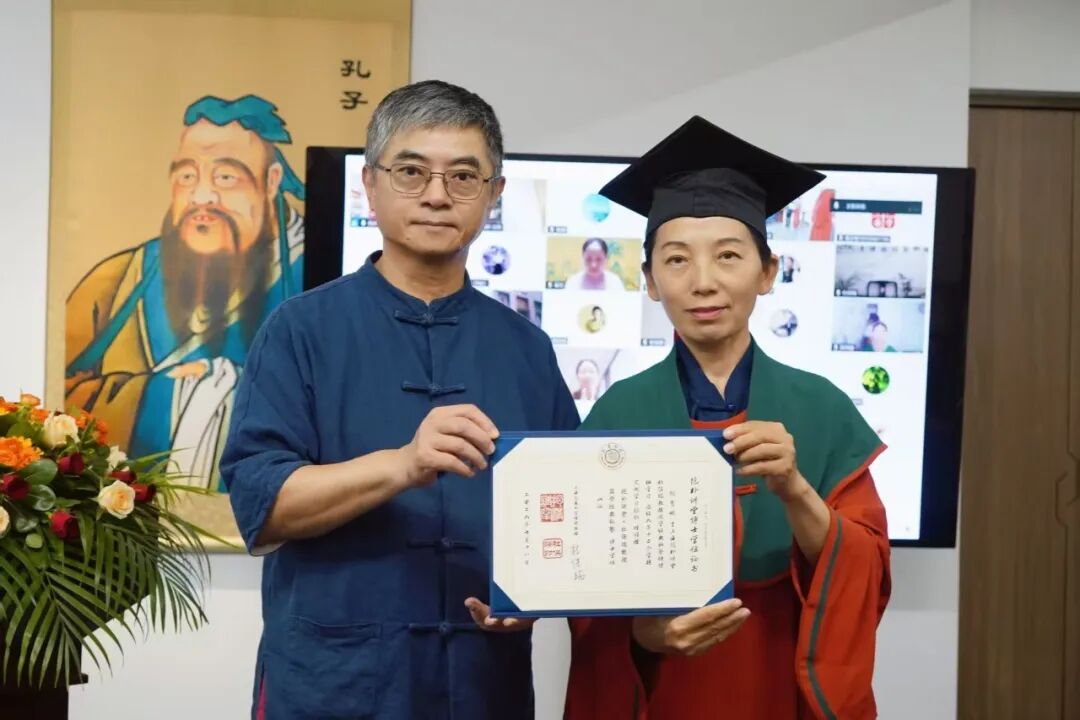
六年十二学期深造精研 · 每学期成功完成经典论文答辩 · 获杜保瑞教授正式授予“私塾博士”称号Six years (12 semesters) of systematic study and regular thesis defense, formally awarded the title of "Doctor of Baopu Private Tutorial" by Prof. Duh Bauruei
抱朴私塾班以培育具备独立诠释与讲学能力的国学大家为旨归。 学员须在六年十二个学期中一期不落、系统深研儒释道三家原典,并于每学期末向杜保瑞教授提交专题学术论文且完成严谨答辩。通达考核者,由杜保瑞教授亲自授予【中国哲学私塾博士】称号。Baopu Private Tutorial aims to cultivate scholars capable of independent interpretation and lecturing. Students must systematically study Confucian, Buddhist, and Daoist classics over six years (12 semesters), write research theses each term, and pass rigorous defenses to be awarded the title of Doctor by Prof. Duh Bauruei.
第二期2026年8月届 · 私塾博士(第二期)Cohort August 2026 · Doctors (2nd Class)
最新授予 · 2位学人Latest · 2 Scholars
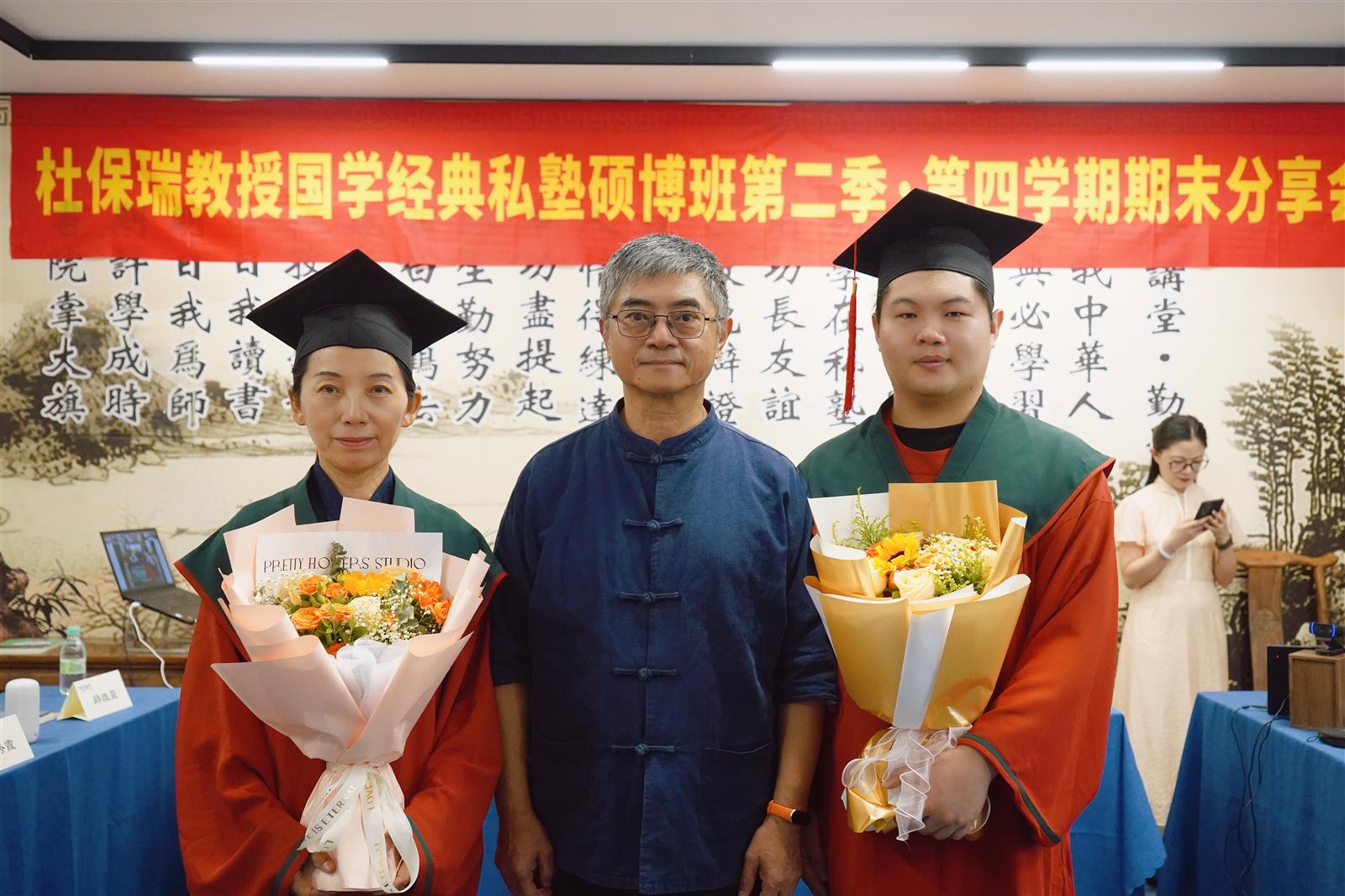
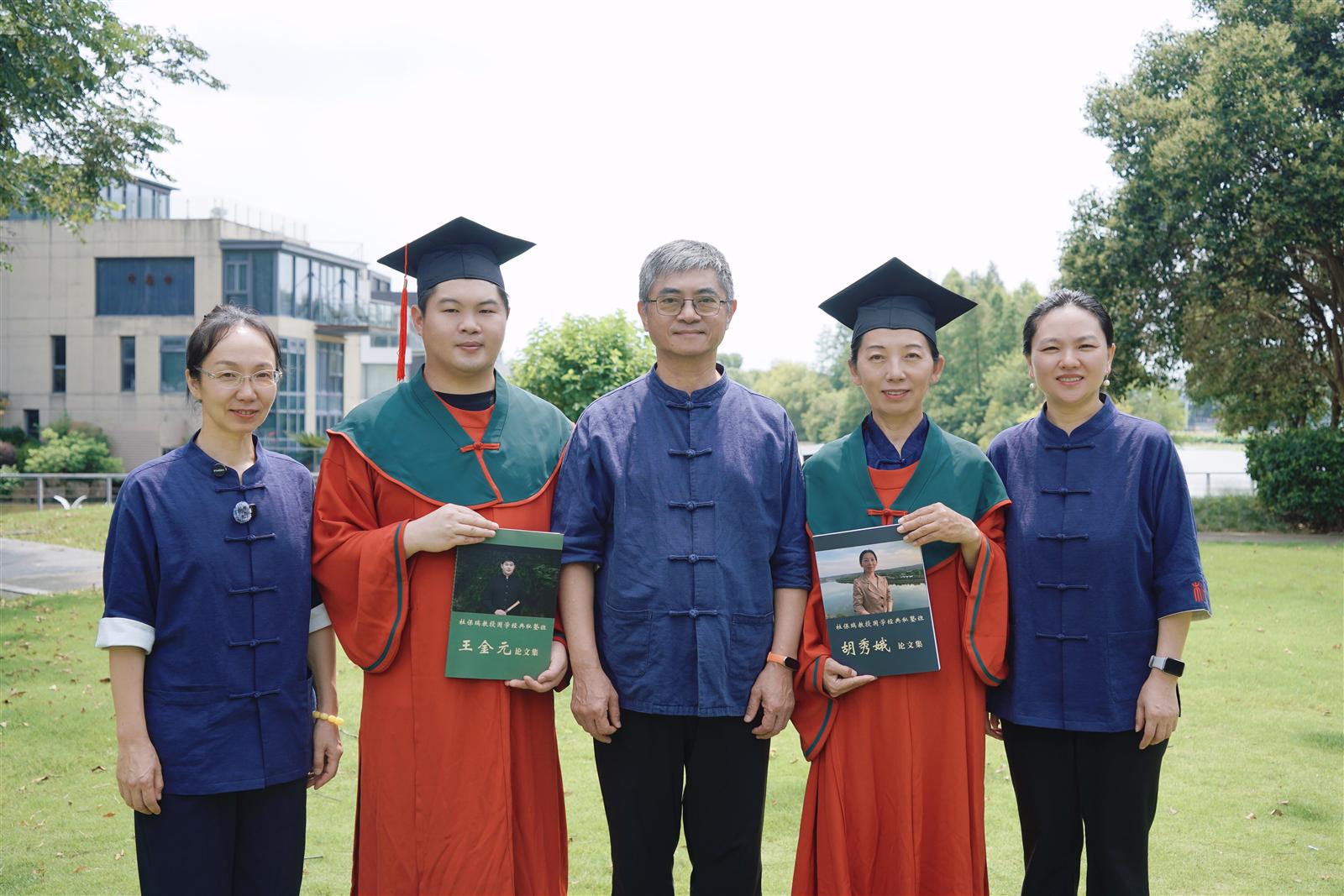
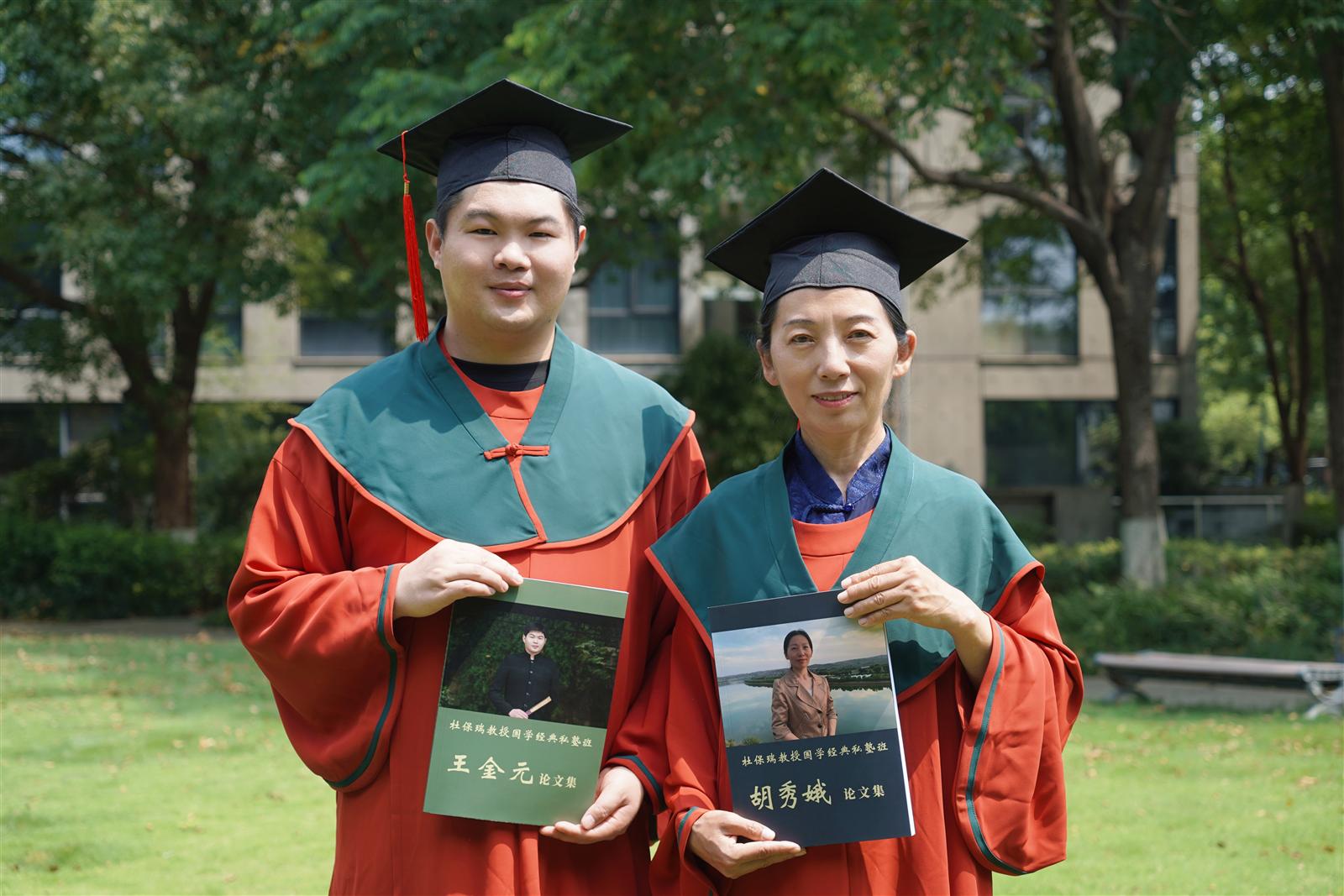
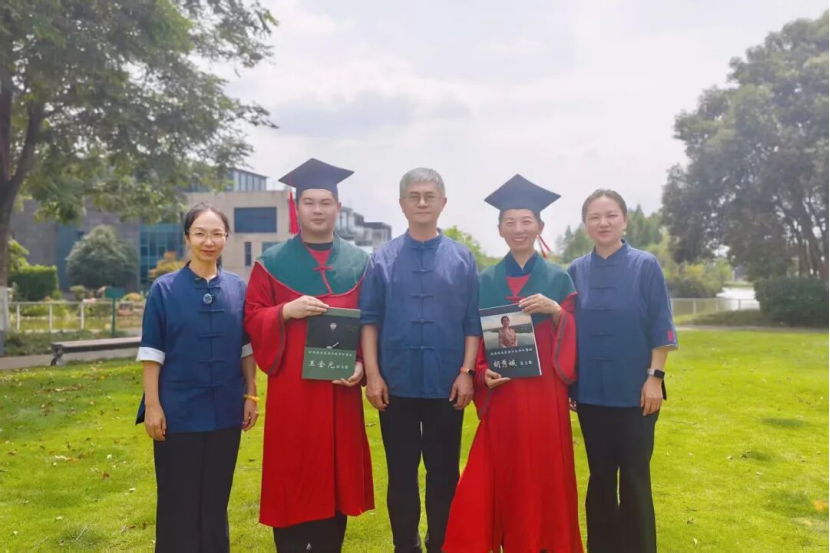
胡秀娥Hu Xiu’e
私塾博士 · 2026.08Doctor · 2026.08
山西忻州教育中心负责人修满六年 · 论文答辩圆满通过Head of Shanxi Xinzhou Center6-Year Completed Defense
转载自「抱朴讲堂」微信公众号 · 按时间倒序 · 点击「阅读全文」展开From the Baopu WeChat account · newest first · expand to read full text
202608-05
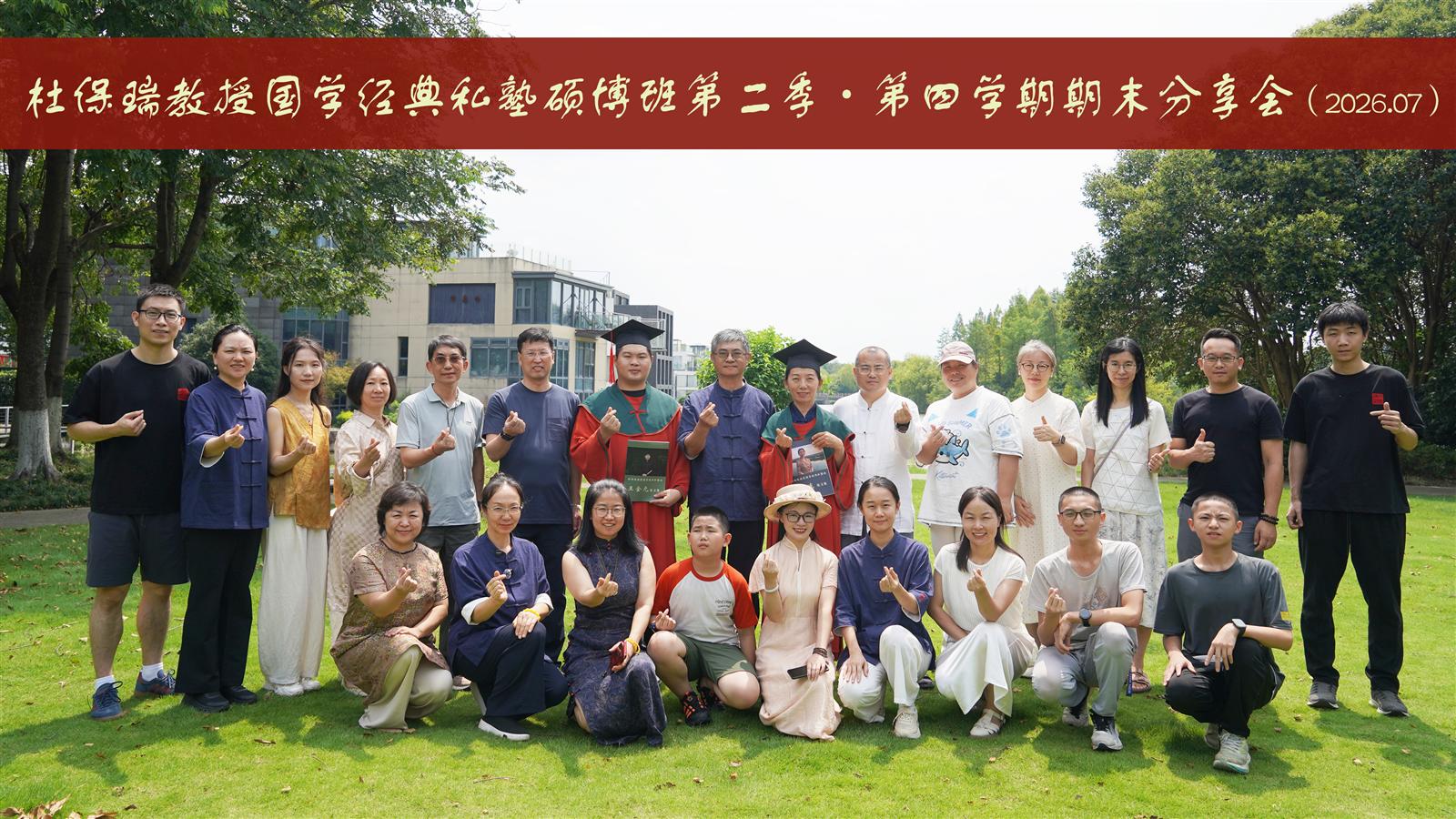
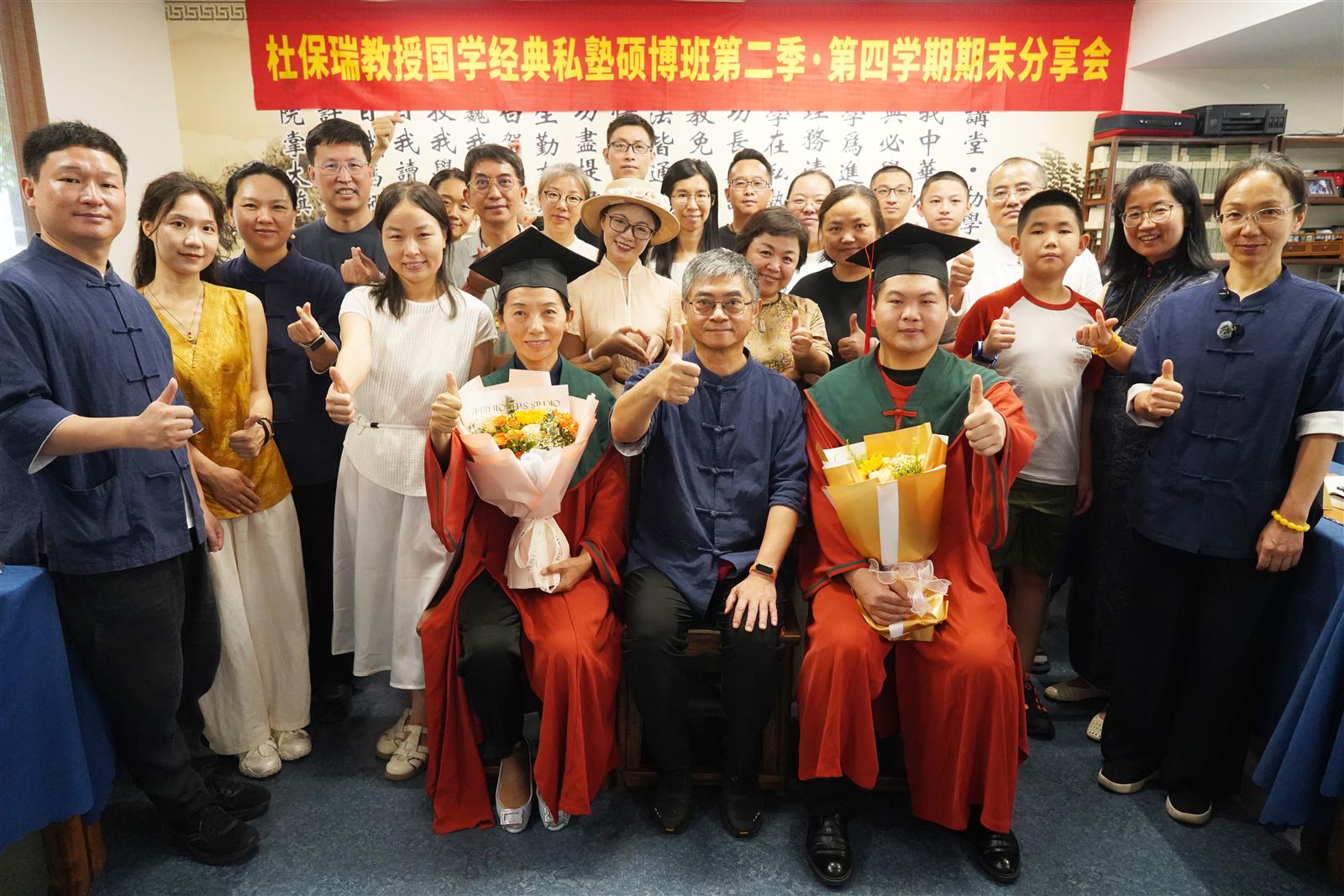
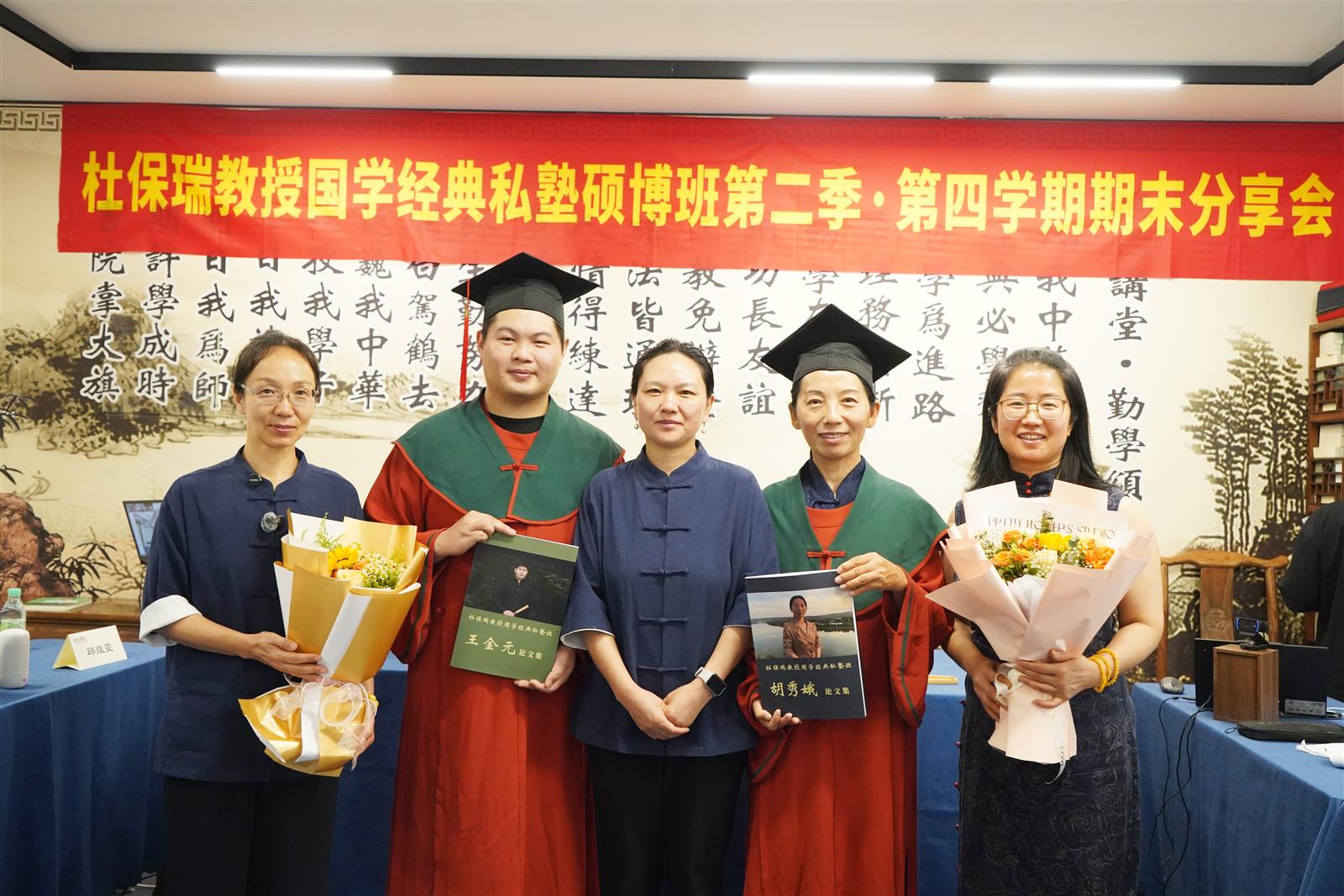
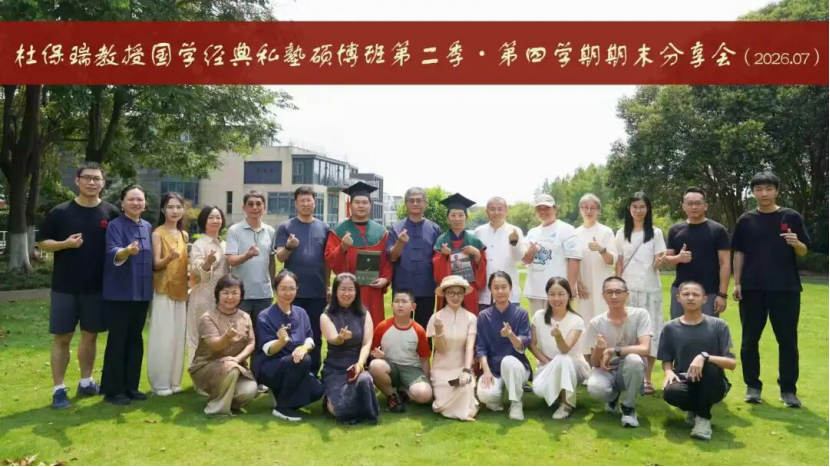
六月初六、六六计划,私塾班伴您终身学习成长——杜保瑞教授国学经典私塾硕博班第二阶段第4学期期末心得论文发表会精彩回顾June Sixth and the Six-Six Plan: Private School Class Accompanying Lifelong Growth — Review of Prof. Du Baorui Classic Private School Master-Doctoral Class Thesis Presentation最新LATEST
抱朴讲堂公众号 · 2026年8月5日 · 作者:子育Baopu Lecture Hall WeChat Official Account · August 5, 2026 · Author: Ziyu
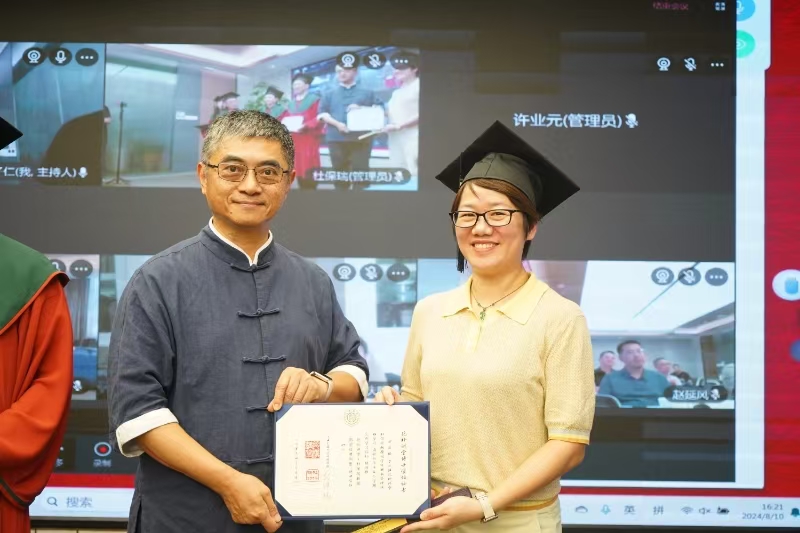
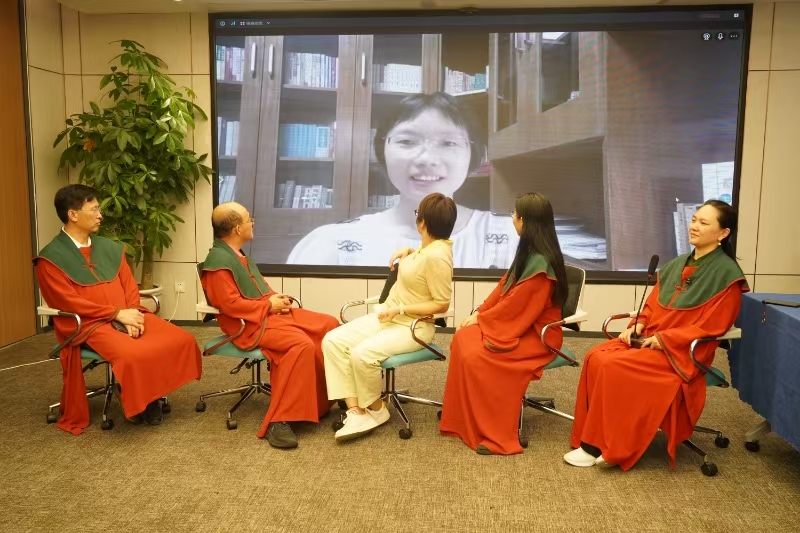
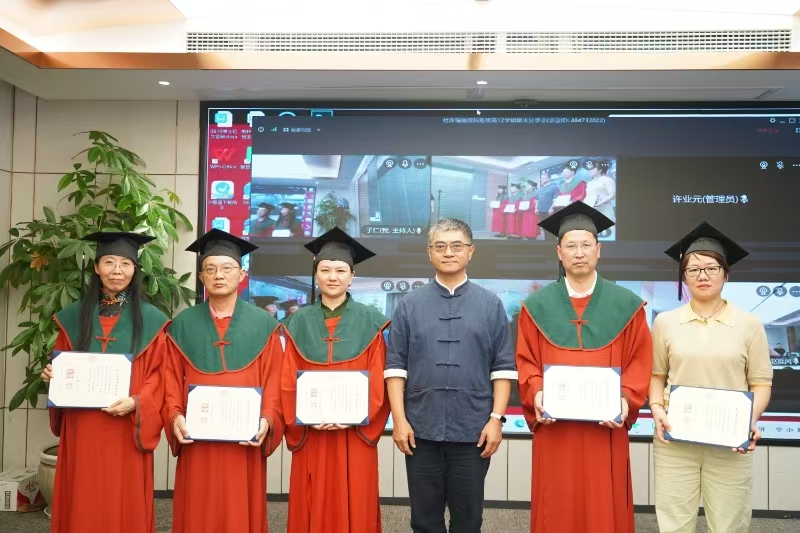
Eight years of relentless pursuit, passing the torch from hand to hand for continual growth! On the fifth and sixth days of the sixth lunar month, Baopu Lecture Hall celebrated Professor Du Baorui's Classic Private School Doctoral Graduation Ceremony and End-of-Term Thesis Symposium.
As the earliest advanced academic platform founded by Baopu Lecture Hall, the Private School Class has adhered to word-by-word rigorous study for eight years, establishing a progressive system spanning introductory, foundational, master's, and doctoral stages.
During this presentation symposium, scholars presented papers of remarkable academic rigor, exploring diverse topics spanning pre-Qin Confucian and Daoist thought, the subtleties of Song-Ming Neo-Confucianism and School of Mind, and Mahayana Buddhist philosophy.
Professor Du Baorui provided precise critiques for every paper, elevating each study through conceptual clarity, rigorous problem-consciousness, robust argumentation, and textual evidence.
This ceremony formally launched the ‘Six-Six Plan,’ elevating the Private School Class from staged academic advancement into a lifelong learning community — a spiritual home and harbor of thought for scholars everywhere.
切己之学,终身成长——杜保瑞教授国学经典私塾班六周年成果发表会精彩回顾Self-Relevant Scholarship and Lifelong Growth — Review of Prof. Du Baorui Classic Private School Sixth Anniversary Presentation
抱朴讲堂公众号 · 2024年8月26日Baopu Lecture Hall WeChat Official Account · August 26, 2024
Delving deep into the classics to illuminate contemporary living. In August 2024, Professor Du Baorui's Classic Private School celebrated its Sixth Anniversary Achievement Symposium.
Over six years, private school scholars upheld the motto of 'self-relevant scholarship and lifelong growth', persevering through wind and rain to accumulate profound intellectual and spiritual fruits.
Senior scholars delivered high-level presentations, reflecting on their transformative journeys under Professor Du's mentorship from novice readers to competent classical expositors.
Professor Du Baorui warmly reviewed the founding aspiration and six-year trajectory of the private school, commending the unwavering dedication of all scholars.
The sixth anniversary is not only a brilliant milestone, but also marks the maturing of Baopu's private-tutorial education as a vital paradigm for contemporary classics study and life cultivation.
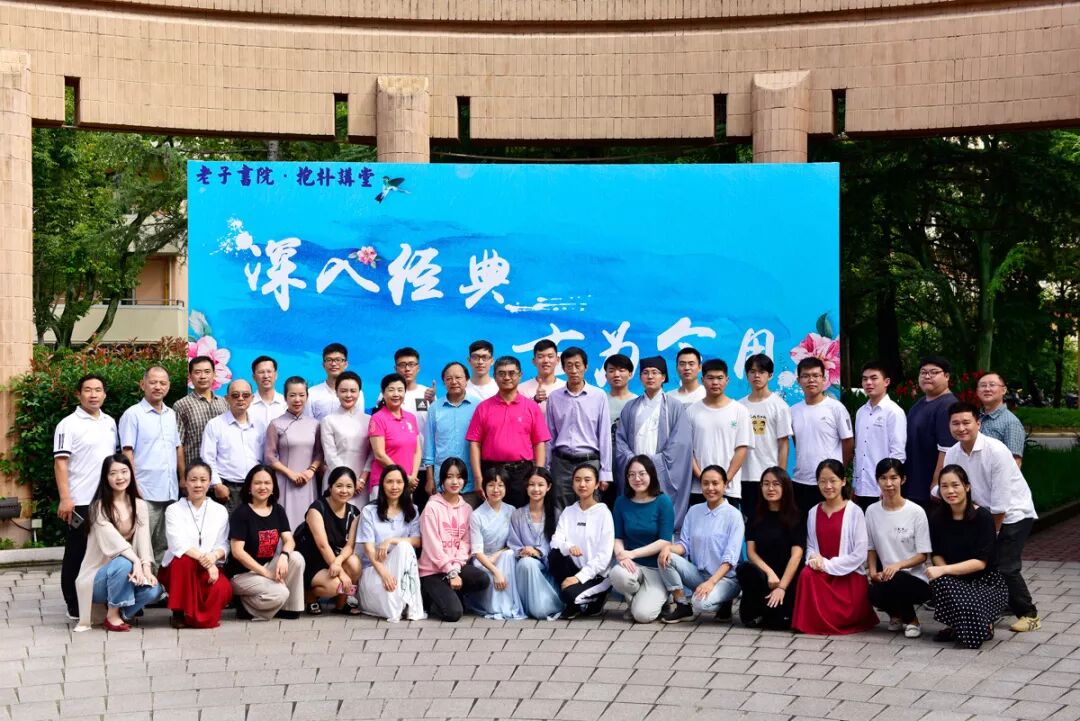
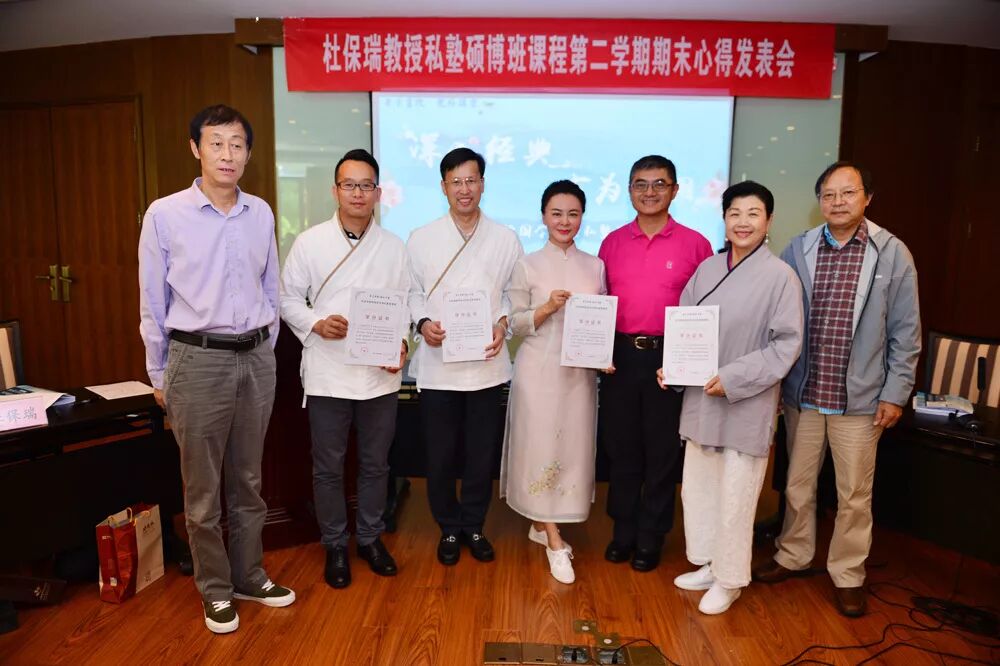
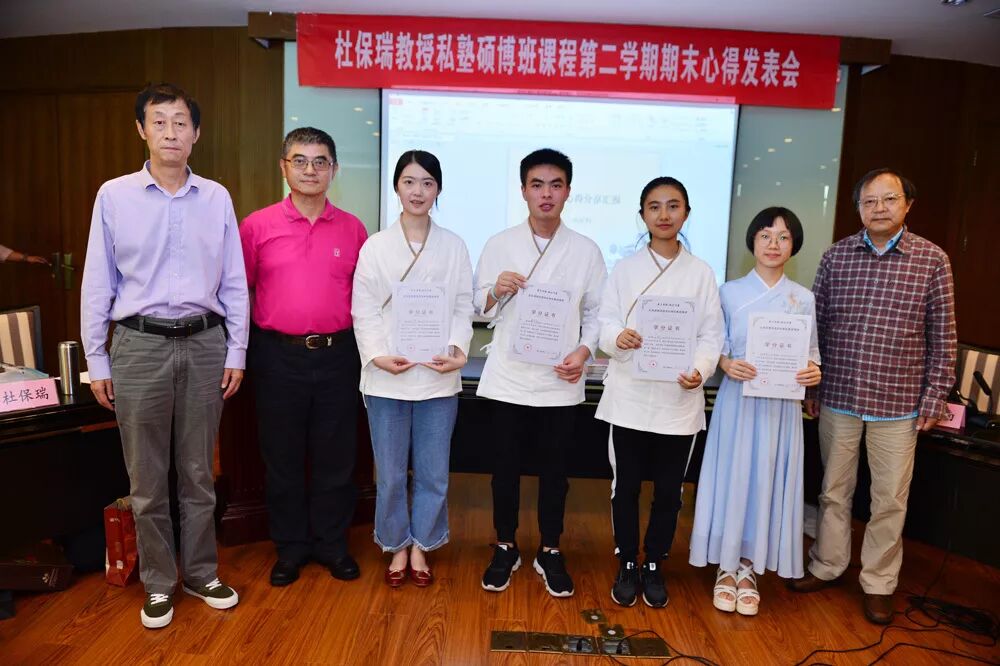
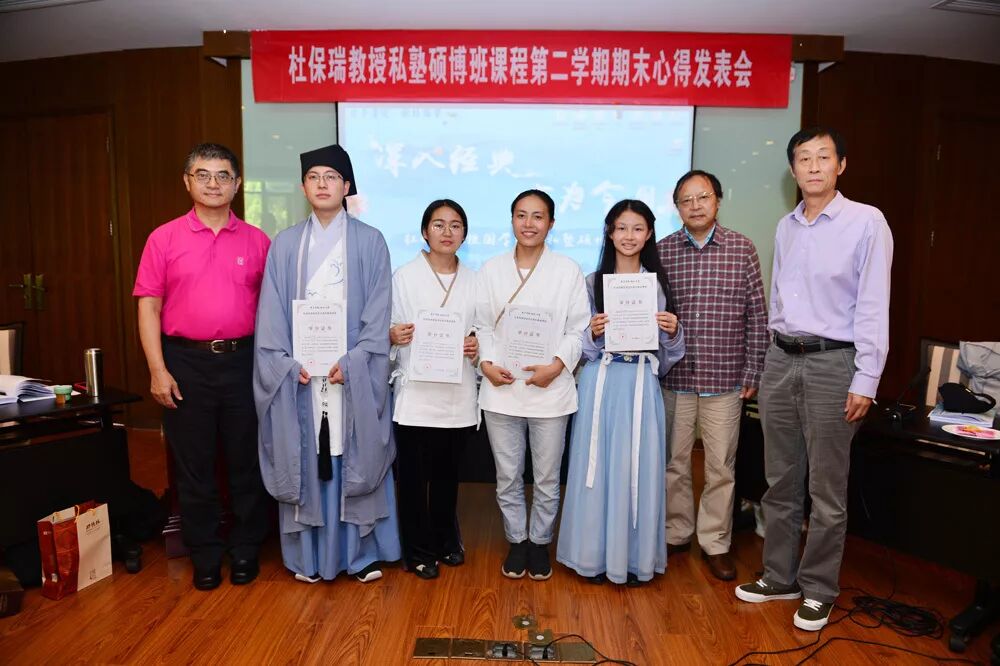
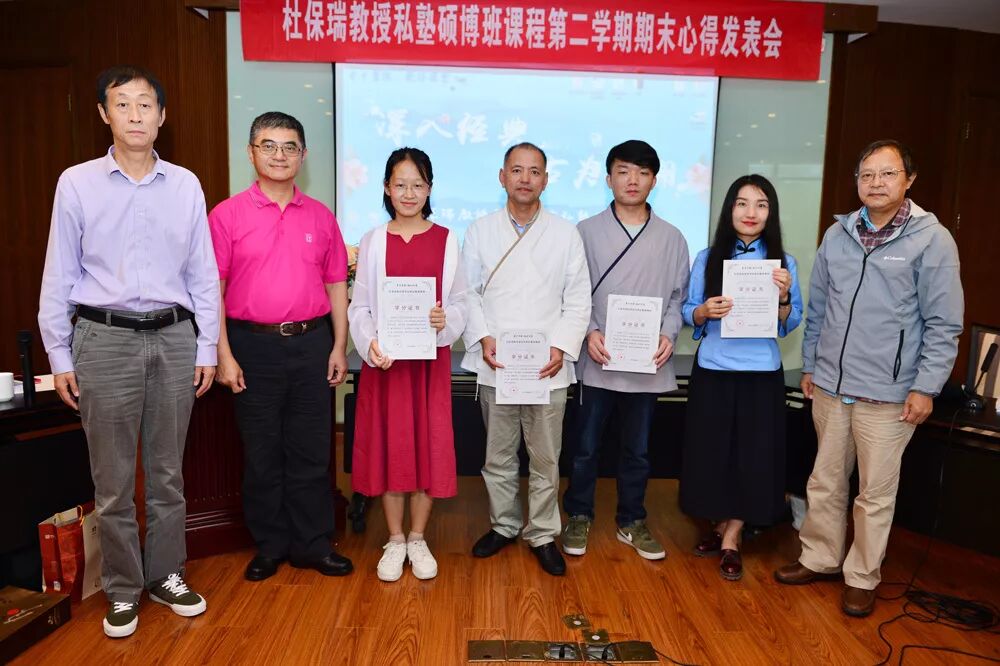
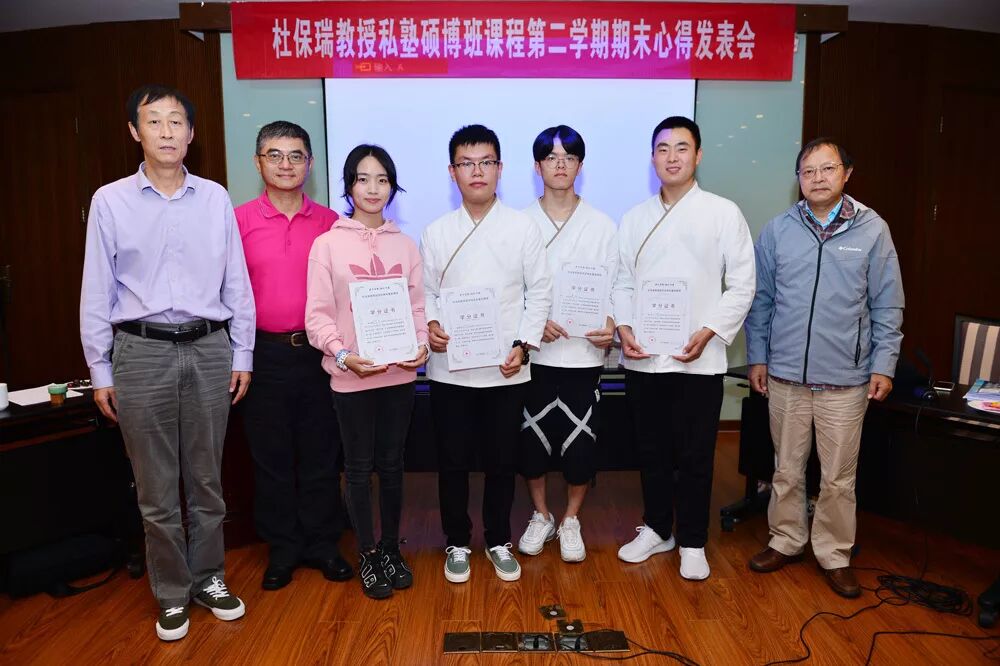
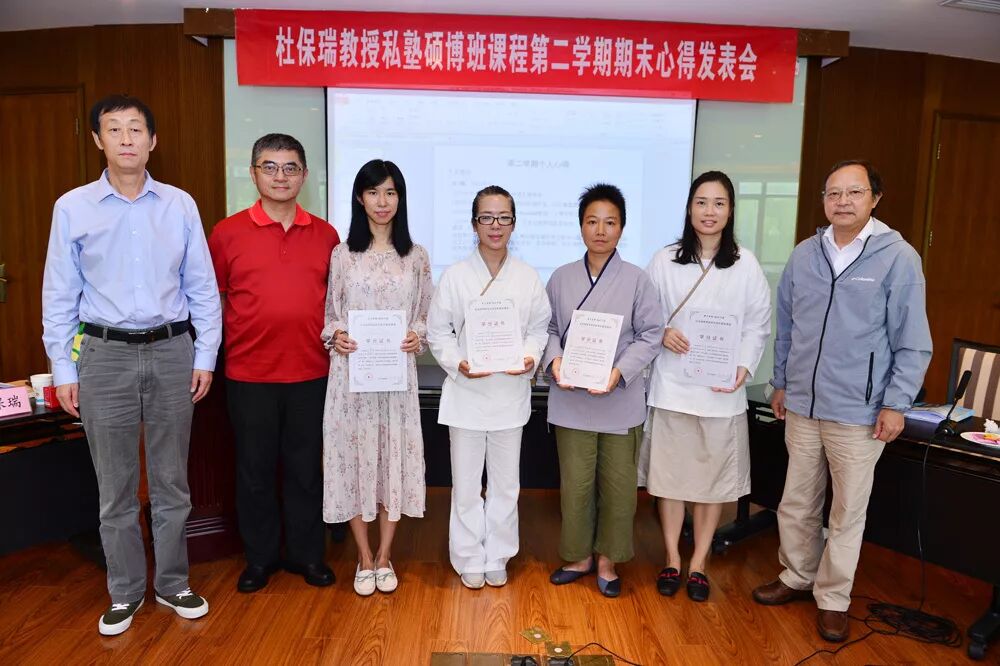
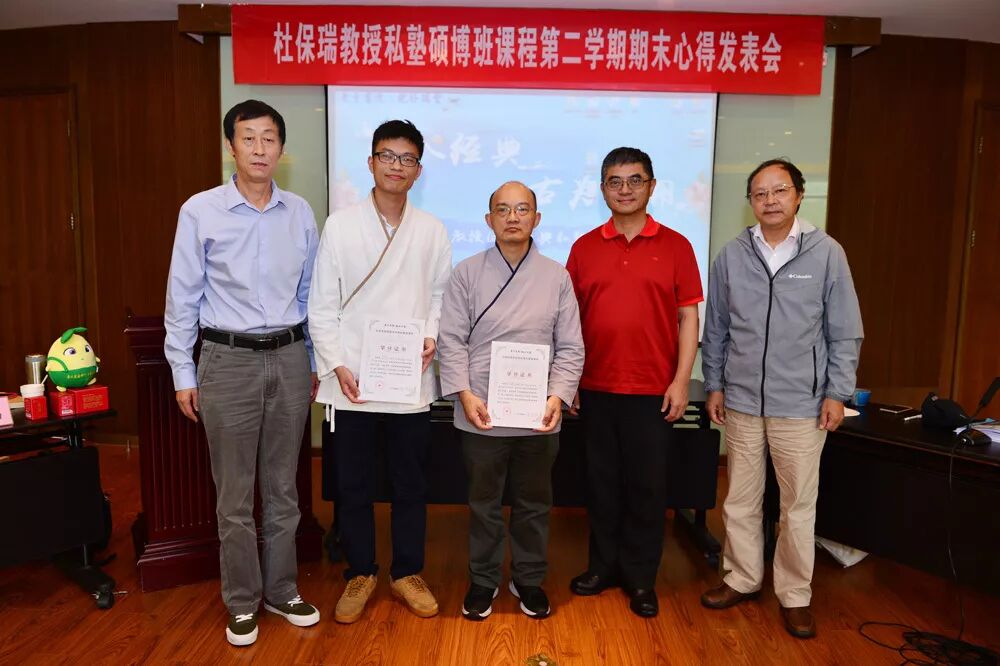
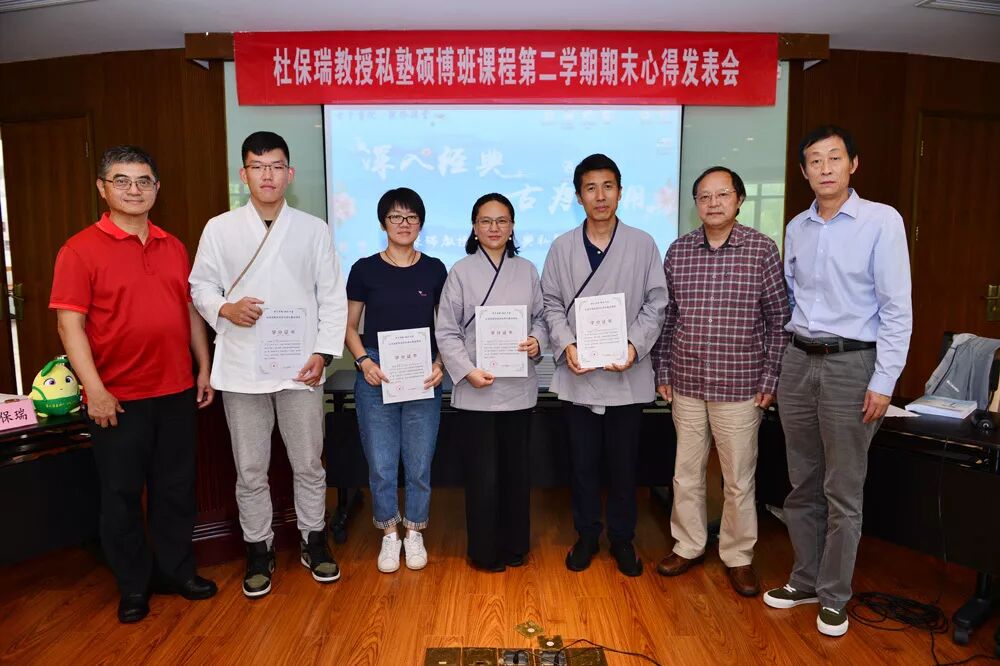
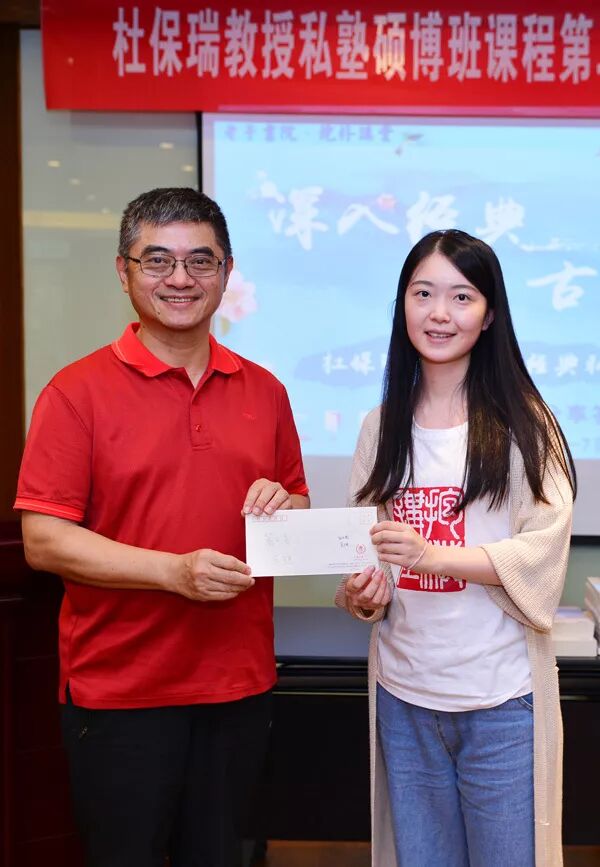
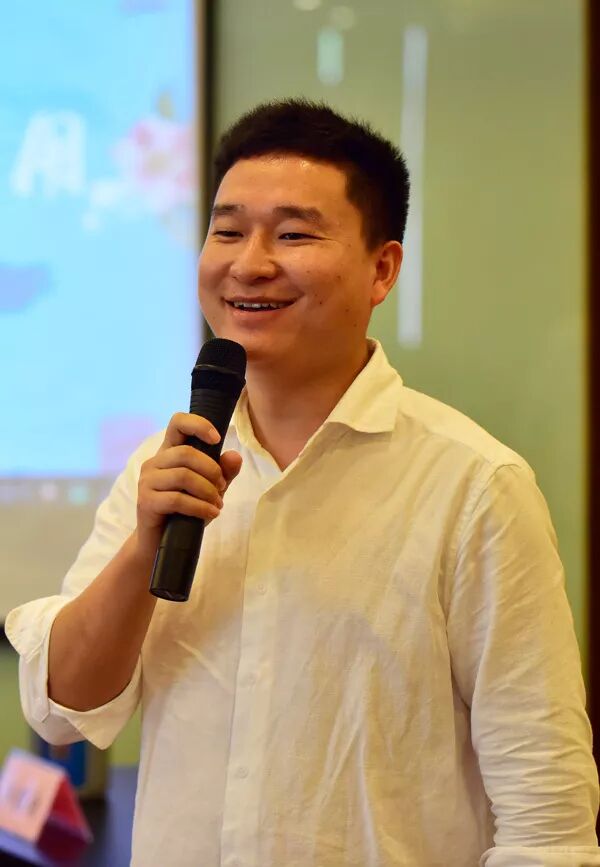
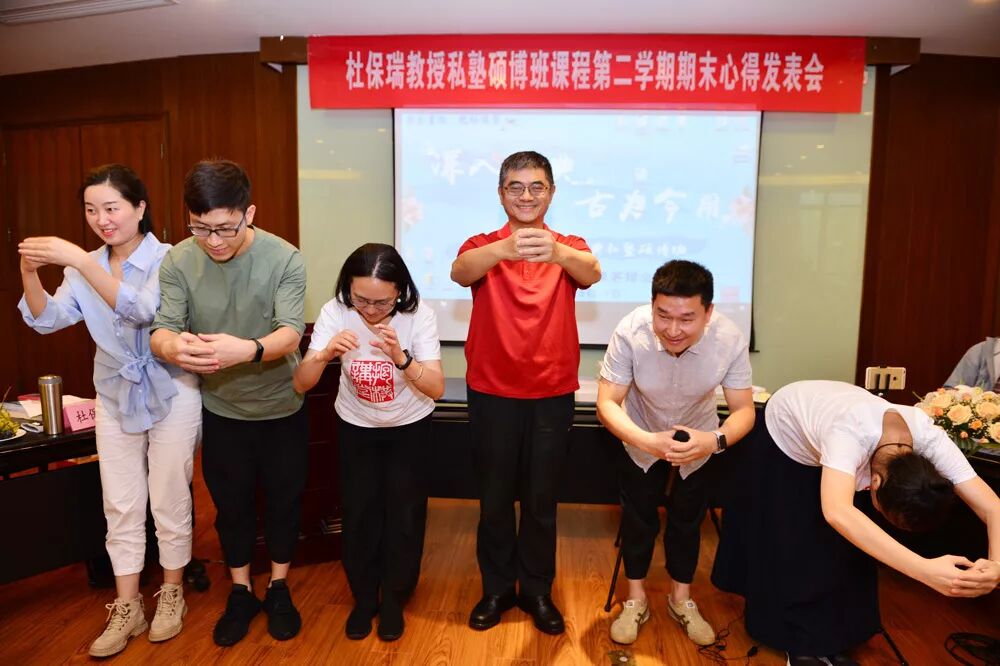
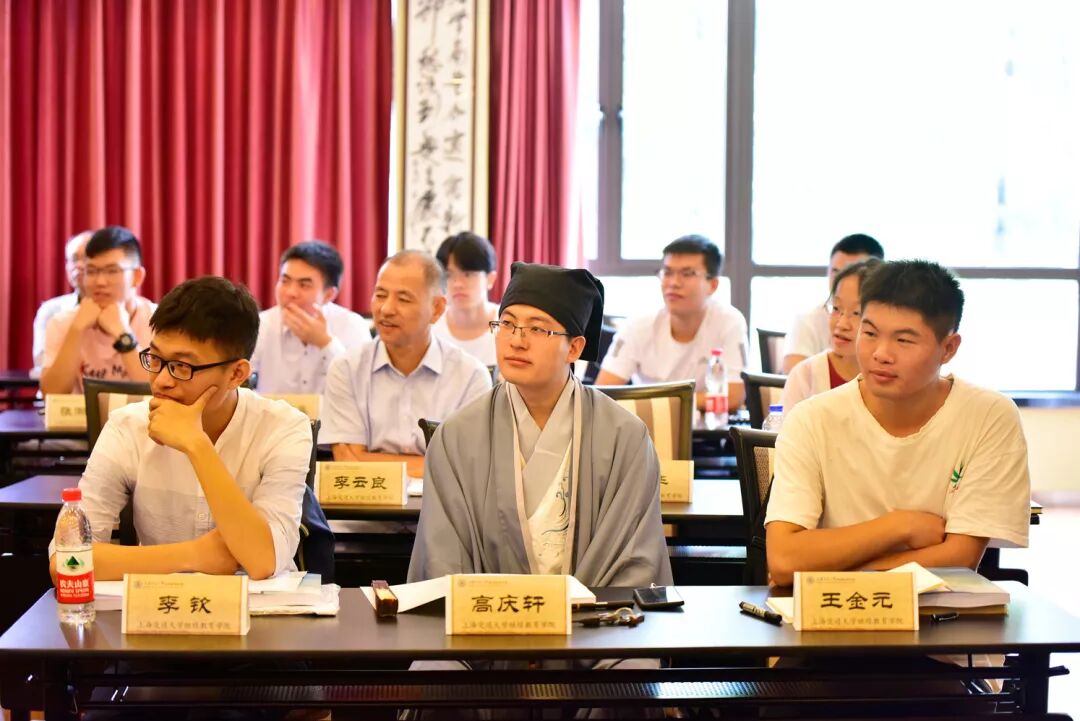
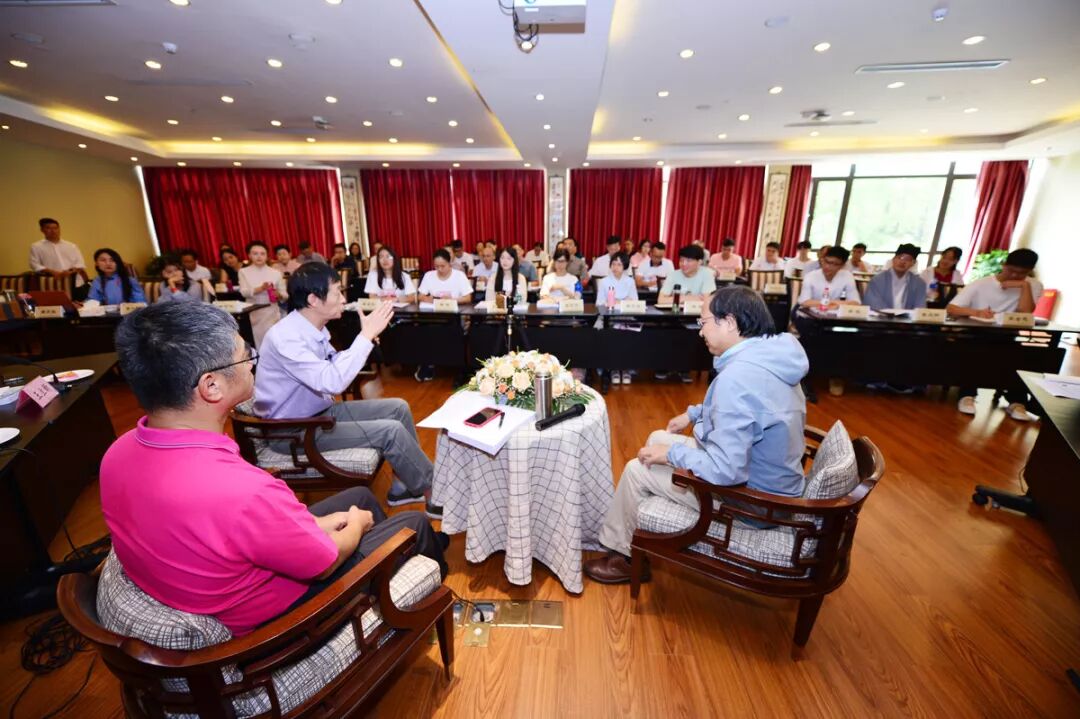
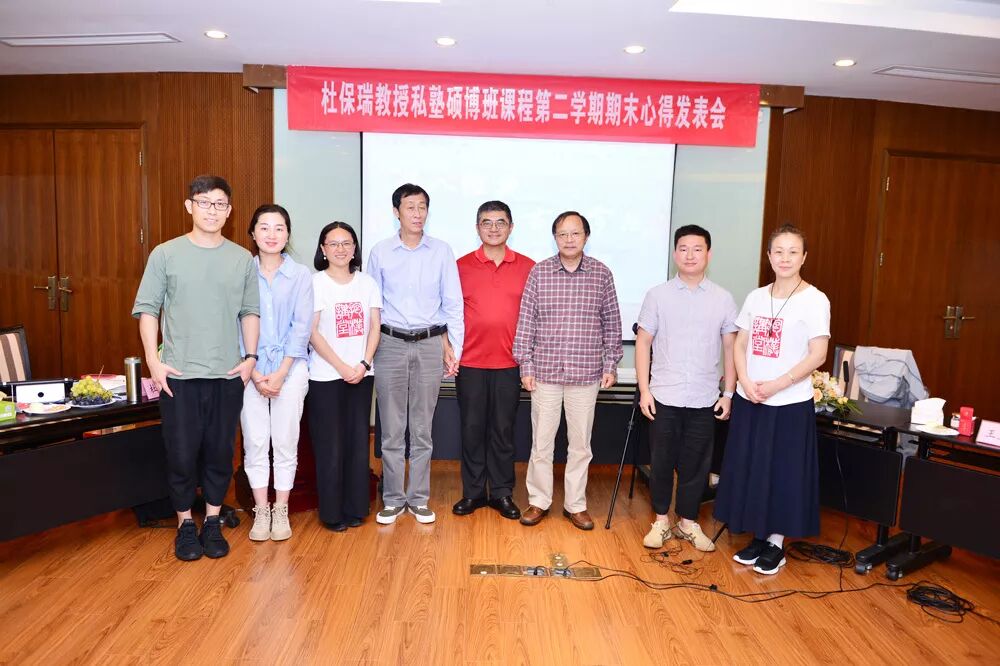
Almost unnoticed, Professor Du Baorui’s Private Tutorial Master–Doctoral Class has completed two semesters. This sharing session was held at Shanghai Jiao Tong University’s Minhang campus.……
Autumn Wind, Buddhist Insight — Fruits of Learning
Notes on the Private Tutorial Class Term-2 Sharing Session
Autumn scenery differs in Shanghai;
Baopu students gather once more.
ONE · Students Return
Almost unnoticed, the Laozi Academy · Baopu Lecture Hall Private Tutorial Master–Doctoral Class taught by Professor Du Baorui has completed two semesters.
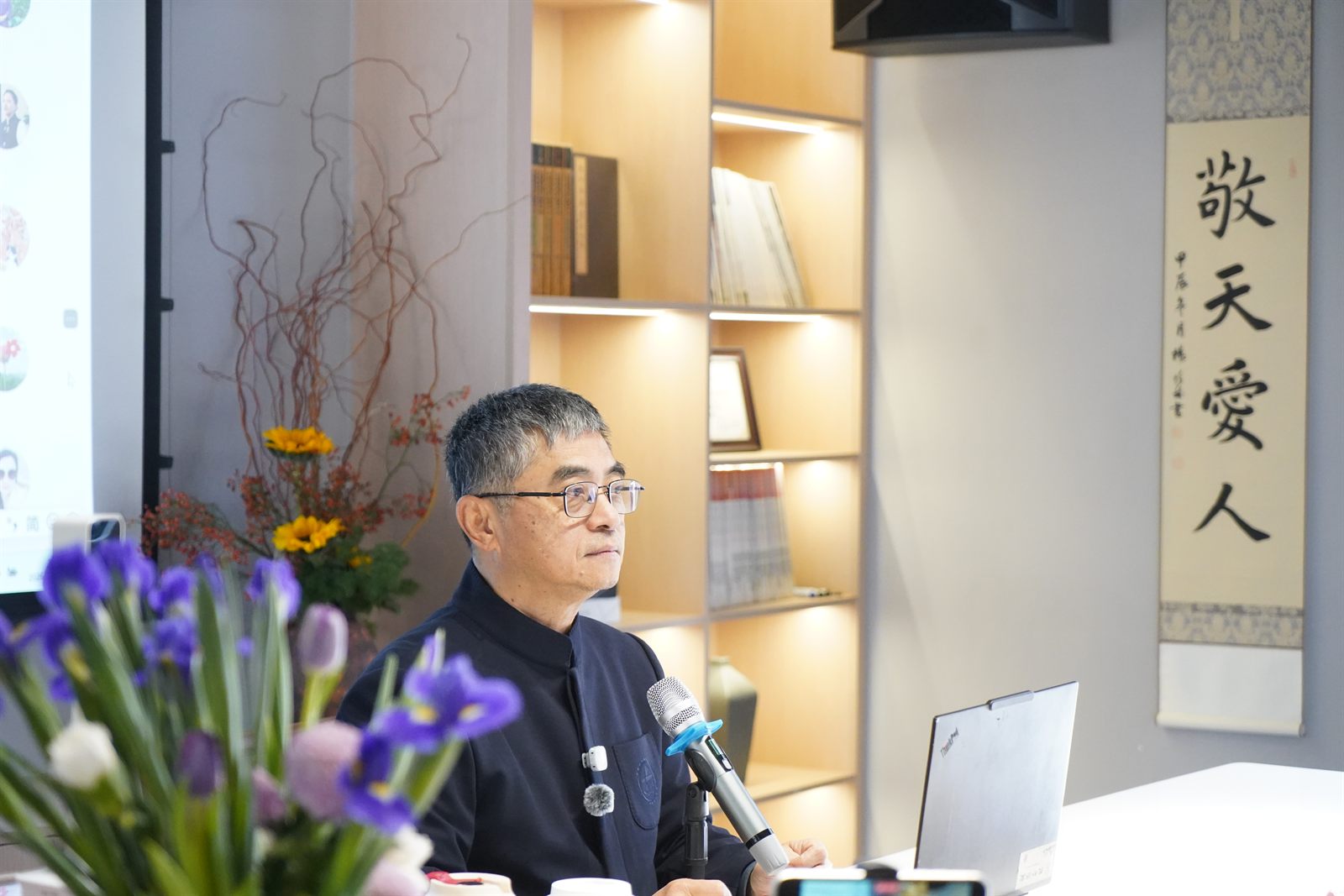
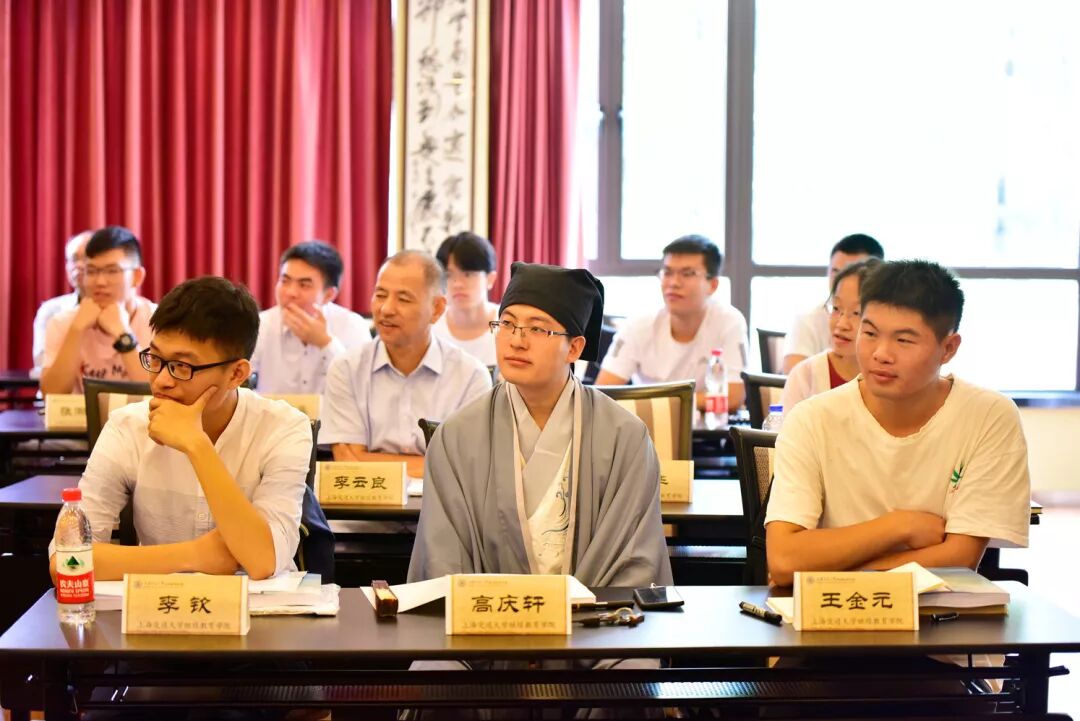
This sharing session was held at the Academic Activity Center on the Minhang Campus of Shanghai Jiao Tong University.
Students who had prepared for a full semester traveled from across the country to present their learning reflections in person.
TWO · Mentors Guide the Way
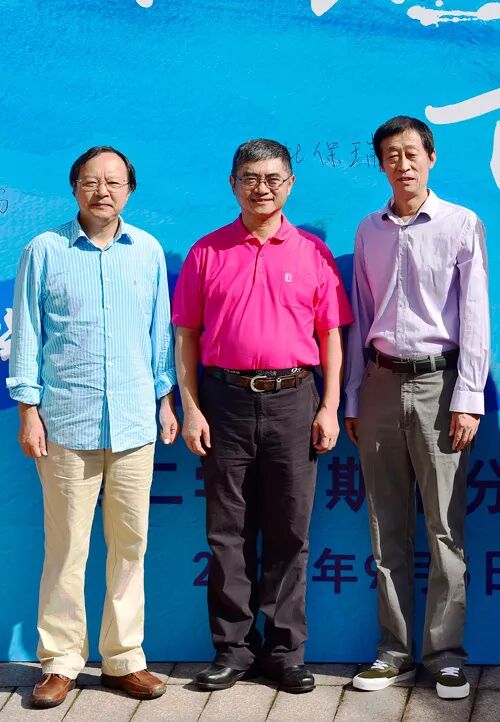
The guiding professors for this end-of-term presentation were:
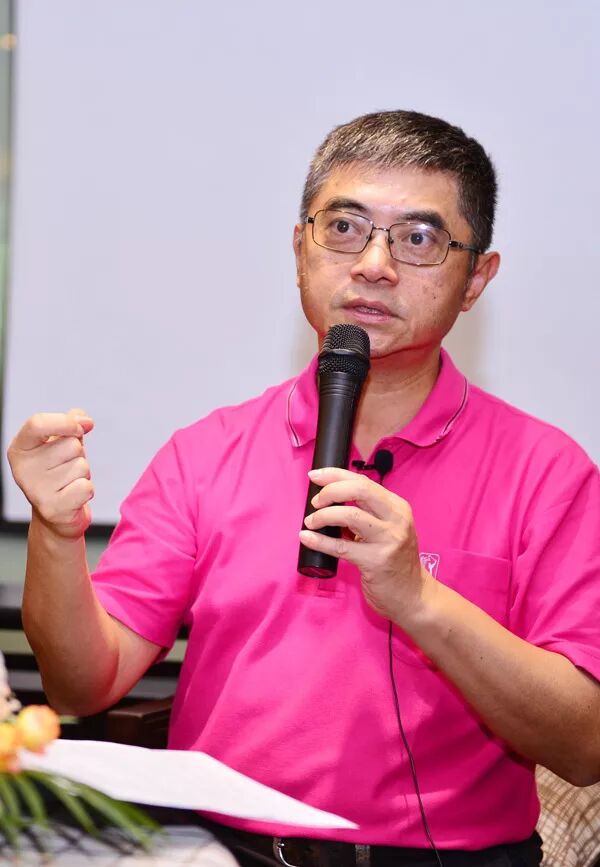
Professor Du Baorui, Department of Philosophy, Shanghai Jiao Tong University;
Professor Li Yaonan, Department of Philosophy, Huazhong University of Science and Technology;
Professor Wang Lixin, Department of Philosophy, Shenzhen University.
THREE · Thematic Forum
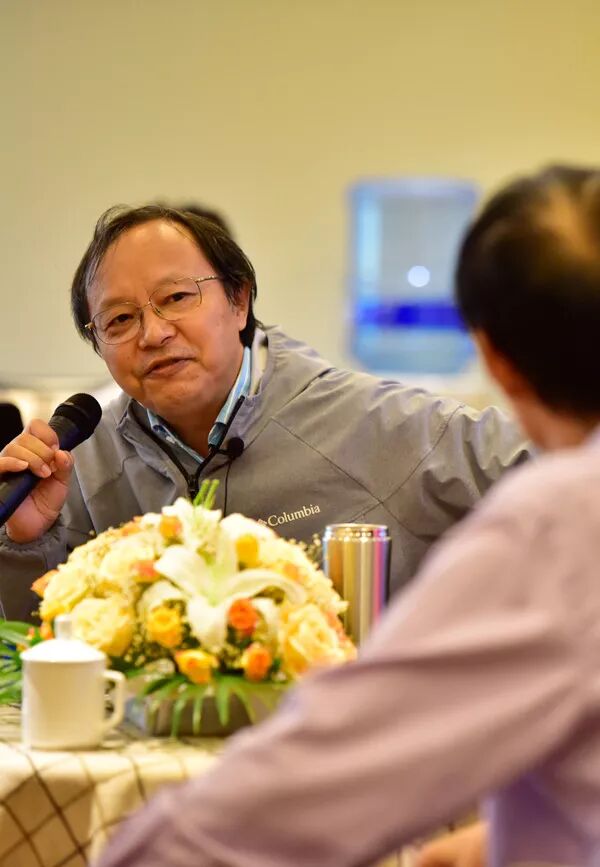
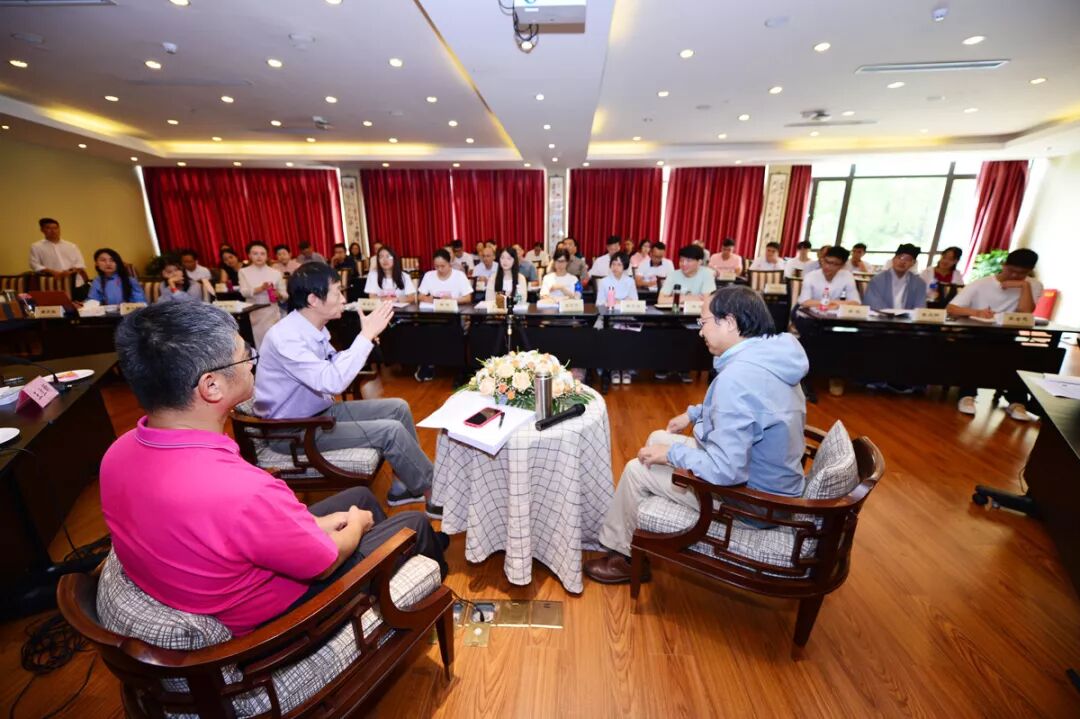
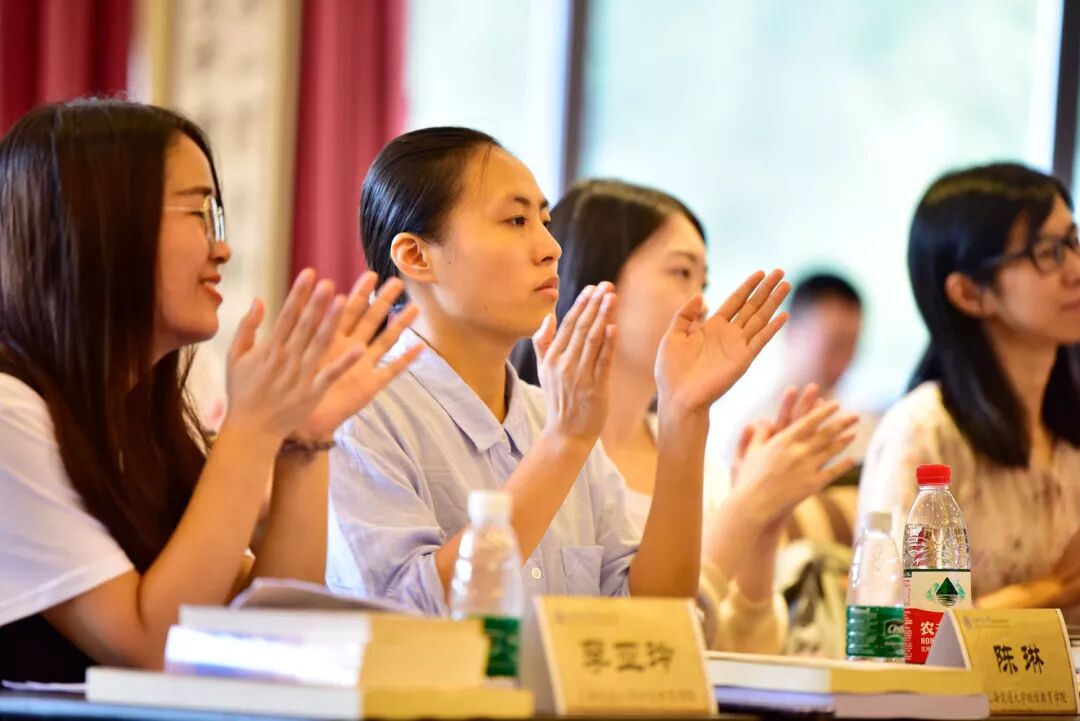
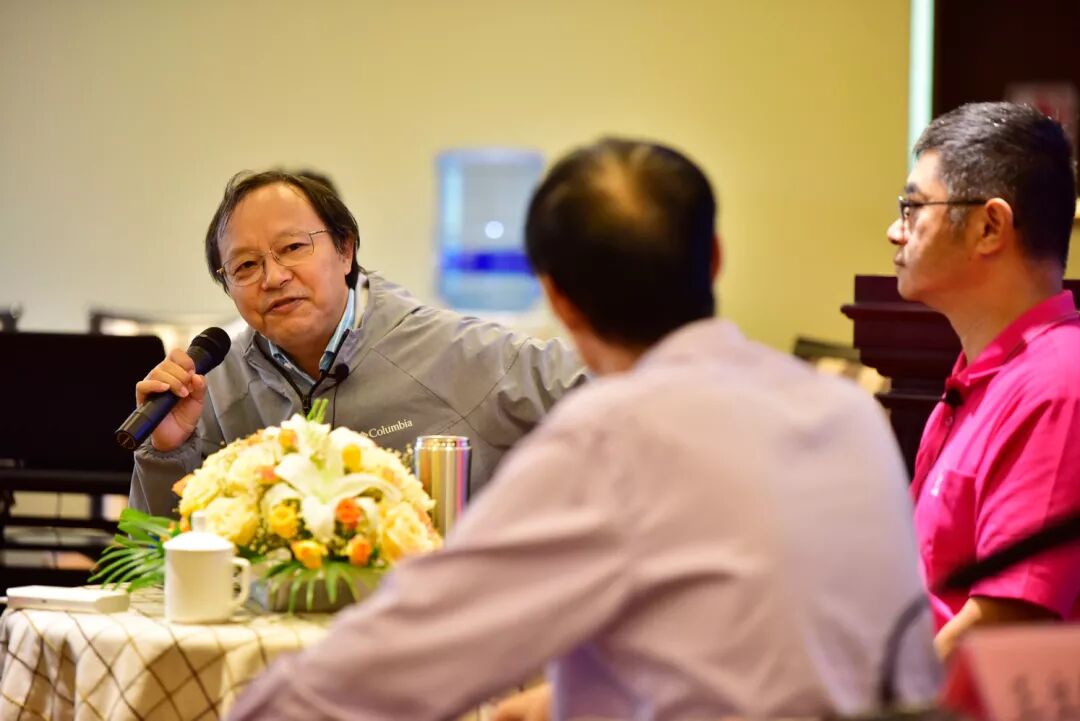
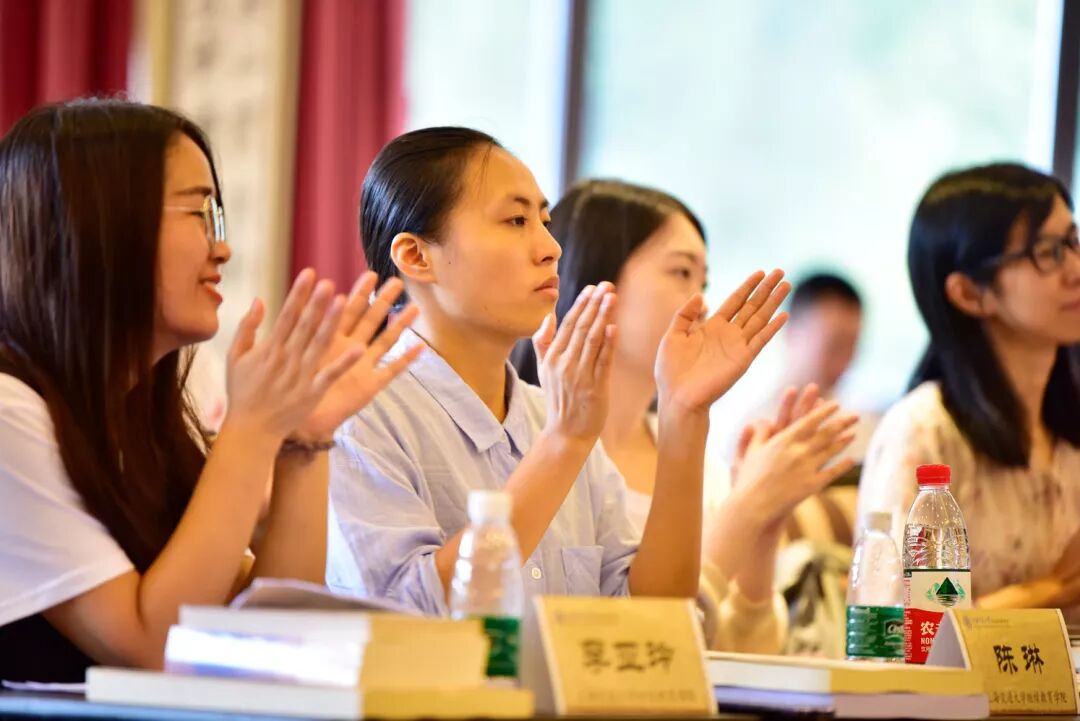
In dialogue, the three professors exchanged on “My Reading Methods and Academic Career” and “My Classics Research and Theoretical Construction.” Wisdom flowed on stage; applause rose below — a warm and lively gathering.
For students who usually study while working in different places, these two dialogues were a feast of philosophy.
From how to live, to how to read, to views on books, the teachers dissected their own growth — also the growth of contemporary Chinese intellectuals: how today’s bearing took shape, and how the frontiers of Chinese philosophy are carried forward.
FOUR · Reflection Presentations
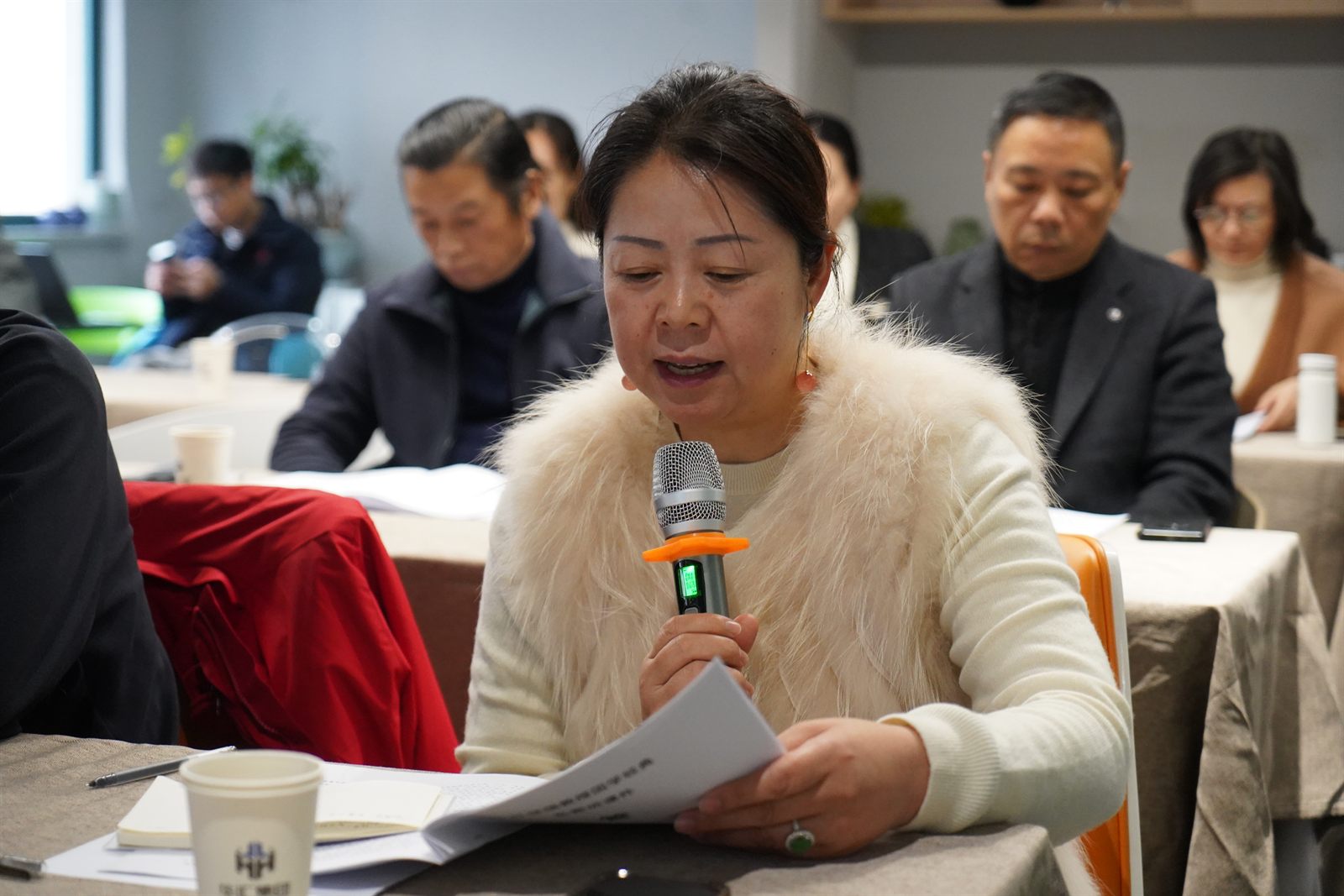
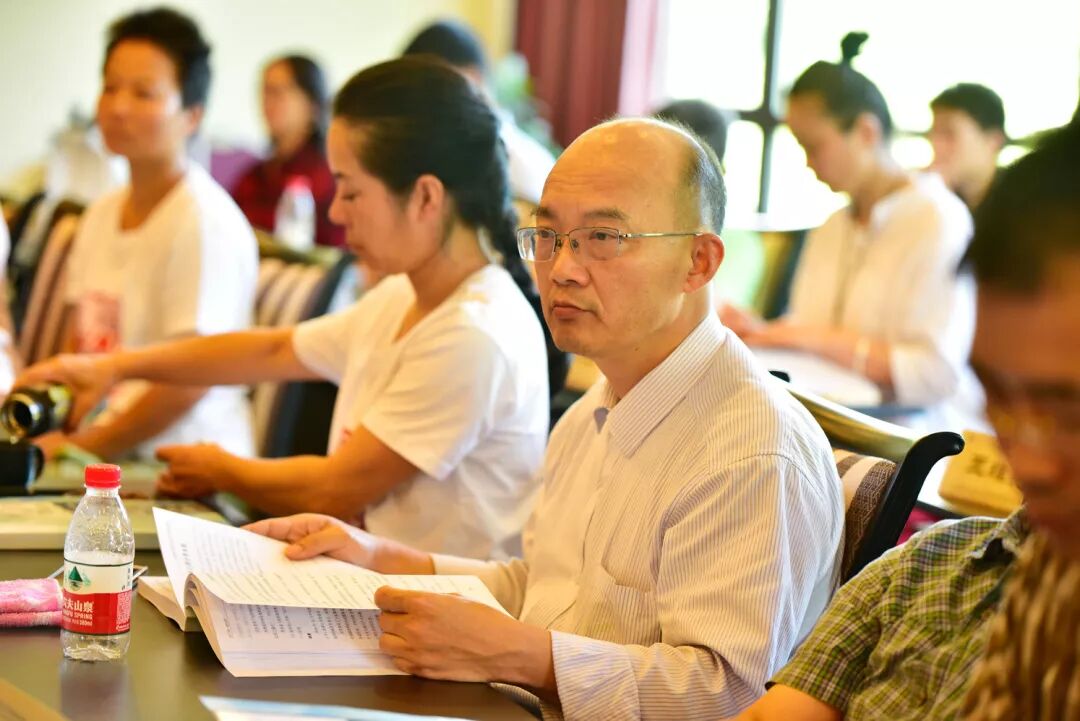
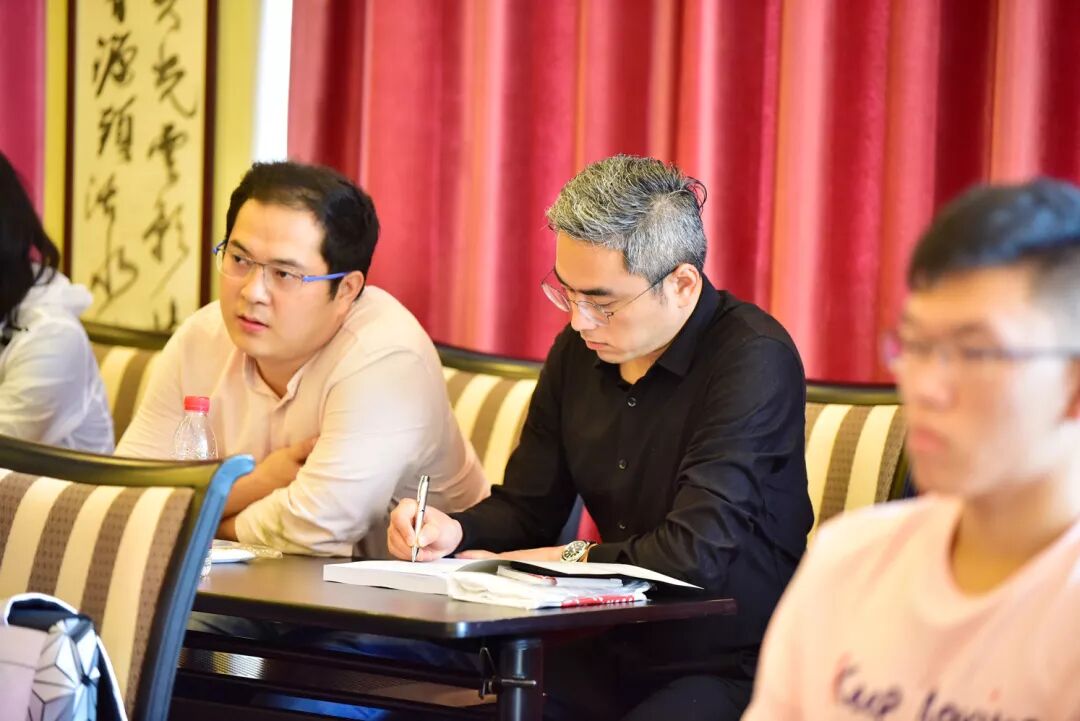
Students’ scholarly level had clearly risen. More than forty presented their reflections in groups.
No one was without nerves; no one was without sincerity. Whether tightly argued scholarship or free-flowing reflection, their earnestness moved the whole hall.
The professors took every paper seriously and offered fair comments. As this was only Term 2, writing norms were not yet strict; from Term 3 onward, submissions must take the form of formal papers.
Strikingly, the professors still remembered Term-1 reports vividly, comparing before and after — leaving students in a cold sweat.
FIVE · A Rich Display
Over two days of sincere sharing and professional, lively commentary, moving moments kept coming — truly a cultural feast.
Speaking before peers and scholars trains both thought and courage.
After the tense sessions, the banquet released everyone’s warmth. Having shared the pressure of presenting and being reviewed, fellowship deepened — everyone became family.
SIX · Insight at the Farm
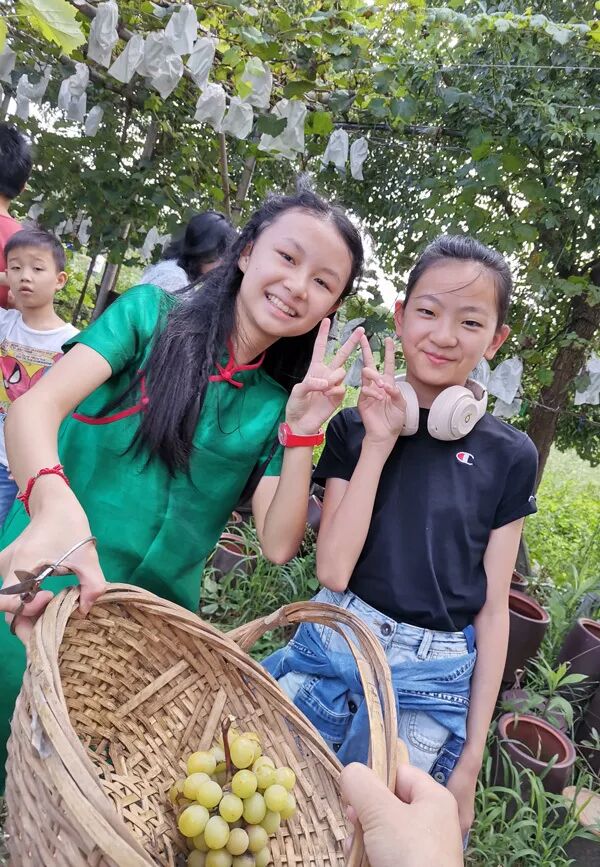
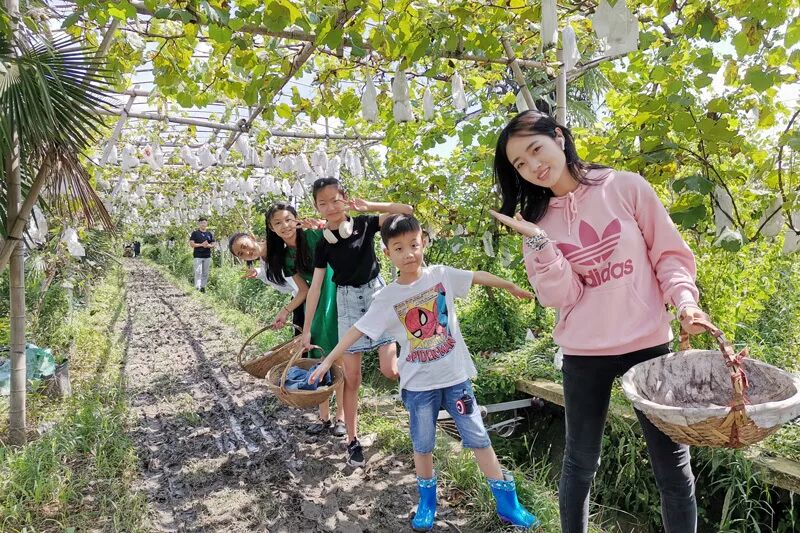
On the third day, to thank students from afar, all visited classmate Qian Lihua’s Liang Tian Shi Fang organic farm — picking grapes, planting strawberries, pulling greens, filming Douyin: pure joy.
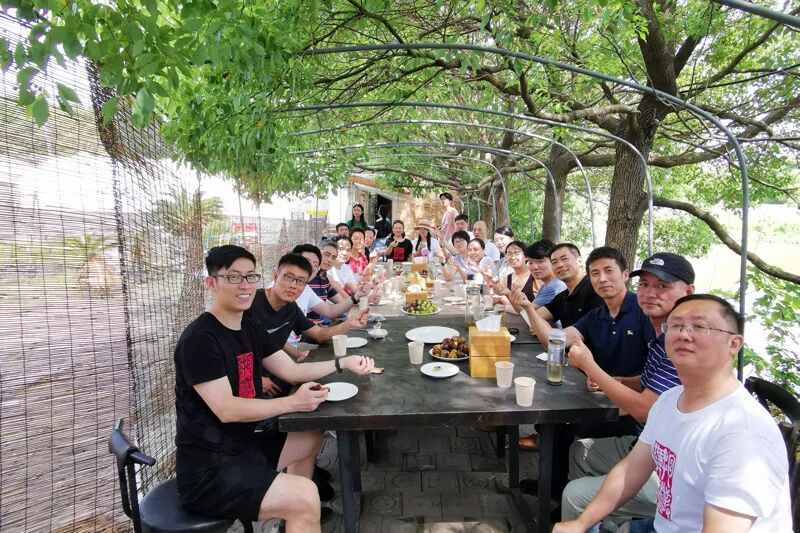
After a hearty meal, under riverside trees they enjoyed untimed conversation — making up for the shortage of talk at the formal session, with no clock and no critique.
Even a whole afternoon felt too short; many lingered until flights and high-speed trains forced them away.
Perhaps imperfection is the beauty of it; amid parting, everyone already looked forward to the next gathering.
SEVEN · Acknowledgments
Special thanks to Teacher Shen Gang, classmates Zhang Bing and Kang Chengyong, and the “Yuan Fund” for lodging, meals, and attire sponsorship — boundless gratitude!
Thanks also to Term-1 class monitor Bingxue for gifting Analects study books.
And again to Qian Lihua for the farm venue and near-cost meals that greatly reduced expenses.
EIGHT · Closing Words
Thus concludes this brief record of the Term-2 sharing session of Professor Du Baorui’s Private Tutorial Master–Doctoral Class at Laozi Academy · Baopu Lecture Hall.
Time flies; fellowship endures.
Teachers and students gathered with effort; the harvest was not only knowledge and wisdom, but also cherishing this warm community.
Under the care of Professors Du, Li, and Wang, together with all teachers and students, Baopu Lecture Hall will flourish further.
Society needs such communities; when they multiply, harmony becomes real.
Laozi Academy · Baopu Lecture Hall
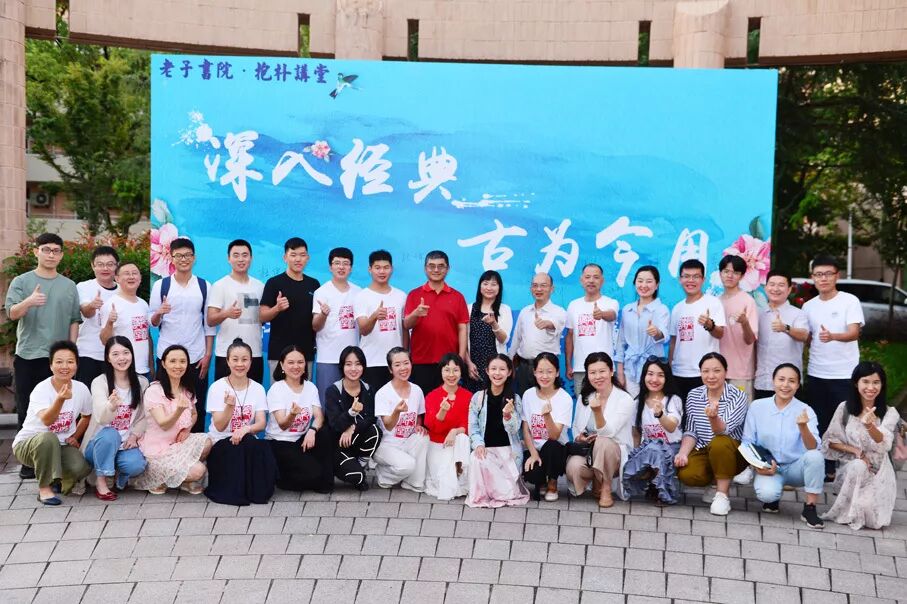
Enter the classics; apply the ancient to the present
In my two years in Shanghai, most of my energy beyond university duties has gone into the Private Tutorial classics curriculum. On September 5–6 we had just held the reflection presentations……
In my two years in Shanghai, apart from university duties, most of my energy has gone into the classics curriculum of the Private Tutorial Master–Doctoral Class.
On September 5–6 we had just held the learning-reflection presentations: over forty students spoke in person, and more than ten submitted papers without attending — fifty-two papers in all.
From those two days I realized it was time to teach students how to write.
I. On Papers in the Private Tutorial Class
The first task of the class is to lead everyone to settle down and enter the classics deeply. Past interest was often shallow or second-hand; few truly entered with their own mind.
My investment across two semesters and thirty-two sessions was to draw attention in: listen well, ask online, and submit an end-of-term piece to show learning.
Those who joined from Term 1 are now entering Term 3; the third presentation will soon be planned. I keenly feel that at the fourth presentation I must be ready to award a private-tutorial master’s certificate.
Am I responsible and confident enough to give that certificate without failing their diligence? To make what they have learned clear, I must teach writing well.
Presentations take two forms: reflections and papers. Papers also split in two: formal academic papers by humanities graduate students (which need little explanation from me); and writing by non-campus, non-humanities, working professionals, or young self-learners of the classics.
These students have strong love of guoxue, zeal, and motive to write, yet have not learned how a paper-like essay is written — they are my teaching audience.
II. When to Begin Writing Papers
What follows is for those entering Term-3 paper writing. Thereafter every student in Term 3 must write this way, and discuss topic, outline, and arguments with me before writing — lest the problem-consciousness be unclear, or the outline and theses lack clarity.
Once discussed first, the finished piece lets reviewers see the point quickly and guide improvement; the writer benefits more.
Term 1–2 students still write end-of-term reports, but may write as reflections — class impressions and learning notes — presented as reflection talks, not as objects of critique, yet still counting for credit.
Anyone who attends and has submitted will speak. Reflection-style talks are simply not commented on first, so critique can be more effective where it matters.
Without a submitted piece there is no credit. Submitted Term 1–2 pieces earn credit and will be posted on the Baopu site for exchange; you may revise anytime if needed.
Once the fourth-term formal thesis is finalized and posted, stop revising — life moves on to the next important work.
III. Writing Skills or Principles
What I teach is not a full academic paper, nor a reflective essay, but an argumentative essay like academic writing — school composition with scholarly flavor.
The one difference from academic papers: no required citation of contemporary or ancient scholars, and no strict citation/annotation rules.
The only requirements: reasoned argument, system, links that hold, and focus on the theme.
Why drop those academic demands? Because the class serves your own growth, not a hunt for a formal academic post.
Alongside other work and study you come here, learn wisdom from the classics, gain understanding, and state that understanding in a systematic frame — becoming someone who can explain principles. Whether others said it before is not the point; that you understand and can say it clearly is.
Agreement, disagreement, defense, rebuttal, debate — also not the point. Ancient imperial exams had no modern citation apparatus: one topic, one argument, judged at once.
Still, format norms matter. With them, at least the piece is readable; without them and without insight, it becomes a disaster the teacher cannot parse even with great effort.
Materials. Must treat theoretical aims of classics taught in class — research and elaboration of those texts, showing teaching and learning bearing fruit.
Title. Write it clearly; keep the whole piece tightly on it. It may explicate one essay in a classic, one proposition, a school’s core claim across texts, or dialectical analysis of a philosophical problem across schools. Beginners should start with these basic forms.
Abstract. Written after the piece is done (a prior plan is a prospectus for the teacher). The abstract restates the gist under each subheading so readers can decide in seconds whether to read on.
Keywords. Listed after writing, from recurring issues, concepts, and names — so searchers can find the piece.
Prospectus. Not part of the final paper; a writing plan before the paper. Term-3 students must first produce title, prospectus, and outline, discuss with me, then write.
Outline. The items to cover — later the subheadings. You may draft first, then clarify the outline and discuss before finalizing. The outline’s sequence is the article’s system and must be stated in the preface.
Preface. After title, abstract, keywords: explain the title, motive, and — most important — how many sections, each theme, and relations among them. When this is clear, the architecture is clear; otherwise you are writing prose. Do not assume you are a master of free prose: follow the format. As Professor Li Yaonan notes, sections may radiate from a core, or accumulate from small questions to a core, or treat equal themes after classification.
Subheadings. Locate long discussion section by section — not a diary, but a connected essay. Text that elaborates the heading is readable and teachable.
Body. Clear wording, no typos; state views, do not vent emotion.
Conclusion. A closing, or notes on future research.
Academic papers differ only by adding notes and citations to join scholarly conversation. Private-tutorial students need not do that yet; accurate understanding suffices. Later, as lifelong teaching assistants after M.A./Ph.D., you may enter that conversation.
V. Other Notes
From this round of papers and printing: set and keep a clear submission deadline next time, so the volume can follow a formal agenda for reading and comment.
Term 1–2 may still write as reflections; Term 3 writes argumentative essays, yet may still include a personal note before the formal title, abstract, keywords, preface, subheadings, body, and conclusion.
These are the skills and methods of writing. Methods of reading I spoke of at length this time; another day I will write them out. Deeply moved by everyone’s participation — thank you.
《抱朴学刊》每期栏目二即为私塾班现场研经录音精编讲稿 · 杜保瑞教授亲授指导 · 儒释道三家 120 篇录音整理讲稿全文在线阅读Category II in Baopu Journal features verbatim transcripts of tutorial lectures by Prof. Duh Bauruei, covering 120 Confucian, Daoist, and Buddhist texts
私塾班秉持“现场研讨、课后成文”的传统,杜保瑞教授逐句讲授与答疑现场录音,均经系统精校整理, 作为《抱朴学刊》核心栏目【经典私塾】按期连载发表。学员可在此直接按典籍检索、在线翻阅全文或下载原版高清 PDF。Following the tradition of live inquiry and post-class transcription, Prof. Duh's lecture recordings are systematically verified and serialized in Baopu Journal's Column II for full-text online study.
以哲学义理系统疏解四书学与宋明理学, 涵盖《论语》核心专题讲稿与《孟子》全本逐章深度精析。Systematic philosophical explications of Four Books and Neo-Confucianism, covering core topical lectures on the Analects and in-depth chapter-by-chapter studies of Mencius.
老庄哲学原典义理深度精读, 涵盖《庄子》内篇七篇全解、外篇杂篇名篇,以及《道德经》八十一章逐章精讲。In-depth philosophical readings of Laozi and Zhuangzi classics, covering the 7 Inner Chapters, key Outer/Misc chapters, and all 81 chapters of Daodejing.