热烈祝贺抱朴讲堂·第九届中国哲学学术营杜保瑞教授中国哲学史圆满结营Warm Congratulations on the Successful Closing of Baopu Lecture Hall’s 9th Chinese Philosophy Academic Camp — Professor Duh Bau-Ruei’s History of Chinese Philosophy
抱朴讲堂公众号 · 2026年8月13日 · 文:复中Baopu Lecture Hall WeChat Official Account · August 13, 2026 · Text: Fuzhong
Interpreting the classics is the highest enjoyment — this was Professor Duh Bau-Ruei's remark at the closing of the academic camp.
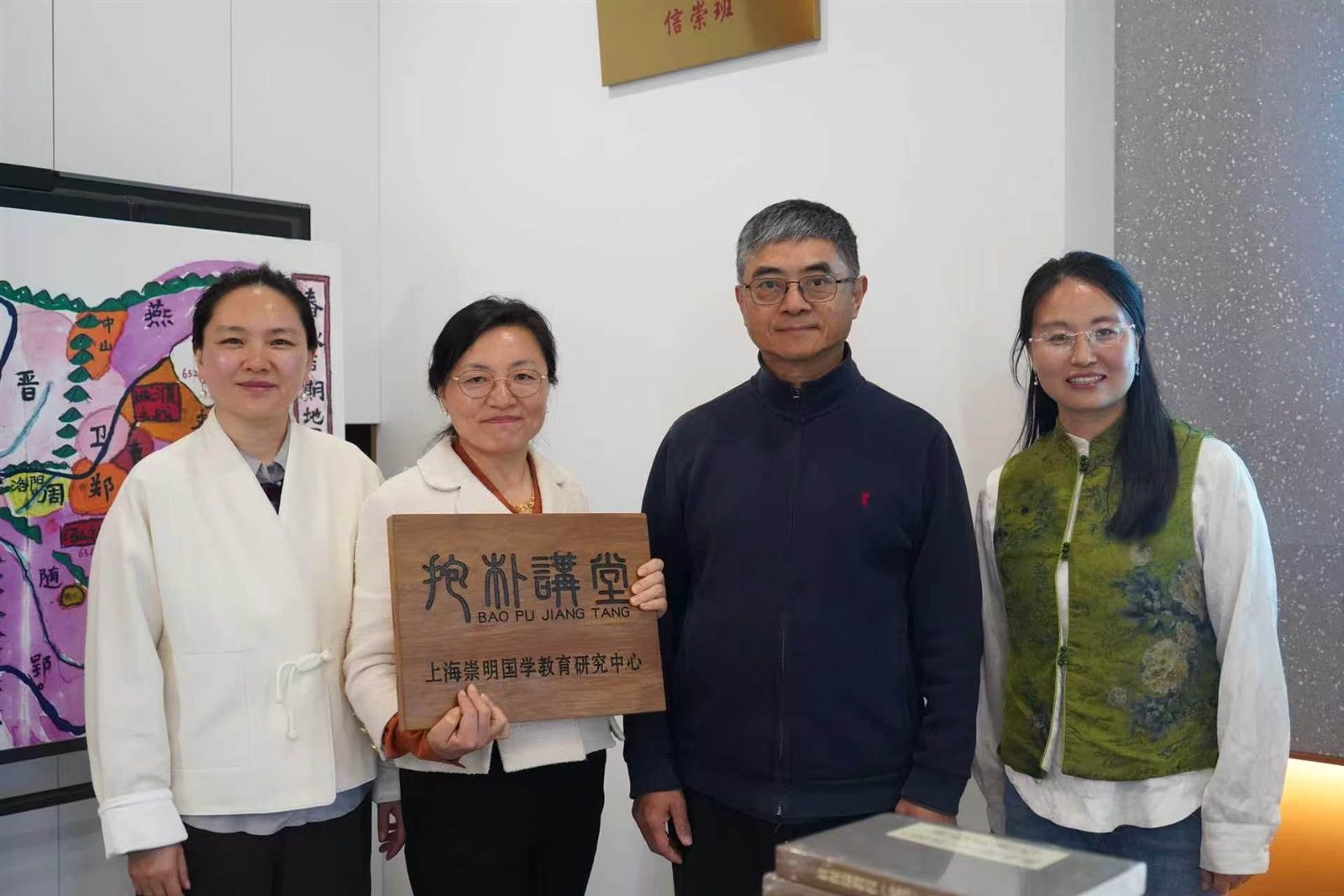
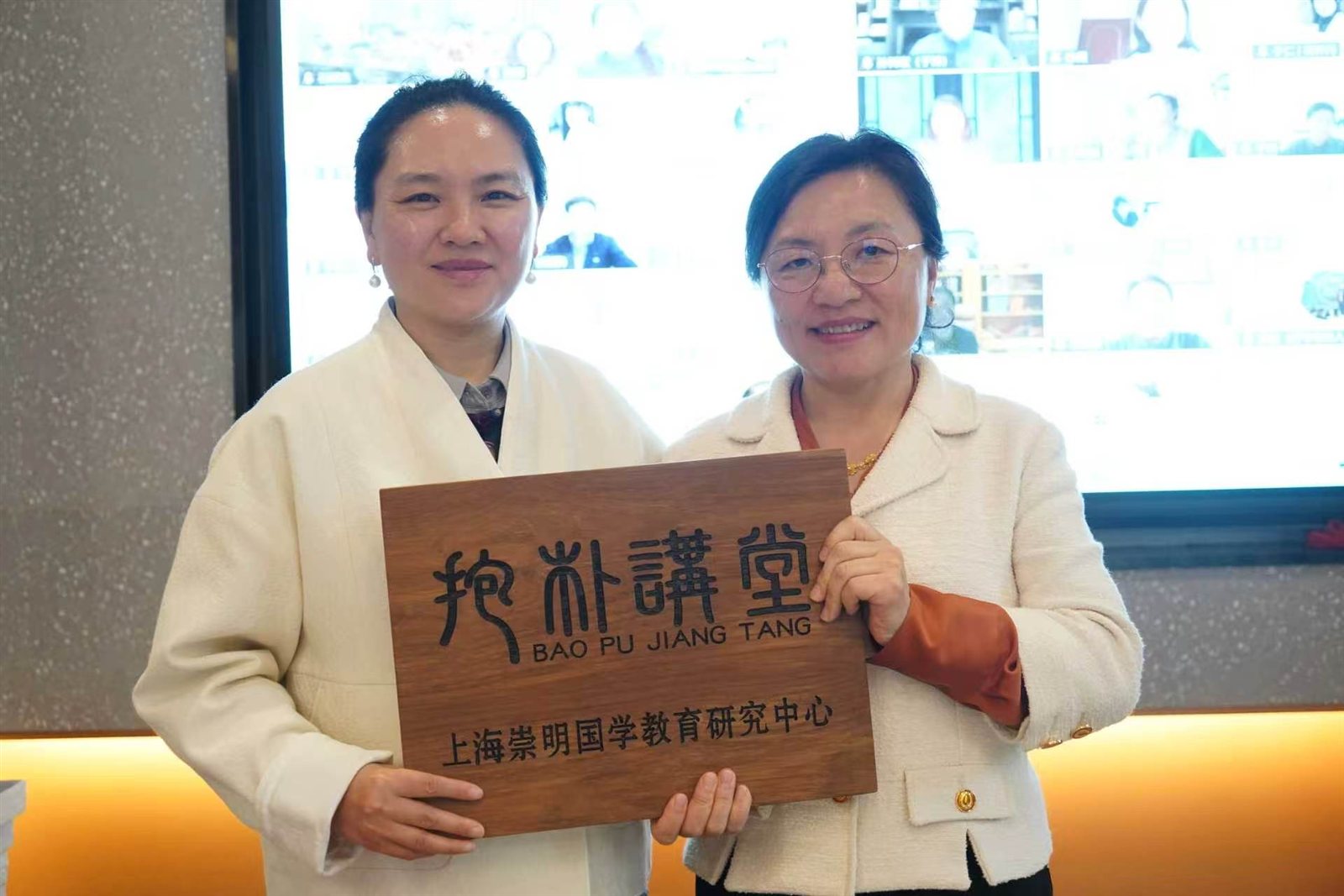
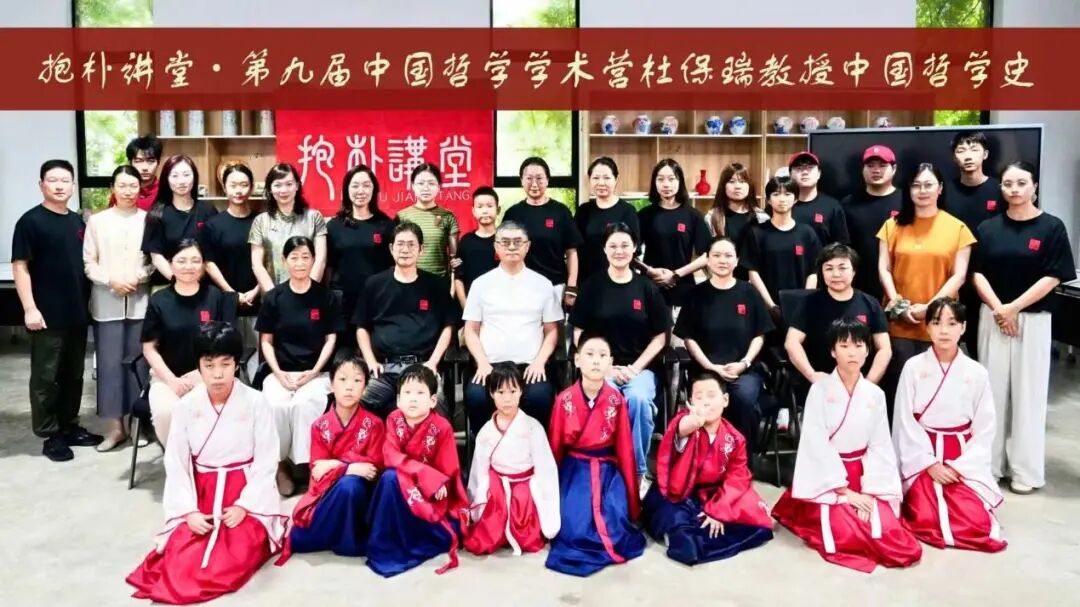
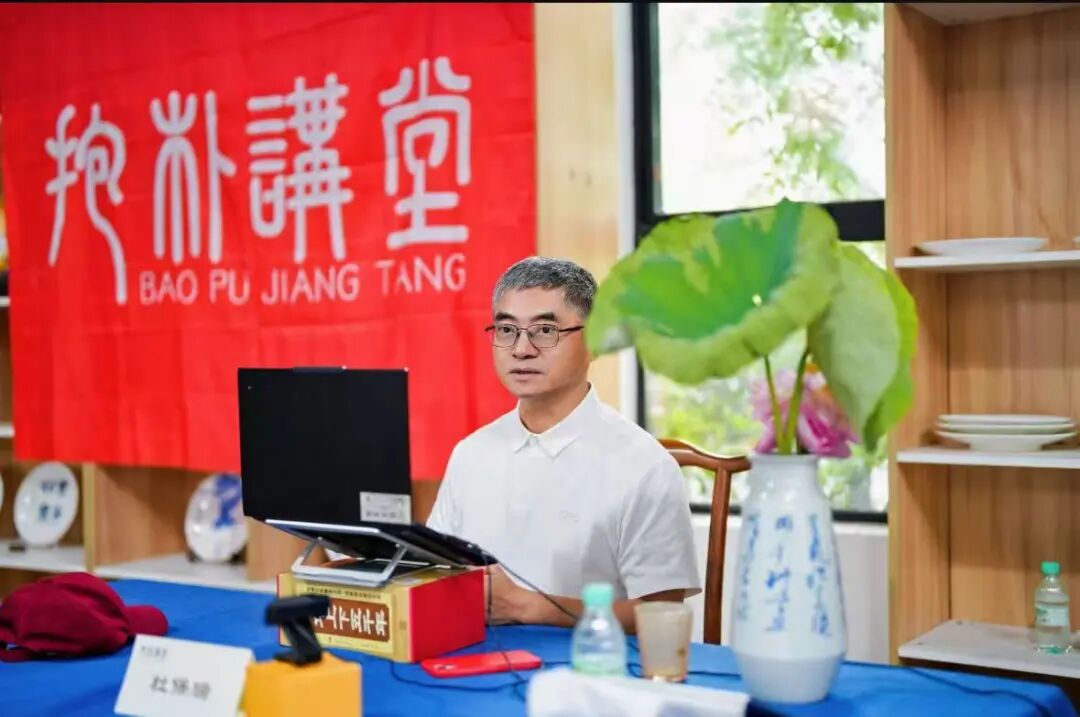
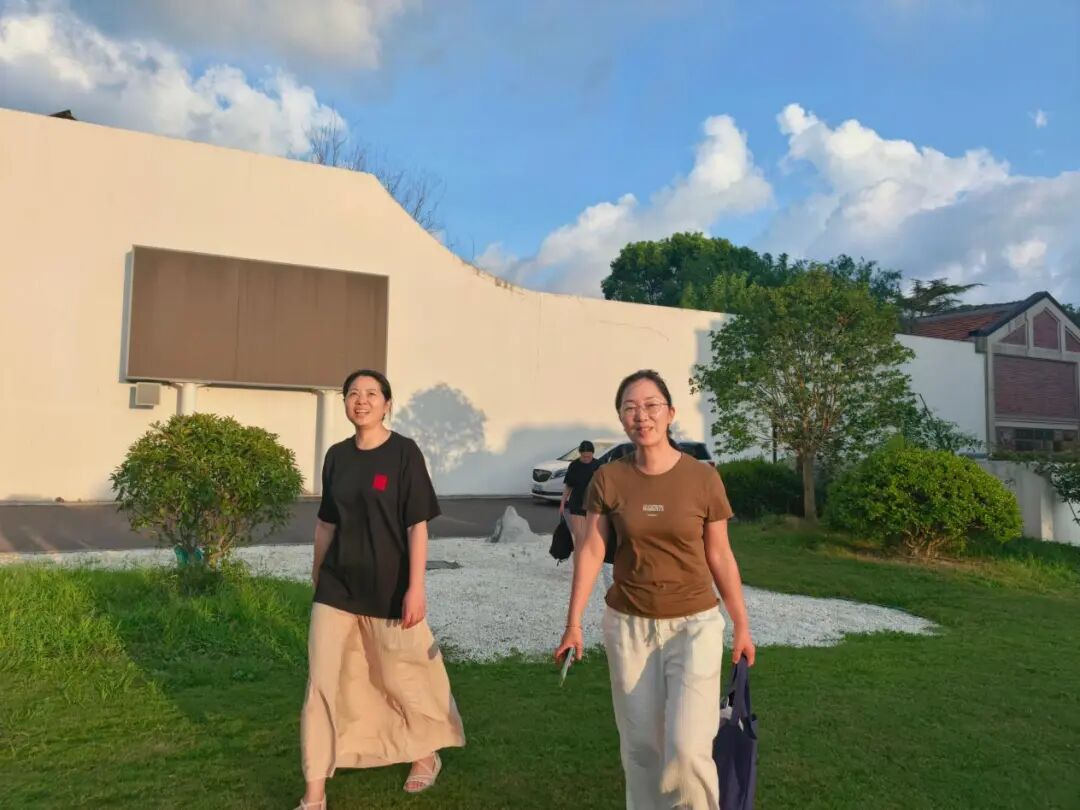
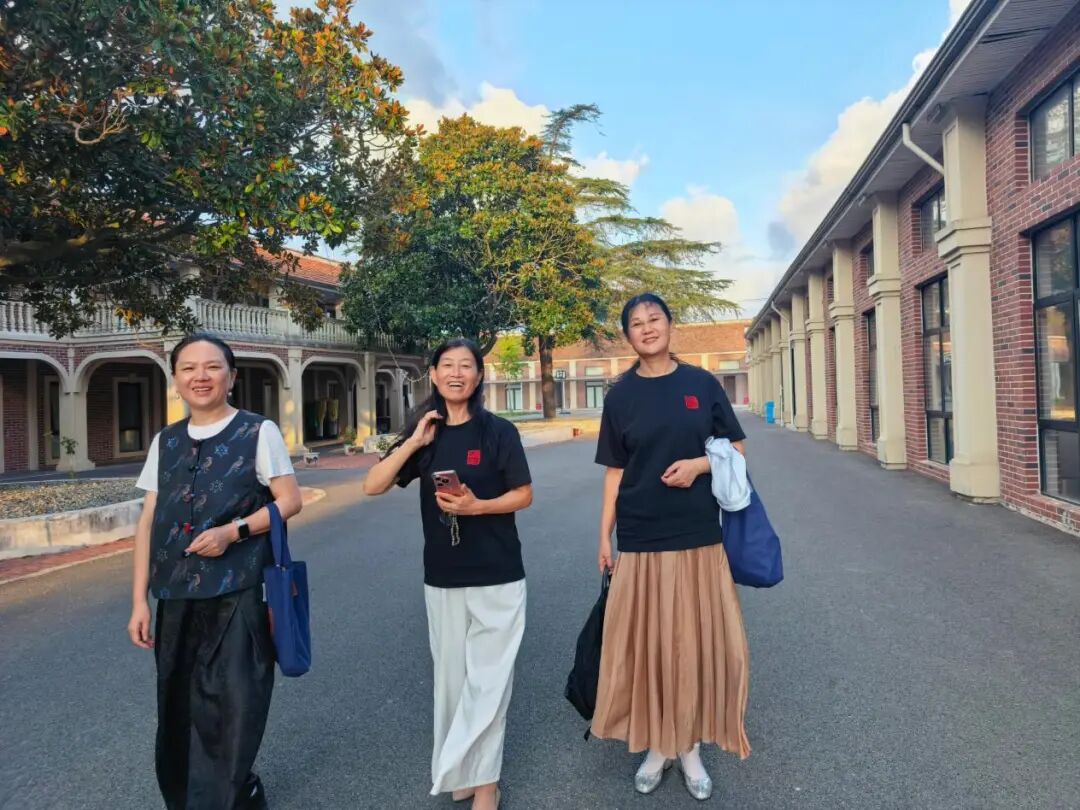
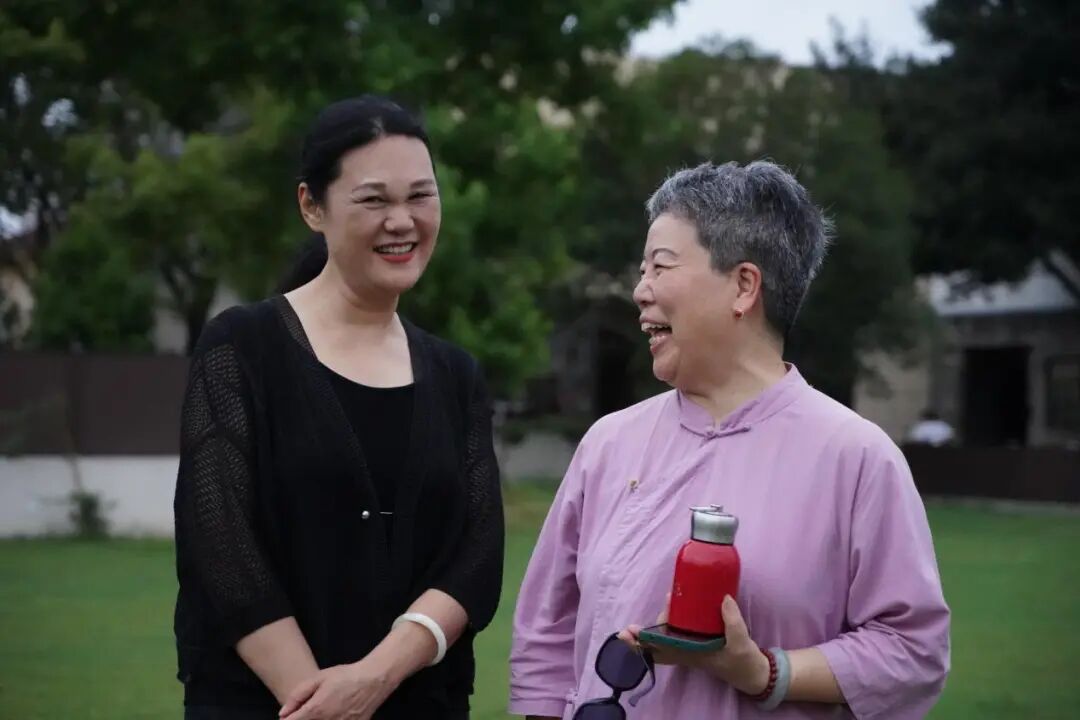
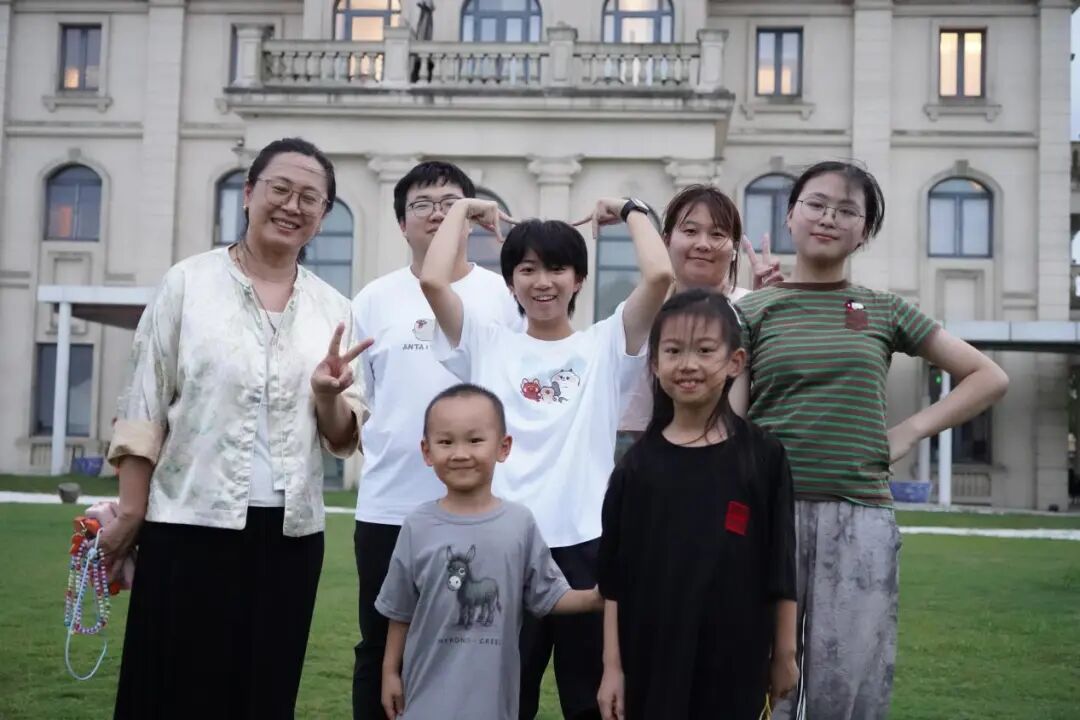
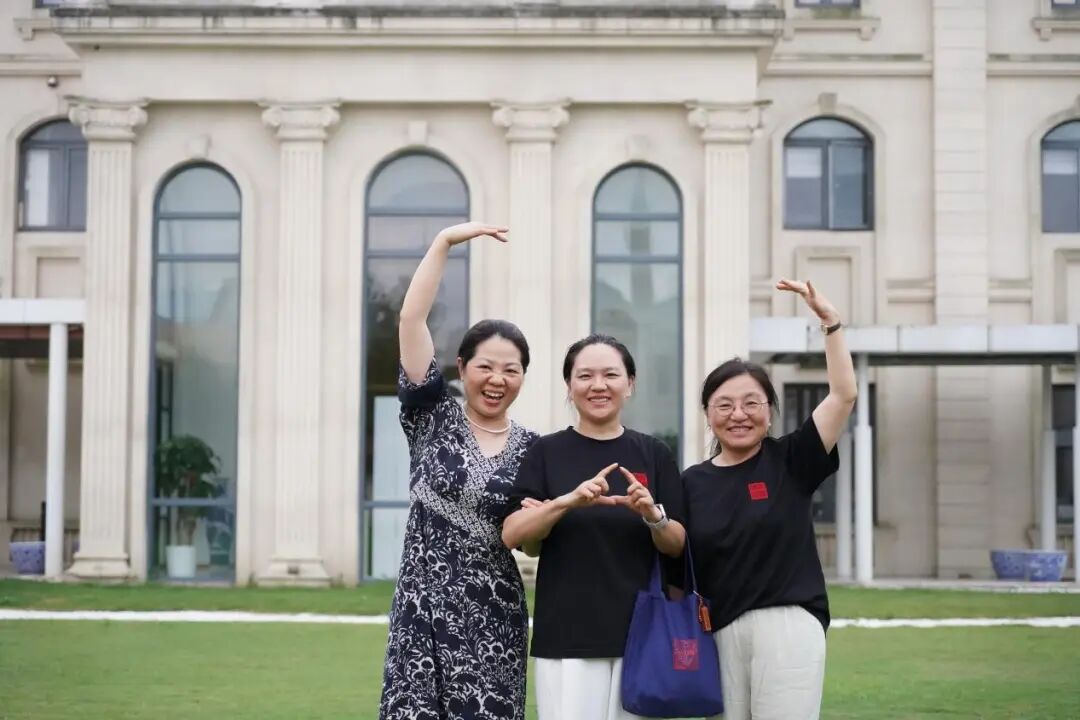
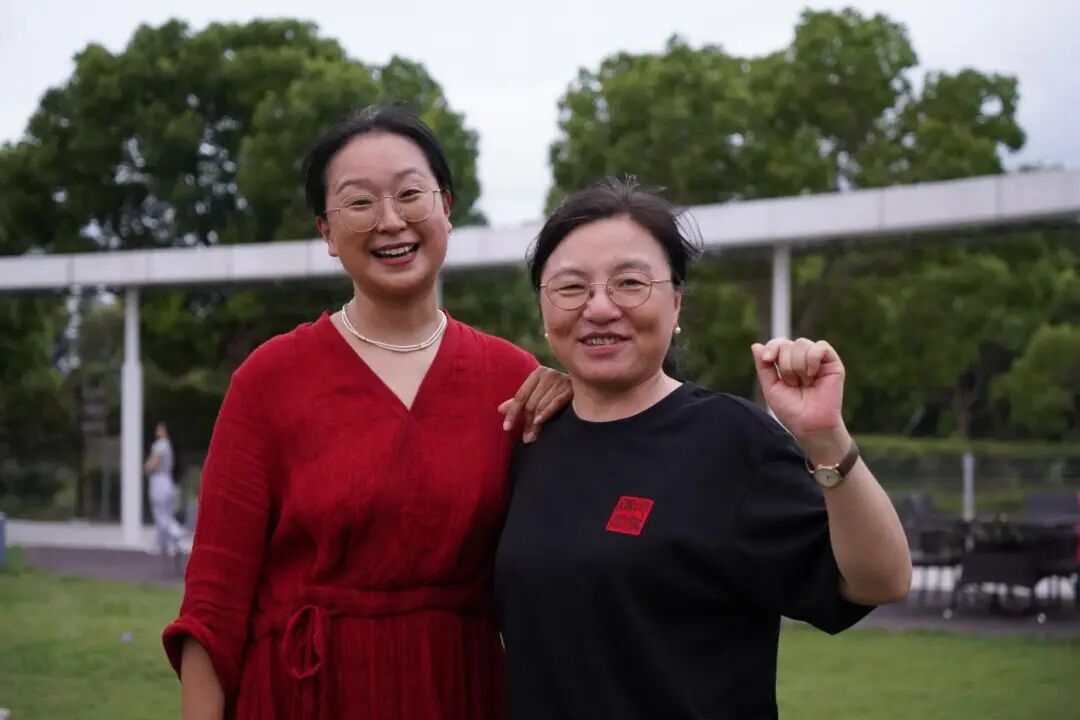
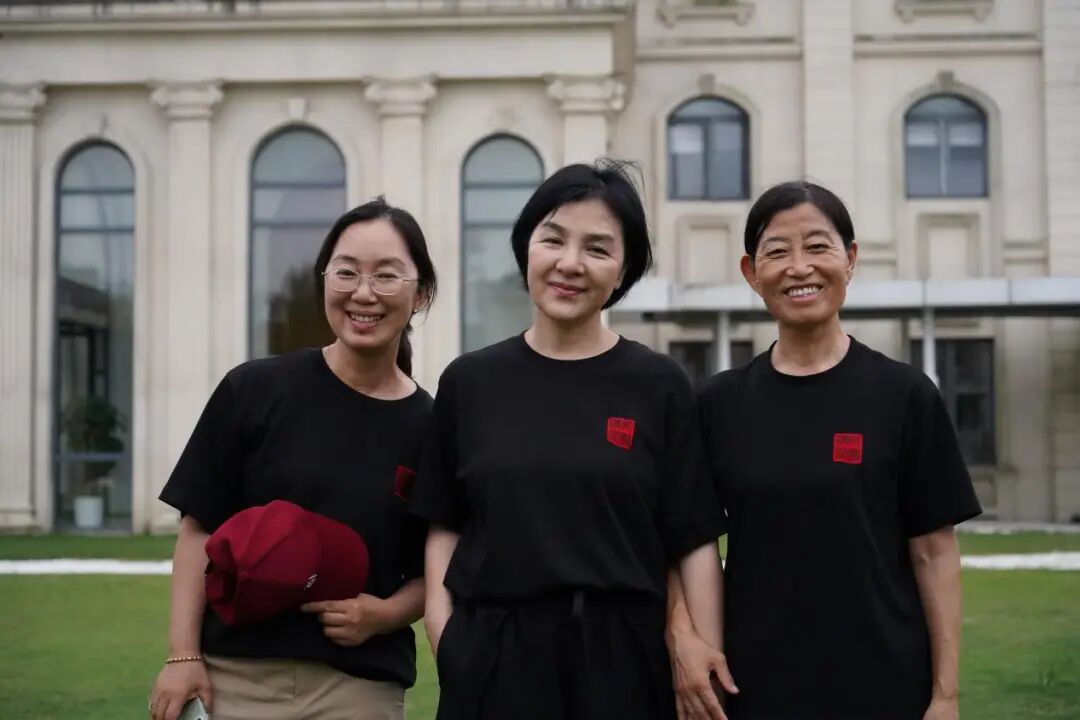
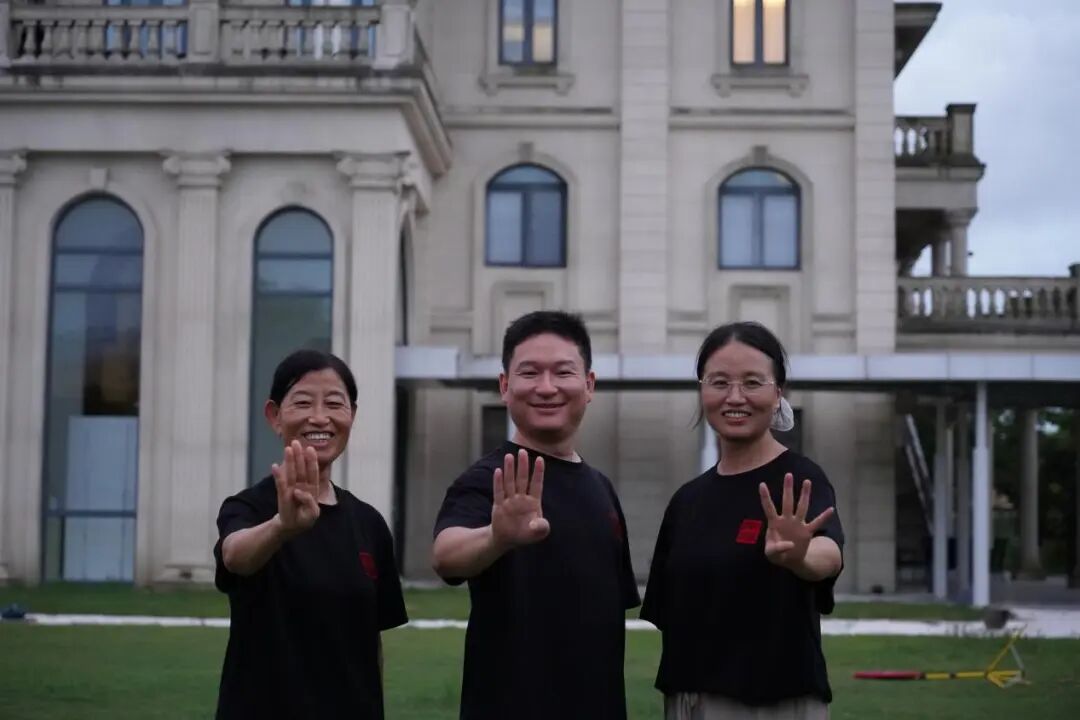
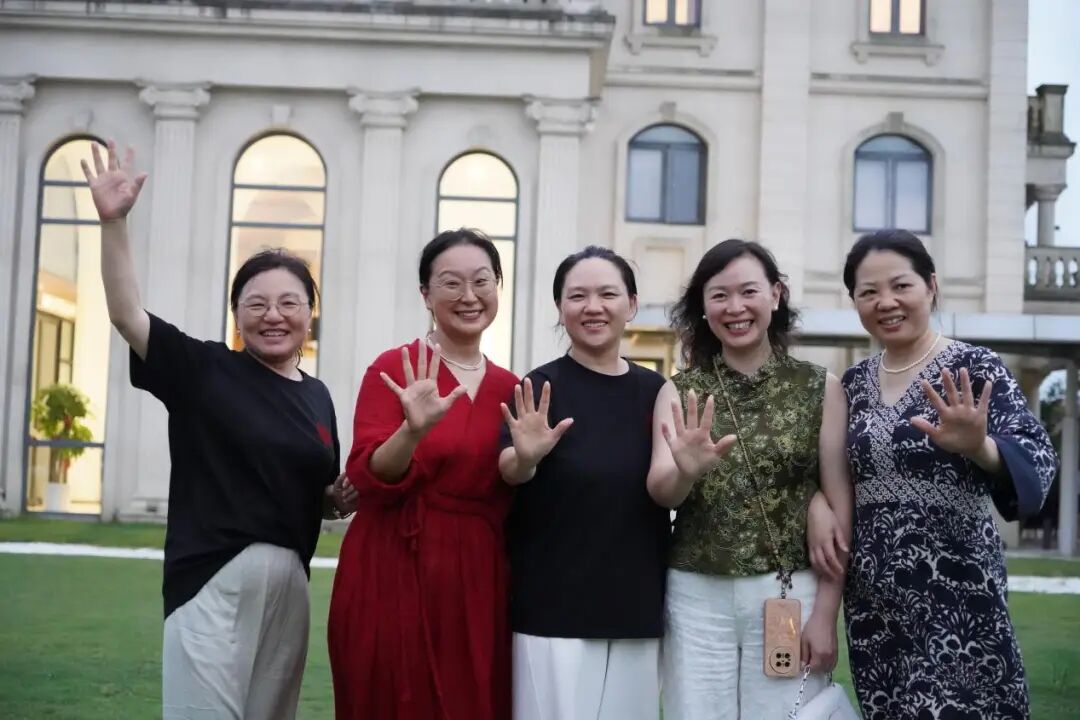
From August 5 to 9, 2026, the Baopu Lecture Hall 9th Chinese Philosophy Academic Camp — Professor Duh Bau-Ruei's History of Chinese Philosophy — was successfully held at Xijiade Yunshui Shanfang on Chongming Island, Shanghai.
Baopu teachers and fellow students from around the world gathered online and offline to hear Professor Duh Bau-Ruei lecture on “The Philosophy of Dong Zhongshu,” “The Philosophy of Guo Xiang,” and “The Philosophy of the Lotus Sutra.”
The goal of this course is to establish “a history of Chinese philosophy without prejudice.”
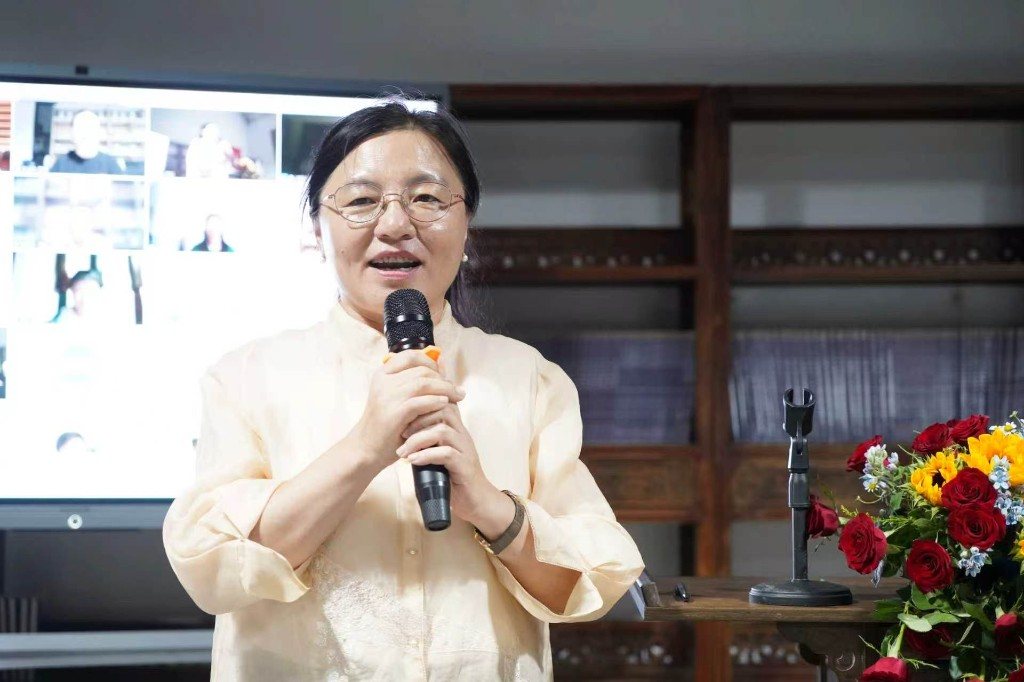
On August 5, at the opening meeting, Professor Duh Bau-Ruei said in his opening address: “When a person's life is finally judged, it is not determined by how much you obtained in this life — for that came from blessings accumulated in a previous life — but by how much you gave to others in this life, and how many resources you created for society. Take this to heart: how much you have given to this world — that is the growth of your life.”
Professor Duh's words encouraged us: study in order to create value for society, and live a life of giving!
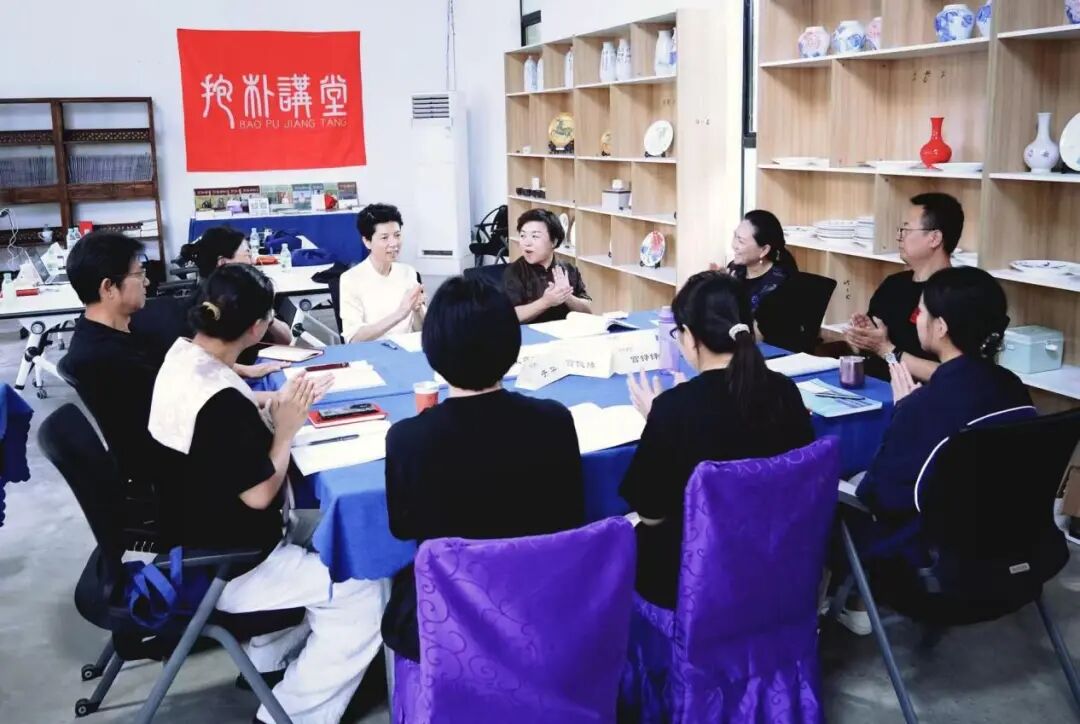
Afterwards, friends online and offline introduced themselves one by one, expressing their expectations for this camp — hoping to deepen their understanding of methodology and of the classics of the three teachings.
August 6–8 were the formal course days of the camp.
In previous camps, mornings were for lectures, afternoons for reading and discussion, and evenings for Q&A. This time Professor Duh adjusted the schedule: mornings for reciting the classics and Professor Duh's related papers, lectures at midday, and Q&A in the evenings.
This adjustment let everyone learn in advance Professor Duh's research on each philosopher, forming concrete concepts in mind, so that in class they could keep up with his lectures; through prior discussion and mutual answering, confusions were preliminarily resolved.
For the afternoon lectures, Professor Duh changed his usual order — first the outline, then interpretation of the classics — to interpreting the classics first and gathering the philosophy into an outline at the end, giving clear interpretation and positioning from the perspectives of methodology and the theory of truth.
The evening Q&A sessions were brilliant; in Professor Duh's answers, everyone gained a deeper understanding of what they had not grasped in class.
Professor Duh's lecture outlines for this camp are organized as follows:
The Philosophy of Dong Zhongshu:
Professor Duh's overall analysis of Dong Zhongshu's Luxuriant Dew of the Spring and Autumn Annals holds that the work was not written at one time, but over a whole lifetime — a piece whenever a thought came — with development and repetition, yet an internally consistent line of thought.
As for Dong Zhongshu's school affiliation, he is regarded as a new Huang-Lao syncretist centered on Confucianism: in his thought he absorbed, respectively, from Confucianism, Mohism, Legalism, and the Daoism of Zhuangzi and Liezi — benevolent and righteous governance, the will of Heaven and clarity about ghosts, rewards and punishments with concealment, and nourishing life and destiny.
In his political thought there is no Laozi-type pattern; Confucianism and Legalism predominate — the ruler's thinking for a unified empire.
In cosmology, Dong Zhongshu speaks of “Heaven is the great lord of the hundred spirits,” “Heaven has ten ends,” “resonance between Heaven and humanity,” “calamities and anomalies as Heaven's reprimands,” and “man patterned after Heaven's numbers”;
in ontology, he centers on Confucian benevolence and righteousness;
in the theory of cultivation, he has a personal philosophy of nourishing life — a cosmology-based approach to health, such as the four seasons and four emotions, and nourishing life through harmonious qi;
in the theory of the attained state, his is a learning of public policy rather than personal cultivation, so strictly speaking there is no theory of an attained state.
At most there are requirements directed at the ruler: the Son of Heaven is Heaven's son; the ruler must sacrifice to Heaven; sacrificing to Heaven is greater than sacrificing to ancestors; and educating the people is the ruler's duty.
His theory of human nature is a political-philosophy approach — a state-management approach, with the ruler's role supreme: nature becomes good only through education; benevolence is external and righteousness internal; the nature of the average person. He criticized Mencius's theory of the goodness of nature as pitched too low; in fact, if Dong Zhongshu wanted to establish a theory of human nature, it too would have to be Mencius's theory of good nature.
In political philosophy, his is a cosmology-based construction with a theistic teleology: honoring Heaven while limiting the ruler; resonance between Heaven and humanity; man patterned after Heaven's numbers; Heaven and humanity co-constituting; state structure, officialdom and decrees following the structure of natural laws; yang as virtue and yin as punishment; yang honored and yin debased; and the doctrine that a new dynasty receives Heaven's mandate and must change its institutions.
From the verification theory of the Chinese philosophical view of truth: Dong Zhongshu's co-constitution of Heaven and humanity is not unreasonable, yet too many forced analogies make it lose its truth. Resonance between Heaven and humanity is like karmic cause and effect, but its political purpose is so obvious that it invites disgrace instead. When speaking of theory through knowledge, one must have a sense of boundaries.
From the applicability of Chinese philosophical truth: using theistic systems to limit royal power by Confucian values applies only to the ancient feudal imperial system. His teaching on nourishing life is forever valid. His doctrine of calamities and anomalies as reprimands must not presume purposes, nor be interpreted rashly.
From the selectivity of Chinese philosophical truth: in itself it is a synthesis of Confucianism, Legalism, Mohism and Daoism — by the national conditions and history of the time, arguably the best choice.
Professor Duh's overall evaluation of Dong Zhongshu's philosophy: How wonderful reading is — the brush saves the nation; a benevolent heart and benevolent righteousness, for all the people under heaven.
History changed; later Confucians had it harder still — an era's mission. To pull Confucianism onto a theistic cosmology was an act of philosophical creation, completing a historical mission.
Professor Duh holds that Dong Zhongshu's philosophy influenced: the learning of Heaven-human resonance, unabated through Song and Ming Confucians; the doctrine of calamities and anomalies as reprimands, deeply rooted in people's hearts, influencing all of Chinese history; and the requirements on the ruler's role — outwardly exalting him while inwardly restraining him: using the Son-of-Heaven doctrine to suppress the ruler, and the calamity-reprimand doctrine to overawe him.
Later scholars' discussions of Dong Zhongshu's philosophy:
Lao Siguang criticized the cosmological approach: the “is” cannot decide the “ought”; morality is decided subjectively by the human heart. Yet Heaven and humanity share one structure, mind and things are one, speaking interactively, setting a scope, completing a system.
Professor Duh says: do not belittle “man patterned after Heaven's numbers.” Dongzi spoke roughly; quantum mechanics, the cosmic image and the structure of the human body speak finely. Heaven-human resonance is only a small-scale version of the doctrine of karmic cause and effect and rebirth.
The Philosophy of Guo Xiang:
Guo Xiang's commentary was composed to explicate the seven Inner Chapters of the Zhuangzi, yet he had his own fundamental concerns and preconceptions — using Zhuangzi to express himself, lodging his meaning in words. In interpreting, attend to the parts where he creates viewpoints; the rest, which merely explains the text's meaning, need not be delved into.
The root concern of Guo Xiang's philosophy: how to keep oneself safe amid a chaotic age, and how to act while in officialdom — using his Zhuangzi commentary to express his own views, lodging his thought in the manuscript.
His fundamental stance: phenomena are reasonable — never advance rashly; everything is Heaven-made, a realm of dark mystery; accept everything and do nothing; establish a theory that negates the Dao-substance.
The basic problems of Guo Xiang's philosophy: cosmology is “not-knowing”; ontology is “non-action”; the theory of cultivation is “not-doing” (politically non-interference; in nourishing life, harmonious qi for longevity — though the latter is not the focus); the theory of the attained state is “dark mystery” (xuanming).
Later interpretations:
Philosophers critical of Guo Xiang's philosophy include: Feng Youlan, Fang Dongmei, Tang Junyi, Tang Yijie, and Lao Siguang.
Those who inherited it include: Mou Zongsan.
From the verifiability of the Chinese philosophical view of truth: if Guo Xiang's interpretations are all wrong, what verification can there be? Yet his system does have consistency: no Dao-substance, no cultivation, everything ready-made in the present — the realm of dark mystery.
From the applicability of the Chinese philosophical view of truth: it suits cynics, people without ideals, those who hold office without doing its work, and people who “lie flat.”
From the selectivity of the Chinese philosophical view of truth: this philosophy must not be chosen — it is the worst philosophy in the history of Chinese philosophy.
Overall evaluation: Guo Xiang's philosophy can be positioned as one more chapter of the Outer and Miscellaneous Chapters of the Zhuangzi — interpreting the seven Inner Chapters in the style of those chapters. What he says approaches the Liezi, but the Liezi still has a theory of cultivation; Guo Xiang speaks of officialdom and has none.
Zhuangzi's political philosophy is irresponsible, but it separately pursues its own transcendent ideal. Guo Xiang's political philosophy is also irresponsible, but takes that itself to be true wisdom.
Guo Xiang did not want rulers to rest, nourish life, or pursue immortal arts, as the Daoist Liezi taught.
Rather, with a set of dark and devious rhetoric he told rulers of the realm where traces merge into darkness — the Way of dark mystery — directly making the emperor into an immortal: a temple-and-court immortal, who in doing things need only let everything follow Heaven, without acting himself and without exerting his mind, because all was arranged by Heaven long ago and human effort has no effect; therefore there is no need to act — just go through the motions outwardly while inwardly roaming free: that is the temple-and-court immortal, the doctrine of traces merging into darkness.
Guo Xiang had no concrete policy opinions and no dimension of cultivation practice; he dragged Zhuangzi down from the sky to the ground, and turned himself from a scholar-official into a ruler.
Guo Xiang had no view of social criticism at all — only criticism of people who want to work and change their fate: they are simply super stupid.
Zhuangzi's words intend meaning beyond the words; Guo Xiang annotates them literally. Guo Xiang did not understand Zhuangzi's artistic realm; he only forced his own “lying-flat” philosophy onto it.
Guo Xiang's contributions and role: his Zhuangzi commentary is representative; he edited the Zhuangzi and preserved the heritage.
The Philosophy of the Lotus Sutra:
The Lotus Sutra teaches the One Vehicle's Buddhahood through parables: among them “the burning house and the three carts,” “the poor son returns home,” “the jewel hidden in the robe,” and “the physician and his sons.”
In the Lotus Sutra, many bodhisattvas appear to assist the teaching, such as Manjushri Bodhisattva, Medicine King Bodhisattva, Wonderful Sound Bodhisattva, Guanshiyin (Avalokitesvara) Bodhisattva, Samantabhadra Bodhisattva, and Prabhutaratna Tathagata.
The most important core theories of the Lotus Sutra are: “the three vehicles return to the One,” “expedient means,” “taking on every form of body to teach and transform — observing the capacity and teaching accordingly, manifesting in a myriad forms,” “omniscience,” “the wisdom of all modes,” “long since attained nirvana,” and “all beings are predicted to become Buddhas.”
Upholding, interpreting and practicing this sutra brings merit, as proclaimed by the Buddhas. Stories within stories, classics within classics. Beings of the ten directions uphold it together. To uphold, recite, lecture on and copy it is to study this sutra. Whoever studies this sutra will certainly become a Buddha.
Systematically: its cosmology is the macro-system of Mahayana cosmology; its ontology is prajna wisdom and a compassionate heart; its theory of cultivation is pursuing Buddhahood in the One Vehicle — prajna raising energy, compassion saving beings, walking the bodhisattva path, adapting to every form of being to save them; its theory of the attained state is becoming a Buddha — the samadhi of transforming into every form of body.
From the verifiability of the Chinese philosophical view of truth: the states of Buddhas and bodhisattvas cannot be verified by ordinary people in the empirical world, nor after death; verification must proceed on the premise of faith, after endless time and space without slackening. The concrete practice is to keep doing good and accumulating merit, occasionally practicing seated meditation and samadhi powers, to get a slight taste. Faith is the source of the Way and mother of merit; walking the bodhisattva path to save beings is precisely raising one's ability to serve society.
From the applicability of the Chinese philosophical view of truth: it applies to all Buddhist believers, monks and laity alike; to all gods, humans, bodhisattvas, ghosts and animals; and to every volunteer in society who does good.
From the selectivity of the Chinese philosophical view of truth: it is the basic mental method running through the Six Lines (of a hexagram), usable at all times, supporting all other mental methods.
In the development of Chinese philosophy, it is the sutra revered by the Tiantai school. Master Zhizhe used it to create the doctrinal classification of the Five Periods and Eight Teachings: the Five Periods — Avatamsaka, Agama, Vaipulya, Prajna, and Lotus-Nirvana; the Eight Teachings — Tripitaka, Shared, Separate and Perfect; Sudden, Gradual, Secret and Unfixed.
Mr. Mou Zongsan absorbed the Tiantai view of the Perfect Teaching and made his own philosophical creation — a Confucian Perfect Teaching.
Mr. Tang Junyi gave an incisive account of the difference between Tiantai and Huayan: Tiantai speaks from below upward, while Huayan speaks from above downward.
From the Buddhist system, this sutra is: turning from the Lesser to the Great, the three vehicles returning to the One, certain Buddhahood.
In Buddhist history, this sutra influenced all eight Mahayana schools of China.
Reflections from camp members:
Professor Zhao Yanfeng:
Today, all day, besides teaching my own classes, I listened to lectures. I taught two classes in the morning; from ten o'clock I studied Dong Zhongshu's Luxuriant Dew of the Spring and Autumn Annals online. In the afternoon Professor Duh lectured for four hours, and another hour in the evening — going through the text bit by bit, then summarizing the whole picture; the course ended at 9:30 p.m. So many feelings!
Before the course, Professor Duh said: we must go to the philosopher's scene, sit beside him, and look at a “wild” Dong Zhongshu. Today we truly did so, restoring Dongzi's complete picture.
At the turn from Qin's fall to Han's rise, in a historical stage when Legalism was waning and Daoism flourishing, Dong Zhongshu faced the task of reconstructing a Confucian, people-centered system of value constraints. The doctrine of Heaven-human resonance was precisely to bind the ruler and Heaven into one system, so that the supreme ruler would be constrained by the deep logic of “Heaven sees as the people see; Heaven hears as the people hear.” Starting from Dong Zhongshu's philosophical problems, Professor Duh let us see his painstaking heart and tremendous effort.
Speaking of “Heaven-human resonance,” those of us steeped in scientific thinking may easily label it feudal superstition. Professor Duh never makes such arbitrary judgments; at the beginning of his paper he holds that philosophy practitioners must first reflect on their own “work mentality.” This is exactly what Teacher An called being aware of one's own “Gadamerian prejudice.” In the end, our cosmology and our state of attainment limit our imagination.
From this I thought of another, similar problem of the collective unconscious: the criticism of Dong Zhongshu's proposal to “dismiss the hundred schools and honor only Confucianism.” By the fourfold framework, among the schools of the Spring and Autumn period, Confucianism was the school specialized in governing the state; Zhuangzi let politics go; Laozi was a leadership philosophy for high officials at the fourth line; and Legalism, after Qin's fall, had already been disenchanted. Was it not exactly fitting to govern the state with Confucianism?
What moves one is that Dong Zhongshu probably never imagined that such painstaking effort would be so misunderstood two thousand years later. Only by starting from all the important texts, and being considerate of the historical environment and questions of the time, can Dongzi's true face appear.
In his summary, Professor Duh listed fifteen points — clear, objective, without a thread out of place. Dongzi deserves such a reading.
This academic camp gave me four insights:
First, lecturing through Confucianism, Buddhism and Daoism together is deeply reasonable and necessary. It helps us switch between different cosmologies, see their divisions, understand their interpenetration, and thus build a complete picture of Chinese philosophy — vast, subtle, and thoroughly integrated;
Second, use a centered, core-value tone as the plumb line. Whether reading Dong Zhongshu, evaluating Guo Xiang, or entering deeply into the Lotus Sutra, Professor Duh always firmly held the direction of “if not me, who?” — self-strengthening to benefit the world — making the three philosophies a kind of certainty. There is no need to discuss whether such interpretation has merged Professor Duh's subjective will. Professor Duh says: a history of philosophy without prejudice does not mean having no standpoint and no position. Teacher An says that to think one can interpret the original texts with no subjective will at all is a naive fantasy; the key is to clearly recognize what subjective will has been merged in — only then can we enter deeply into the classics and make them our own!
Third, stand on the original texts, read through the original texts, interpret the original texts. So-called objectivity must take the origin as its basis, fully grasp the originals and then present them — not quote out of context. In these three days, Professor Duh led us through the originals from the beginning: how Dong Zhongshu spoke; how Zhuangzi spoke and how Guo Xiang interpreted him; the Lotus Sutra from its arising to its unfolding to its perfection — after lecturing through and commenting on the whole, he expounded it as a whole. This is an original, reliable history of Chinese philosophy.
Fourth, truly practice it, and let it enter the heart deeply. Without practice there is no personal experience, and no explaining the profound in simple terms. Professor Duh lectured on the Lotus Sutra using real-life matters as analogies, giving us frequent moments of sudden realization, and making clear why, in this universe, one should act in such ways.
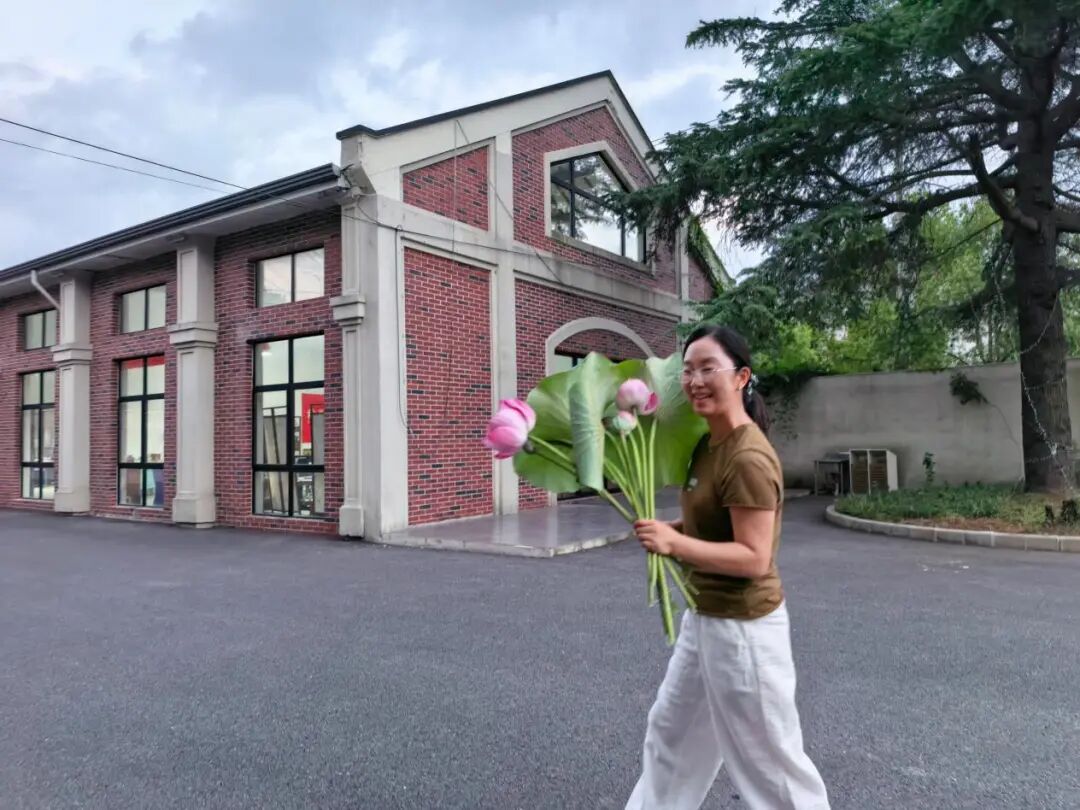
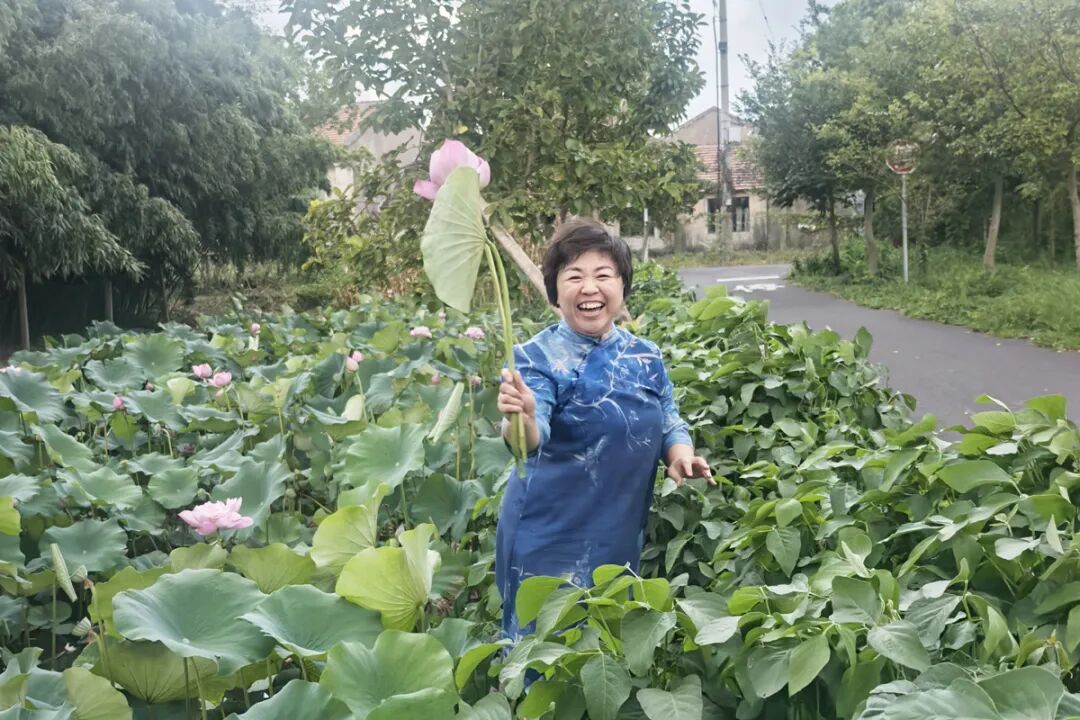
This philosophy camp overlapped with much of my schedule; thanks to the internet and earphones, which maximally made it possible to listen at all times. Let me pass through the previous night in the early morning — indeed, the Lotus Dharma assembly has not yet dispersed…
Swipe to see more
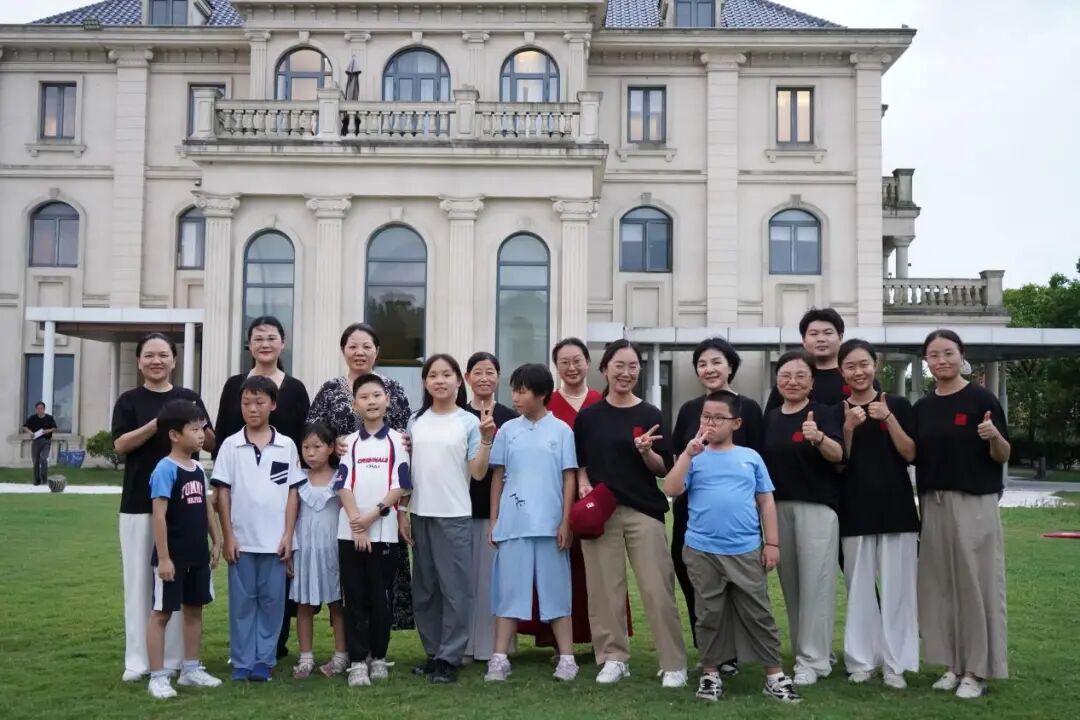
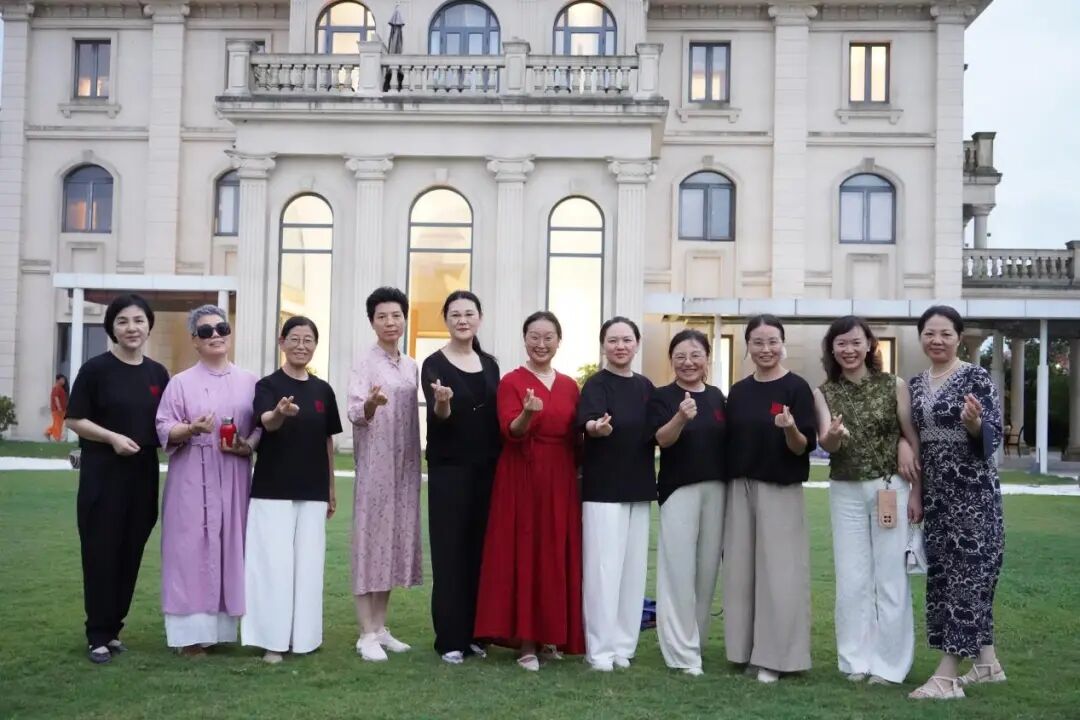
On the morning of the 9th, in an atmosphere of peace, solidity, and a full harvest of rationality, all friends online and offline closed the camp. In this camp, everyone gained philosophical thinking and friendships of the same frequency.
Although the activity has ended, everyone has entered a large learning platform, and will continue to study deeply in the various classes of Baopu Lecture Hall.